Writing
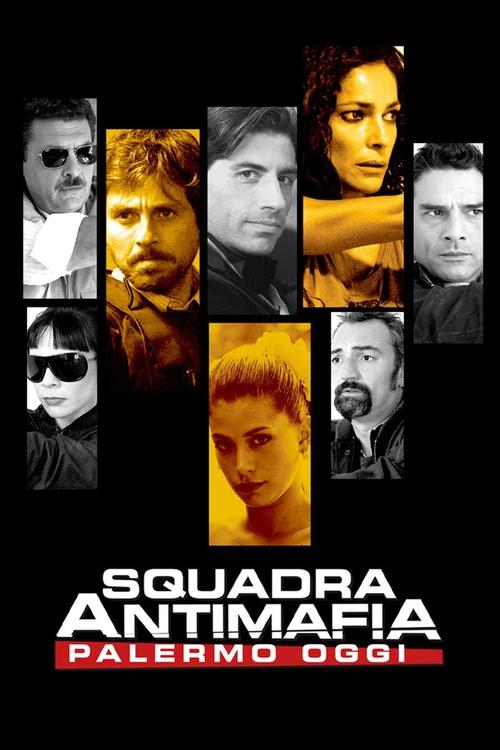
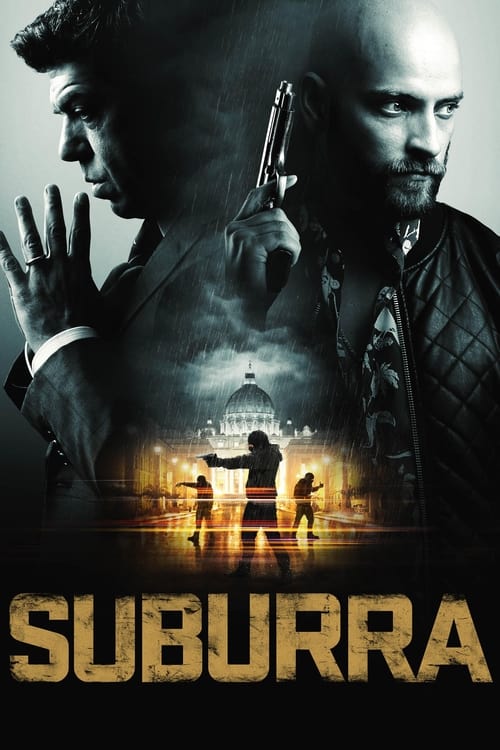
Fighting a modern, fragmented and brutal Mafia, the Sicilian Anti-Mafia Squad seeks to crush the criminal network that holds a death grip on the region. Sophisticated surveillance helps, unless the enemy lies within.
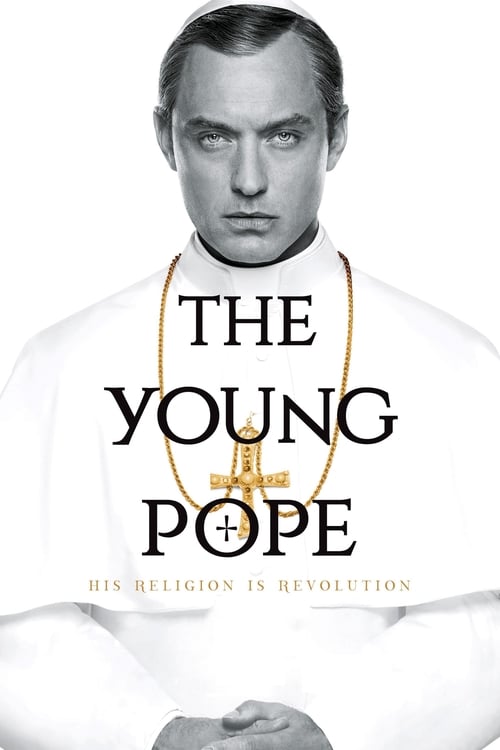
Lenny Belardo, the youngest and first American Pope in the history of the Church, must establish his new papacy and navigate the power struggles of the closed, secretive Vatican.
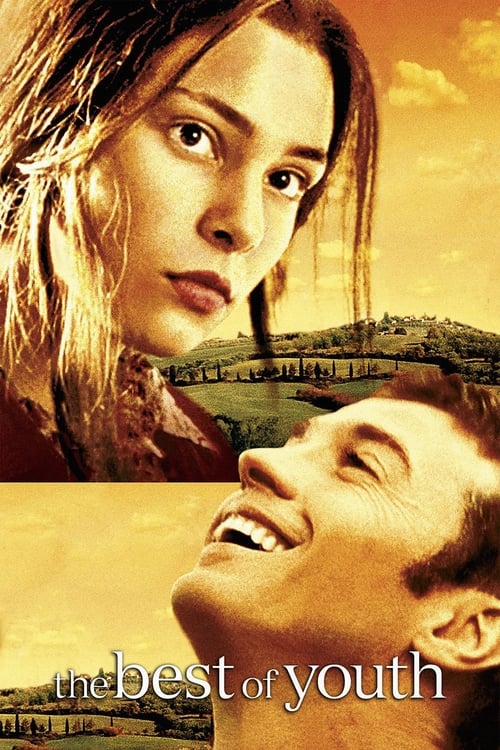
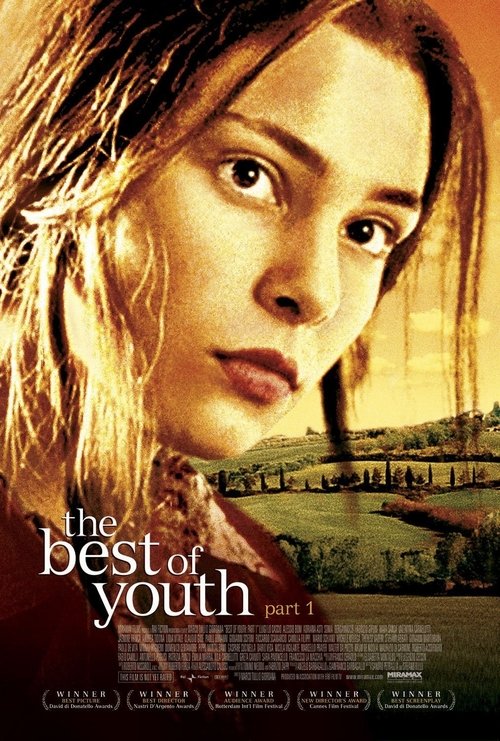
After a fateful encounter in the summer of 1966, the lifepaths of two brothers from a middle-class Roman family diverge, intersecting with some of the most significant events of postwar Italian history in the following decades.
A family saga set in Italy which chronicles the life of a middle-class family. It explores the relationship between two brothers Nicola and Matteo as their life paths separate during youth, encompassing major political and social events in post–World War II Italian history.
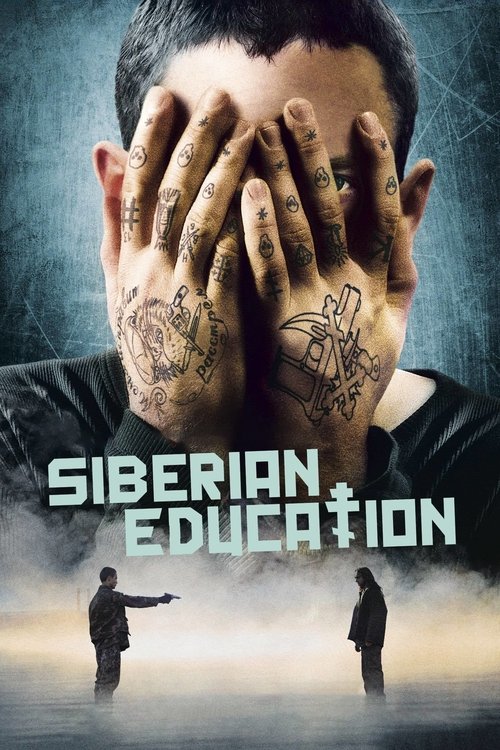
The story of a gang of children growing up in a community of banished criminals, in a forgotten corner of the former Soviet Union. This community rejects the world outside. The only law it obeys… is its own. Against this backdrop two best friends, Kolyma and Gagarin, gradually become fierce enemies as they find themselves on opposite sides of the strict code of honour of the ‘honest criminal’ brotherhood.
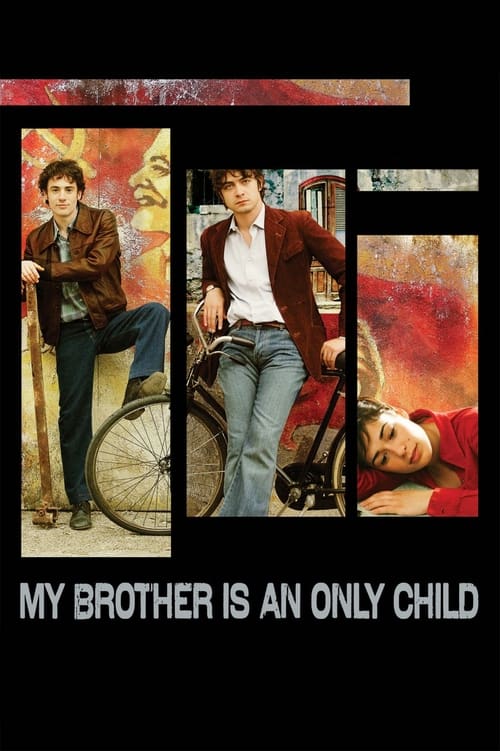
Accio and Manrico are siblings from a working-class family in 1960s Italy: older Manrico is handsome, charismatic, and loved by all, while younger Accio is sulky, hot-headed, and treats life as a battleground — much to his parents' chagrin. After the former is drawn into left-wing politics, Accio joins the fascists out of spite, but his flimsy beliefs are put to test when he falls for Manrico's like-minded girlfriend.
A critique of cineastes and cinephiles, including a once famous actress reduced to poverty and a man who fails miserably at running a film society with no money.
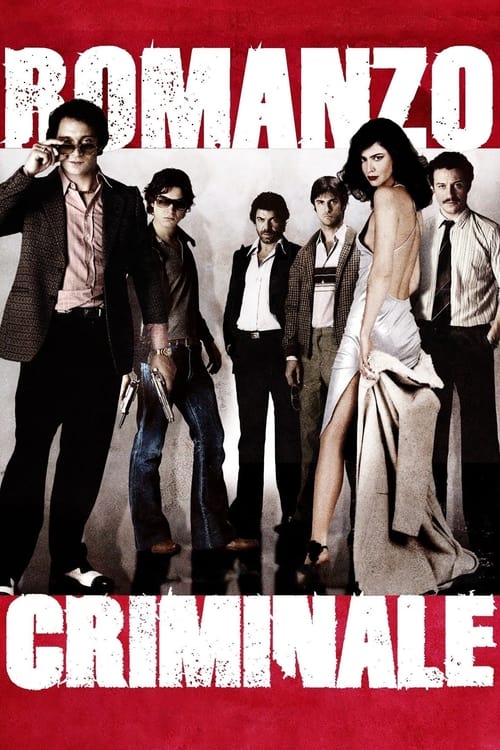
After serving prison time for a juvenile offense, Freddo gathers his old buddies Libano and Dandi and embarks on a crime spree that makes the trio the most powerful gangsters in Rome. Libano loves their new status, and seeks to spread their influence throughout the underworld, while the other two pursue more fleshly desires. For decades, their gang perpetrates extravagant crimes, until paranoia threatens to split the friends apart.
Charismatic auto executive Sergio Marchionne saved Fiat from bankruptcy in 2004 and took control of failing Chrysler in 2009, merging both companies to create the world's seventh-largest vehicle manufacturer.
A gangster known as "Samurai" wants to turn the waterfront of Rome into a new Las Vegas. All the local mob bosses have agreed to work for this common goal. But peace is not to last long.
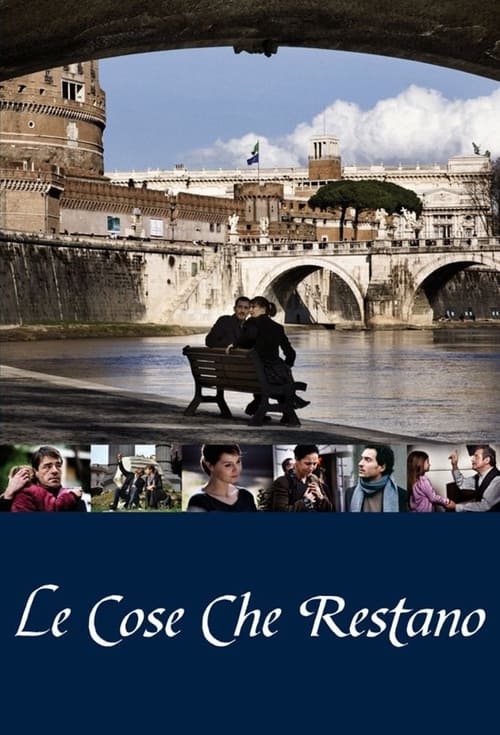
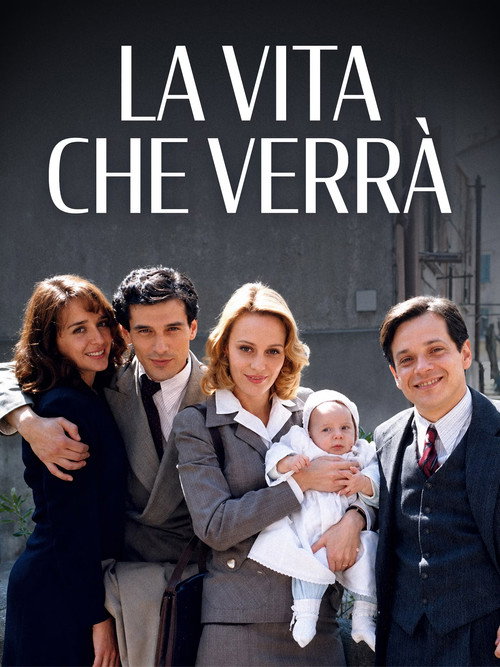
After the death of its youngest son, the lives of a Roman family take separate paths.
Marco, a teacher from Milan, relocates to Palermo and takes a temporary job teaching in a juvenile detention centre while he waits for a high school teaching position. He tries to understand and motivate his handful of students, encouraging them to stand up for their rights, finding out about their histories: Natale, in for murder and enamored with the Mafia; Pietro, who can't seem to stay out of jail; Claudio, barely 14 and learning to stand up for himself; and Mery, a trans sex worker, who was arrested after a fight with a trick who didn't want to pay her, and is now stuck in a male prison.
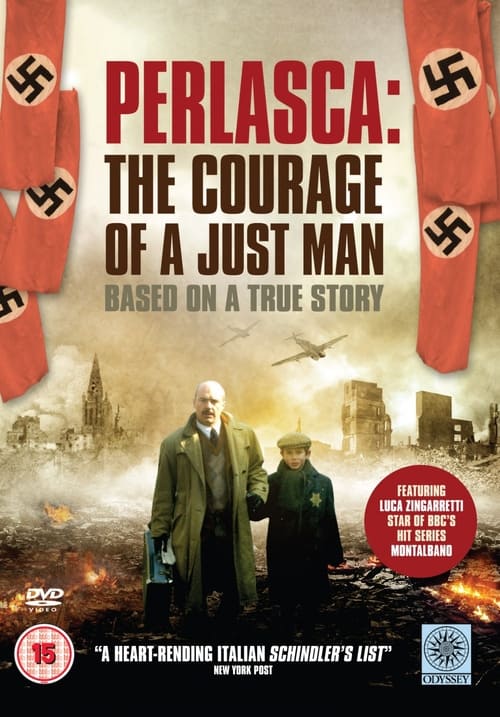
The true story of Giorgio Perlasca, an Italian cattle dealer and avowed fascist who — trapped in Nazi-occupied Budapest after Italy's armistice with the Allies — nevertheless saved more than 5,000 Hungarian Jews from the Holocaust through a combination of lies, bribery and derring-do.
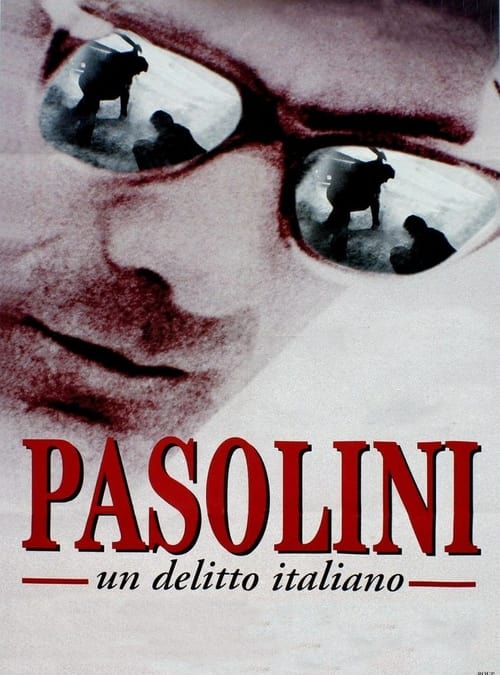
November 2, 1975: Pier Paolo Pasolini is murdered in the outskirts of Rome. The suspect, a 17-year-old hustler, pleads to have acted in self-defense, citing Pasolini's notorious sexual habits as proof. However, many inconsistencies start to undermine his version, pointing to him not having acted alone or even being assaulted in the first place. Was Pasolini also killed for another reason?
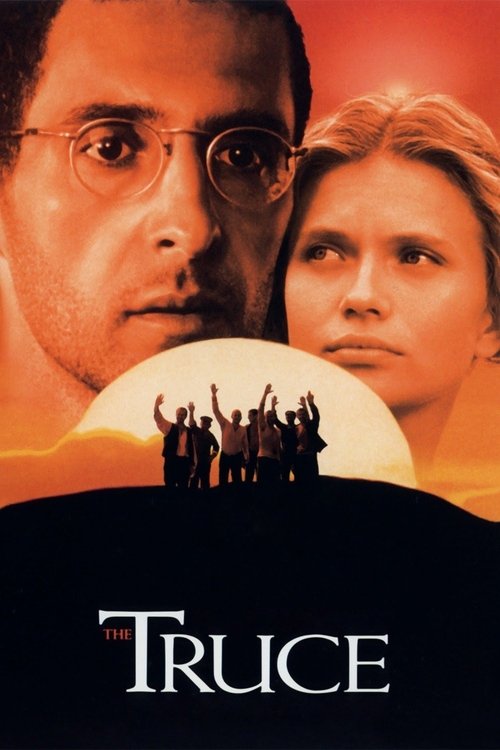
After the liberation of Auschwitz, an Italian prisoner of War begins a torturous voyage home to Turin, through a Europe caught between war and peace.
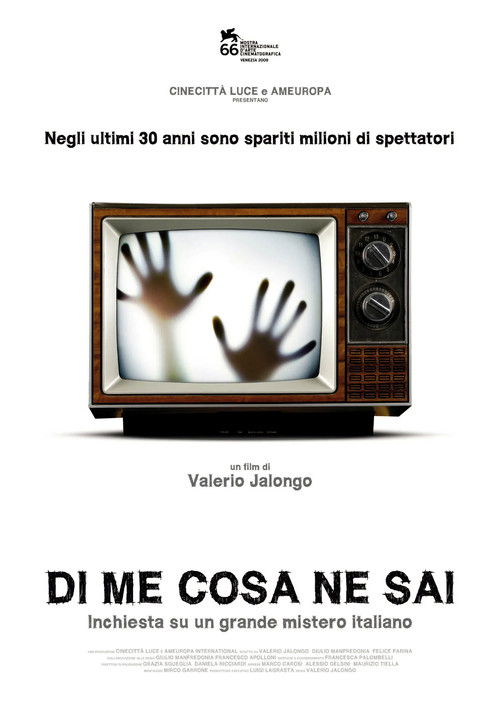
Until the 1970s, Italian cinema dominated the international scene, even competing with Hollywood. Then, in just a few years, came its rapid decline, the flight of our greatest producers, a crisis among the best writer-directors, the collapse of production. But what are the true causes and circumstances of this decline? In an attempt to provide an answer to this question, Di Me Cosa Ne Sai strives to depict this great cultural change. Begun as a loving examination of Italian cinema, the film transformed into a docu-drama that alternates between interviews with the great names of the past and fragments of cultural and political life of the last 30 years. It is a travel diary that shows Italy from north to south, through movie theatres; television-addicted kids; Berlusconi and Fellini; shopping centers; TV news editors; stories of impassioned film exhibitors and directors who fight for their films; and interviews with itinerant projectionists and great European directors.
No description available.
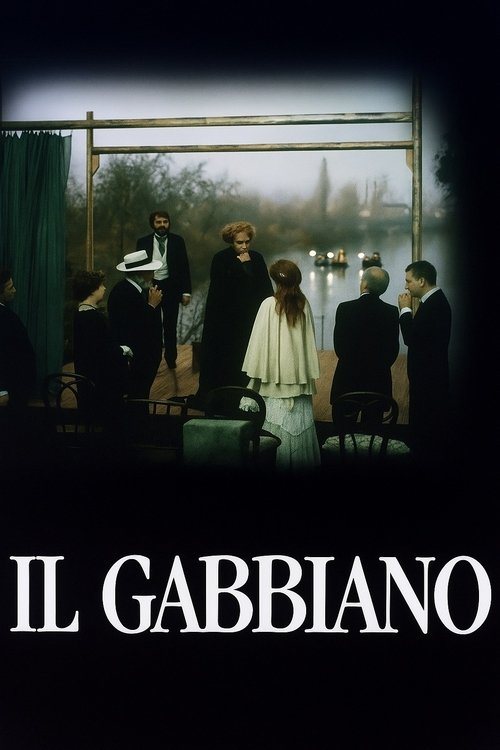
A young writer is trapped between his awful actress mother and the knowledge that he has only a mediocre talent as a playwright and almost no force of character.
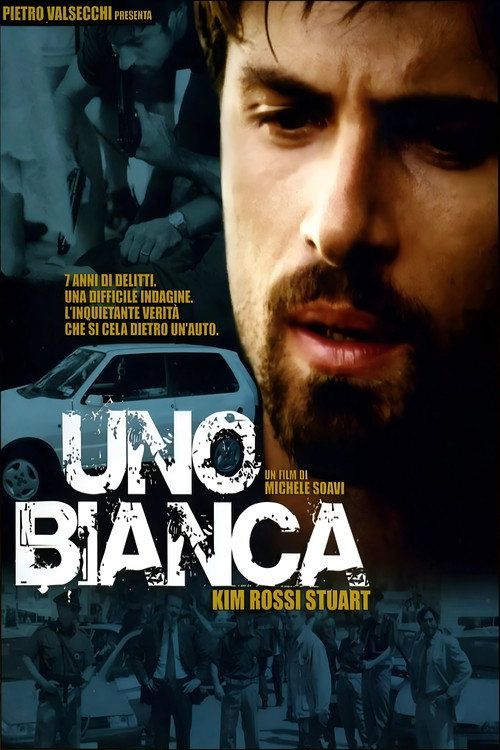
Rimini, 1991. For more than a year, the uno bianca gang - they always use a white Fiat Uno - has plagued the area. Their crimes are violent, sometimes killing carabineri, and there's no particular pattern: a bank one day, a petrol station the next, extortion of a small business the next. Are they terrorists? A foreign gang? Tied to the Mafia? After a particularly bloody shootout, two detectives are assigned to start fresh: they go through the notebooks of previous investigators and they interview a few witnesses again. They find a pattern in the crimes and predict the next assault, but the special task force in Bologna is dismissive. Can they carry on alone; how far will they get?
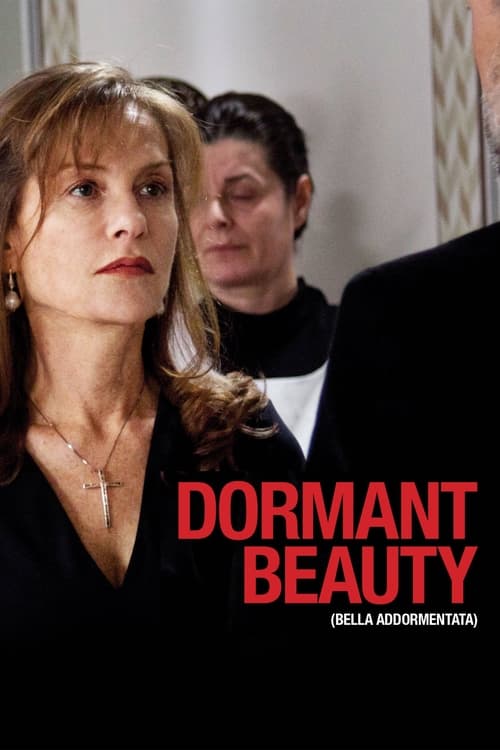
A mosaic of several intertwined stories questioning the meaning of life, love and hope, set during the last six days in the life of Eluana Englaro, a young woman who spent 17 years in a vegetative state.