Writing
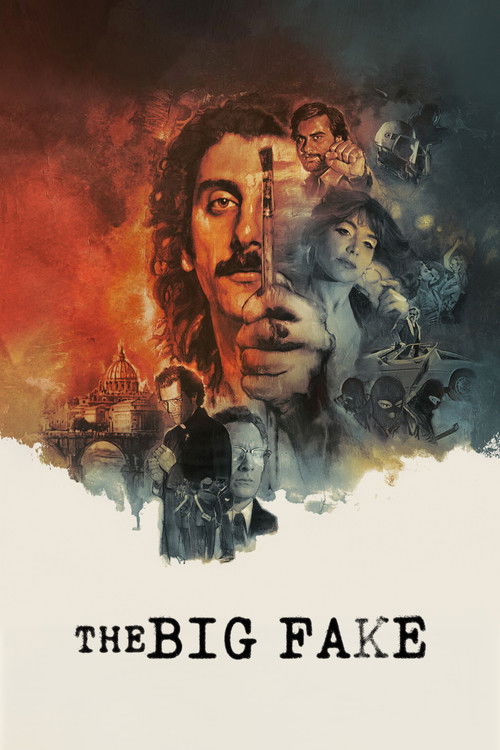
Toni Chichiarelli arrives in Rome with the dream of becoming a painter, but his talent leads him elsewhere — from art galleries to state secrets. Between art, crime, and power, his signature ends up everywhere — even in the history of Italy.
After a fateful encounter in the summer of 1966, the lifepaths of two brothers from a middle-class Roman family diverge, intersecting with some of the most significant events of postwar Italian history in the following decades.
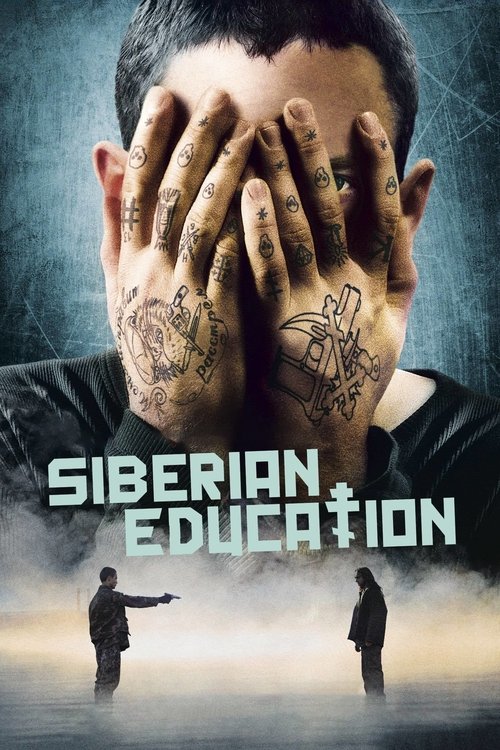
The story of a gang of children growing up in a community of banished criminals, in a forgotten corner of the former Soviet Union. This community rejects the world outside. The only law it obeys… is its own. Against this backdrop two best friends, Kolyma and Gagarin, gradually become fierce enemies as they find themselves on opposite sides of the strict code of honour of the ‘honest criminal’ brotherhood.
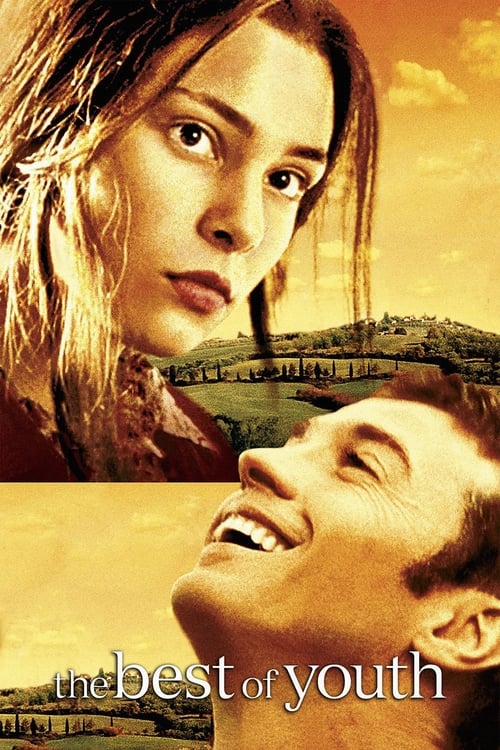
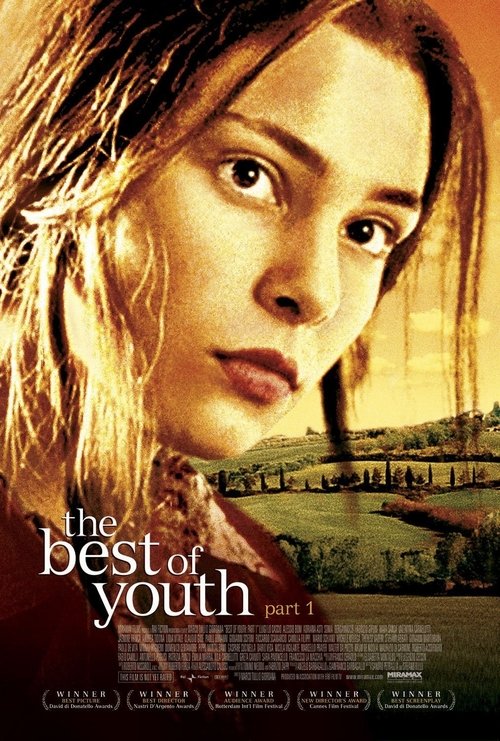
A family saga set in Italy which chronicles the life of a middle-class family. It explores the relationship between two brothers Nicola and Matteo as their life paths separate during youth, encompassing major political and social events in post–World War II Italian history.
No description available.
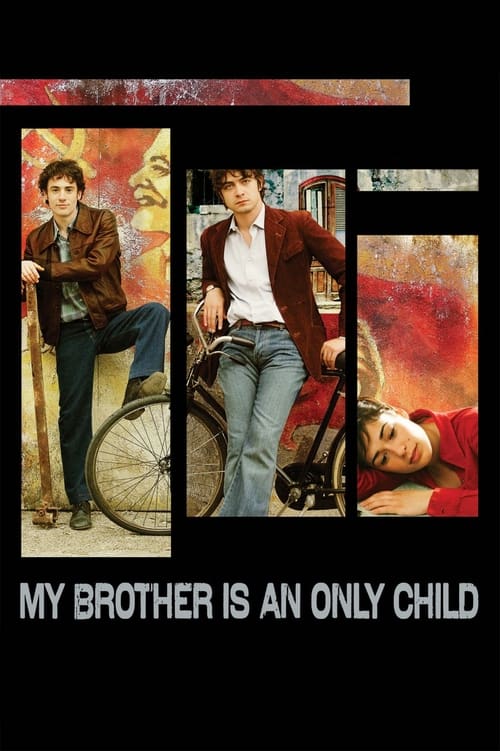
Accio and Manrico are siblings from a working-class family in 1960s Italy: older Manrico is handsome, charismatic, and loved by all, while younger Accio is sulky, hot-headed, and treats life as a battleground — much to his parents' chagrin. After the former is drawn into left-wing politics, Accio joins the fascists out of spite, but his flimsy beliefs are put to test when he falls for Manrico's like-minded girlfriend.
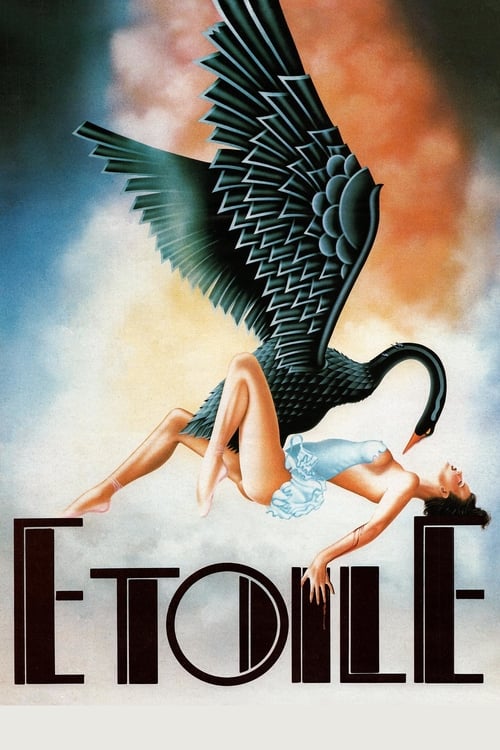
An American ballerina arrives in Hungary to enroll in a ballet school and it soon becomes apparent that things are not what they seem.
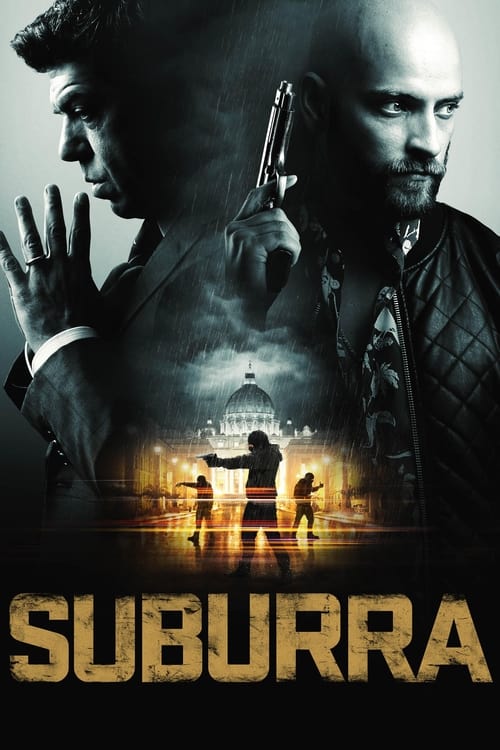
A gangster known as "Samurai" wants to turn the waterfront of Rome into a new Las Vegas. All the local mob bosses have agreed to work for this common goal. But peace is not to last long.
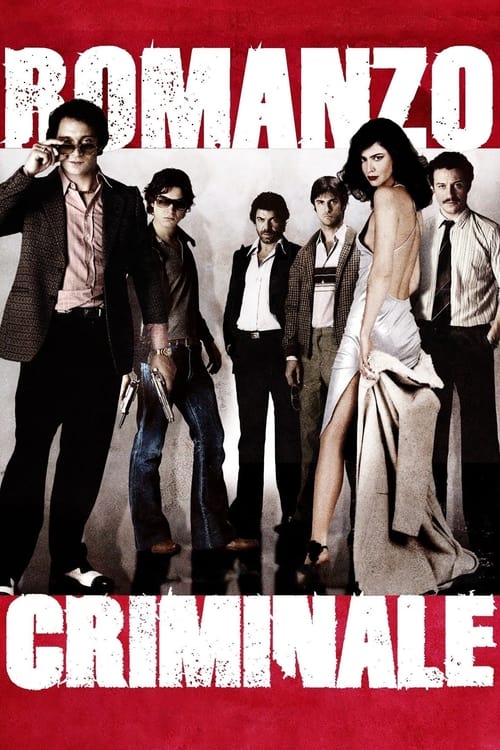
After serving prison time for a juvenile offense, Freddo gathers his old buddies Libano and Dandi and embarks on a crime spree that makes the trio the most powerful gangsters in Rome. Libano loves their new status, and seeks to spread their influence throughout the underworld, while the other two pursue more fleshly desires. For decades, their gang perpetrates extravagant crimes, until paranoia threatens to split the friends apart.
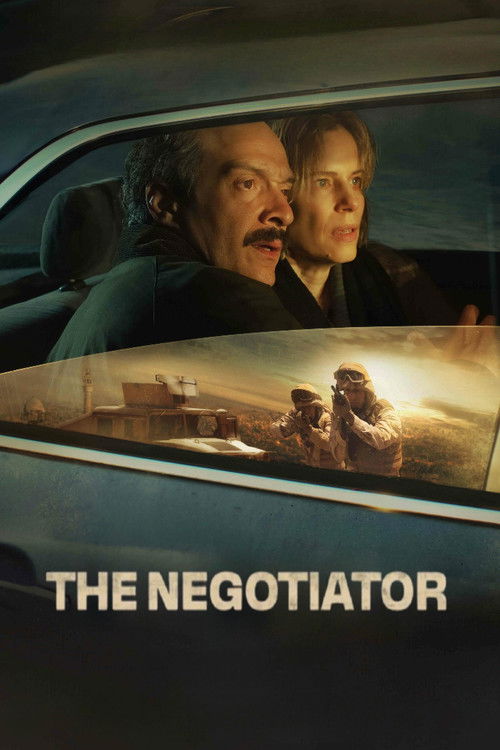
Baghdad, 2005. After Italian journalist Giuliana Sgrena is kidnapped by insurgents, veteran SISMI negotiator Nicola Calipari is tasked with rescuing her, but interference from US forces in Iraq compromises his mission.
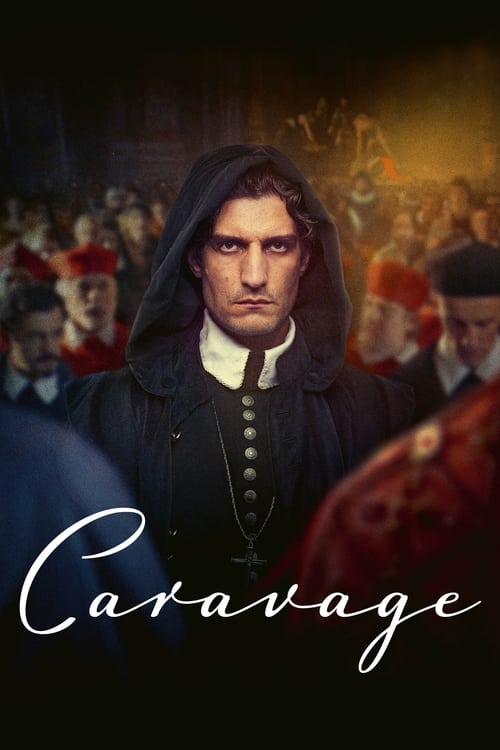
The Catholic Church secretly investigates Caravaggio as the Pope weighs whether to grant him clemency for killing a rival.
A critique of cineastes and cinephiles, including a once famous actress reduced to poverty and a man who fails miserably at running a film society with no money.
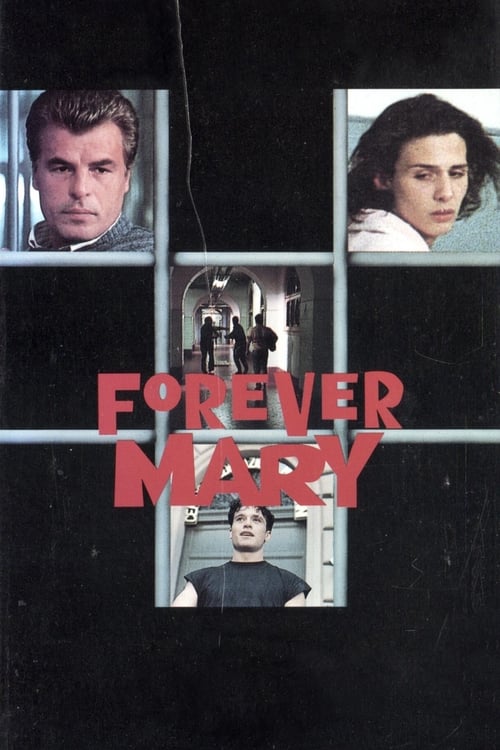
Marco, a teacher from Milan, relocates to Palermo and takes a temporary job teaching in a juvenile detention centre while he waits for a high school teaching position. He tries to understand and motivate his handful of students, encouraging them to stand up for their rights, finding out about their histories: Natale, in for murder and enamored with the Mafia; Pietro, who can't seem to stay out of jail; Claudio, barely 14 and learning to stand up for himself; and Mery, a trans sex worker, who was arrested after a fight with a trick who didn't want to pay her, and is now stuck in a male prison.
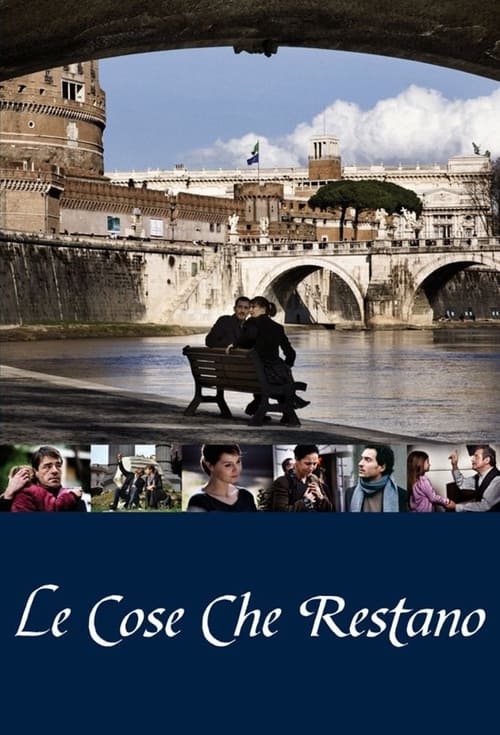
After the death of its youngest son, the lives of a Roman family take separate paths.
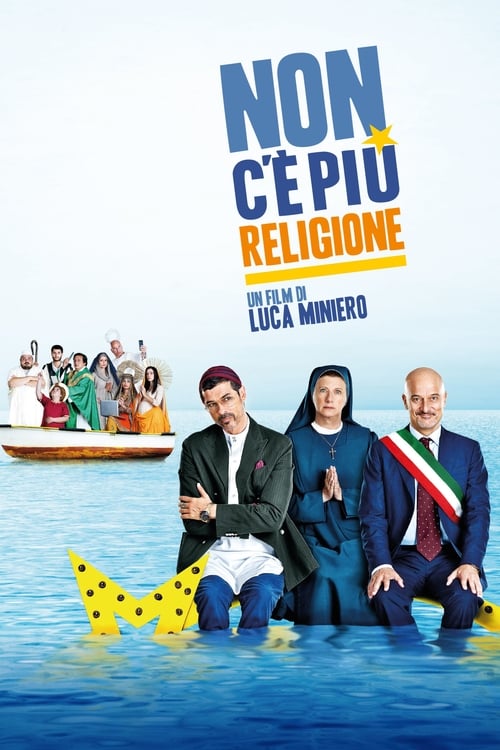
Set on the small island of Porto Buio, the traditional live Christmas Nativity scene might not go ahead because the baby who’s always played Jesus has grown up and no new babies have been born on the island in years! With this fundamental tradition on the line, newly elected Mayor Cecco (Claudio Bisio) wants to ask the local Tunisian community to “borrow” one of their children, but there’s conflict between the two communities. Cecco enlists the help of local Islam convert Bilal (Alessandro Gassman) to cross the cultural divide… but both communities are not sure what to make of a baby Jesus that may need his nationality, and even his religion changed!
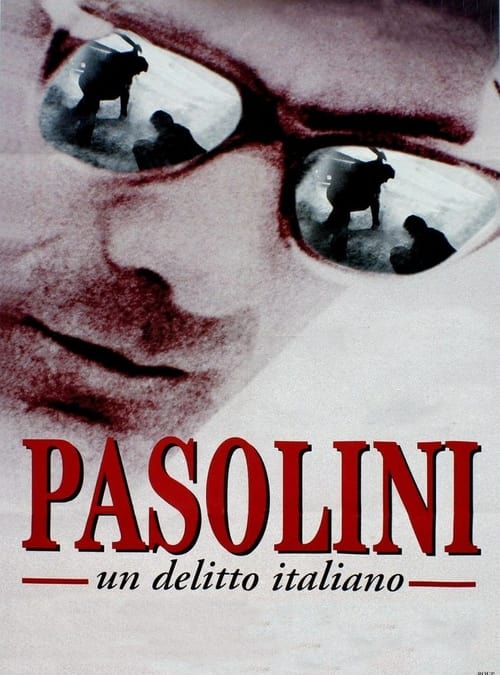
November 2, 1975: Pier Paolo Pasolini is murdered in the outskirts of Rome. The suspect, a 17-year-old hustler, pleads to have acted in self-defense, citing Pasolini's notorious sexual habits as proof. However, many inconsistencies start to undermine his version, pointing to him not having acted alone or even being assaulted in the first place. Was Pasolini also killed for another reason?
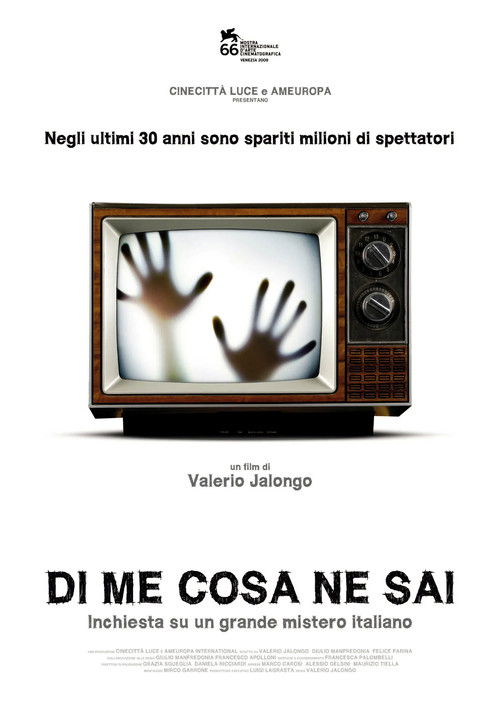
Until the 1970s, Italian cinema dominated the international scene, even competing with Hollywood. Then, in just a few years, came its rapid decline, the flight of our greatest producers, a crisis among the best writer-directors, the collapse of production. But what are the true causes and circumstances of this decline? In an attempt to provide an answer to this question, Di Me Cosa Ne Sai strives to depict this great cultural change. Begun as a loving examination of Italian cinema, the film transformed into a docu-drama that alternates between interviews with the great names of the past and fragments of cultural and political life of the last 30 years. It is a travel diary that shows Italy from north to south, through movie theatres; television-addicted kids; Berlusconi and Fellini; shopping centers; TV news editors; stories of impassioned film exhibitors and directors who fight for their films; and interviews with itinerant projectionists and great European directors.
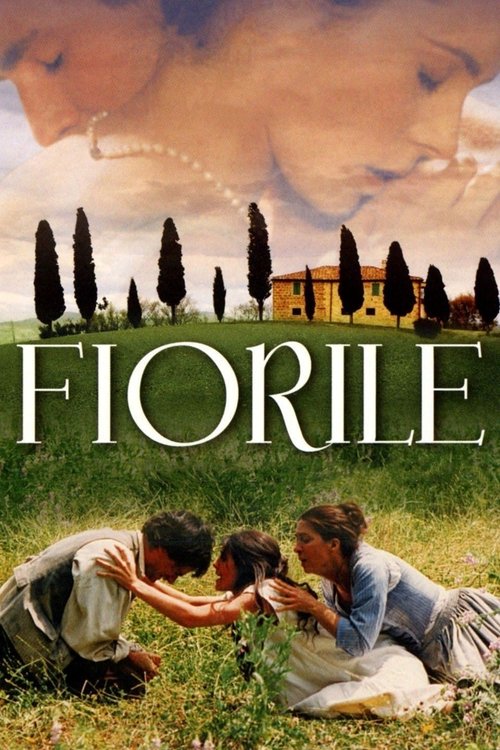
The Benedetti family's wealth comes from gold stolen from the French army during the 18th century. When Jean (Michael Vartan), the lieutenant guarding the coins -- and lover of Elisabette Benedetti (Galatea Ranzi) -- is executed for a crime he did not commit, Elisabette curses the family. Bad luck travels from generation to generation. As the latest Benedettis tell their children about their eccentric grandfather, the children worry that the family curse will be passed on.
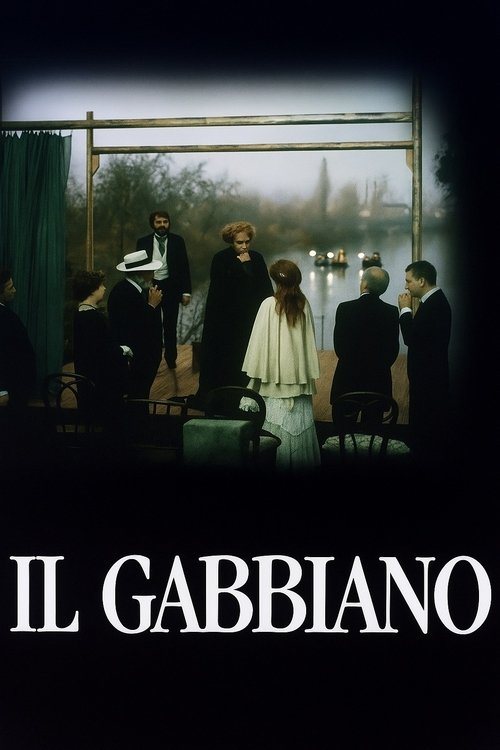
A young writer is trapped between his awful actress mother and the knowledge that he has only a mediocre talent as a playwright and almost no force of character.
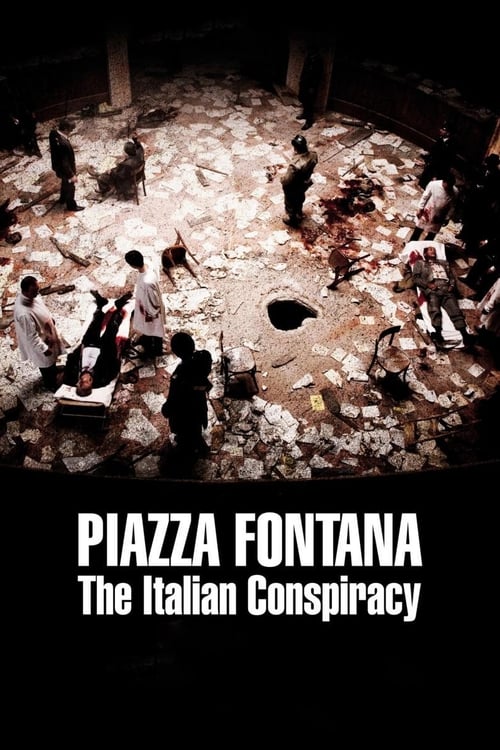
On December 12, 1969, a bomb kills 17 people at the Piazza Fontana national bank in Milan, Italy, marking the beginning of the Years of Lead. Local anarchists are scapegoated for the massacre by police and the media, but a lone prosecutor uncovers a conspiracy of far-right groups, corrupt secret services, and other interests that seek to undermine democracy.