Katinka Faragó
Production
Biography
Katinka Faragó is a Swedish script supervisor, production manager and producer. She was born in Vienna, Austria in 1936 to Hungarian refugees. Her family moved to Sweden in 1940.
Known For

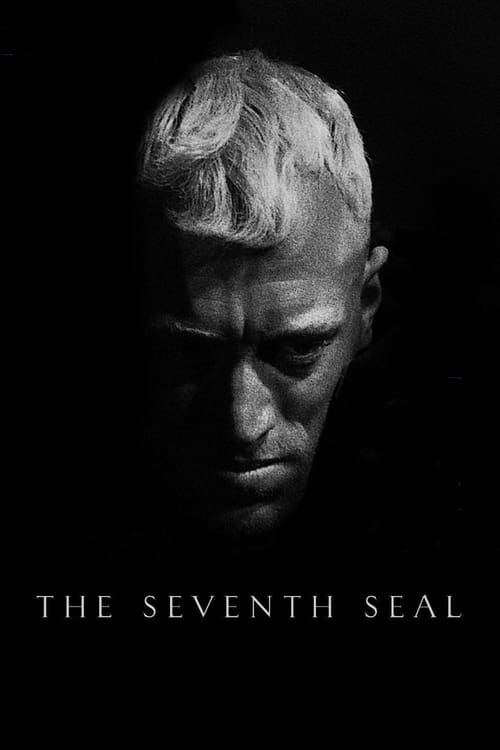
When disillusioned Swedish knight Antonius Block returns home from the Crusades to find his country in the grips of the Black Death, he challenges Death to a chess match for his life. Tormented by the belief that God does not exist, Block sets off on a journey, meeting up with traveling players Jof and his wife, Mia, and becoming determined to evade Death long enough to commit one redemptive act while he still lives.
The Seventh Seal

The Guldbagge Awards is an official and annual Swedish film awards ceremony honoring achievements in the Swedish film industry. Winners are awarded a statuette depicting a rose chafer, better known by the name Guldbaggen. The awards, first presented in 1964 at the Grand Hôtel in Stockholm, are overseen by the Swedish Film Institute. It is described as the Swedish equivalent of the Academy Awards. The awards ceremony was first televised in 1981.
The Guldbagge Awards

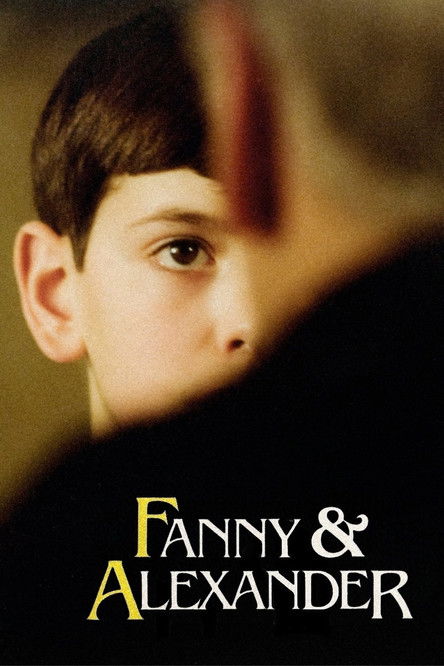
Through the eyes of ten-year-old Alexander, we witness the delights and conflicts of the Ekdahl family, a sprawling bourgeois clan in turn-of-the-twentieth-century Sweden.
Fanny and Alexander

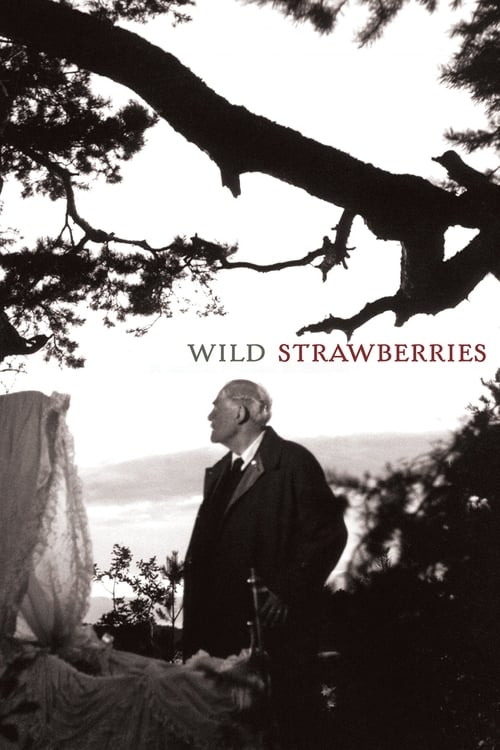
Crotchety retired doctor Isak Borg travels from Stockholm to Lund, Sweden, with his pregnant and unhappy daughter-in-law, Marianne, in order to receive an honorary degree from his alma mater. Along the way, they encounter a series of hitchhikers, each of whom causes the elderly doctor to muse upon the pleasures and failures of his own life. These include the vivacious young Sara, a dead ringer for the doctor's own first love.
Wild Strawberries

A psychiatrist temporarily separated from her family begins to experience severe psychological distress while working at a mental hospital and returning to her childhood home. As her professional responsibilities and personal relationships intersect, she undergoes a breakdown that forces her to confront long-suppressed memories and fears. (Note: This entry refers to the 1976 four-part Swedish television miniseries. A condensed theatrical feature edited from the same material was released separately in 1976.)
Face to Face

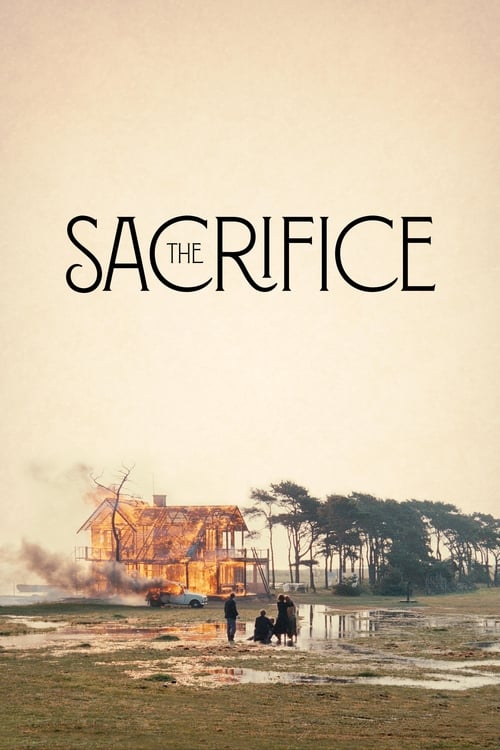
Alexander, a journalist, philosopher and retired actor, celebrates a birthday with friends and family when it is announced that nuclear war has begun.
The Sacrifice

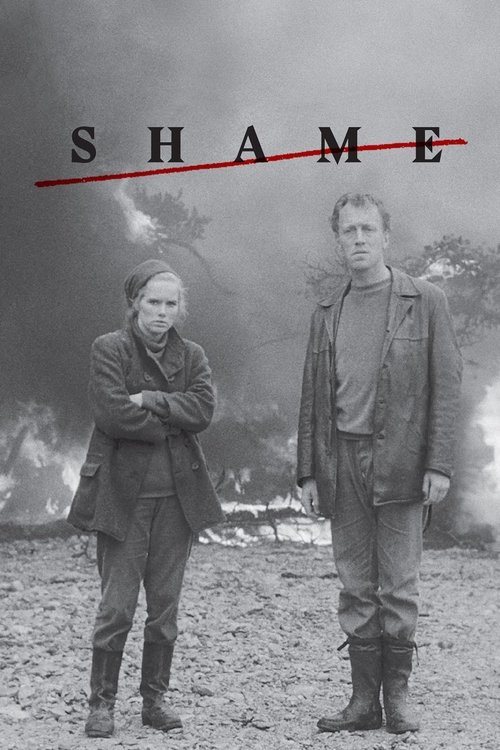
In the midst of a civil war, a pair of former violinists in a tempestuous marriage oversee a farm on a rural island. In spite of their best efforts to escape their homeland, the war impinges on every aspect of their lives.
Shame

A recently divorced man and an emotionally devastated widow begin a love affair.
The Passion of Anna

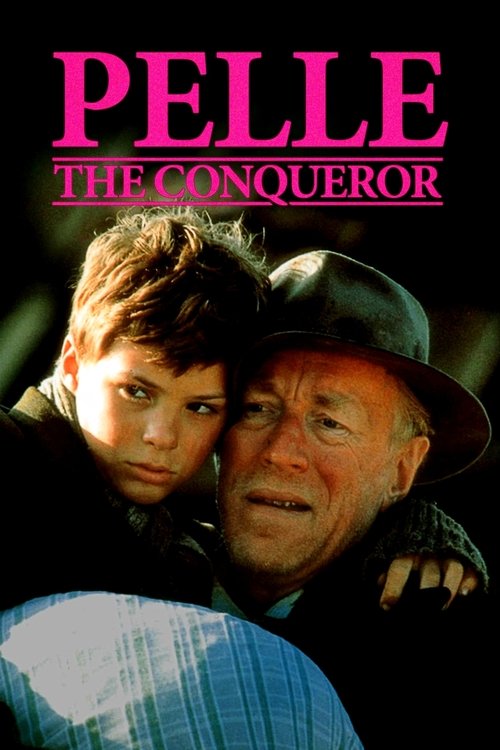
In the late 19th century, two Swedish emigrants, Lasse Karlsson and his son Pelle, arrive on the Danish island of Bornholm hoping to find work on a farm and save enough money to travel to the United States of America.
Pelle the Conqueror

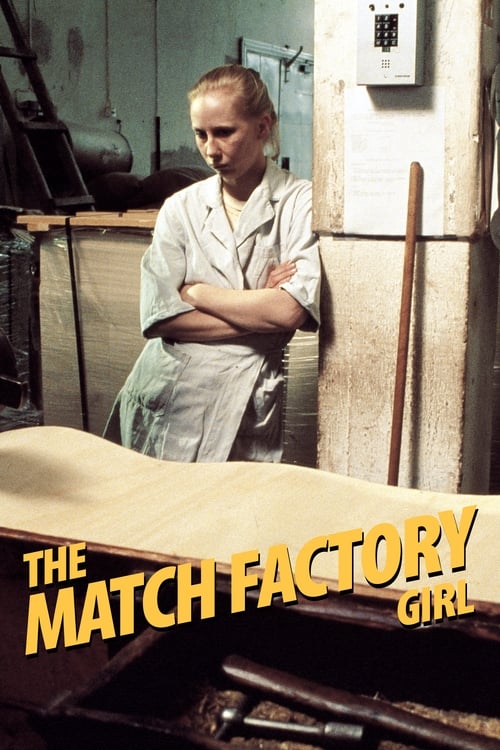
Iris is a shy and dowdy young woman stuck in a dead-end job at a match factory, who dreams of finding love at the local dancehall. Finding herself pregnant after a one-night stand and abandoned by the father, Iris finally decides the time has come to get even and she begins to plot her revenge.
The Match Factory Girl

The year 1957 was one of the most prolific for the Swedish filmmaker Ingmar Bergman: he shot two films, released two of his most celebrated films and produced four plays and a TV movie while juggling with a complicated private life.
Bergman: A Year in a Life

Based on August Strindberg’s autobiographical novel about his marriage to Siri von Essen. She was married when she met him, but abandoned her husband, became Strindberg’s mistress and later his wife.
Confessions of a Fool

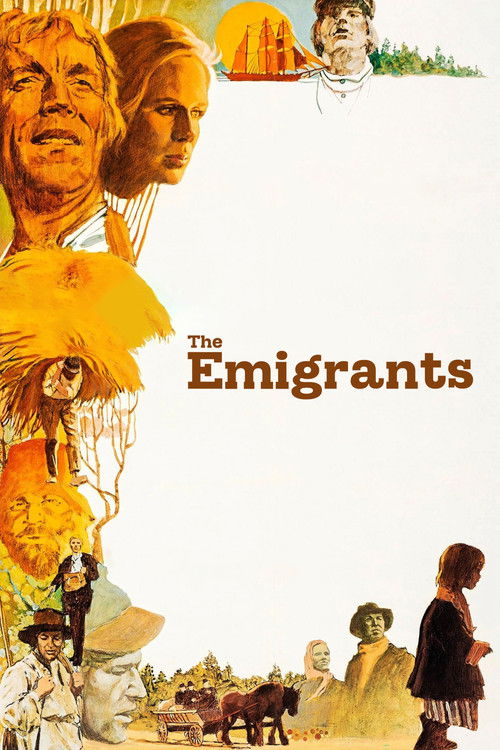
Karl and Kristina Nilsson work on a farm in a cold and desolate area of 19th century rural Sweden. Growing privations, combined with increasing social and religious persecution, motivate the Nilssons and many of their neighbors to strike out for the United States. Following a treacherous ocean crossing and an equally grueling land passage, the emigrants find themselves in seemingly idyllic Minnesota.
The Emigrants

A psychiatrist temporarily separated from her family begins to experience severe psychological distress while working at a mental hospital and returning to her childhood home. As her professional responsibilities and personal relationships intersect, she undergoes a breakdown that forces her to confront long-suppressed memories and fears. (Note: This entry refers to the 1976 theatrical feature film (approximately 135 minutes), created by condensing and re-editing the four-part Swedish television miniseries originally produced the same year.)
Face to Face

Karl and Kristina Nilsson work on a farm in a cold and desolate area of 19th century rural Sweden. Growing privations, combined with increasing social and religious persecution, motivate the Nilssons and many of their neighbors to strike out for the United States. Following a treacherous ocean crossing and an equally grueling land passage, the emigrants find themselves in seemingly idyllic Minnesota.
The Emigrants

A traveling magician and his troupe arrive in a Swedish town in the 1840s, where their act is scrutinized by local authorities and a skeptical medical official. Their stay leads to a series of confrontations that test the boundaries between performance, belief, and deception.
The Magician

A small picturesque town at the turn of the century. The conservative views of the townspeople are shaken when they find out that the school teacher Franzén published his own poetry anonymously many years ago. At the same time he acknowledges his love affair with a waitress at the city hotel, Fanny. What is most upsetting is the fact that Fanny has a grownup daughter, Anna, with no known father. Could their poet teacher be the father although he and Fanny are not married?
The Pleasure Garden

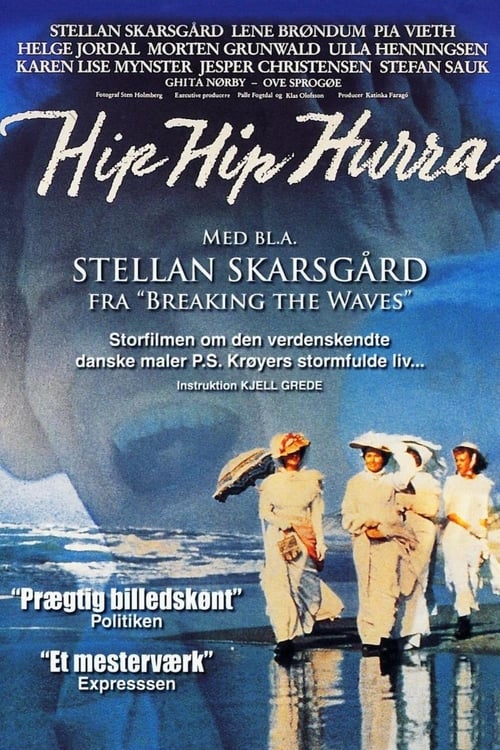
The life and times of the Scandinavian artists' colony who lived in Skagen on the Danish coast during the 1890s. Not so much a biographical account, rather a portrait of a way of life. The painters became famous for the way they used the light in their work, and this has also been mirrored in the cinematography.
Hip Hip Hurrah!

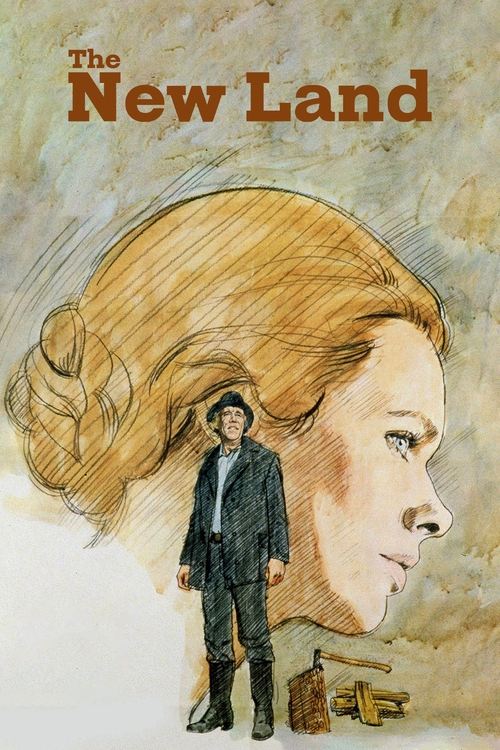
A Swedish immigrant family struggles to adapt to their new life on the American frontier during the second half of the 19th century amidst civil war, native uprising and the lure of gold in California.
The New Land

As three pregnant women wait to have their babies in a hospital in Stockholm at the outbreak of the Great War, they relive their childhood and youthful experiences.