Directing
No description available.
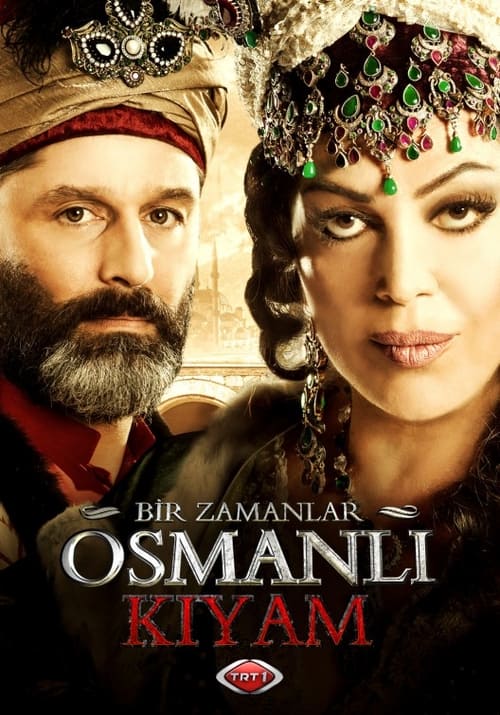
Bir Zamanlar Osmanlı: Kıyam is a Turkish historical television series about Assassins, Tulip period and Patrona Halil rebellion in 18th-century Ottoman Empire. It was originally broadcast on Turkey's state television TRT.
A young and Idealist journalist Ozan loses his life in an unfortunate traffic accident. But not everything is finished for him just yet. He gets a second chance in life. He’ll come back to life and find answers to the question marks he left behind his mysterious death. But he will not be in his own body. When Ozan uses his chance to come back to life, he’ll find himself in Kadir’s body. Meanwhile Ozan’s girlfriend Elif who is also a journalist will already be after the people who took Ozan’s life. The two lovers who have crossed paths again will have a stranger’s body between them. Kadir. In Kadir’s body, Ozan, tries to unveil the mystery of his death together with Elif. Not only does he suffer facing the woman he loves in a different body, but also encounters with Kadir’s past. Not just adapting to a new body, adapting to a whole new life will not come easy for Ozan.
Mahsun Supertitiz is an unemployed homeless man who steals cars at night so that he can sleep in a heated place during the winter. Mahsun lives in Rumelihisar, an old section of Istanbul, and makes ends meet by getting the local fishermen to help him. Mahsun loves the cars he robs, cleans and polishes them, and drives them through the streets of Rumelihisar during the daytime.
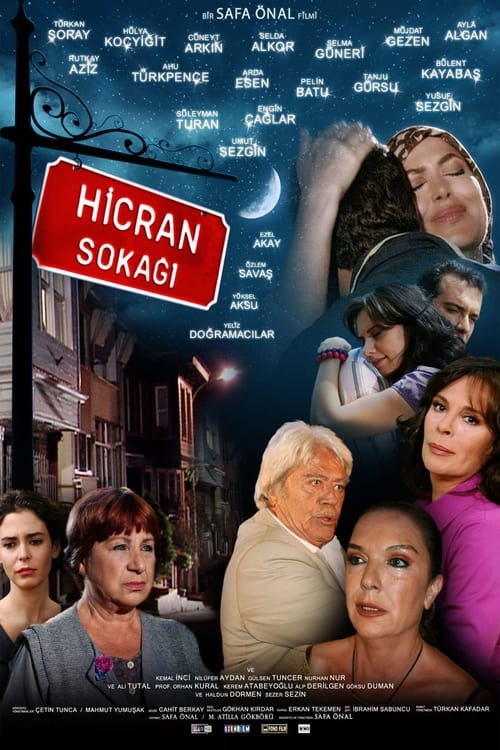
A neighborhood story with loves and fights.
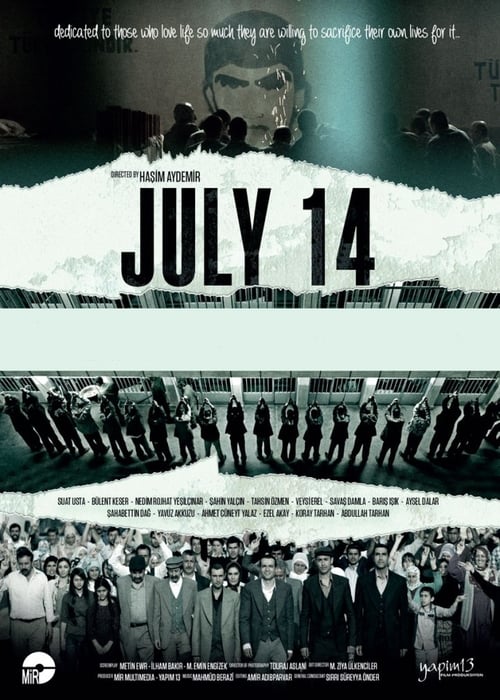
Turkey, after the 1980 military coup. In the notorious Diyarbakır prison, the prisoners decide to resist the torture. 14 July 1982 is the day when the biggest resistance starts.
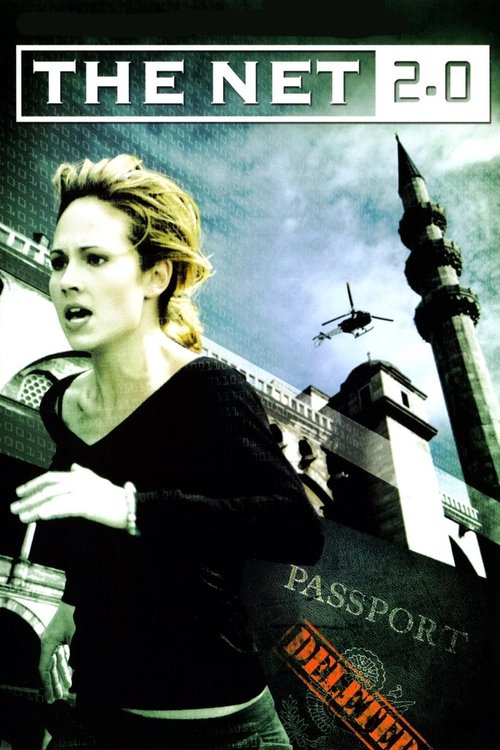
The life of a young computer systems analyst is thrown into turmoil after arriving in Istanbul to start a new job. She soon finds her passport missing, her credit cards useless, her bank account empty and her identity stolen. As the story progresses we find people and events may not be what they seem.
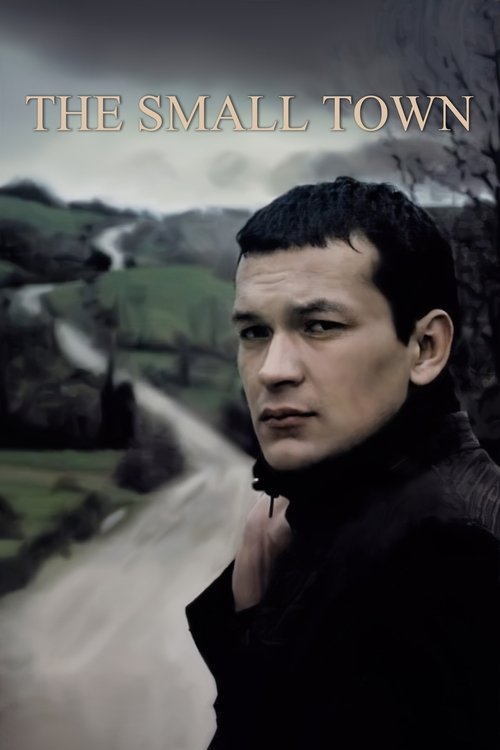
A story in four parts is told from the perspective of two children, showing life in school, in nature, with family and at home. All of this unfolding along with the seasons. The Small Town depicts life in the village, while also portraying the relationships between members of a small-town family, in a long centerpiece scene around a campfire with family members talking about the past, life and its disappointments. Both brother and sister witness the complexities and darkness of the adult world, as well as the mysteries of nature and wildlife.
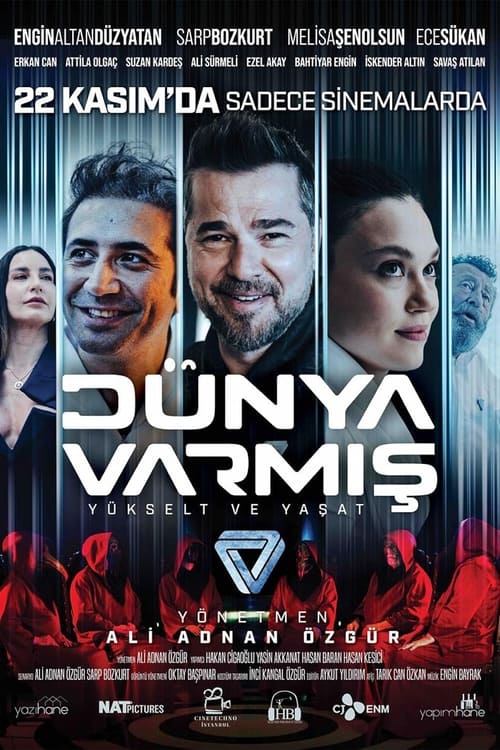
A secret organization called the "Ancients" builds a futuristic hotel-style shelter to protect 100 chosen individuals from a deadly viral epidemic that will destroy the world. Taxi driver Noah, who stumbles upon this hotel-like shelter, finds himself in an unexpected situation.
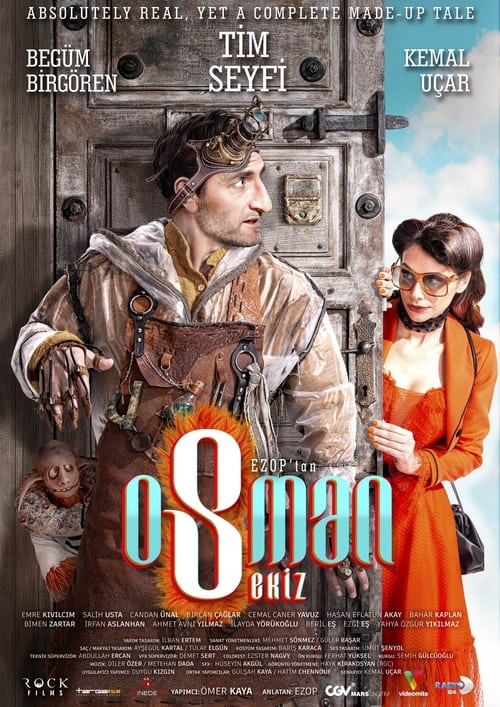
Osman suffers from agoraphobia. Osman, who lives in an old mansion far from the city, avoids meeting people. Osman, who wants a more peaceful life, decides to leave the mansion. However, in order for him to move from the mansion, he must first fight with the five cute monsters and Nazli that he lives with in the mansion.
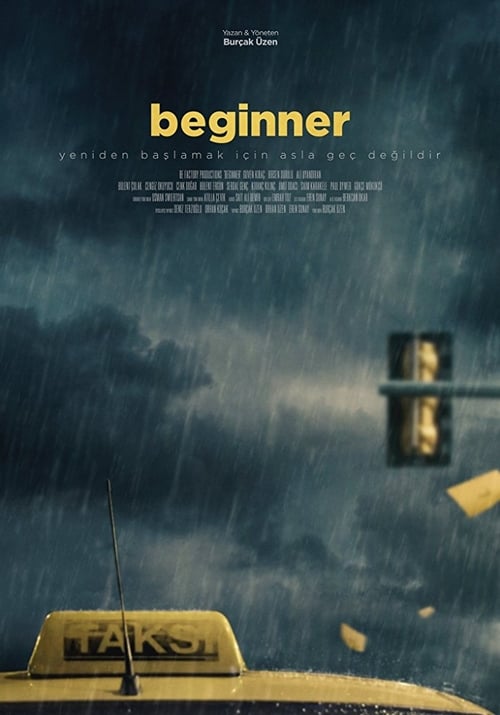
Retired taxi driver Faruk is still working into his 60s. Having lost his wife ten years earlier, he leads a monotonous life. His only wish is to learn English, for which he is sometimes ridiculed and sometimes appreciated. His life will change a lot as he meets people throughout that difficult process, as learning a new language brings new experiences.
Despite being old and neglected, Emine, the elderly maid of an expensive antique mansion, is mistaken for the owner of the mansion and murdered. The suspects are the two families who are the heirs. The murderer will be found through a letter sent to these two families.
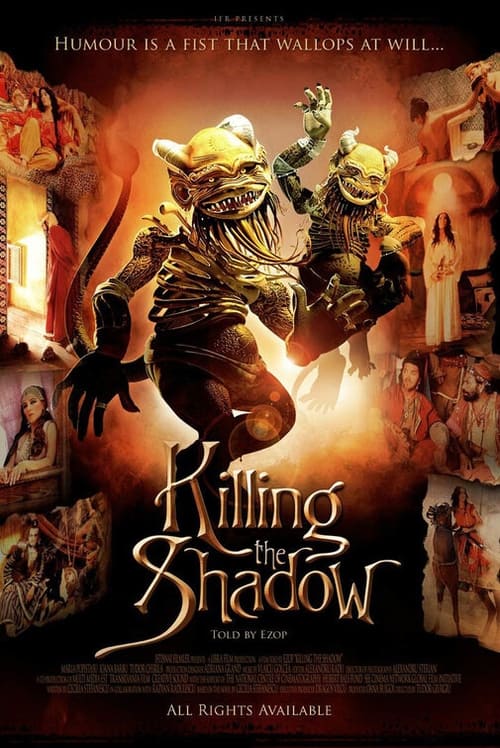
Killing The Shadows is a bawdy comic fable set in the Ottoman Empire during the mid-14th century based on two legendary figures in Turkish folkore, the jester Hacivat (Beyazit Ozturk) and the nomad Karagoz (Haluk Bilginer), men who apparently lived and died by their sense of humour.