FEEL IT.STREAM
Vangelis

Vangelis

Sound

Biography

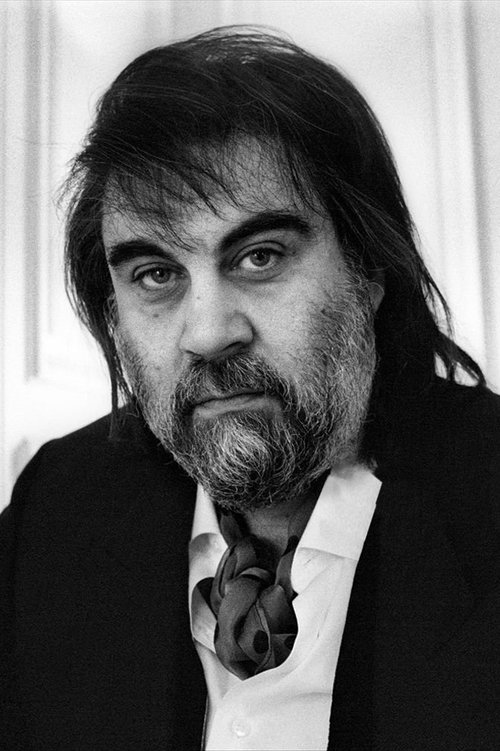
Evangelos Odysseas Papathanassiou (Greek: Ευάγγελος Οδυσσέας Παπαθανασίου, pronounced [eˈvaɲɟelos oðiˈseas papaθanaˈsi.u]; 29 March 1943 – 17 May 2022), known professionally as Vangelis (/væŋˈɡɛlɪs/ vang-GHEL-iss; Greek: Βαγγέλης, pronounced [vaɲˈɟelis]), was a Greek musician, composer, and producer of electronic, progressive, ambient, and classical orchestral music. He composed the Academy Award-winning score to Chariots of Fire (1981), as well as scores for the films Blade Runner (1982), Missing (1982), Antarctica (1983), The Bounty (1984), 1492: Conquest of Paradise (1992), and Alexander (2004), and the 1980 PBS documentary series Cosmos: A Personal Voyage by Carl Sagan. Born in Agria and raised in Athens, Vangelis began his career in the 1960s as a member of the rock bands the Forminx and Aphrodite's Child; the latter's album 666 (1972) is recognised as a progressive-psychedelic rock classic. Vangelis settled in Paris and gained initial recognition for his scores to the Frédéric Rossif animal documentaries L'Apocalypse des Animaux, La Fête sauvage, and Opéra sauvage. He released his first solo albums during this time and performed as a solo artist. In 1975, Vangelis relocated to London, where he built his home recording facility named Nemo Studios and released a series of successful and influential albums for RCA Records, including Heaven and Hell (1975), Albedo 0.39 (1976), Spiral (1977), and China (1979). From 1979 to 1986, Vangelis performed in a duo with Yes vocalist Jon Anderson, releasing several albums as Jon and Vangelis. He collaborated with Irene Papas on two albums of Greek traditional and religious songs. Vangelis reached his commercial peak in the 1980s and 1990s. His score for Chariots of Fire (1981) won him an Academy Award for Best Original Score and the film's main theme, "Chariots of Fire – Titles,” went to number one on the U.S. Billboard Hot 100 chart, while his score for 1492: Conquest of Paradise (1992) was nominated for a Golden Globe Award for Best Original Score, and the film's soundtrack and main theme topped the European charts, selling millions of copies. His compilation albums Themes (1989), Portraits (So Long Ago, So Clear) (1996), and studio album Voices (1995) sold well. Vangelis composed the official anthem of the 2002 FIFA World Cup held in Korea and Japan. In his last 20 years, Vangelis collaborated with NASA and ESA on music projects Mythodea (1993), Rosetta (2016), and Juno to Jupiter (2021), his 23rd and final studio album. He died on 17 May 2022, at age 79, of heart failure at a hospital in Paris. Having had a career in music spanning over 50 years, and having composed and performed more than 50 albums, Vangelis is one of the most important figures in the history of electronic music and modern film music. He used many electronic instruments in the fashion of a "one-man quasi-classical orchestra," composing and performing on the first take. Description above from the Wikipedia article Vangelis, licensed under CC-BY-SA, full list of contributors on Wikipedia.
Known For

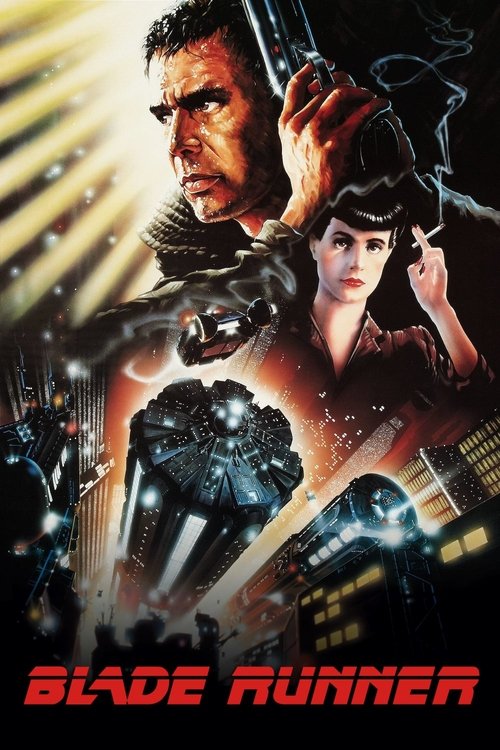
Blade Runner
7.9

In the smog-choked dystopian Los Angeles of 2019, blade runner Rick Deckard is called out of retirement to terminate a quartet of replicants who have escaped to Earth seeking their creator for a way to extend their short life spans.

Blade Runner

1982
Discorama
8.0

No description available.

Discorama

1959
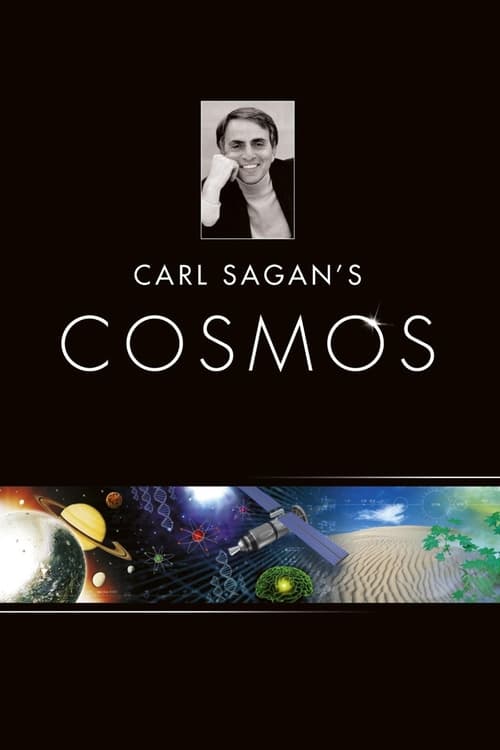
Cosmos: A Personal Voyage
8.6

Carl Sagan covers a wide range of scientific subjects, including the origin of life and a perspective of our place in the universe.

Cosmos: A Personal Voyage

1980
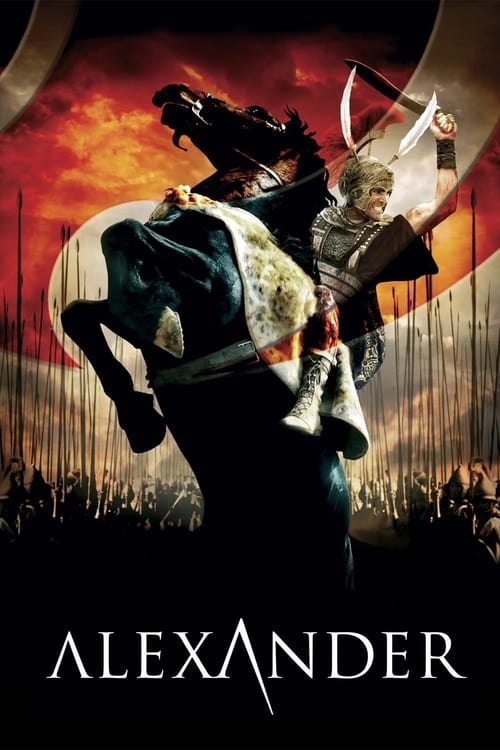
Alexander
6.0

Alexander, the King of Macedonia, leads his legions against the giant Persian Empire. After defeating the Persians, he leads his army across the then known world, venturing farther than any westerner had ever gone, all the way to India.

Alexander

2004
Bitter Moon
7.1

A passenger on a cruise ship develops an irresistible infatuation with an eccentric paraplegic's wife.

Bitter Moon

1992
No image
N/A

No description available.

ECHO-Verleihung

1992
No image
N/A

No description available.

4-3-2-1 Hot and Sweet

1966
Chariots of Fire
6.8

In the class-obsessed and religiously divided UK of the early 1920s, two determined young runners train for the 1924 Paris Olympics. Eric Liddell, a devout Christian born to Scottish missionaries in China, sees running as part of his worship of God's glory and refuses to train or compete on the Sabbath. Harold Abrahams overcomes anti-Semitism and class bias, but neglects his beloved sweetheart in his single-minded quest.

Chariots of Fire

1981
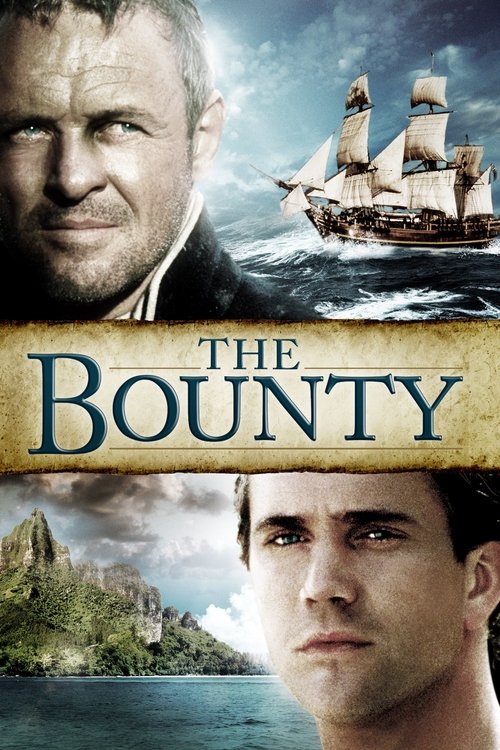
The Bounty
6.7

An idyllic voyage to Tahiti in 1789 turns a crew aboard the H.M.S. Bounty against its captain when they find a tropical paradise.

The Bounty

1984
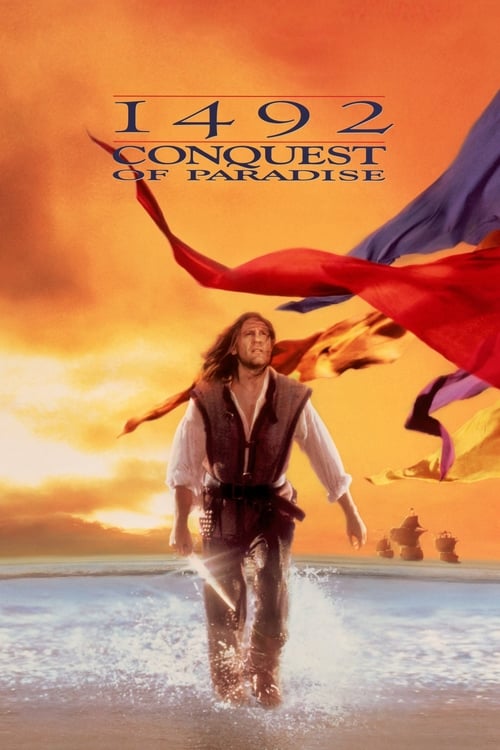
1492: Conquest of Paradise
6.3

1492: Conquest of Paradise depicts Christopher Columbus’ discovery of The New World and his effect on the indigenous people.

1492: Conquest of Paradise

1992
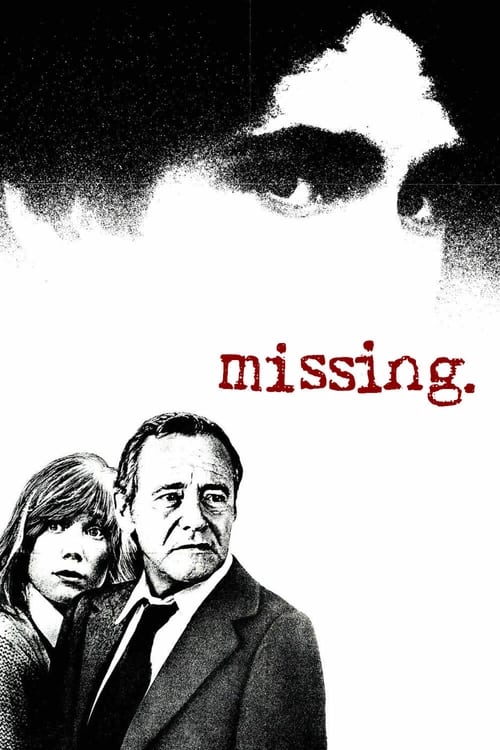
Missing
7.2

Based on the real-life experiences of Ed Horman. A conservative American businessman travels to Chile to investigate the sudden disappearance of his son after a military takeover. Accompanied by his son's wife he uncovers a trail of cover-ups that implicate the US State department which supports the dictatorship.

Missing

1982
Sound of Cinema: The Music That Made the Movies
7.5

Series celebrating the art of the cinema soundtrack, as Neil Brand explores the work of the great movie composers and demonstrates their techniques.

Sound of Cinema: The Music That Made the Movies

2013
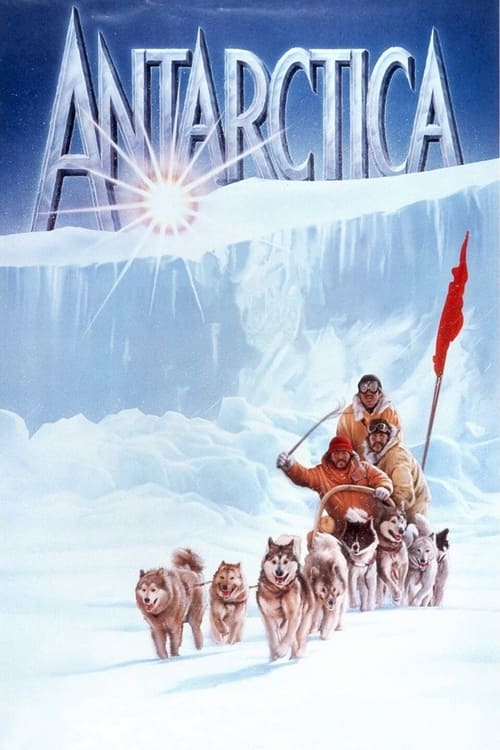
Antarctica
7.2

Two Japanese scientists, Ushioda and Ochi, develop a bond with their sled dogs while on an expedition in Antarctica.

Antarctica

1983
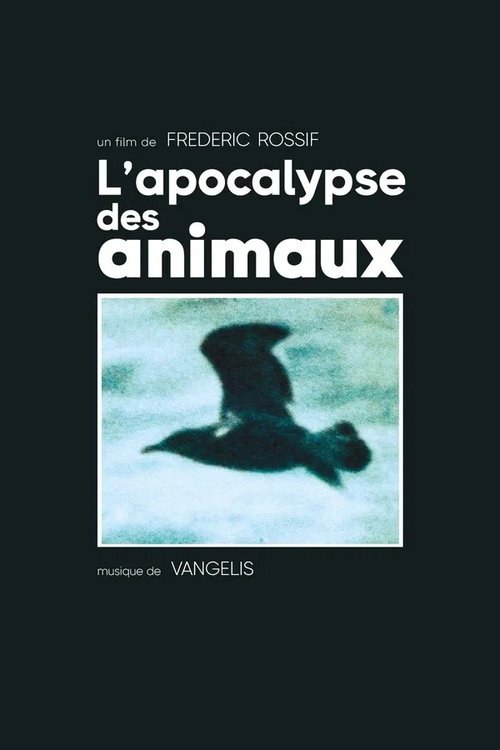
The Apocalypse of the Animals
N/A

L'Apocalypse des animaux is a six-part documentary series by Frédéric Rossif, broadcast in France in the early 1970s. It marks the first collaboration between filmmaker Frédéric Rossif and Greek composer-musician Vangelis.

The Apocalypse of the Animals

1973
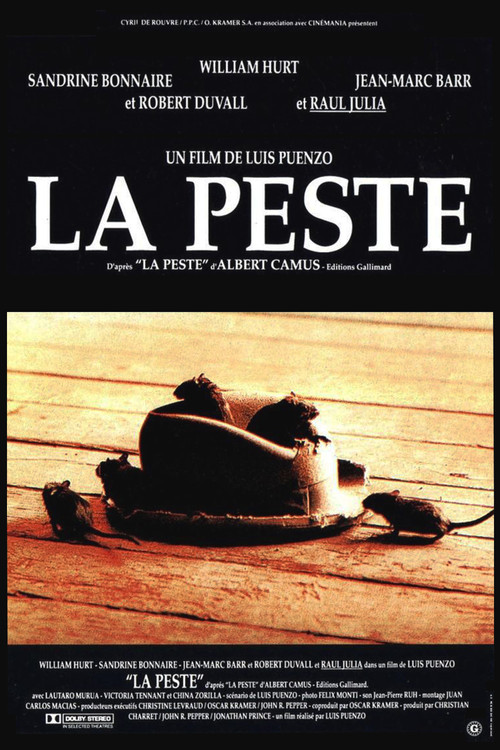
The Plague
5.8

In a city in South America an outbreak of bubonic plague occurs. While people try to flee and the military close the city, an idealistic doctor decides to stay and help the sick. In the ever-changing circumstances, he puts up a brave fight, being helped by others but also involving them without being able to control the situation.

The Plague

1992
El Greco
6.1

The story of the uncompromising artist and fighter for freedom, Domenicos Theotokopoulos, known to the world as "El Greco".

El Greco

2007
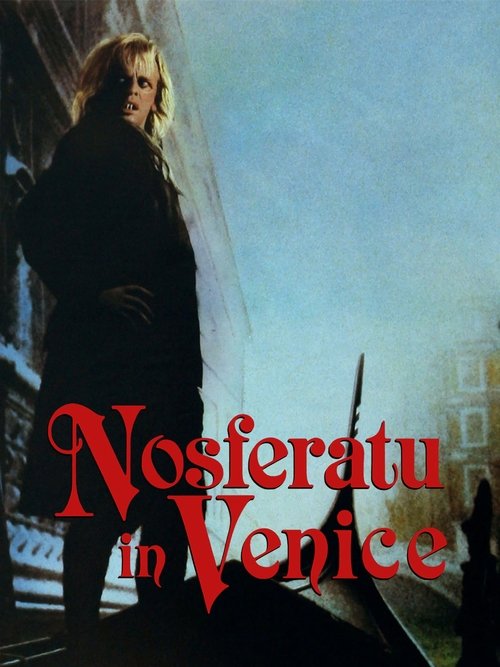
Nosferatu in Venice
5.9

Professor Paris Catalano visits Venice, to investigate the last known appearance of the famous vampire Nosferatu during the carnival of 1786.

Nosferatu in Venice

1988
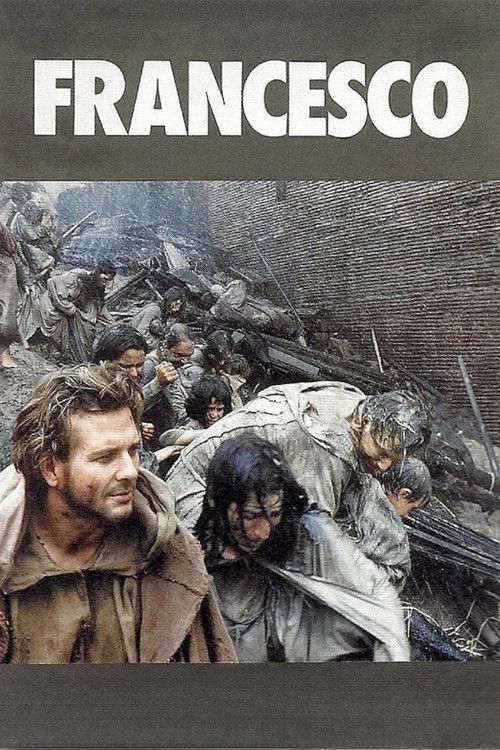
Francesco
6.6

The life of St. Francis of Assisi (1181-1226) as related by followers who gather after his death to tell stories so that Leone can record them: a privileged and virile youth, a prisoner of war, an heir who turns away from his father and gives all to the poor, a beggar for others, and an inspiration to friends who accept the Gospels' life of poverty.

Francesco

1989
Sex-Power
4.9

A young Frenchman arrives in Northern California looking to forget a lost love and ends up encountering various forms of feminine power.

Sex-Power

1970
Nuclear Now
7.1

With unprecedented access to the nuclear industry in France, Russia, and the United States, Nuclear Now explores the possibility for the global community to overcome the challenges of climate change and energy poverty to reach a brighter future through the power of nuclear energy. Beneath our feet, Uranium atoms in the Earth’s crust hold incredibly concentrated energy. Science unlocked this energy in the mid-20th century, first for bombs and then to power submarines. The United States led the effort to generate electricity from this new source. Yet in the mid-20th century as societies began the transition to nuclear power and away from fossil fuels, a long-term PR campaign to scare the public began, funded in part by coal and oil interests.

Nuclear Now

2023