Writing
A darkly brilliant stop-motion adaptation of The Pied Piper of Hamelin about a plague of rats that punish townsfolk corrupt with greed. One of the most ambitious Czech animation projects of the 1980s, notable for its unusual dark art direction, innovative animation techniques and use of a fictitious language.
No description available.
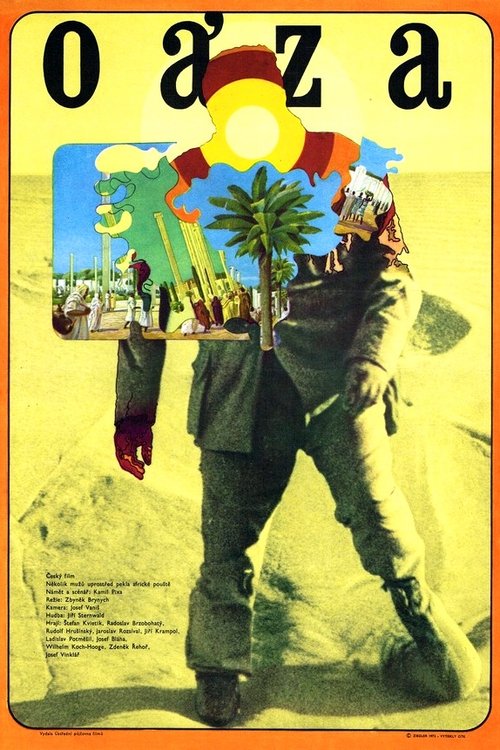
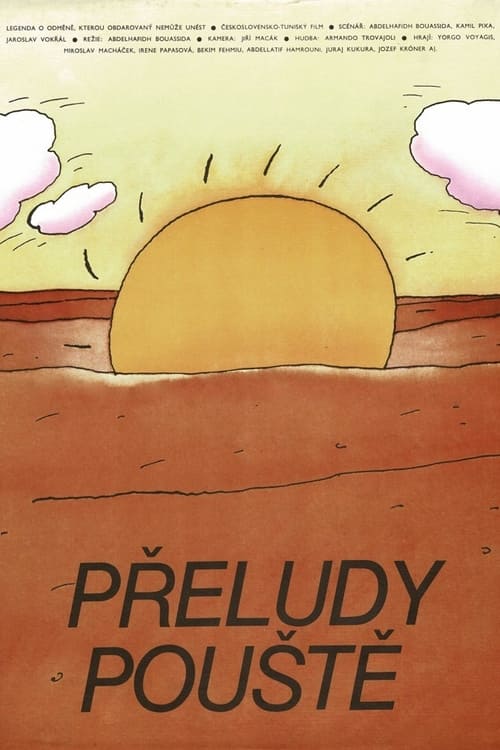
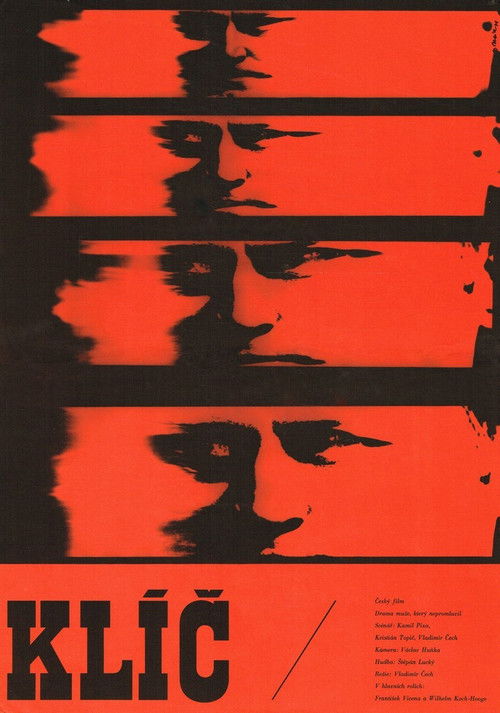
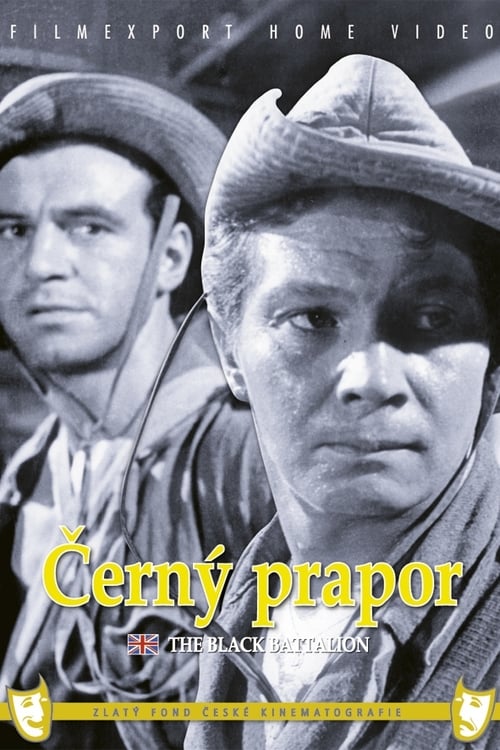
The year is 1943. The war is raging between the Germans and the Allies in North Africa. A truck with a Czech crew, Lieutenant Navara and six soldiers, escapes from the Foreign Legion fortress. Their aim is to reach the Allies and fight against Nazism. The truck is destroyed by a German army plane, which is hit by enemy fire in its turn. One Czech soldier dies in the attack, the driver is badly wounded, and Navara has serious burns on his face. The group has very little water and must reach an oasis that is 60 km away.
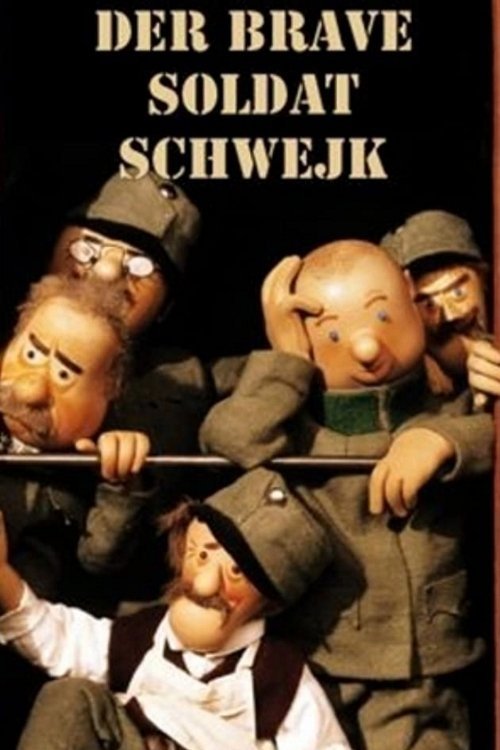
Látal's nine-part puppet series completes Trnka's thirty-year-old work on Švejk. He thus completed the adaptation of Jaroslav Hašek's most famous literary work, a tragicomic satire about the wartime adventures of the eccentric Josef Švejk, in a puppet version based on Lada's artistic style.
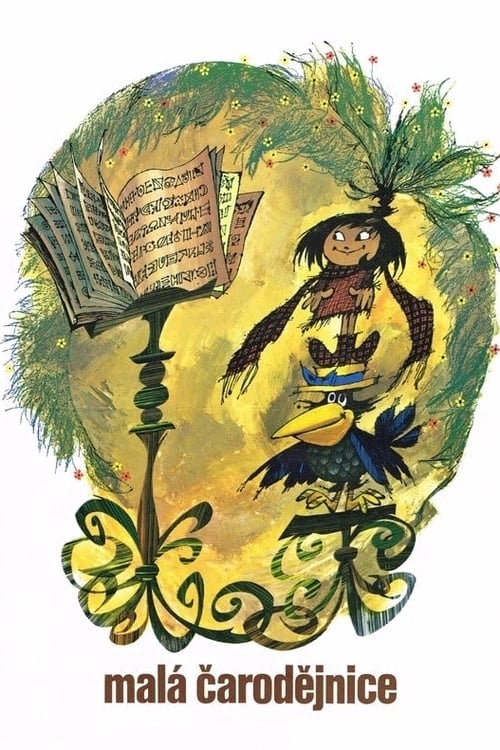
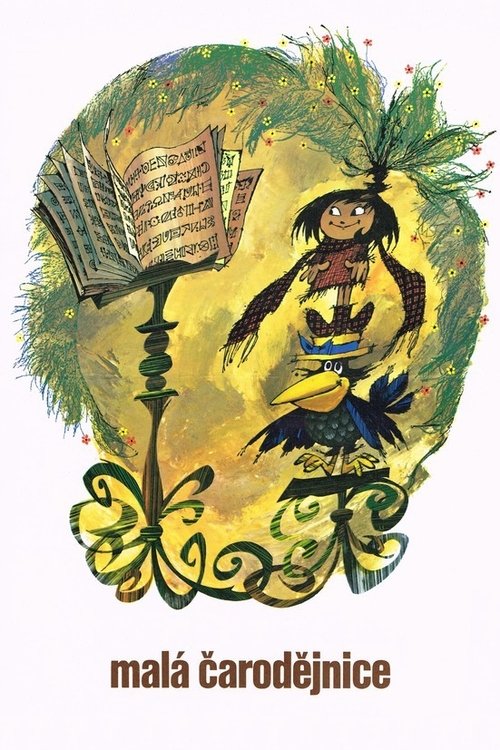
A fairy tale about a good-hearted witch, and her friend the raven.
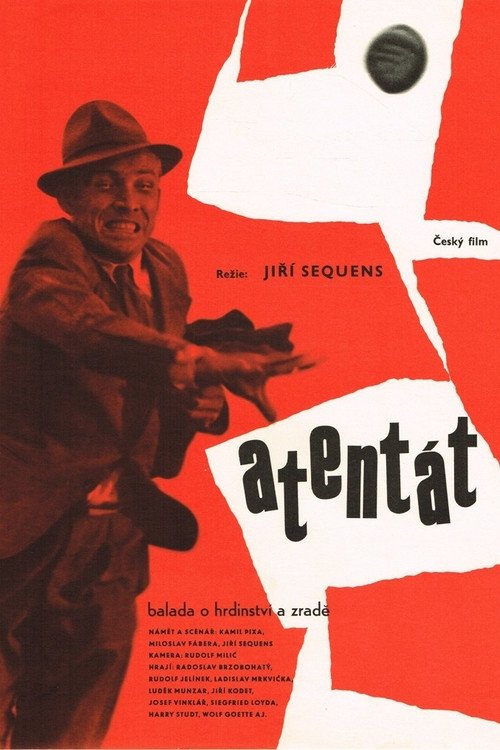
In autumn 1941, Reich Protector Reinhard Heydrich’s brutal rule in occupied Bohemia and Moravia fuels Czech resistance. In spring 1942, the government-in-exile sends trained paratroopers led by Lt. Král on a mission to assassinate him. Masters Strnad and Vyskočil ambush Heydrich’s open Mercedes in Prague’s Libeň district, mortally wounding him despite a jammed submachine gun. Their success triggers harsh Nazi reprisals, mass executions, and an intense manhunt for the operatives.
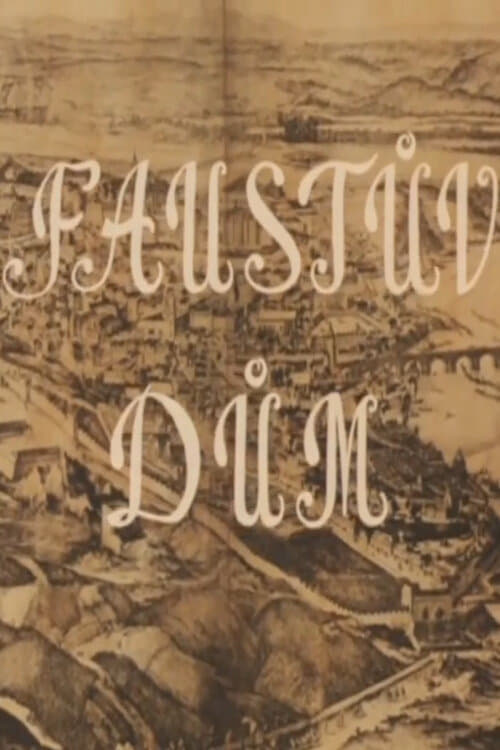
A film story based on the old Prague legends. It tells about a poor student lured by wealth, which he prefers to knowledge. In the end, he sells his soul to the evil powers. The Devil takes him to hell and since then there is a blackened hole on the ceiling of a Prague house.
The common theme of the short story film is the famous duels between two important historical figures: Pushkin and Casanova. Pushkin's tragic duel, which ended his life prematurely, is portrayed in connection with the creation of his short story "The Dirty Shot", while Casanova's story is conceived in a rather ironic and humorous way. The point is that the famous seducer never actually seduced, on the contrary, all his life he was in a constant battle with female seductions.
Mamluk is an unassuming, handsome young peasant who happens to have come along just in time to save the king from a fatal trap, and as a reward, the king offers him the amount of land he can mark off by walking around in one day but he must return to the starting point before sunset.
One of the film stories based on the old Prague legends. This one is about the old master clock maker Hanus who construed the Prague Old Town astronomical clock. Master Hanus' clock started working for the first time in 1490 but did not tell the time for too long. Soon the master, blinded by the perfidious town councilors, stopped it for more than 200 years.
March 1945. It is already quite obvious to the Nazis that they cannot win the war. So it is time to think about the future after the war and to cover their tracks. One concentration camp must be completely cleared out and the prisoners buried in the mines. Only the mine-hunters remain - among them Ernest, a veteran of the Spanish Civil War from Vienna, and Kim, a resistance fighter from Prague. One day they decide to escape with the other prisoners, but they are betrayed and most of the escapees are shot. The pair of heroes are not alone, however, and on the way they are joined by a guard dog from the camp that Kim used to feed. In the coming days, Ernest leads young Kim through the unrelenting cold on his journey to freedom, teaching him that there is only one rule to follow in this time - kill or be killed.
Journalist E. E. Kisch tells crime stories from old Prague, which he himself experienced in the years before World War I and recorded in his reports and stories: he participated in the discovery of the real murderer of a rich innkeeper, attended the wedding of a beggar's son with the daughter of a complacent rich man, and witnessed the mysterious murder of a money-changer's uncle.
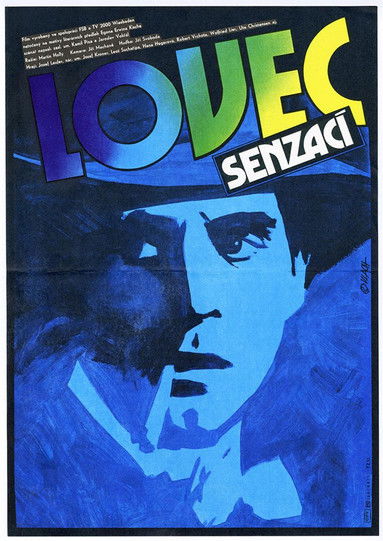
Josef Laufer portrays Egon Erwin Kisch in two daring journalistic adventures: in “Zuřivý reportér,” Kisch goes undercover in a poverty lodging house, uncovers a tattoo’s dark backstory and deciphers a secret telegram hinting at war via the legend of the black rose; in “Lovci senzací,” he pursues sensational leads and exposes hidden truths, proving why he was rightly called “the raging reporter.”
Jan Zika is the legendary hero of the communist resistance movement during World War II and leading functionary of the second underground Central Committee of the Communist Party of Czechoslovakia.
A fictionalized account of Czech soldiers who fought for the French Foreign Legion in Vietnam.
In SIRIUS, a young boy whose most cherished companion is his loyal German shepherd devises his own form of resistance when the Nazis arrest his father, then order the confiscation of local canines, including his pet, to be retrained as attack dogs against the rebellious populace.
On a lonely island, where Odysseus has to serve the nymph Calypso, he remembers his great adventures: the glorious victory over Troy; the curse of the sea god Poseidon, whose son he overpowered; the wrestling with Circe, the Lotophagi, the Sirens with their enticing death song and the battle with the bloodthirsty Scylla. Penelope, his wife, meanwhile fights against intrusive suitors who want to kill Odysseus. Athena sends him his son as a savior, who defeats Proteus, Poseidon's vassal. Odysseus is able to free himself from Calypso. Disguised as a beggar, he returns home, punishes the suitors who are after his money and is reunited with Penelope.