Acting
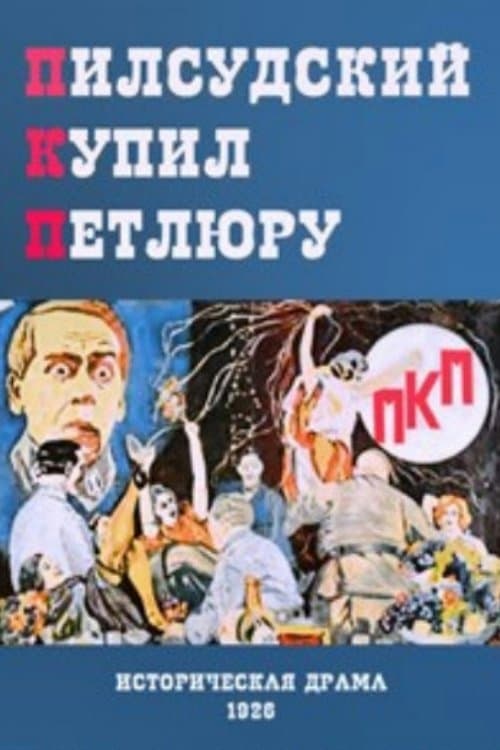
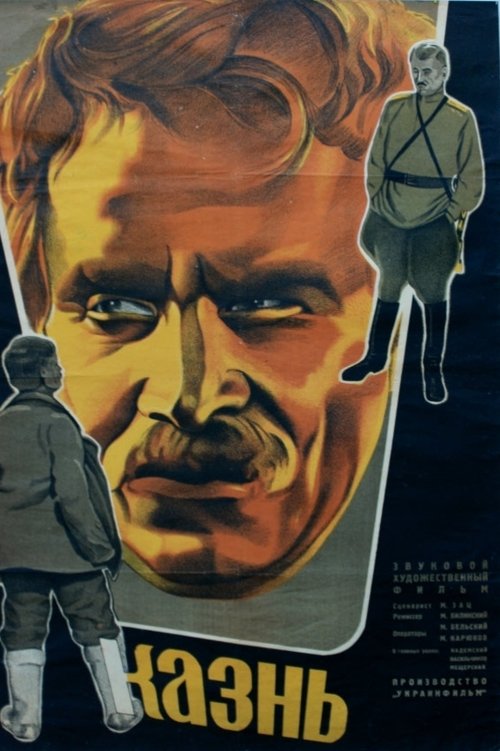
The defeated remnants of vile Ukrainian nationalists, headed by the leader of the Ukrainian liberation movement, Symon Petliura, cannot accept their historical fate and are plotting an insurrection against the Soviet regime in Ukraine. There is nothing Petliura and his cohorts would not do to win back control over Ukraine, including selling it to the highest bidder, in this case, the Polish dictator Jozef Pilsudski. A group of plotters are coordinating an insurrection in Kyiv with an attack from Poland headed by Petliura’s general Yurko Tiutiunnyk. Predictably, the invincible Red Army defeats the nationalist plotters and proves that the Soviet borders are impregnable.
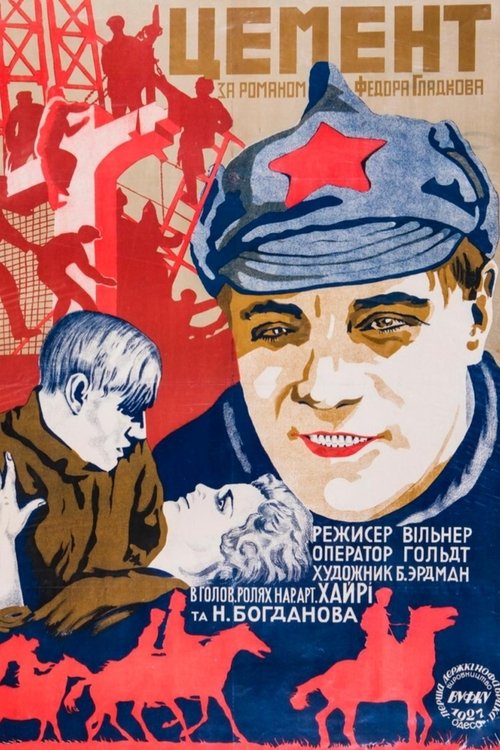
A Soviet film about construction workers.
During the agrarian collectivization process in the Soviet Union, Vasyl, a peasant member of the youth division of the Communist Party, gets a tractor with the help of a local party organization and plows private boundaries on kulak fields. However, this enthusiasm will cost him dearly.
A soldier returns to Kyiv after surviving a train crash and encounters clashes between nationalists and collectivists. The story of the suppression of the Bolshevik uprising at the Arsenal factory in Kyiv by the Central Council troops.
To help out his friend Lenya, Yura steals a Stradivarius violin belonging to the professor from his grandfather, a violin maker. Having learned about everything, the professor begins to study with the talented Lenya. Circus performers persuade Lenya to give up the violin and perform in the circus...
A young farmer Ivan and his lazy father Stepan try to help with the construction of the Dniprohes, but he learns that strength is not enough for a worker and joins the Communist party.
Lost movie.
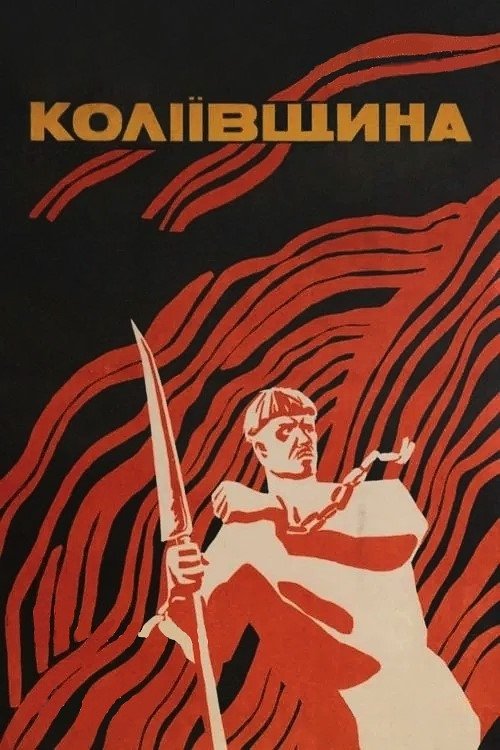
An episode of the liberation movement in Ukraine - the uprising of Kolievs (serfs, artisans and fishermen) against the tyranny of the feudal lords and the Polish nobility, which ended with a brutal massacre performed by a Russian punitive expedition in 1768.
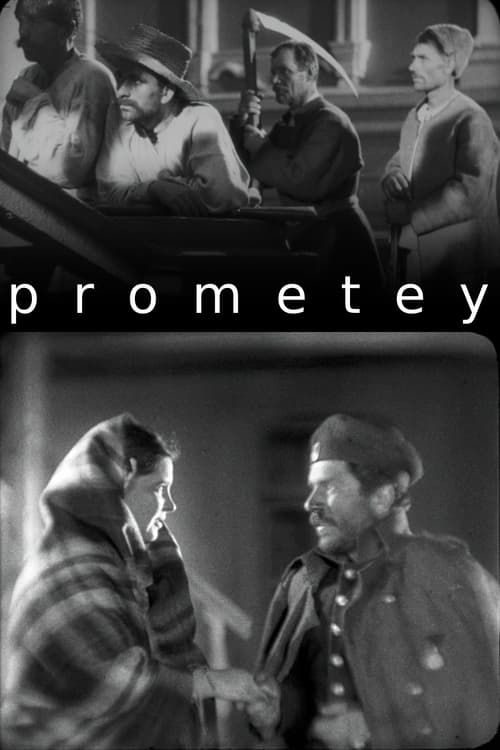
A young man, Ivan, is forcefully mobilised and sent to fight in the Caucasian War as a soldier of the Russian Empire by his landlord, leaving his wife behind. In the Caucasus, Ivas experiences the fierce local resistance to the Russian military, and returns home to launch an uprising against the Russian government.
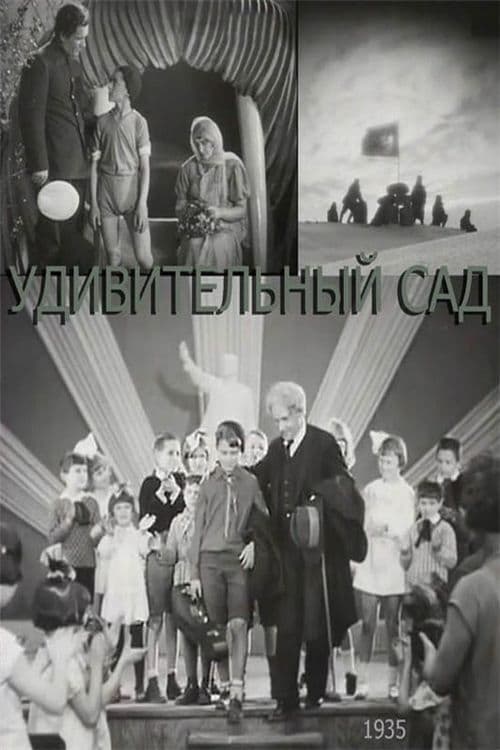
A film based on the life of the Russian scientist, Klement Timiriazev, who taught at Cambridge and Oxford and was awarded the Newton Mantle for his work. Timiriazev, one of the few outstanding Russian scientists who (publically) backed the Soviets in their revolutionary campaign, was later elected a delegate to the Leningrad Soviet by the sailors of the Baltic fleet. There he denounced his fellow scientists for failing to aid the Soviets and predicted that such aid would come.
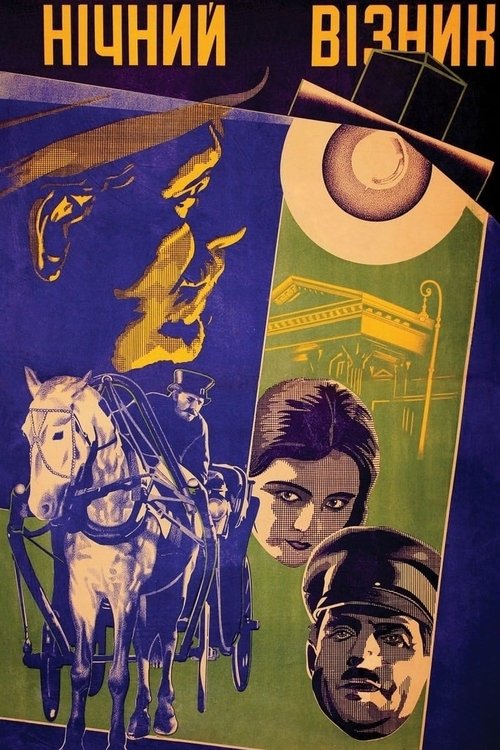
Set in Odesa at the end of the Civil War when the town is occupied by the Whites. The night coachman, fifty-year-old Hordii Yaroshchuk, lives with his daughter Katia who gets involved with a Bolshevik and revolutionary.
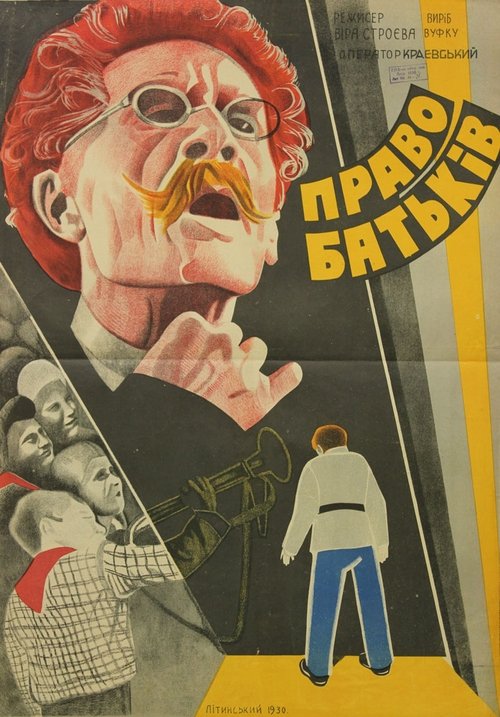
The clockmaker practices what is known as \"parental rights\" – he mercilessly beats his son Boris for every misdemeanor. The boy grows up intimidated, angry, trusting no one, and befriending no one. One day, while the students at the polytechnic school where Boris studies are busy with a physical education class, he deliberately destroys a model that the students have worked so hard to build. The teacher prevents a cruel punishment of the culprit. The school community takes on the responsibility of re-educating Boris. Considered lost.
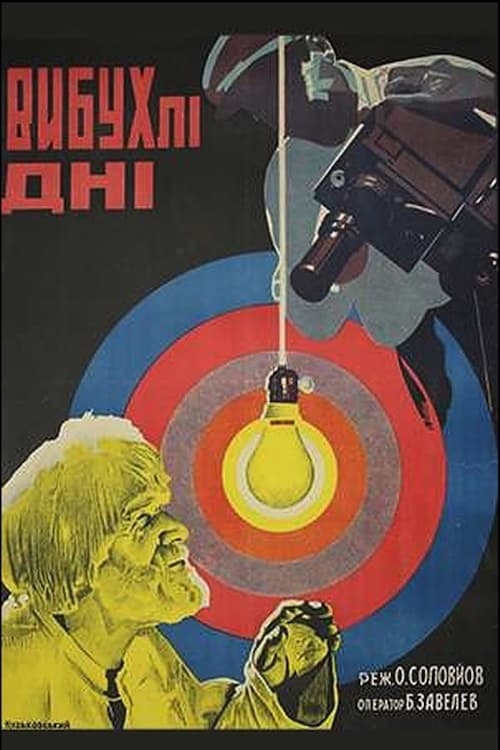
The year 1929. A “shock worker” from a tractor plant visits a film studio premises and is furious to see fake stage designs for a kitsch production about a Soviet life. He refuses to help the crew with his tractor, but is happy to ask one of the cameramen to go with him to visit an actual Soviet village. There they witness the birth of the kolkhoz and the dekulakization of wealthy villagers. Then they are transported to the future, to the year 1932, when the first five-year plan is done and the commune-sovkhoz is established. Movies can move faster than time, but the pace of change in Soviet society is even faster than that.
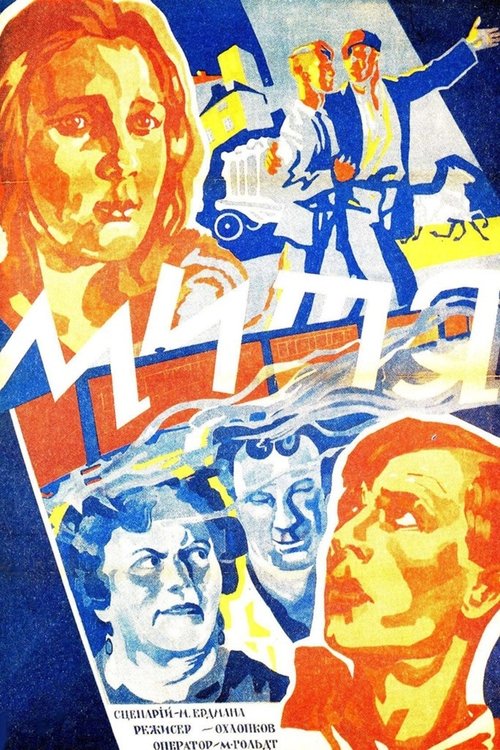
Exposing the customs of provincial philistinism in the years of NEP. Small town. Mitya, going to the party of his bride Shurochka, finds a dying woman with infants. When he comes to visit the child, everyone decides that he was the father - and kicks him out. Mitya decides to drown himself. Unknown saves him and helps to stage his own funeral. During the mourning ceremony, Mitya rise from the grave, thanks the inhabitants petrified by horror, and leaves the city forever. Lost movie.
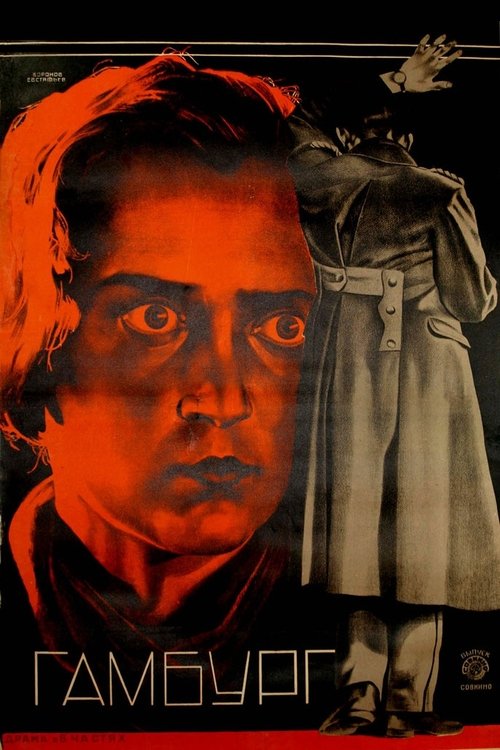
Germany, 1923. Workers, called to the struggle by the communist Niels Unger, seize the arsenal and turn every building into a fortress. The social democrat Buk does not fulfill Unger's order to blow up the bridge over the Elbe, so the Reichswehr troops enter the city. A bloody massacre begins. Nils Unger is arrested. Buk, who is associated with the punitive leader Meins, betrays the rebels during interrogations. A trial is scheduled for the rebels. To avoid political publicity during the trial, Nils Unger is declared insane, but manages to escape from the prison hospital. Once again, his call resounds through the streets of Hamburg: "Save your guns!"
The seamy Jewish underworld of Odesa is the setting for Isaac Babel's story based on the life of gangster king Mishka Yaponchik "Mike the Jap" Vinnitsky. Murder is a way of life for Benya and his gang until he finds himself ensnared in a Bolshevik trap.
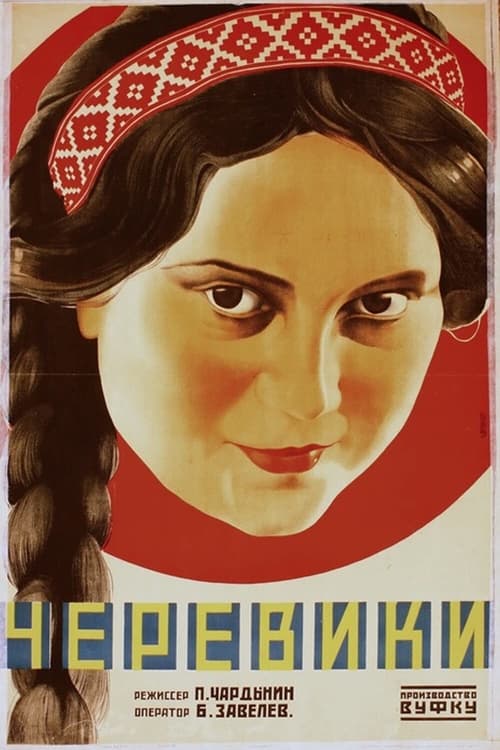
To justify the fantastic adventures of the blacksmith Vakula, the authors of the film “simplify” Gogol’s plot: Vakula, having drunk too much at Patsiuk’s place, falls asleep. And he sees this dream where the devil takes him to the palace of Catherine II in Saint-Petersburg; and there Vakula takes off the little shoes of the Russian empress to give them to his fiancée Oksana. And, really, drunk Vakula takes off the shoes while sleeping… but from Patsiuk. Later, when Vakula unwraps the package with the “royal slippers” in front of Oksana, he finds only Patsiuk’s dirty shoes there.
Jean, the hairdresser, is flabbergasted: what is that baby his girlfriend Lisa has put in his arms out of the blue? The fruit of love? Out of the question. From that moment on, the reluctant father has but one thought in his head: he must get rid of the cumbersome 'article'. And, take his word for it, all the ways are good.
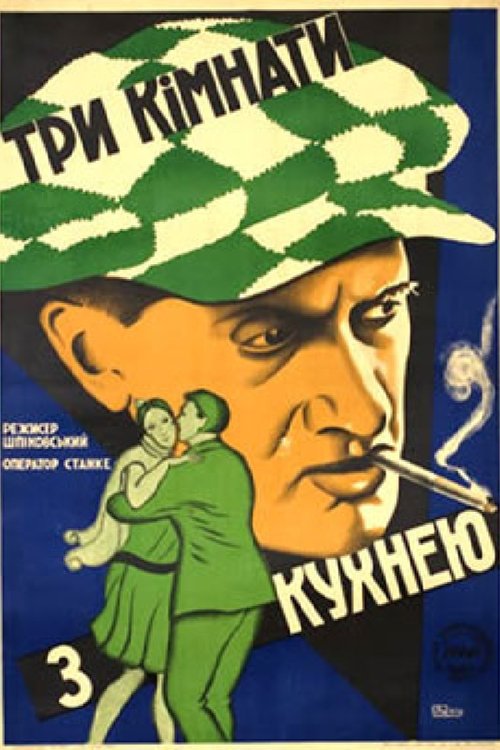
The film uses motifs from V. Mayakovsky's script "Как поживаете?" - about the struggle against philistinism in everyday life.
Ostap Mandryka, a serf who has provoked the bar's anger by his behavior, flees from imminent reprisals to Bulgaria, where he is wounded while crossing the border. Together with other fugitives he wanders in foreign lands and finally returns to Russia. The movie has not been preserved.