Acting
Polizeiruf 110 is a long-running German language detective television series. The first episode was broadcast 27 June 1971 in the German Democratic Republic, and after the dissolution of Fernsehen der DDR the series was picked up by ARD. It was originally created as a counterpart to the West German series Tatort, and quickly became a public favorite.
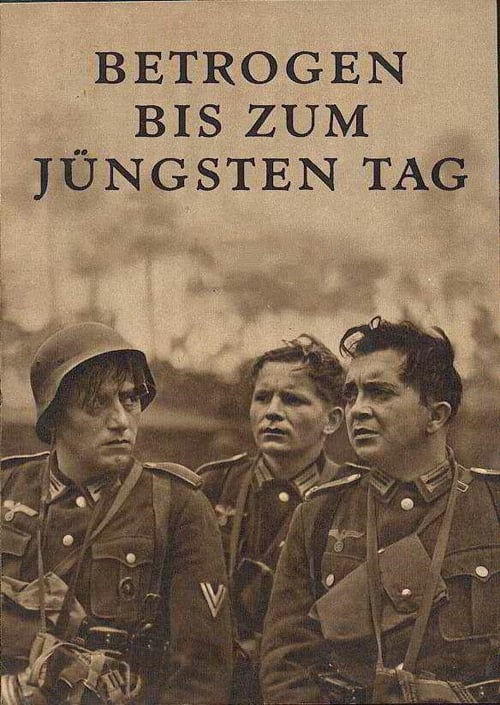
East Germany's contribution to the 1957 Cannes Film Festival was the wartime melodrama Betrogen bis zum Juengsten Tag. Had the film been released in the U.S., the title would probably have translated to Duped Till the Last. The film condemns the Nazi mindset by concentrating on a particularly odious cover-up. When his son is involved in the accidental killing of a girl, a Gestapo general pulls strings to save the boy from prosecution. The general manages to pin the blame for the killing on a group of Russians, whereupon he gives the men under his command carte blanche to round up and execute as many innocent Russians as they wish. This act of brutality is contrasted with the pangs of guilt suffered by the son and his co-conspirators.
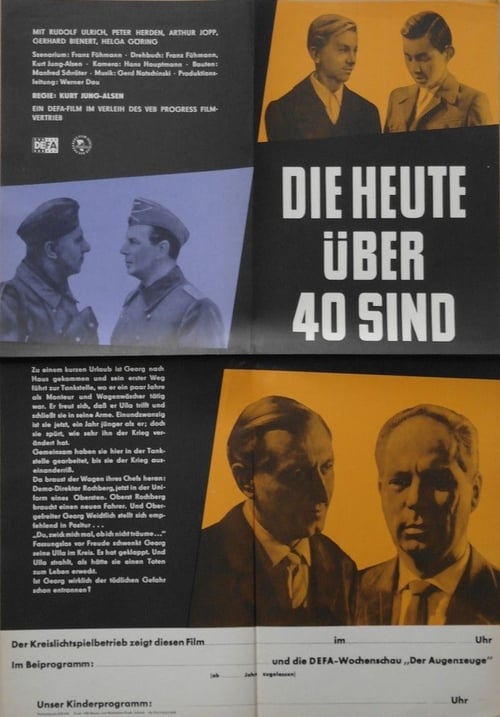
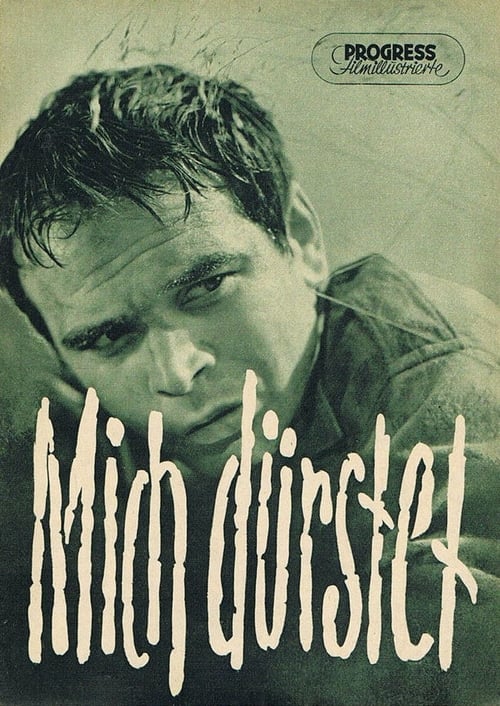
The film concentrates on the last days of the German navy during World War II.
Film by Kurt Jung-Alsen.
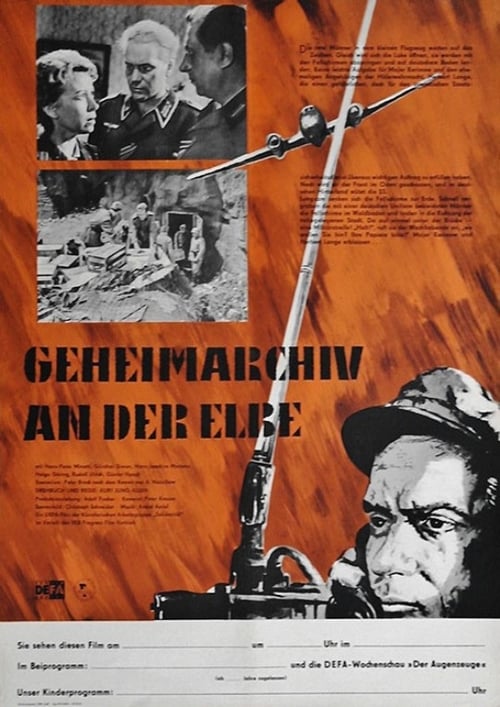
The World War II. 1944. Nazis staged a cache which stores archival documents of its agents, rescued from the east during the retreat, near a small German town Ostburga.
No description available.
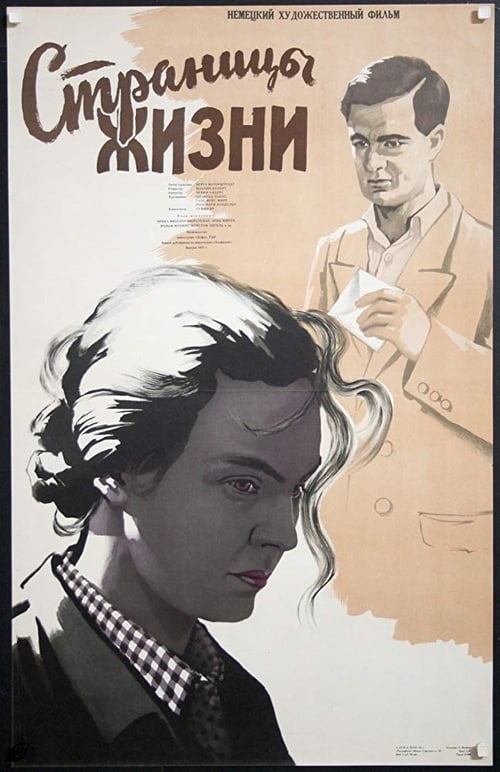
Post-war Germany: Like so many other women, Gerda Krause has lost her husband during the war and has to fend for herself and her two children. She finds work as a seamstress but refuses the offering of her department chief Zimmermann to upgrade her qualifications. One day she meets Uschi, an old friend of hers, whom she has helped with schoolwork before the war and subsequently lost track of. The reunion reminds Gerda of her childhood dream: to become a teacher. Thus, she decides to enroll at university to make her dream come true.
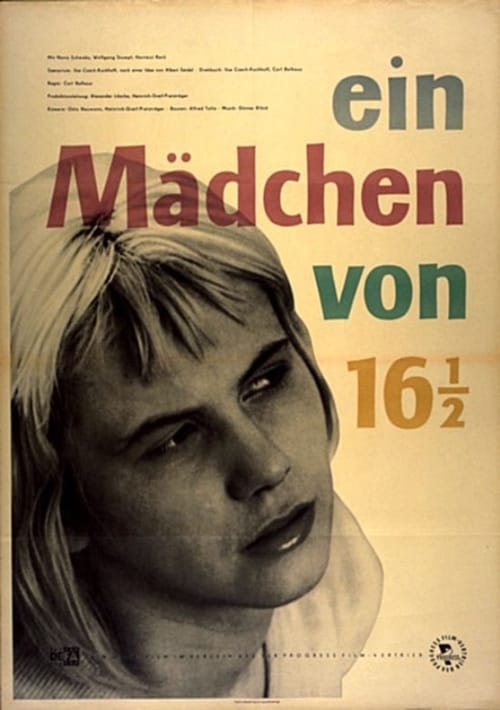
The young orphan Helga is raised by her aunt after WW II. At the age of sixteen, she turns her back to go her own way. As a rambler, Helga wanders through the night streets of Berlin and has brief acquaintances.
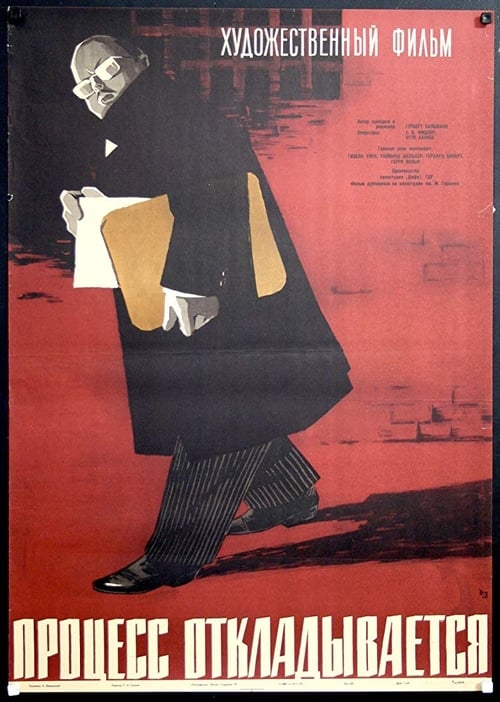
In 1955, Michael Vierkant, a Jew who had emigrated during the Nazi era, returns from abroad to the Federal Republic of Germany to obtain the conviction of Korn, the former informer responsible for the murder of his sister. Korn is back in office; Michael's efforts remain unsuccessful. There is a direct confrontation between the two, and Michael shoots Korn in self-defense. He flees and is hidden by the young, reclusive artist Marie Jäger, but is then caught by the police and charged with premeditated murder. The case is taken out of the hands of the criminal investigation department by the Office for the Protection of the Constitution, which constructs an act of political revenge on behalf of the communists. Michael manages to escape from prison. Marie and her friends organize a press conference at which Michael reveals the connections. The trial is postponed.
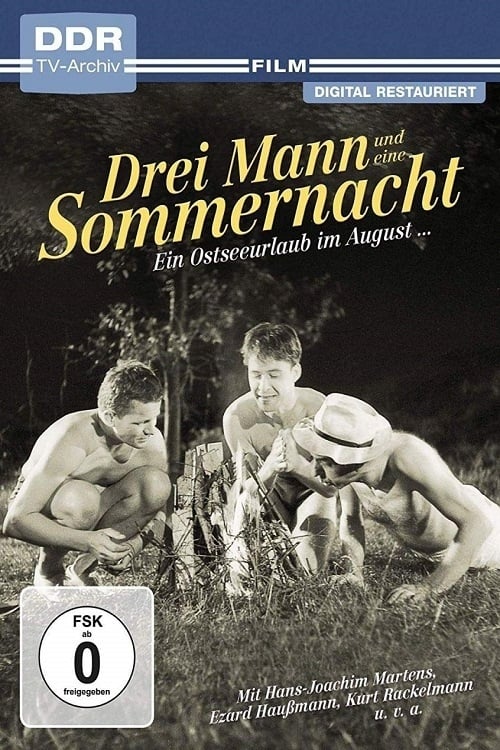
Three men accidentally end up stranded on an island in the Baltic Sea: friends Achim and Klaus and railroad worker Erich Spalteholtz. Both friends try to swim ashore to get help. In the process, they have adventures with the police as well as with the enchanting girls Anne and Brigitte! However, before Erich Spalteholtz is rescued from the island, he helps himself alone - thinking that Achim and Klaus have drowned...
Spain 1936: Despite the victory of the Popular Front, nothing has changed for the peasants; the grandees continue to oppress them. The poor peasant son Pablo fights back and encourages the others to demand their rights. The grandees flee. Students from Madrid arrive and help the rural population to democratize. Pablo falls in love with Magdalena and learns to read and write from her. When Franco begins his bloody attack on the young republic, they defend the village together. When Magdalena dies in a bombing raid by German planes, Pablo begins to hate the Germans. However, fighting together with the International Brigades, he realizes that there are other Germans too, and that they share a common enemy.
In spring 1957 Budapest, former lovers Sándor and Mónika reunite after 16 years at a street‐corner café. Their conversation flashes back to 1941, when Hungary joined WWII under Horthy and eight fresh teacher‐graduates, including Sándor and Mónika, vowed lifelong solidarity. War and shifting politics fracture their bond and force each to choose a path through turbulent decades. The drama echoes the 1956 uprising: participants seeking reform are branded “counter‐revolutionaries,” denounced by steadfast communists like László, who scorns defectors such as Béla for “dishonouring socialism and the people.”
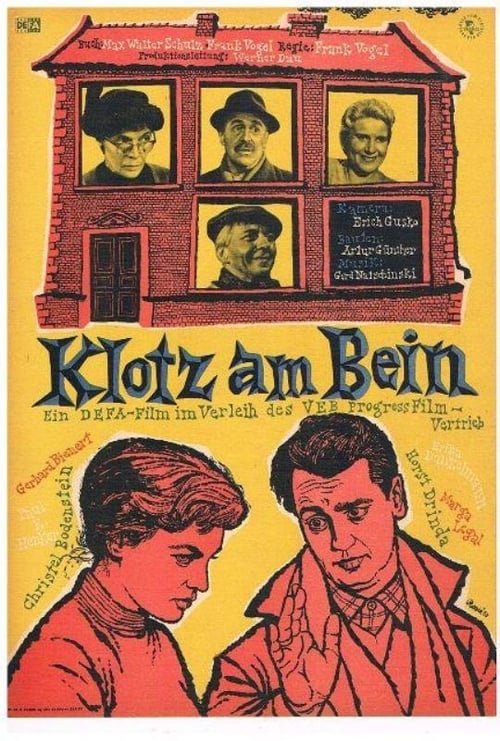
The construction of five houses for a workers' housing cooperative has been delayed due to a shortage of workers. It is winter and it is foreseeable that the houses will be completed in the fall at the latest. However, this takes too long for the young electrician Gustav. He is frustrated and wants to finally live within his own four walls. So far, he and his wife Christl, a sales clerk, have been subletting from his parents-in-law. One day, he receives a visit from his Aunt Minne, who informs him that he has inherited an apartment building worth 12,000 marks from his deceased Aunt Erna. He rejoices, as a house is even better than an apartment and he no longer needs to be a member of the building cooperative. The house turns out to be a dilapidated old building with no furniture and no water or electricity. Christl refuses to move into the building and begs Gustav to turn down the inheritance.
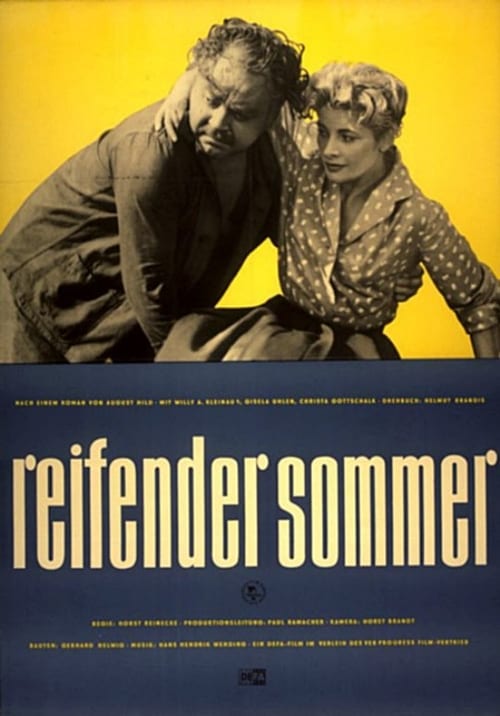
In 1952, former farmhand Erich Kattner arrives in a Mecklenburg village from West Germany to take on a new farming job, which he had originally planned to do together with his wife. She has died shortly beforehand, and so he finds himself alone with the almost unmanageable work. His predecessor has capitulated, the new house and barn are only half-finished, tree stumps still have to be cleared in the fields and much more besides. He is skeptical of outside help. He asks Thekla, the maid of the richest farmer, whom he met on his first day in the village, to start working for him, but she refuses. When she does start working on Erich's farm after an approach from her "master", he only sees her as a work partner.