Acting
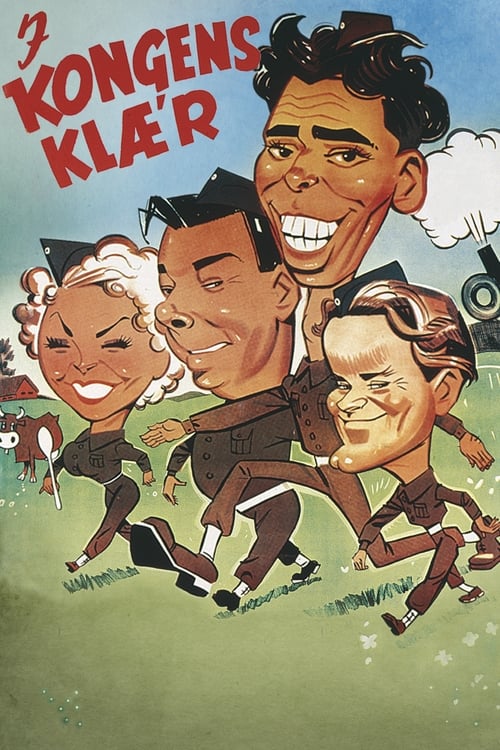
Kjeld Petersen plays a merchant who has stolen his clothes when he is out take a dip in the Sound. He stopped by the police, and they find a call to military service in his pocket, after further complications lands him at the barracks, where he came under the loving care of 66 (Dirch compatible) and 65 (Ove Sprogø). So the stage is set for lots of fun and games, in the right old style.
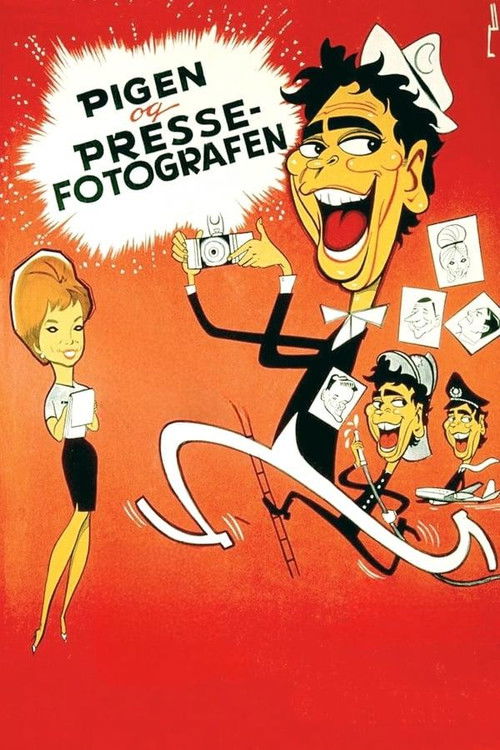
Bastian and Lene are a good couple, as a journalist and press photographer. They take turns to get ideas for how to get a scoop for the magazine "Tit og Lyt". They agree to play husband and wife so that Bastian can get an apartment. Lene is deeply in love with Bastian why she gets their mutual friend Soren to send a man from the housing authority. He says that they most have one child to stay in the apartment.
Olaf Ussing is the old chamberlain who lives in the castle with his three unmarried daughters – Malene Schwartz, Lone Hertz and Mimi Heinrich. On the neighbouring estate lives Poul Reichhardt, a wealthy bachelor with a butler – festively played by Ole Monty. A couple of dubious suitors for the lovely young ladies are Preben Neergaard and Preben Mahrt – and a former admirer is Henning Palner.
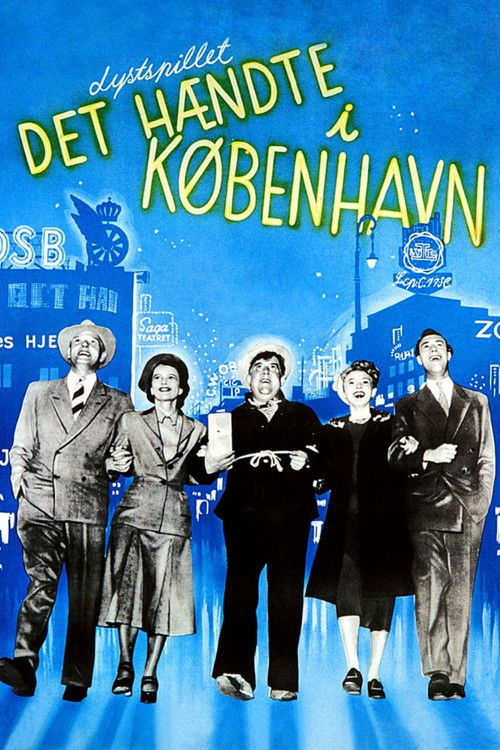
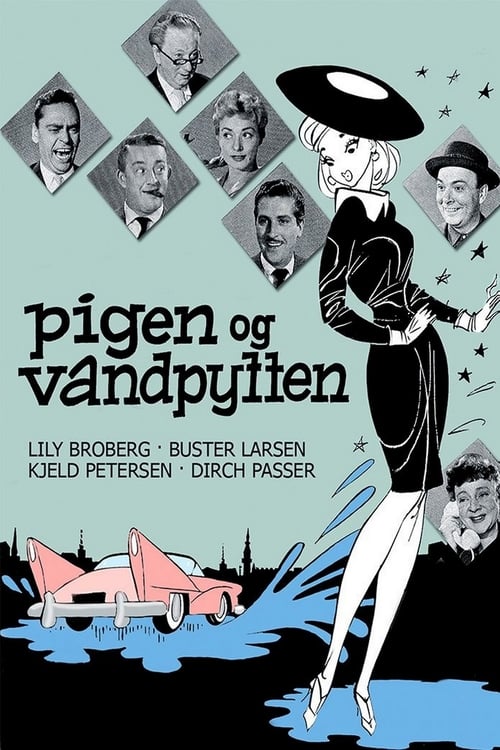
A film director sends his director and two screenwriters out into the city to find out what a film should contain in order for the person in question to want to see it. This results in many different episodes. The film includes the famous scene where Dirch Passer and Kjeld Petersen wallpaper a room.
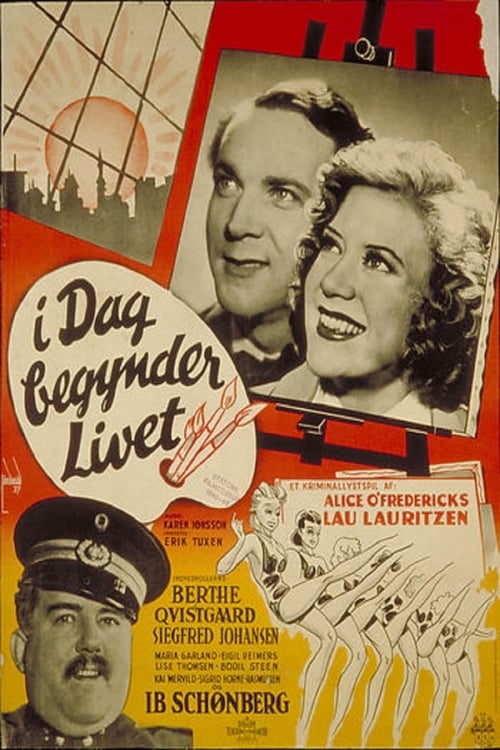
One evening, two young people, the painter Peter Sommer and the sweet, young courtesan Vera Holm, get to know each other in a very dramatic way. He meets her outside the property where he has his studio, and when she pretends to have an errand there, he willingly lets her in. When Vera suddenly pulls a revolver and shoots a stranger, and Peter in the heat of the fight receives a stab wound, there is a great commotion in the property, and an explanation is demanded.
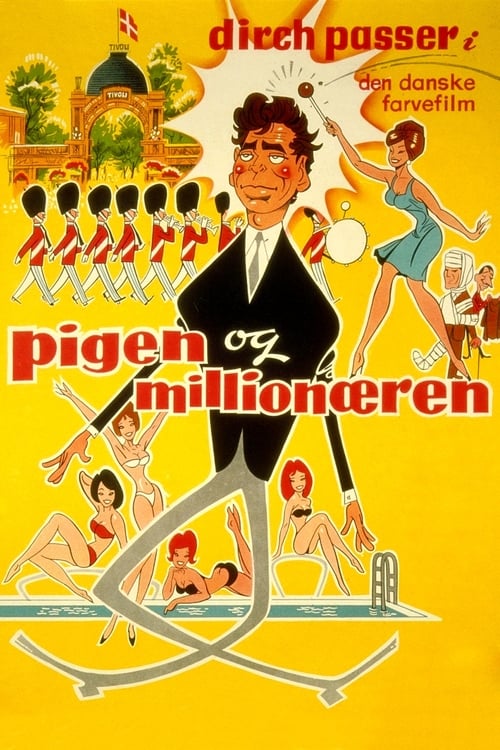
A millionaire gets amnesia after a hit to the head and now he has to rediscover his past and decide what kind of man he wants to be in the future.
Director Paul Borg (Ebbe Langberg) neglects his young, beautiful wife Marianne (Ghita Nørby). He even forget their wedding day, in favor of a new fast sports car, a beautiful silver-gray Jaguar. During his drive, he runs out of gas. A young lady Laura Lublinski (Hanne Borchsenius), helps him and he takes an innocent flirtation with her. When Marianne learns this, she moves home and dump into an artist community with Jenny (Bodil Steen), Ovengaden of water 52 in Christianshavn. Here she takes the unrepentant Don Juan, Mario (Dario Campeotto) and the guitar-playing Eigil (Dirch compatible).
The film could just as well have been called "Where there is room in the heart, there is also room in the house," because it is actually about an old, seasoned people person's solution to the housing problem. He solves it in his own – admittedly unusual – way, but he solves it! Had he been a little more discreet, his invention would never have been discovered – and he could have lived the rest of his life carefree. But this experienced judge of character – whom we call "the Professor" – had one major flaw: his overly big heart for the small and unfortunate members of society in general and the homeless in particular. It is this unfortunate heart that sets the film in motion and accelerates the events.
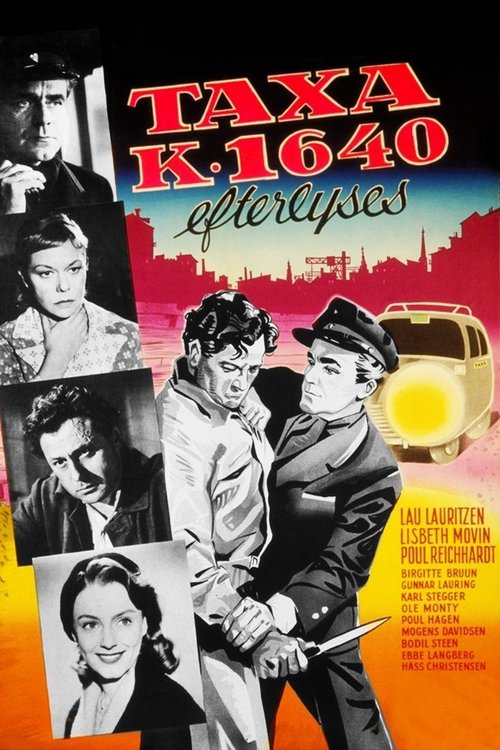
Jacob and Else Svendsen are a happily married couple. He is a taxi driver and experiences the small and big events of the big city in a way that only a man behind the wheel of a taxi with the whole city as his workplace can. But a shadow hangs over their marriage – a shadow from the past. Else was married once before, but had to divorce because her former husband, Eigil Rasmussen, suffered from pathological jealousy.
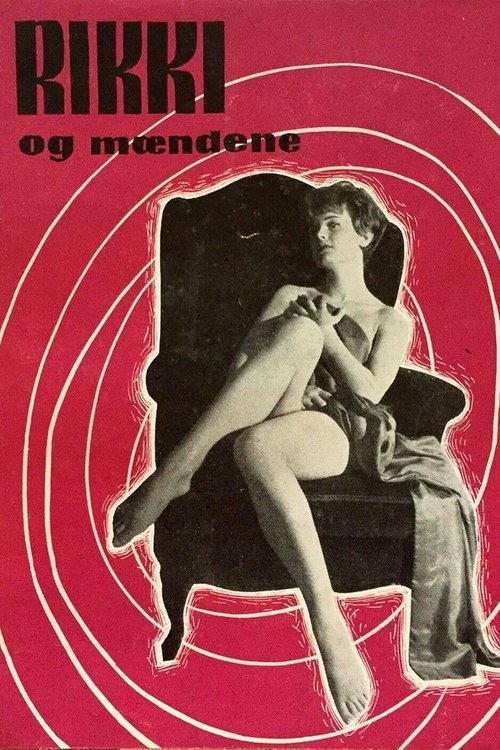
Rikki was devorced recently, and now find herself paying the bills on her own. And life is not cheap, especially when you have a young child to care for. To make ends meet, Rikki begins to frequent a bar where she can work as a prostitute.
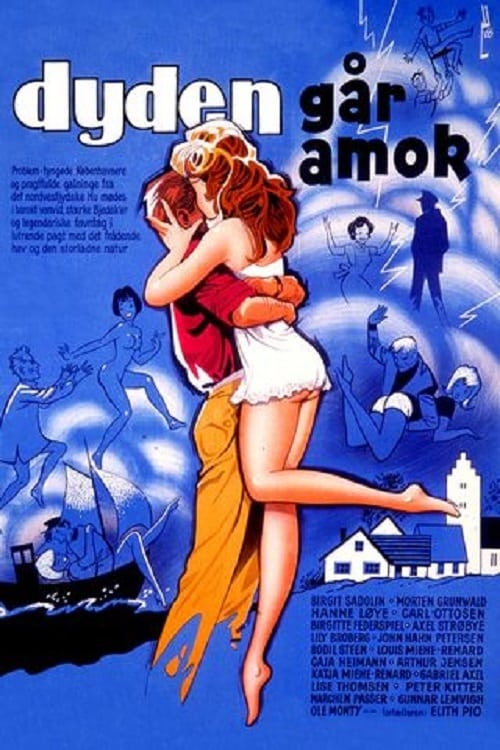
Hidden among the dunes on the west coast of Jutland lies HU, where fishermen struggle to earn a living. The hard and dangerous work combines HU's small population with a peculiar madness that gives free rein to emotions and intensity in all aspects of life. One day, three Copenhageners arrive in the windswept village and are both astonished and fascinated by the local free spirit.
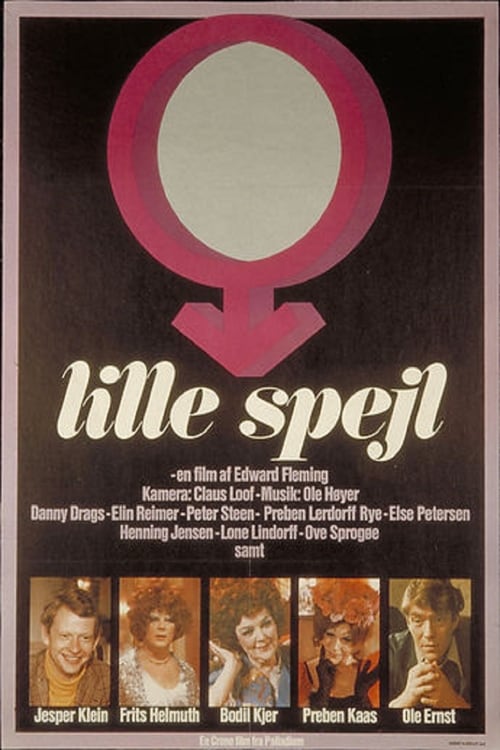
Heavily influenced by the French stage sensation La Cage Aux Folles (which was filmed the very same year) a drag-queen comedy about a group of homosexuals sharing an apartment with a naive but straight country boy did not live up to expectations. The lead characters lead boring lives during the day and, as depicted here, downright pathetic existences at night, all decked out in peacock plumes and high heels and with nowhere to go.
A just-fired chorus girl gets a ride from a rich shipowner's driver. By the time the gossip reaches the cash-strapped theater director, she's engaged to the shipowner. The girl gets promoted to the lead. Other misunderstandings follow.
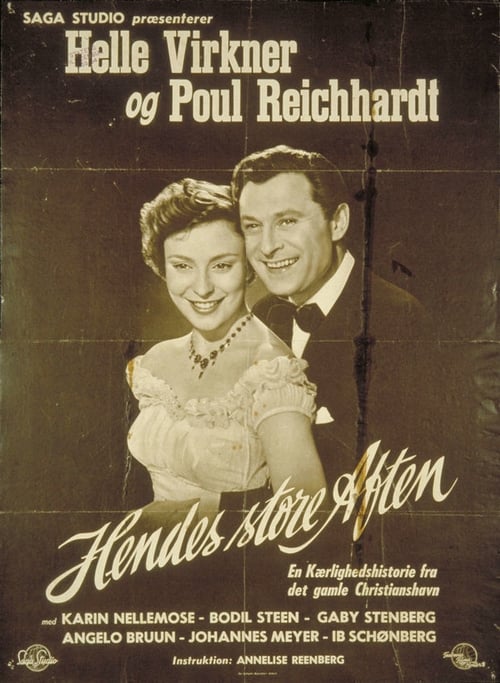
Marianne is a sales assistant at the elegant fashion boutique Chez Madame on Strøget. She is a wallflower, and when the wealthy man of the world John Bagger, one of the store's customers, invites her out on New Year's Eve wearing the store's most beautiful dress, she experiences it as a romantic adventure. But everyday life returns after the big night.
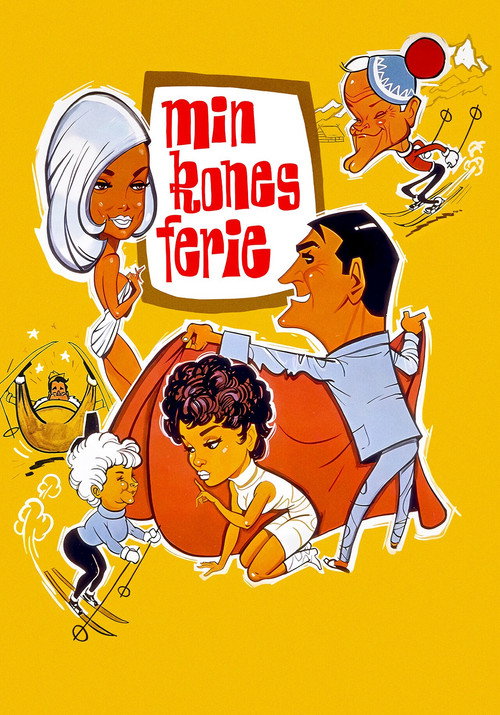
Allan Thorsen is tired of his wife, but he finds it difficult to tell her that he wants a divorce. So he arranges a skiing holiday where she will fall in love with another man, so that he can get rid of her without having to do anything himself. She does find a man who is interested, but then Allan becomes jealous and soon tries to win his wife back. However, the situation is complicated by the fact that Allan's mistress suddenly shows up at the holiday hotel.
In the summer of 1913, 17-year-old Jacob, a Danish high school student, lives in the frustrating limbo between boyhood and manhood. He worries about his excessive focus on masturbation and, although he is aware of the sexual overtures by the housemaid Sophie, Jacob doesn't know how to respond to her.
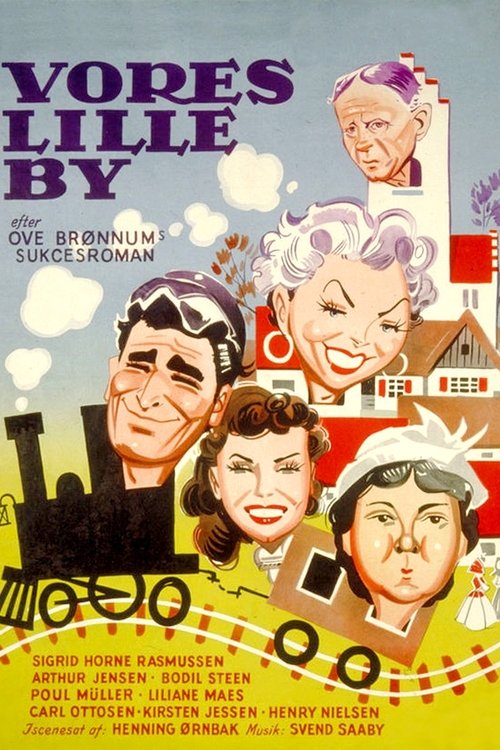
Our small town is a fairly ordinary collection of houses in a random location in Denmark, inhabited by fairly ordinary people. Nothing of significance has happened in the last 100 years or so. The town sleeps its Sleeping Beauty slumber, facing the fjord and with its back to the lowlands, as storms of all kinds pass unnoticed overhead, such as thunderstorms and summer clouds high, high above. One day, a rather unusual vagabond arrives in this town. He calls himself Laust (Carl Ottosen) and has no intention of staying in the town, but has only been driven this way by chance during his long search for a place and some people to whom he can tie his fate.
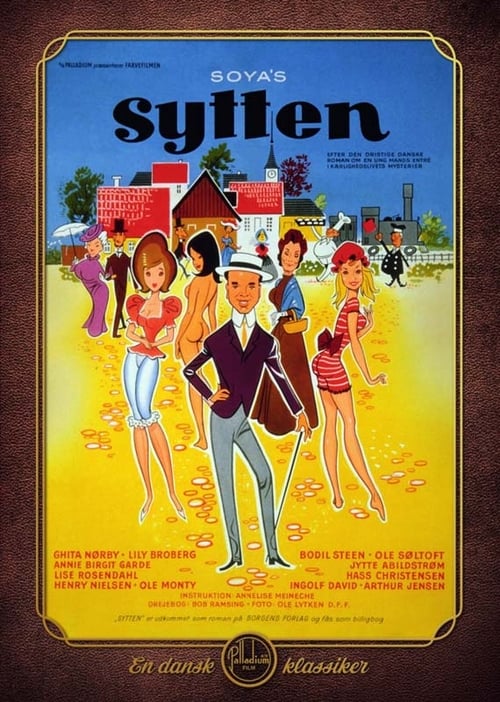
Romantic comedy, based on the discovery that eggs from a particular island provide men with great virility and make them irresistible.
It's not always easy being a father – archivist Jørgensen knows this all too well. His only son, Bent, is more interested in the band he and his friends have formed than in his studies. One evening, as the house shakes with syncopated rhythms, the archivist loses his hard-won patience and gives his son the choice between giving up his music or moving out of the house. The next day, Bent seeks out his two friends to complain about his plight, but his friends have more than enough of their own worries, which can be summed up in one word: money.
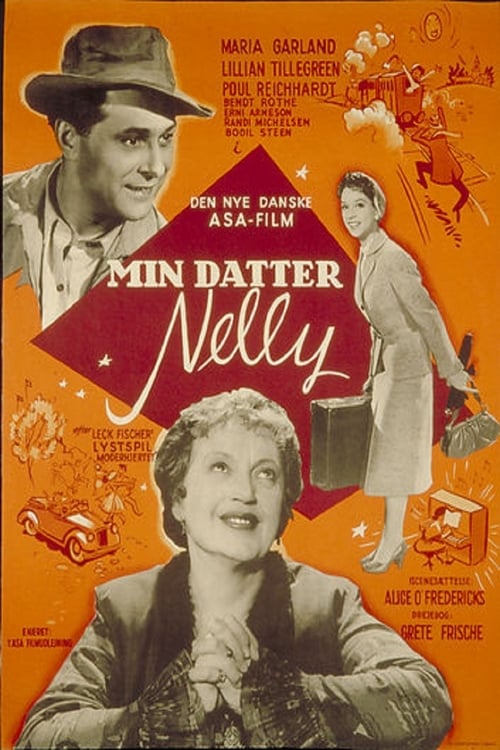
In Fjordby, preparations are underway for a big celebration—the town's 500th anniversary, with music and dancing. The festive Mrs. Ingeborg, who earns her living playing the organ in church and at dances when the young people want to party, is constantly short of money. That is why she has a little side business: she teaches piano. Mrs. Ingeborg has a close family relationship with her lodger, the young veterinarian Kåre. He has repeatedly helped her financially. Mrs. Ingeborg needs money for a new dress for her foster daughter Nelly to wear to the party. Aunt Jessie lives on the first floor. She was once in a relationship with Mrs. Ingeborg's brother, but he broke up with her and married someone else. However, Mrs. Ingeborg still considers her a sister-in-law. She is well off financially, so she has to help out when Mrs. Ingeborg needs money for the dress.