
Betty Helsengreen
Acting
Known For

The good people of a small community in the countryside near Copenhagen enjoy life and find their way to love.
Ved Kongelunden...
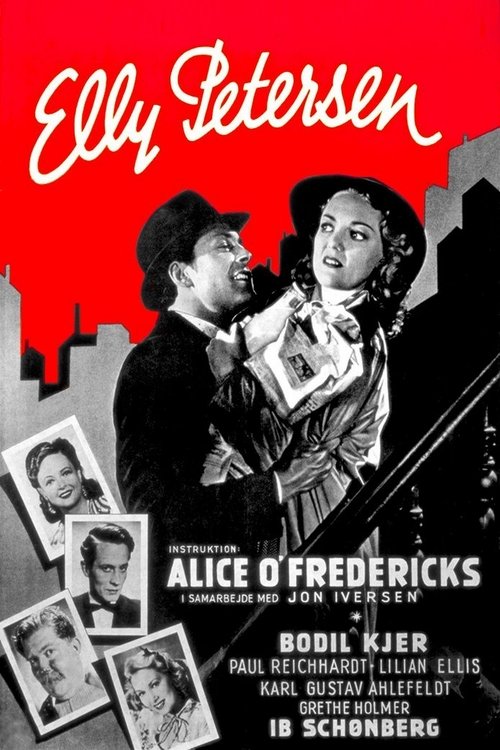
On the deck of the Aalborg boat, the young girl Elly stands and stares at Copenhagen's towers and roofs, shining in the red glow of the afternoon sun. Elly has been lucky, she thinks: a maid in a boarding house in Nansensgade, her own room and a good salary. However, Elly is quickly disappointed. The boarding house is dirty, and after advances from one of the boarders, she packs her suitcase. She meets Agnes, a girl from home. Agnes takes Elly under her wing and gets her a place in a hotel and offers her half of her attic room. Elly feels safe with Agnes, but then one day a young man crosses her path.
Elly Petersen
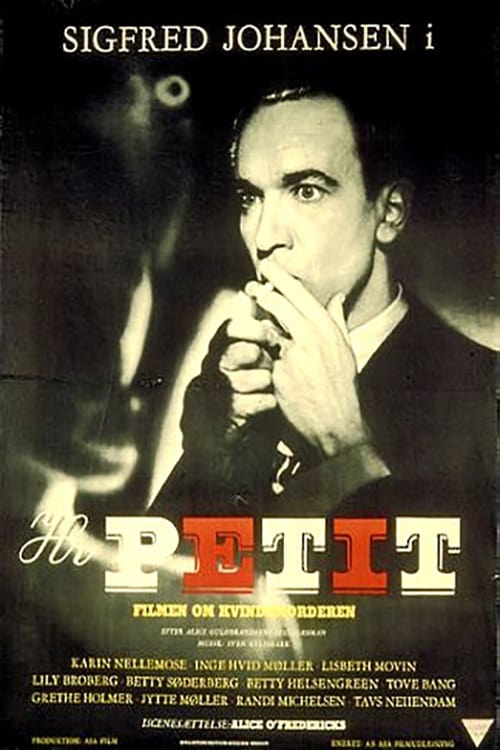
The story about Mr. Petit - a French charming marriage trickster and murderer of women.
Hr. Petit
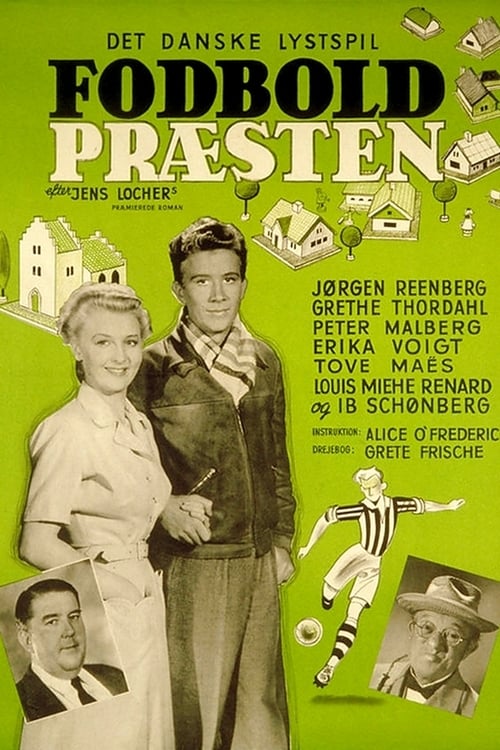
Søren Holm becomes a pastor in the small town of Harslev. The parish council chairwoman, Mrs. Andersen, interferes in the pastor's family's private life, and when Søren plays in a soccer game to get to know the town's young men, Mrs. Andersen becomes furious. Half of the parish turns its back on Søren. But Søren does good work for the young people, and gradually, with the help of the parish clerk, he is accepted by both the parish council and the town's youth.
Fodboldpræsten
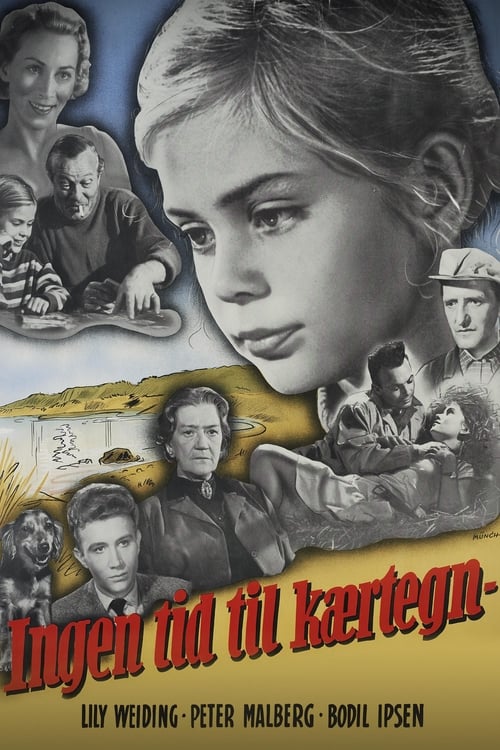
The Danish Ingen tid til Kaertegn (Be Dear to Me) is heavily reliant on the appeal of its star, 8-year-old Eva Cohn. Our heroine is the neglected child of a businessman father and actress mother. Feeling that happiness lies well outside her own backyard, Eva goes on a search for that happiness. The longer she stays away, the more her parents realize that they've unfairly ignored her. The plot is nothing new: it's what is done with it that pleases the eye and ear. Ingen tid til Kaertegn was one of the more popular entries in the 1957 Berlin Film Festival.
Be Dear to Me
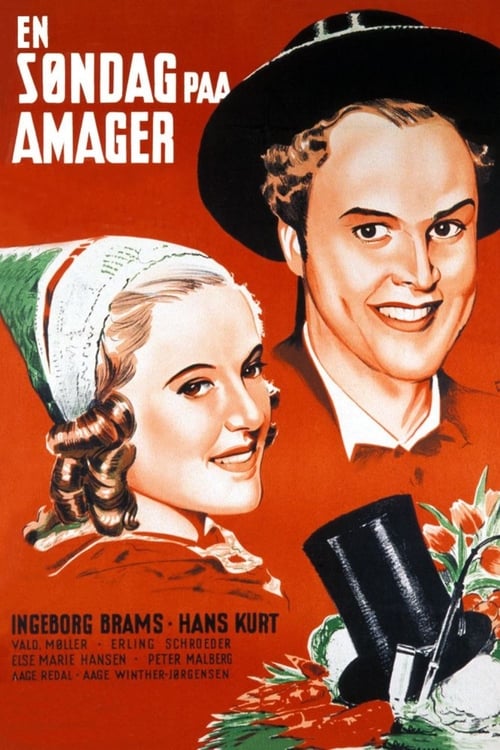
In 1516, King Christian II, on the advice of his Dutch-born mother Sigbrit, summoned 80 members from Holland and let them settle in St. Magleby and the surrounding area with the obligation that they would "supply Copenhagen Castle with the necessary roots and onions". Later, these skilled gardeners mixed with the other inhabitants of the island, almost all of whom adopted their customs and traditions, as well as their peculiar folk costumes.
En søndag paa Amager
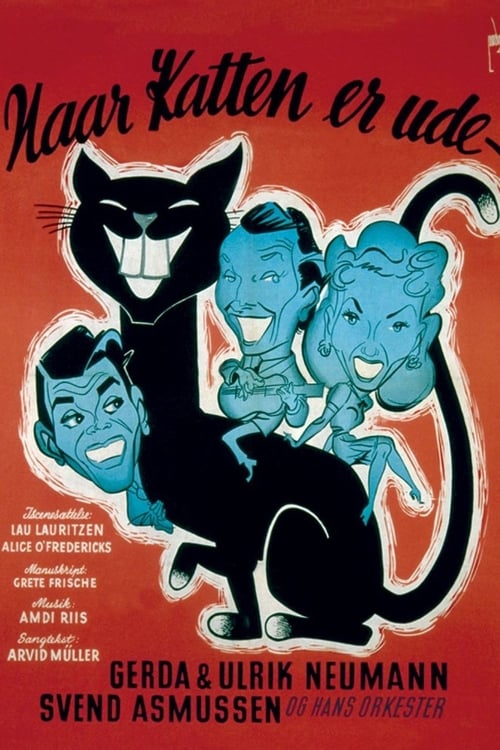
It's not always easy being a father – archivist Jørgensen knows this all too well. His only son, Bent, is more interested in the band he and his friends have formed than in his studies. One evening, as the house shakes with syncopated rhythms, the archivist loses his hard-won patience and gives his son the choice between giving up his music or moving out of the house. The next day, Bent seeks out his two friends to complain about his plight, but his friends have more than enough of their own worries, which can be summed up in one word: money.
Naar katten er ude
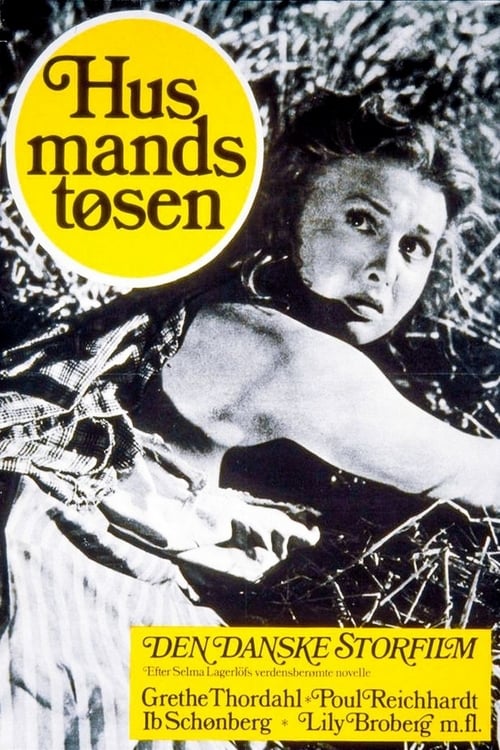
Helga is on a farm, where she is seduced by her husband, Per Mortensen. As it turns out she is with child, she gets a tough time among local residents. They consider it the greatest shame that can befall a young, unmarried girl. Per refuses bargain to be the father of the child. Her parents can not afford to keep the baby, so she tries to go to court - without result. Fortunately, she gets a new duty station at Torpegaarden where she thrives. In particular, she has a good eye to his son on the farm, Gudmund. He also liked the young girl
Husmandstøsen

Eight old school friends meet at Tove's to discuss what has happened in the last 10 years. Some have made careers, others have become homemakers, some are married and others alone. The community is intact, but what no one knows is that Tove is hiding a big, unhappy secret.
We Meet at Tove's
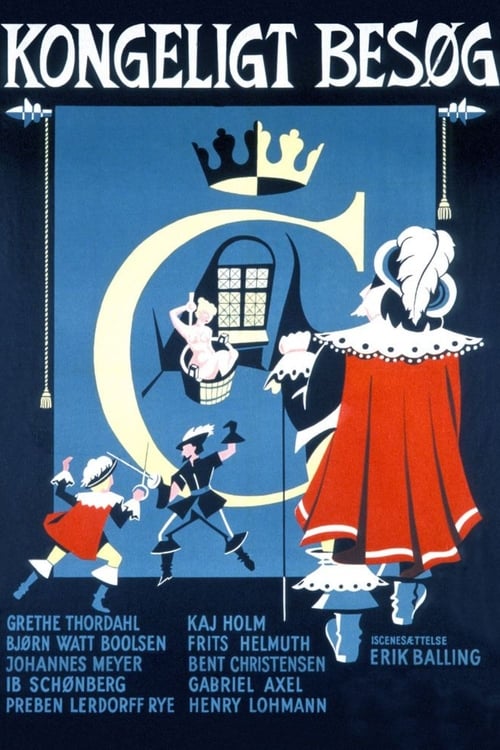
In the year 1646, Denmark is at peace. Only recently have the last occupying troops left Jutland, leaving behind the sad traces of iron heels. The administration has partially collapsed, the kingdom is short of money, and what money there is is unevenly distributed. This is the unusual and sad background to this unpretentious account.
Kongeligt besøg
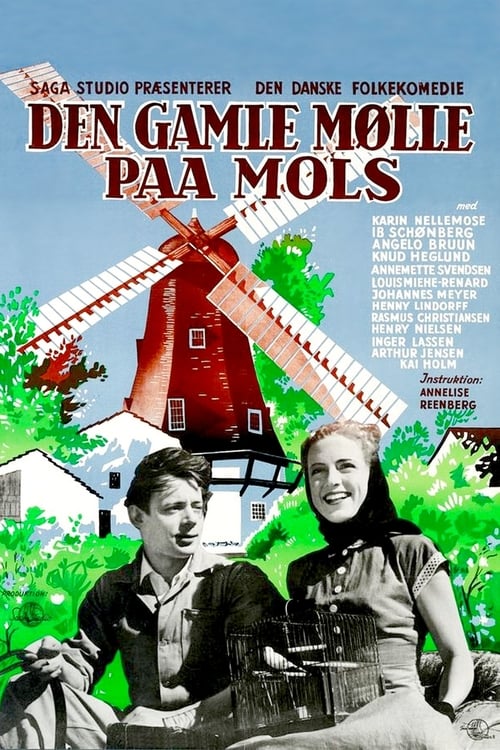
A young, beautiful girl arrives at Krogerød Kro on Mols and shocks the innkeeper by telling him that he is her father. At the same time, the inn is about to lose its liquor license, threatening its very existence. The innkeeper tells the girl that both he and his friend from his military days have paid child support to her, as no one knew which of them was her real father.
Den gamle mølle paa Mols
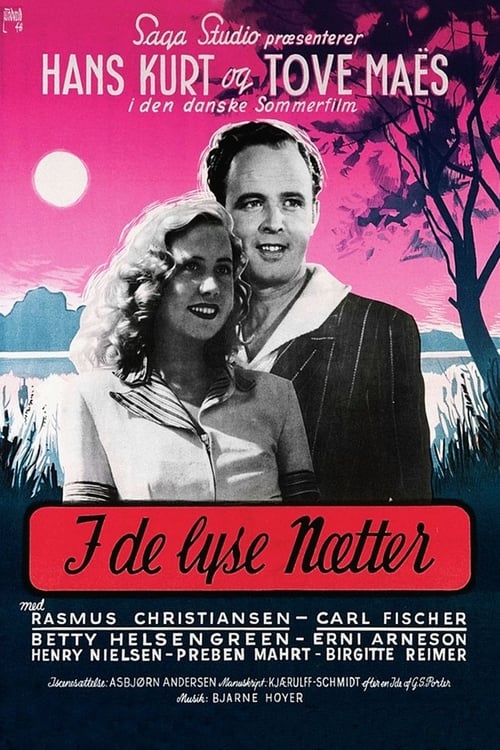
What could be more beautiful and delightful than the Danish summer when it shows itself from its best side? Director Rasmus Strang enjoys it at his country house with his two daughters, Ulla and Linda. Ulla, the eldest daughter from Rasmus Strang's first marriage, runs the household with a firm hand and keeps her stepsister Linda isolated and unnoticed. Linda is not allowed to go out. Linda is not allowed to have new, stylish clothes.
I de lyse nætter
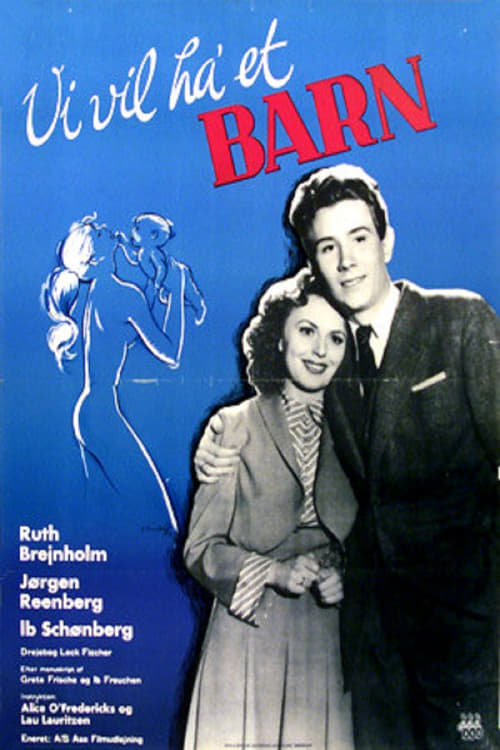
Else and her husband want a child but Else can't have one following an abortion performed before she got married. When Jytte, her friend, a salesgirl who is the mistress of a married man, tells her she is pregnant, Else thinks she has worked things out: along with her husband she will adopt the unwanted child. But things turn out differently since Jytte decides to keep the newborn the moment she sets eyes on it.
We Want a Child
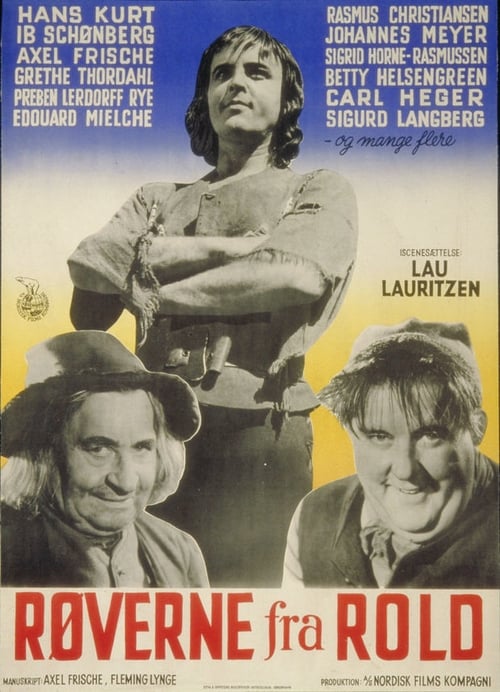
Our bandit story takes place in the good old days, when strife, war, and lawlessness were the order of the day—a time quite unlike our own. In Rold Forest, the daring robber chief Justi roams, stealing from the rich to help the poor. His right-hand men are Reinald, who is more interested in the cash rewards, and the cunning minstrel Ole Hopsasa, whose greatest joy is to quench his ever-burning thirst and sing a cheerful song.
Røverne fra Rold

The young bank assistant Harald Løve is not particularly suited to sharing his name with the king of beasts. At least, courage and decisiveness have not been his strongest qualities thus far; quite the contrary. Løve is a timid man who is afraid of almost everything and everyone, not least his boss, the arrogant and somewhat eccentric provincial director, bank director Nikolajsen.
Mod og mandshjerte
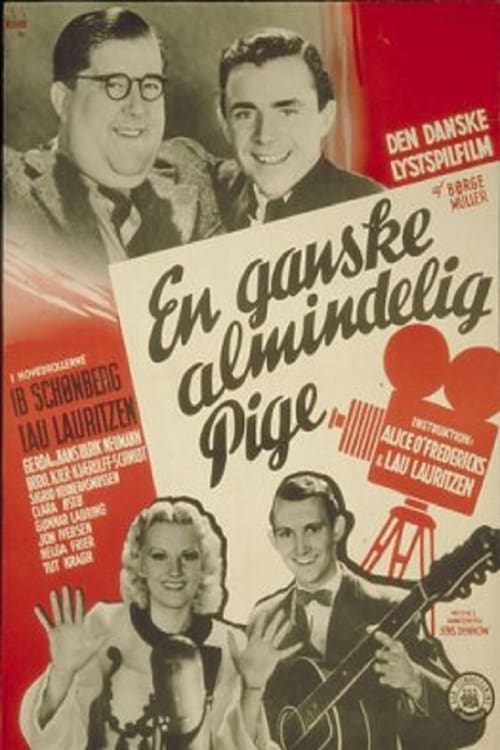
Tove (Bodil Kjer) is a modest and ordinary girl dreaming of winning the competition to become the next big movie star. She applies with a photo of her more beautiful sister Grete (Gerda Neumann). The competition, however, is already rigged.
En ganske almindelig pige
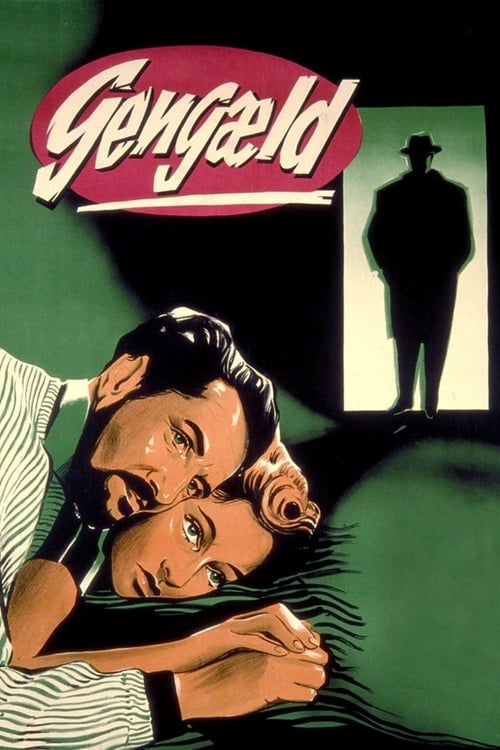
In one of Copenhagen's suburbs stands a large house, a villa-like property. The house is owned by the widow Elise Thomsen, who lives on the ground floor with her adult son, Eigil. Mrs. Thomsen rents out most of the villa. On the first floor lives the author Stefan Donner with his wife Lili and their 9-year-old son, Peter. Donner is talented but poor. The financial pressure on him and his family is getting on his nerves.
Gengæld
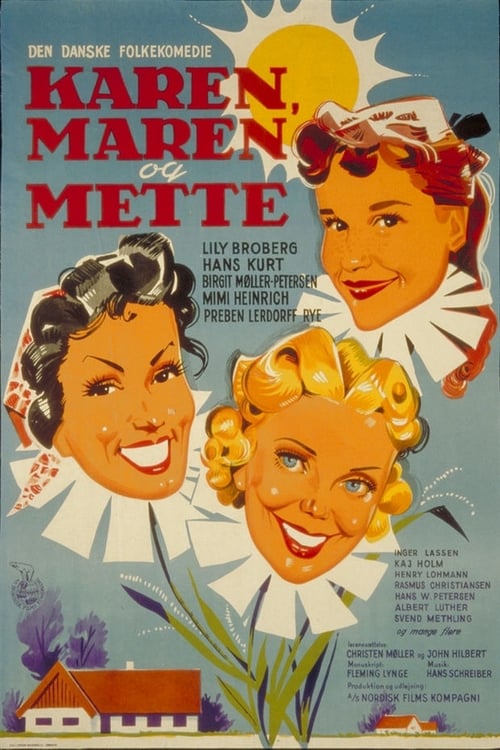
Among the many guests at the Rebild festival is Andreas Andersen, a man in his early 30s. But he has not come to Denmark to attend the big festival. Seventeen years ago, he was a poor farmhand at "Hovgården," but he fled the country because the farmer's wife, the authoritative Martha Larsen, accused him of a theft that was actually committed by her son, Henrik. Andreas came to America and led a turbulent life here before becoming a farmer and earning a lot of money.
Karen, Maren og Mette
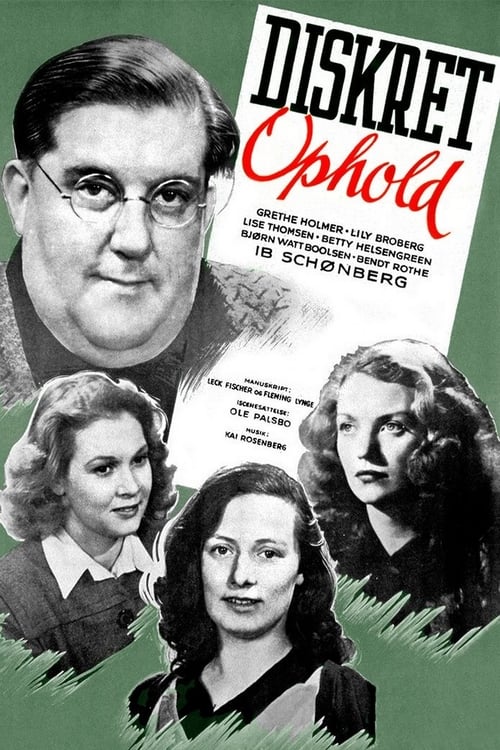
In order to supplement the family income, Marius Bastrup rents his unused rooms to young women looking for a "discreet stay." The drama in the film revolves around the young women and their circumstances, especially as it relates to one girl's abortion.
Discretion Wanted
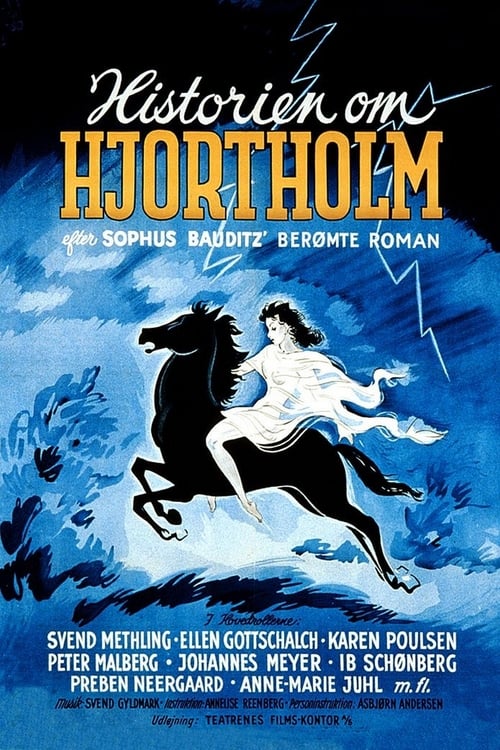
The estate Hjortholm is rescued from bankruptcy, as the pleasant doctor Christian Riis fetches the young engineer Erik Kongsted to the estate.