Acting
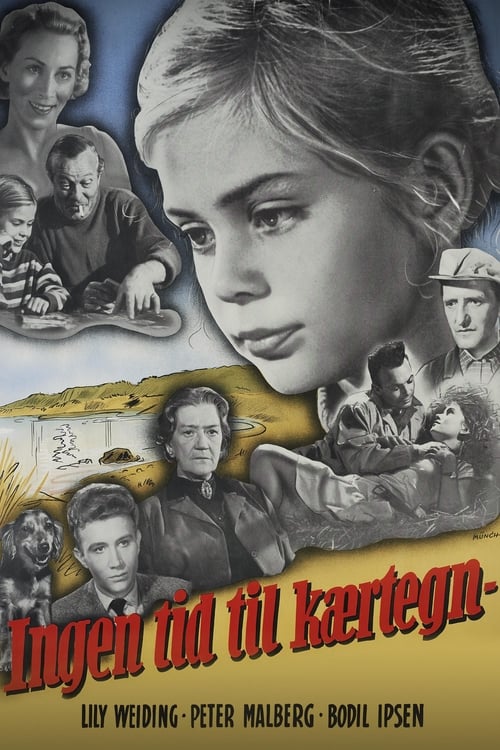
The Danish Ingen tid til Kaertegn (Be Dear to Me) is heavily reliant on the appeal of its star, 8-year-old Eva Cohn. Our heroine is the neglected child of a businessman father and actress mother. Feeling that happiness lies well outside her own backyard, Eva goes on a search for that happiness. The longer she stays away, the more her parents realize that they've unfairly ignored her. The plot is nothing new: it's what is done with it that pleases the eye and ear. Ingen tid til Kaertegn was one of the more popular entries in the 1957 Berlin Film Festival.
Sabotage of a Nazi factory is carried out by the husband of the lover of a resistance leader.
Grethi Birger is 17 years old - and now stands all alone in the world. Her mother, the great singer, has died in Paris and she has never known his father.
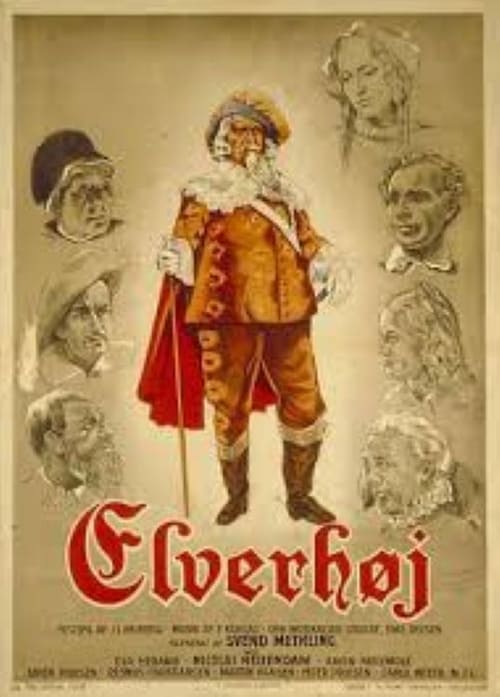
The king's presence, his courtier Poul Flemming, who loves Elisabeth Munk, is to be the king's deputy at the wedding. However, the king hears rumors that the sheriff Albert Ebbesen has often been seen at Elverhøj with an elf girl, and when Ebbesen now arrives, he must explain away his secret meetings with the elf girl to the king.
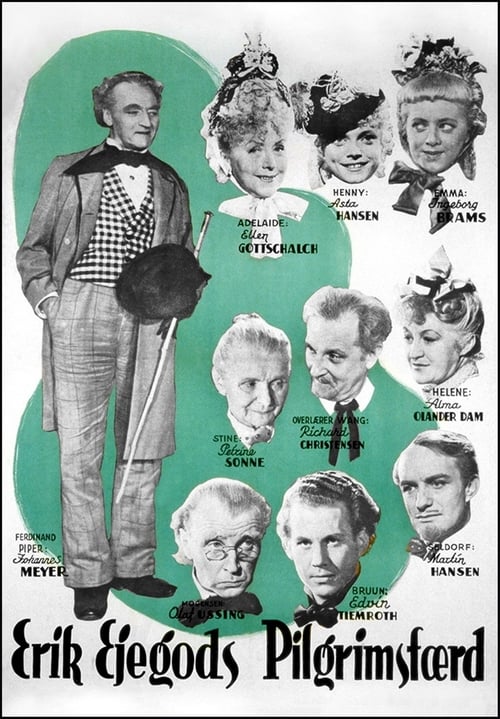
A large Danish provincial town in the year 1888. Headmaster Wang's wife needs recreation, and the kind headmaster sends her and his youngest daughter Emma to Fanø. In his solitude, he delves into his youth memories and invents, among other things, a "Nordic tragedy", which he wrote during his student days and gave the proud title "Erik Ejegod's Pilgrimage". A theatre director encourages the headmaster to have the play performed at the theatre.
Soya's satirist take on variations of Danes, who willingly or unwillingly came to deal with German troops during the five year Second World War occupation.
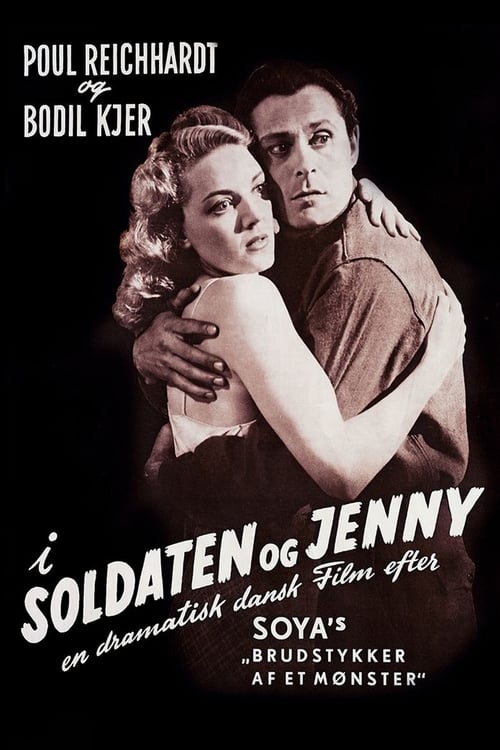
A good natured soldier with a killer right hand falls in love with a beautiful girl who has a troubled past.
A soldier finds a magic tinderbox, and when he learns of its true power, he looks to use it to win over the local princess.
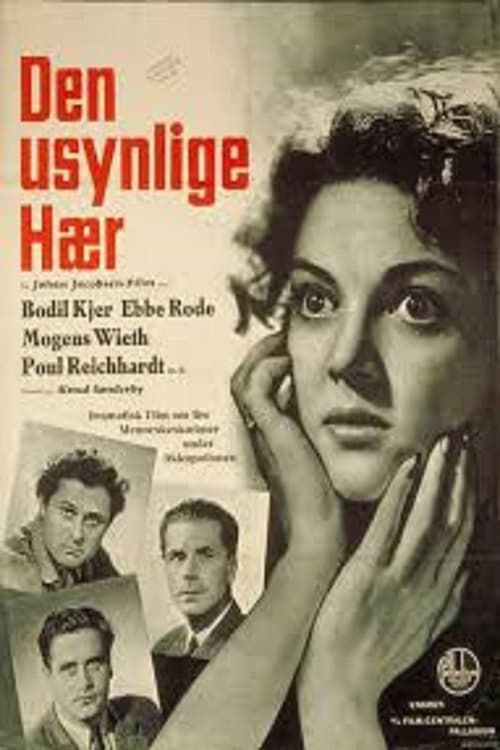
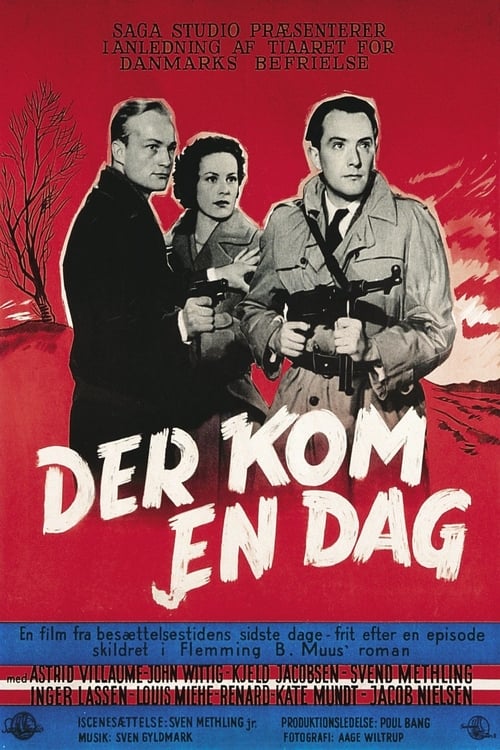
This film is based on a true story, depicted in the novel of the same name, "Der kom en dag" (The Day Came), written by Flemming B. Muus. Quote: On April 9, 1940, we surrendered, under protest, to an army that broke all treaties, attacked our borders, occupied our country, and seized all executive power. But soon, the will to resist was born. Groups of people came together in a common desire to help win the war and liberate our country.
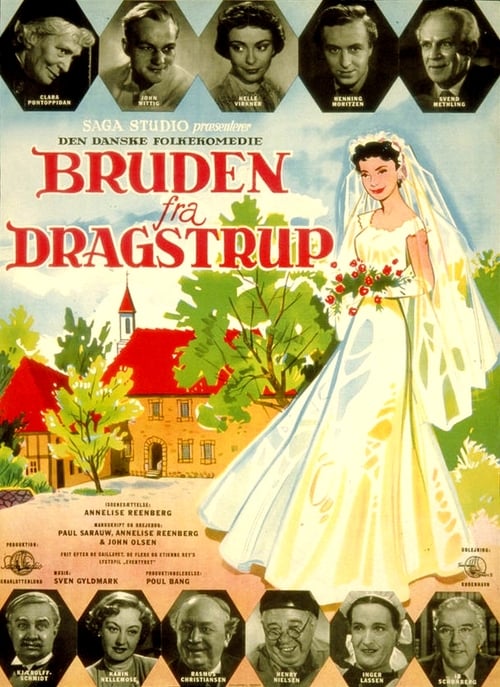
At Helene Dragstrup's 20th birthday, her grandmother Margrethe decides that it is time that Helene learns something about life outside the protective walls of the estate.
It's a warm summer evening in North Zealand. Black clouds are rising over the horizon and threatening thunder. Margit is cycling from the small guesthouse where she has settled down for her summer vacation to a party at a friend's house, which lives a few kilometers away. Margit is wearing a black dress and looks quite stunning, coming there on a bicycle - but it's necessary, because the landlady has decreed that all her guests must wear black - "it looks so good on her white terrace".
Seminal Danish documentary about Nazi Germany's occupation of Denmark in the Second World War between 1940 and 1945.
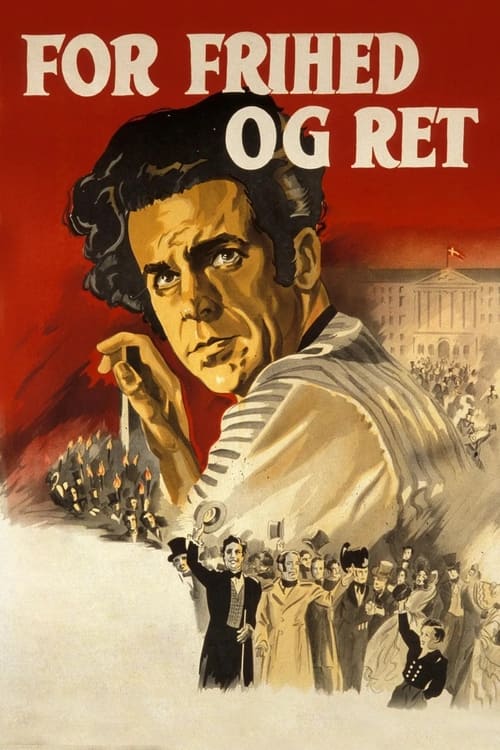
A picture of the life of the Danish people from the late 1820s to the introduction of the free constitution in 1849. A fictional character, Rasmus Nielsen, travels around the country, first as a traveling teacher, later in other positions, and through his experiences we are introduced to the conditions of various population groups. The central figure in the portrayal of historical figures is the politician Orla Lehmann.
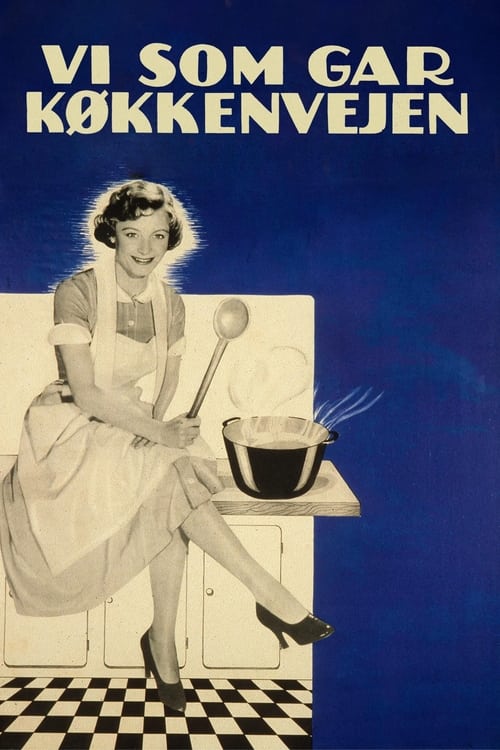
The beautiful and spoiled manufacturer's daughter Helga defiantly bets with her friends whether she can survive a whole year as a working housekeeper without financial help.
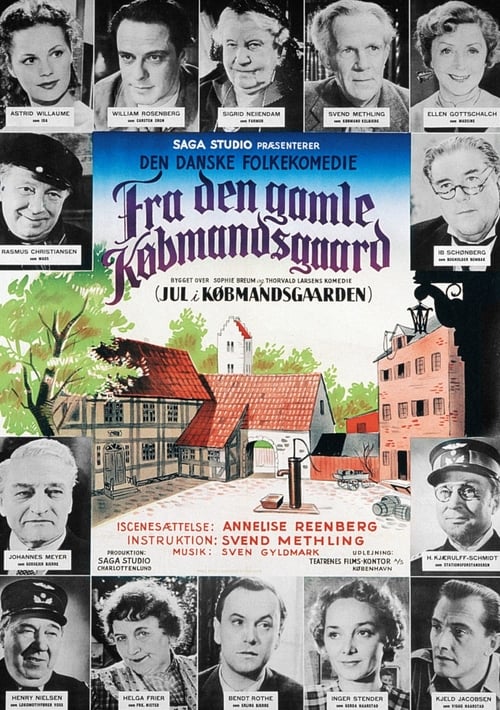
Two rival young men both desire the merchant's pretty daughter, a bad young man robs the merchant's safe and blames it on "mother-in-law's dream", a worldly-wise grandmother directs the battle of love from her living room, and a couple of silly railway workers spread song and joy.
No description available.
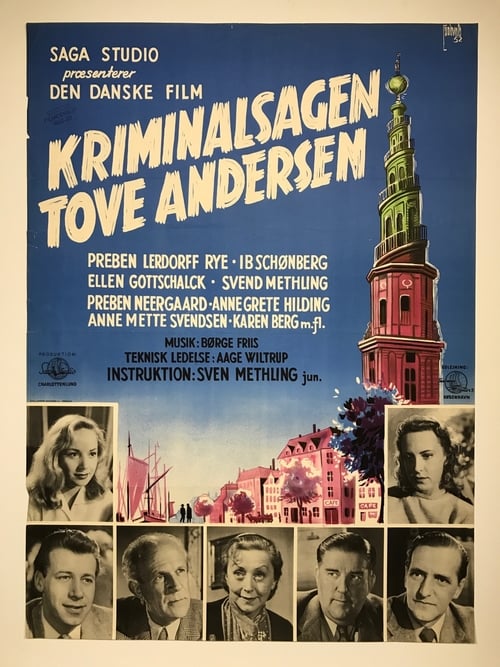
Tove Andersen's problem ends in Christianshavn's moat, and this is where the film begins. The body has a noose around its neck. The homicide division is called in, and it turns out that shortly before her death, she had undergone an illegal operation. An unscrupulous womanizer had abandoned the young student from the countryside when the relationship had consequences. The doctor rejects her after a beautiful lecture on the sanctity of life, and she must therefore rely on "private" help.
What might become the greatest challenge for the elderly Brasen couple having opened a summer guest house by the sea? Financial struggle or the sudden influx of demanding residents? Based on Herman Bang's short-story.
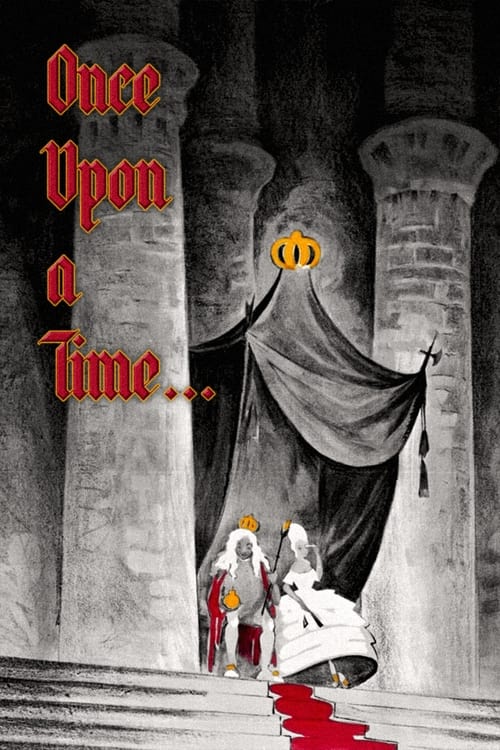
A beautiful but imperious princess refuses all offers of marriage, often condemning her suitors to death. The prince of Denmark comes seeking her hand and, aided by magic objects given to him by a mysterious spirit, seeks to win her love.
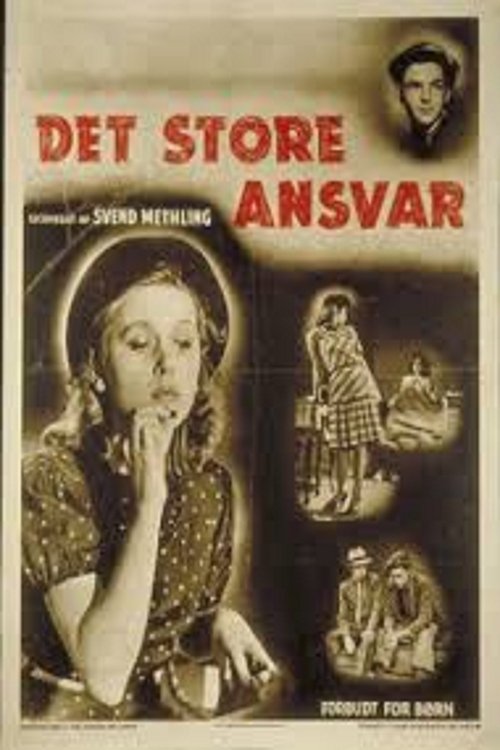
One day, many parents received a letter from the school, with the following wording: "To the parents! It is you who are concerned - It is you to whom I want to speak about the responsibility of parents towards their children, so I ask you to come to the Odd Fellow Palace on Friday the 22nd at 8 pm and hear what I have to say to you."