Acting
Mikolás and his brother Adam end up with a young German hostage of noble blood during a robbery. While their clan prepares for the wrath of the German king, Mikolás is sent to pressure his neighbor Lazar into a defense pact. Persuasion fails and he abducts Lazar's daughter Marketa on the eve of her initiation as a nun in an act of vengeance.
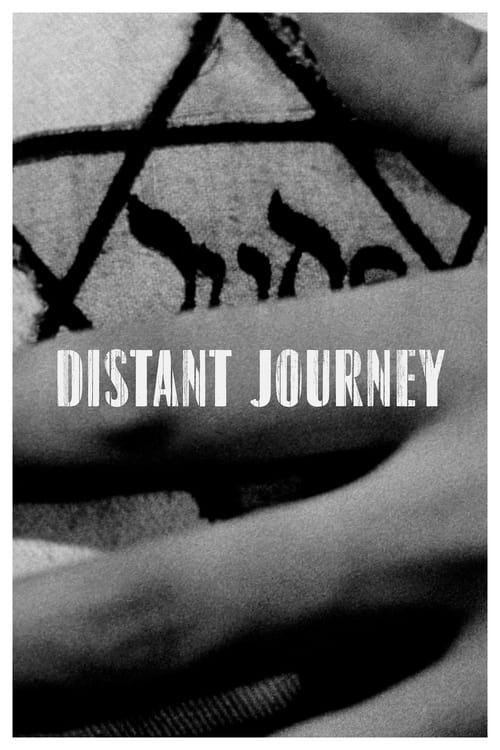
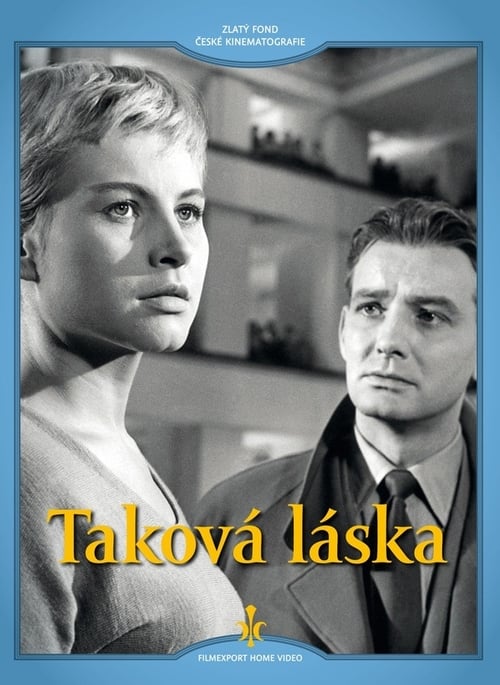
Prague, during World War II. Hana Kaufmann, a Jewish ophthalmologist, marries Dr. Antonín Bureš, a Christian man. When her family is sent to the Theresienstadt concentration camp, their romance turns into a struggle for survival.
No description available.
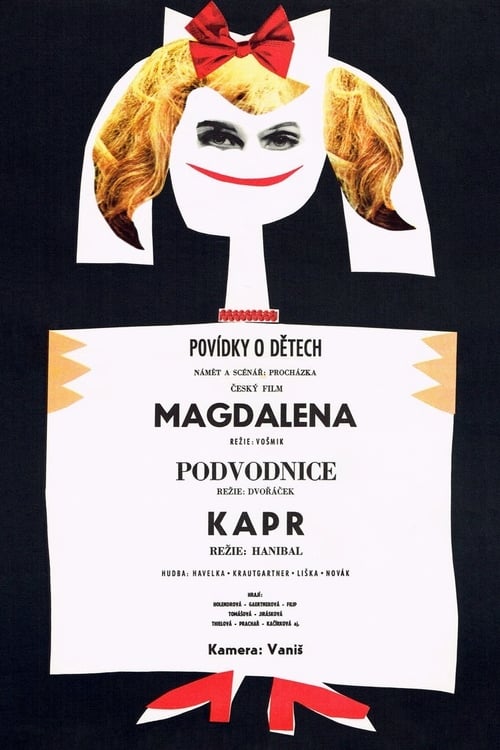
Three small short stories, each of which was created by one of the famous Czechoslovak filmmakers of children's films: Magdalena, Fraud and Karp.
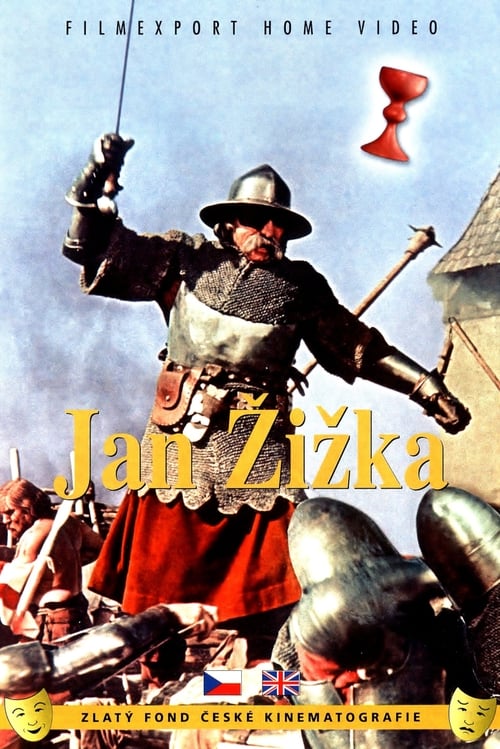
The second part of the revolutionary Hussite trilogy takes place in the years 1419-1420.
The growing conflict between the unruly owner of the villa and his lodger ends up in court. The cohabitation ends in bodily harm - and the film actually translates two versions of the same events, as seen by each of the parties involved. However, the attempt at morality, which proclaimed the necessity of removing the old survivals in people's thinking, did not quite work, and the testimony presented is at times a bit stiff.
A Nordic tale of human weakness and strength... Young Hjalmar, son of Gunar, lord of the manor, sets out on a long journey to meet the Queen of the North. He wants to find out whether the queen is really as cruel as rumored, demanding a human sacrifice on the longest night of winter. Hjalmar comes to realize that the queen has lost faith in foolish people and has therefore imprisoned Spring in eternal ice. The love of the girl Sigrid awaits him there, but first he must soften the icy and disappointed heart of the Queen of the North. But since he has received three gifts of love, he will surely succeed...
The commander of the military training camp, newly promoted Major Cibulka, keeps his subordinates in line. Because of an unexpected emergency, he refuses to give leave even to the young lieutenant Zabran, whose wife is due to give birth any day. In addition, a false article appears in an army newspaper claiming that Zábrana is an example of a bad company commander. In fact, it is he who has the best leadership skills. Fearing for his wife's health, Zábrana disobeys orders and departs for Prague at night to visit his wife in the maternity ward. Cibulka decides to push the envelope even harder, and drives Zábrana, whom he has long disliked, before the prosecutor.
A student commits suicide out of unhappy love to a married man; story is recounted in retrospective by a "judge" who asks the audience to decide who is the guilty party.
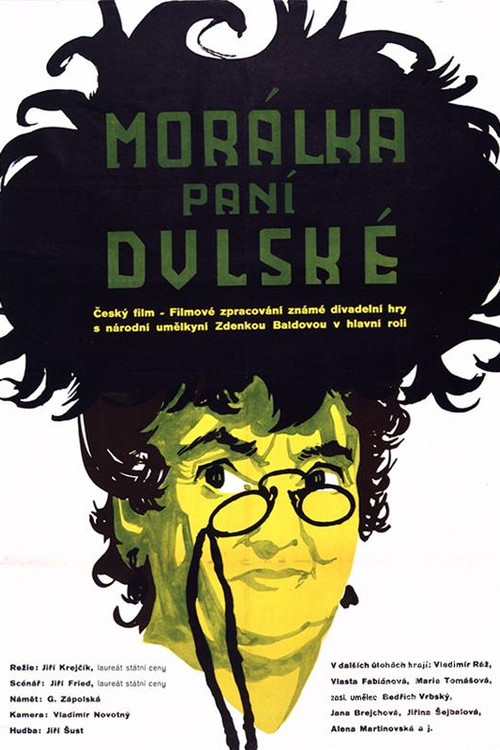
The suffocating conditions in a bourgeois family were depicted in several films in the second half of the 1950s - this one is one of the lesser known, although it achieves great emotional impact, free from the first ideological pressures. The title character, the owner of the tenement house Mrs. Dulská, controls her relatives and tenants with a firm and despotic hand. To achieve her goals, she masterfully combines tears, blackmail and insidious intrigues, or does not hesitate to abuse the trusting and handsome maid Hanka when she wants her son not to fool around. Everything suddenly turns around when Hank gets pregnant... But the appearance of a good reputation is more important to her than anything.
The unfortunate 1930s also befell the student Standa Půlpán. For existential reasons, he had to abandon his studies and entered the mines. However, he only slowly and with difficulty became close to the older miners, rough men who were closed in on themselves. Only his brave stand in rescuing people who were trapped in a mining accident will win him the solidarity of the entire mining collective. Even Karel Čapek's draft once lent itself to promoting an exacerbated class interpretation of social relations.
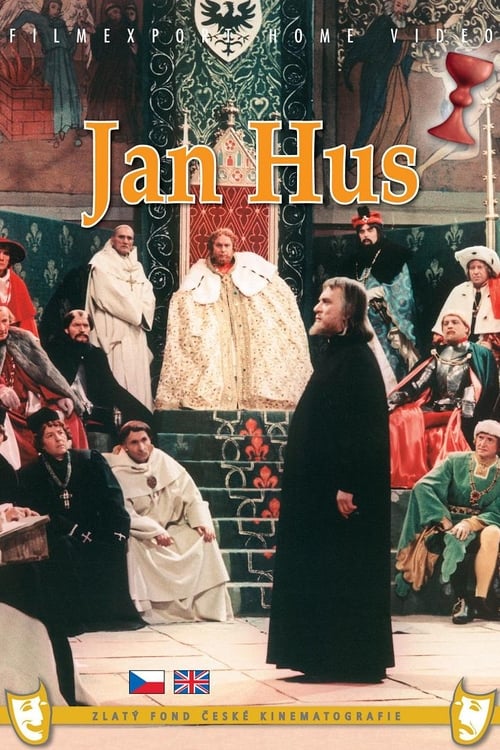
The first part of the "Hussite Revolutionary Trilogy", completed with Jan Žižka (1955) and Proti všem (Against All Odds, 1957). The film captures the period from May 1412 to the summer of 1415, a turbulent time in the Czech Kingdom, during which there were protests in Prague against the sale of "omnipotent indulgences" whose sale throughout the kingdom was announced by Pope John XXIII. The ideological leader of this movement is the preacher Master Jan Hus, whose words, calling for the elimination of church abuses, are listened to in the Bethlehem Chapel by thousands of ordinary Praguers, Czech lords and Queen Sophie, wife of the Czech King Wenceslas IV.
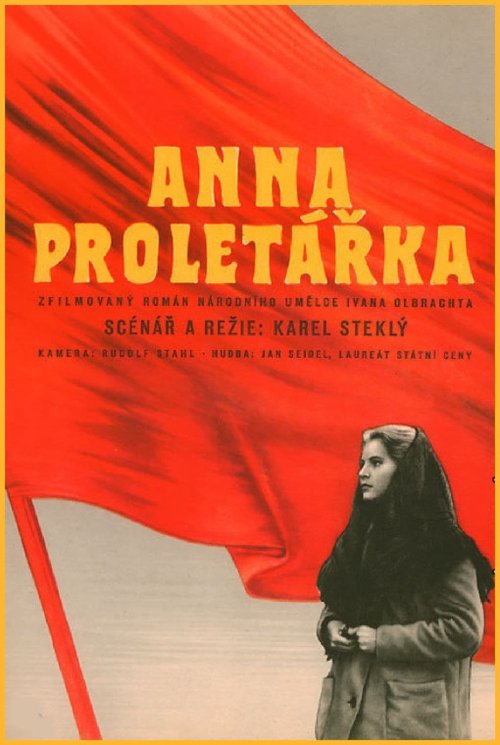
The movie describes proletarian life in the Czech Lands after World War I.
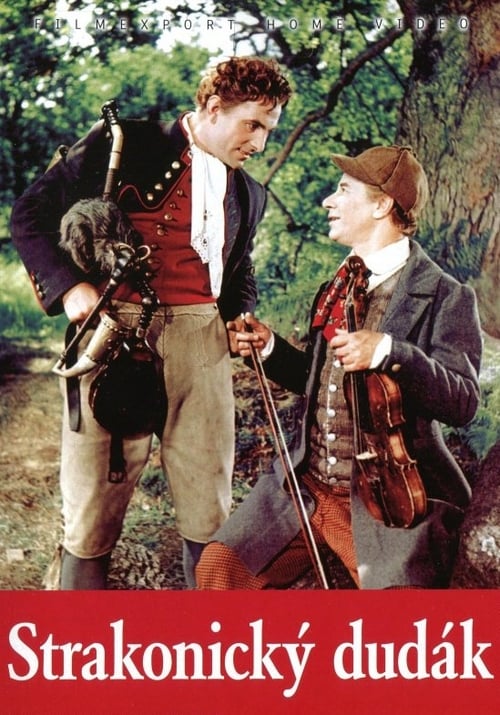
The story of the piper Švanda, who went abroad for money and fame, but whose love for his homeland ultimately wins.
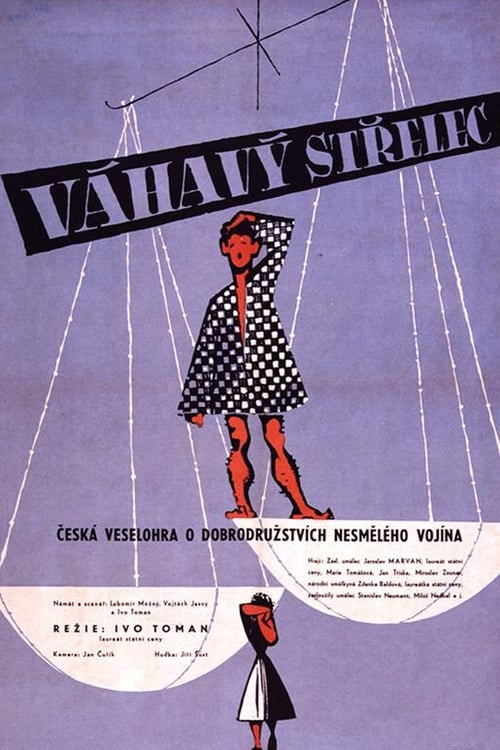
The hesitant shooter becomes a timid young man who only the war will make a real man.