
Naďa Hejná
Acting
Known For
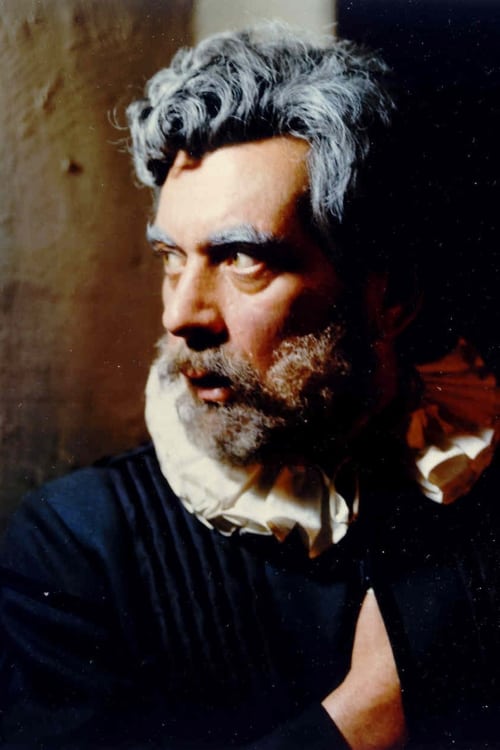
Series about the life of Renaissance anatomist, scholar and politic Johannes Jessenius. Already legendary series today, was produced by Czechoslovak Television Bratislava, directed by Slovak director Miroslav Luther in the first half of 80's in Barrandov Studios in Prague. The story and screenplay of the series wrote Czech writer Vladimír Körner. Five-episodes epic historical narration is a biographical story of distinguished Renaissance scholar, anatomist and politic of Slovak origin, Johannes Jessenius (Ján Jesenský, 1566–1621). It displays his life from the first studies and successes. In 1594 he became professor of surgery and anatomy on Wittenberg University, which he had attended years before. From that moment, his life went through social and personal wins and losses, to the sad end on the Prague Old Town Square gallows, among 27 noblemen, knights and burgenses, after lose Bohemian Revolt in 1621. His destiny was coupled with key events of Czech history in the break of 16th and 17th century, when Renaissance and European humanism slowly fade out.
The Physician of a Dying Time
No description available.
Straty a nálezy
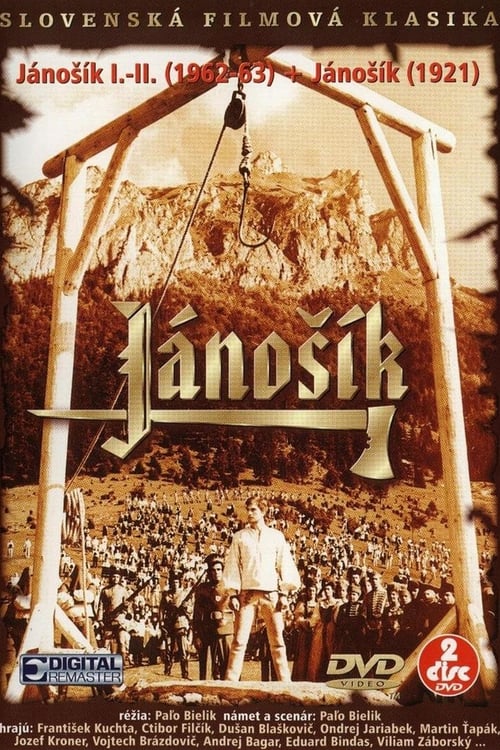
This film is one of the most popular pictures of Slovak cinema and relates the story about the legendary folk hero and brigand Juro Jánošík [1688-1713] and the social situation in Slovakia of the late 17th and early 18th centuries. The first part talks about Jánošík's childhood, studies and return to his native village. In the second part Jánošík leaves for the hills, where he organizes his band of brigands and starts an anti-feudal resistance. The film concludes with Jánošík's execution.
Jánošík
The series depicts the history of Slovak society in the first decades of our century and leaves a deep faith in humanity and the nation. It tells the life story of Pavlínka, the daughter of a laborer and innkeeper, whose fate is filled with love, social ambitions, and unfulfilled dreams, and who ultimately returns to the basics of life, to naturalness and wisdom.
Život bez konca
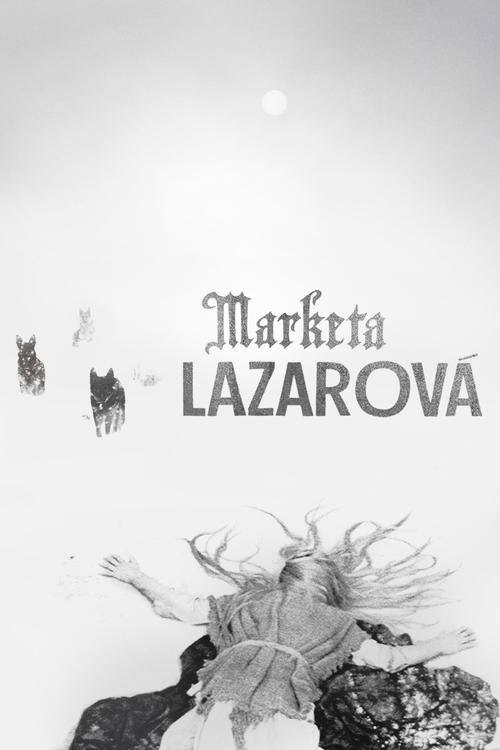
Mikolás and his brother Adam end up with a young German hostage of noble blood during a robbery. While their clan prepares for the wrath of the German king, Mikolás is sent to pressure his neighbor Lazar into a defense pact. Persuasion fails and he abducts Lazar's daughter Marketa on the eve of her initiation as a nun in an act of vengeance.
Marketa Lazarová
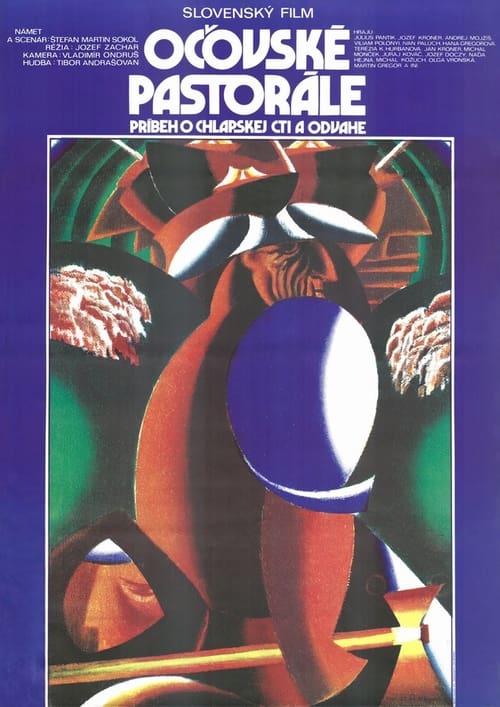
The story of a peasant whose harshness and bluntness only provoke disputes and anger, and his honesty and sense of truth and honor in conjunction with the previous qualities only exacerbate these disputes. The Slovak village with its collective farming, confronted with the habits of a square nature, raised by private farming, creates the main plot and conflict. In parallel, there is a lyrical motif of the young generation, whose love relationships do not care about the old ridiculous anger of the old generation.
Očovské pastorále
No description available.
Sršne v úli
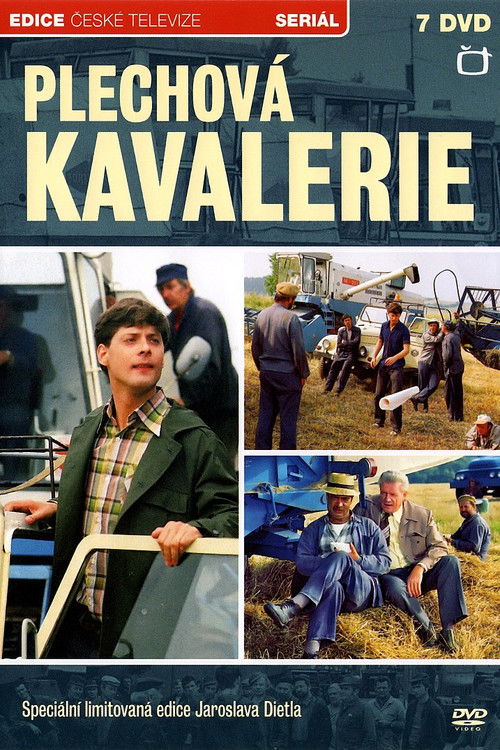
Plechová kavalérie is a Czechoslovak/Czech TV series about combine operators filmed by Jaroslav Dudek.
Plechová kavalerie
No description available.
Dobrí ľudia ešte žijú
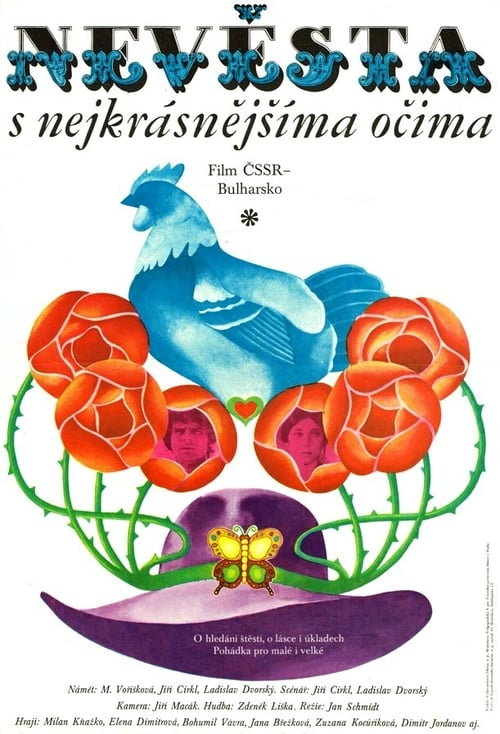
Exotic, yet lyrically aimed fairy tale about a young gypsy Pista in search of a beautiful, gentle and faithful bride. An old man told him where to find a girl with those qualities, so Pista sets out on a journey to find the girl of his dreams without knowing that she is special: an hour a day human and rest of the day a chicken...
The Bride with the Most Beautiful Eyes
No description available.
Vitaj, Zuzanka...
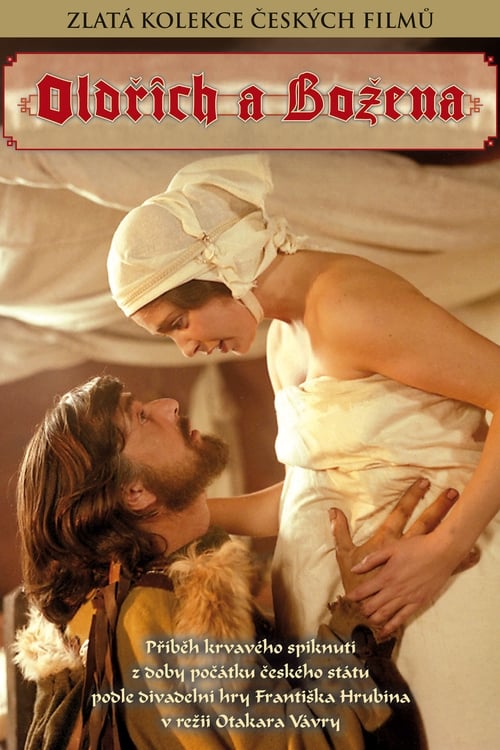
At the turn of the 10th and 11th centuries Boleslav's kingdom fell apart in the fratricidal war between the Přemyslovci and the other clans the main profiteer of this being the German emperor. At that time it seemed as if the Czech state and the lineage of its princes was awaiting its end..." It is with these words that the tale of this film begins, whose narrative is based upon the the play by František Hrubín of the same name.
Oldrich and Bozena
No description available.
Zločin Arthura Savila

Jakub, a dreamer and budding magician, juggles between parcels and services rendered to the villagers. His eyes cross that of the beautiful gypsy Jolanka. Together, they will try to live a first and big love, despite the pressure of their respective communities.
Rose Tinted Dreams
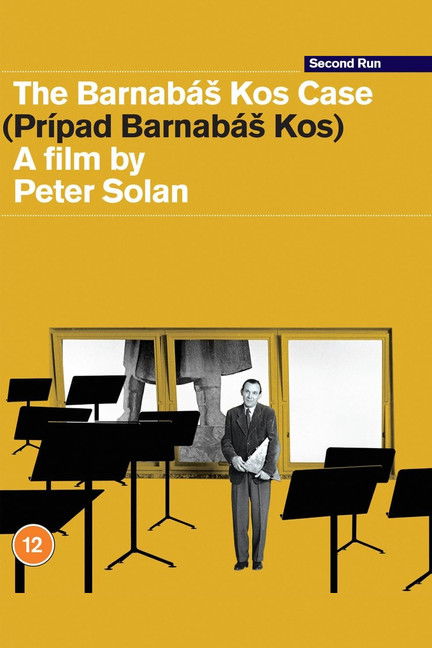
Barnabáš Kos, a meek and modest triangle-player in a state orchestra finds himself unfathomably promoted to musical director. Now drunk with power, the once timid musician turns into a poised, commanding peacock and seeks to transform the orchestra to suit his own agenda and inflated vision.
The Barnabáš Kos Case
The film adaptation of the novel of the same name by Peter Jilemnický is a drama about the life of poor Kysuce miners, which takes place in the thirties during the economic crisis. During the peak wave of emigration, the dream of a better life drives thousands of people to America for work. Others, in order to support their families, leave for the surrounding towns. Produced by the Bratislava Art Film Studio, studios and laboratories Bratislava - Koliba.
Unploughed Field

In the dead of night, a few hours after Mozart's death, the usual suspects are summoned to Mozart's room by Count Pergen, head of the secret police, who considered Mozart a potential revolutionary. Over the corpse, he interrogates them, trying to discover the true cause and significance of Mozart's demise.
Forget Mozart
Seven people waiting for their death. A group of assasins - three men and two women - and Gypsy thief spend their time in prison to be tucked up.
The Ballad of Seven Hanged Men
Krista Bendová's original television comedy set in a village setting, Revenge, directed by Ján Roháč, is the story of the secretary of the Local National Committee and his energetic octogenarian grandmother, who is actually hiding behind everything that happens in the village of Bumbaľany. The immense comedic talent of Nadi Hejná contributed significantly to the audience's appeal of this great comedy.
Pomsta
The beautiful, bright and intelligent, but perfectly mischievous Marquise de Mertuil and her charming and equally depraved and ruthless friend, the master of seduction Vicomte de Valmont play a cynical game full of intrigue. The marquise is willing to devote one night full of passion to the viscount. However, on the condition that the viscount first deflowers the innocent Cecile de Volanges, who is to marry her former lover. In the end, they themselves become victims of their own dangerous game.