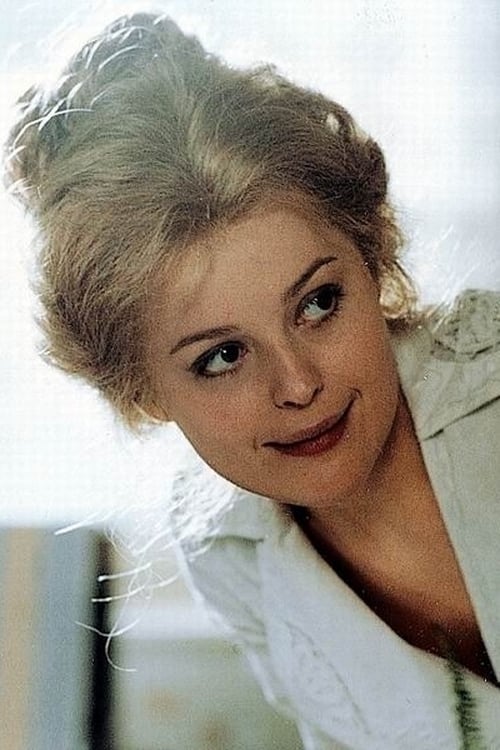
Magda Vášáryová
Acting
Biography
Magda (Magdaléna) Vášáryová (* August 26, 1948, Banská Štiavnica) is a Slovak politician and former actress and diplomat. Since 2006, she has been a member of the National Council of the Slovak Republic for SDKÚ-DS. On 12 December 2013, she resigned from the party and until the start of the so-called The third government of Robert Fico (2016) worked in the National Council of the Slovak Republic as a non-attached member of parliament. She began her successful acting career as a 15-year-old in the film Senzi Mama (1964). From 1966 to 1971 she studied sociology at the Faculty of Arts of Comenius University in Bratislava. Since 1970 she has worked as an actress in the Korze Theater, the New Stage (1971 - 1983) and in the Slovak National Theater (1983 - 1990). She is the author of book memoirs about Banská Štiavnica Short Letters to a Town (1988). In 1988 she was awarded the title of Merited Artist. From 1990 to 1993, she served as the Czech-Slovak ambassador to Austria. During the diplomatic mission, she lived with her daughters in Vienna while her husband stayed in Bratislava. While they provide wife support for diplomats, Vášáryová, as a diplomat, did not receive compensation for the diplomat's non-working wife. Václav Havel and Jiří Dienstbier enforced her compensation payment. On May 3, 1993, she organized a meeting at home, where the Slovak Society for Foreign Policy (SFPA) began to form. From 1993 to 2000, she was its director. In 2020, she is the Honorary Chair of the SFPA Board. In 1998, she founded Občianske oko. In the 1999 elections, she ran as an independent candidate for the post of President of Slovakia. She won 194,635 votes, 6.6%, in the election. She did not make it to the second round. She announced her candidacy in February 1999 in Banská Bystrica. She wanted to confirm the changes in 1989 and 1998. She was the first woman in Slovakia to run for president. From 2000 to 2005, she served as Slovakia's ambassador to Poland. Its predecessor was Ondrej Nemčok and his successor was František Ružička. Since February 21, 2005, she has held the position of State Secretary of the Ministry of Foreign Affairs of the Slovak Republic in the second government of Mikuláš Dzurinda. In the summer of 2005, she joined the SDKÚ. On 12 December 2013, together with Lucia Žitňanská and Miroslav Beblavý, she resigned from SDKÚ-DS. Since November 15, 2013, she has been the president of the Živena association. Her goals after the election were “I still have three goals within Živena. One of them is, in particular, the modernization of communication, the addition of a membership base, and I would also like to raise more money in more modern ways, for example in the form of grants. " Her predecessor was Zora Breier. In 2016, she did not run for parliament again. In addition to Živena, she also led the Institute for Cultural Policy. He also teaches at the CEVRO INSTITUTE in the Czech Republic. In 2016, The Prague Society for International Cooperation awarded her the Hanno R. Ellenbogen Prize for Civil Service and the Lifelong Fight against Corruption. Sister of the actress Emilie Vášáryová. The first husband was the actor Dušan Jamrich. The second husband is Milan Lasica. He has two daughters.
Known For
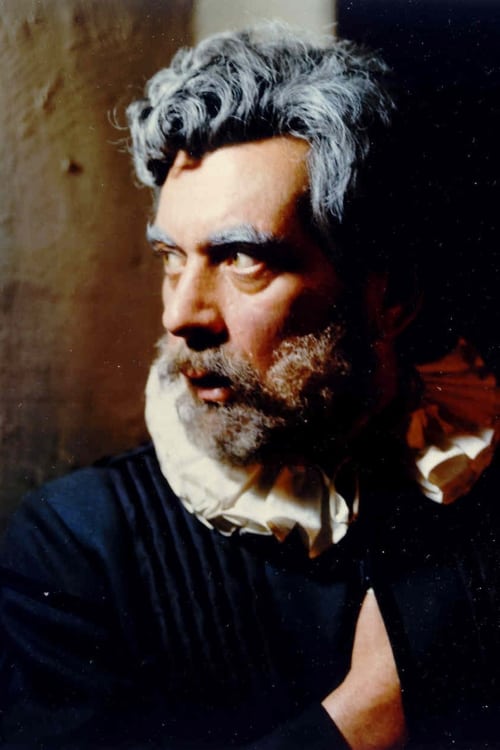
Series about the life of Renaissance anatomist, scholar and politic Johannes Jessenius. Already legendary series today, was produced by Czechoslovak Television Bratislava, directed by Slovak director Miroslav Luther in the first half of 80's in Barrandov Studios in Prague. The story and screenplay of the series wrote Czech writer Vladimír Körner. Five-episodes epic historical narration is a biographical story of distinguished Renaissance scholar, anatomist and politic of Slovak origin, Johannes Jessenius (Ján Jesenský, 1566–1621). It displays his life from the first studies and successes. In 1594 he became professor of surgery and anatomy on Wittenberg University, which he had attended years before. From that moment, his life went through social and personal wins and losses, to the sad end on the Prague Old Town Square gallows, among 27 noblemen, knights and burgenses, after lose Bohemian Revolt in 1621. His destiny was coupled with key events of Czech history in the break of 16th and 17th century, when Renaissance and European humanism slowly fade out.
The Physician of a Dying Time
No description available.
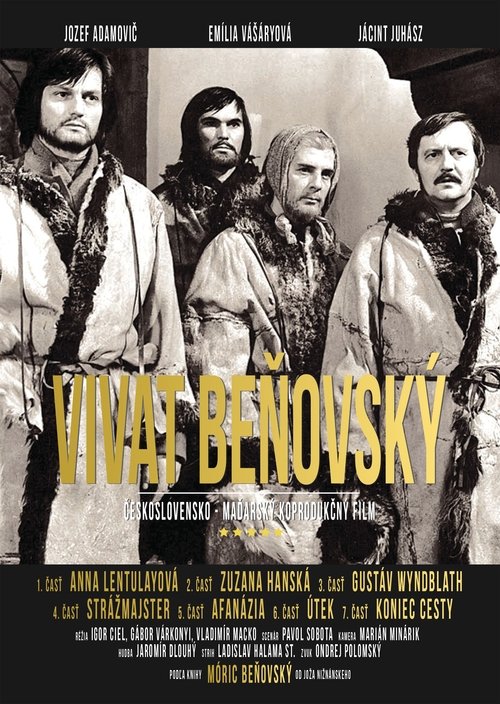
Vivat Beňovský!
No description available.
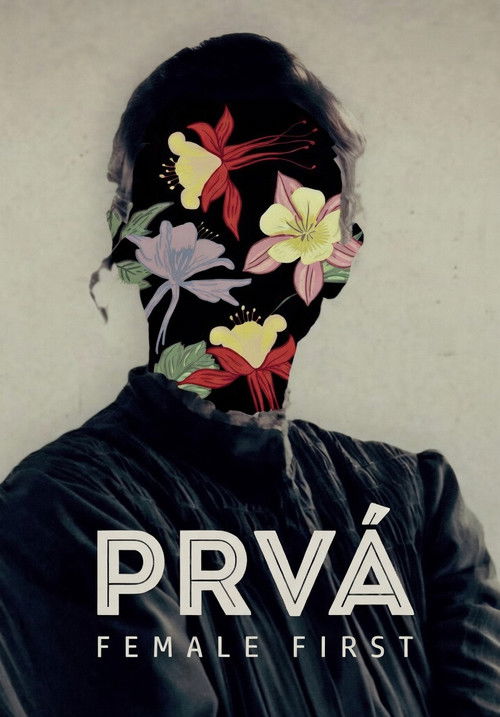
Prvá

When a comet passes the Earth very closely, it pulls a small part of North Africa, and a small swathe of humanity, along with it.
On the Comet
No description available.
Straty a nálezy
No description available.
Hurá na letný byt
No description available.
Sesternica Beta
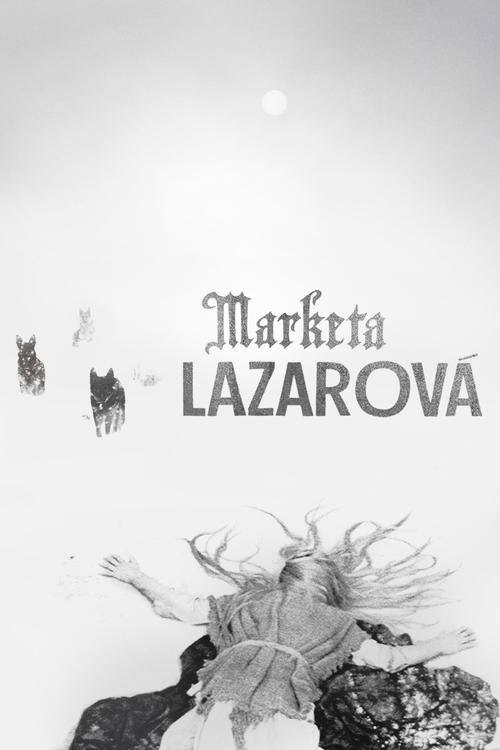
Mikolás and his brother Adam end up with a young German hostage of noble blood during a robbery. While their clan prepares for the wrath of the German king, Mikolás is sent to pressure his neighbor Lazar into a defense pact. Persuasion fails and he abducts Lazar's daughter Marketa on the eve of her initiation as a nun in an act of vengeance.
Marketa Lazarová
No description available.
Bratislavské pondelky
No description available.
Ťaví zadok
No description available.
Dobrí ľudia ešte žijú
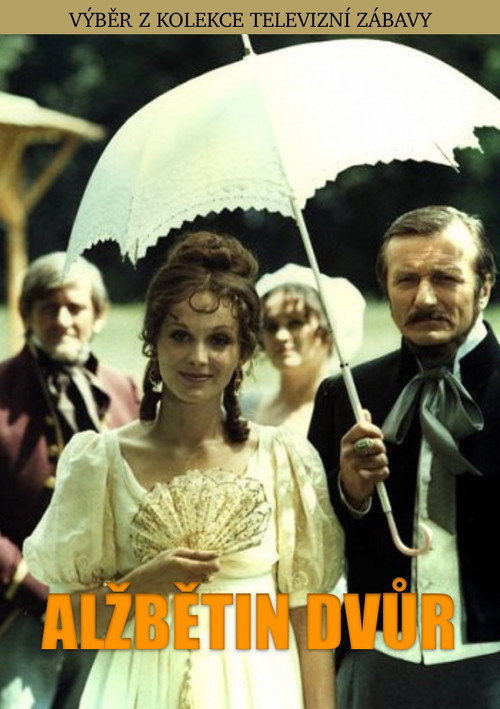
6-part television film based on the historical novel of the same name by Hana Zelinova.
Elizabeth's Court
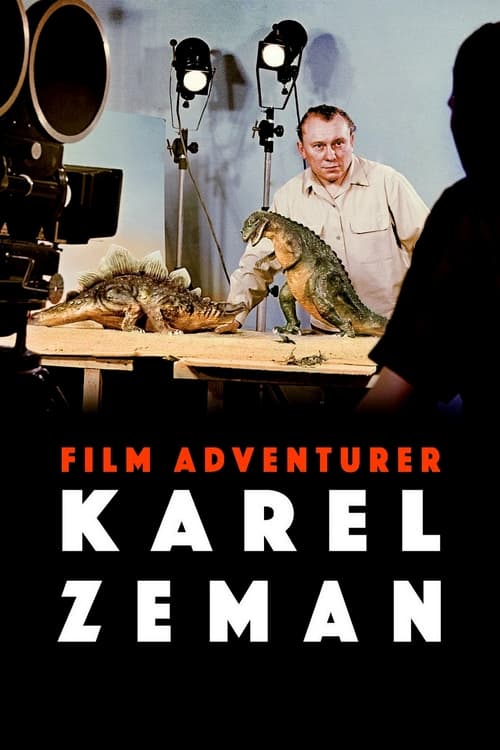
A look at the life, work and importance of Czech filmmaker Karel Zeman (1910-89), a genius of world cinema, a wizard of special effects, revealing his sources of inspiration and his revolutionary filming techniques.
Film Adventurer Karel Zeman
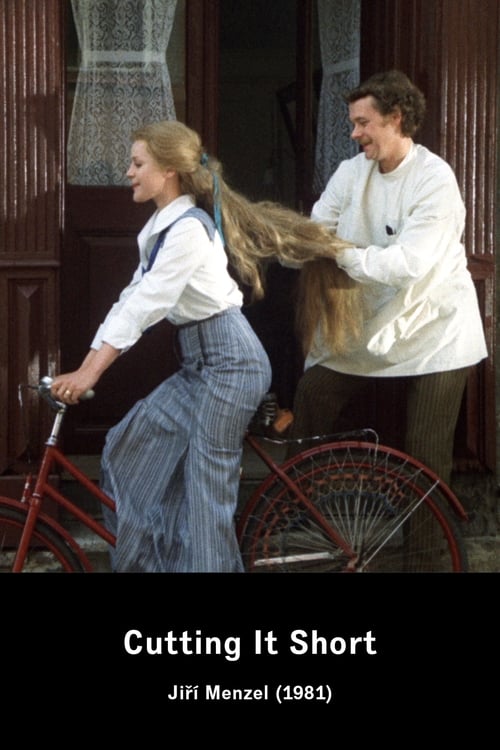
Francin, manager of a small-town brewery, has a charming wife whose abundant blonde locks are an adornment to the town. Maryska looks ethereal but loves meat and beer, while Francin is an ascetic. The strict members of the brewery board of directors come to audit the accounts, but are diverted from concentrating on Francin's detailed reports by Maryska, who has organized a pig-killing feast and is ably assisting the butcher. When she invites the old curmudgeons on the board to enjoy the fresh pork, they are too happy to agree. Francin doesn't know whether he is going to get a permanent contract. To make things worse his brother Pepin - eccentric, noisy and garrulous - turns up on an indefinite visit.
Cutting It Short
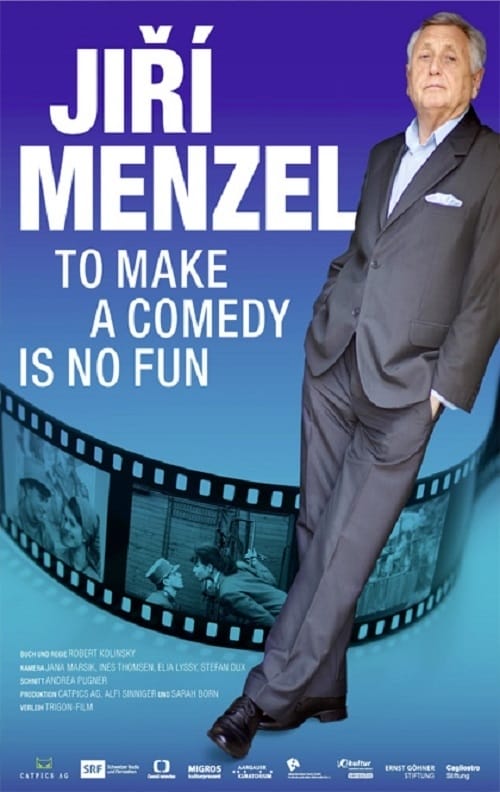
Documentary feature about Czech director Jiří Menzel, featuring Menzel himself as well as Miloš Forman, Emir Kusturica, István Szabó and others.
To Make a Comedy Is No Fun
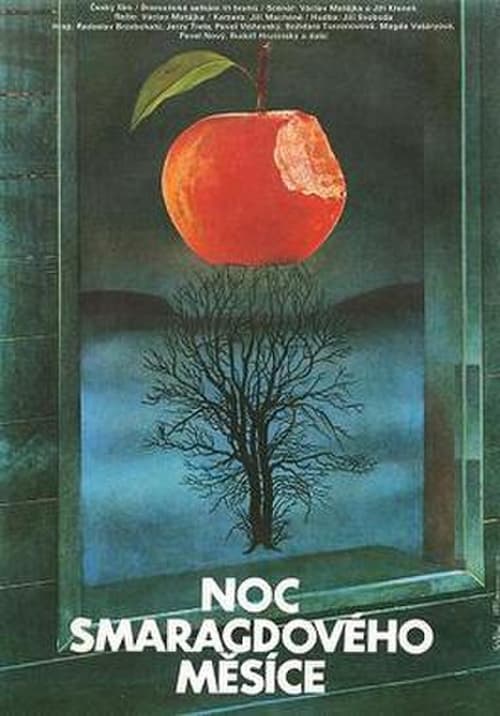
This downbeat, grim drama about three brothers who are reunited at their mother's funeral is actually visually as dark as its story, making it difficult at times to clearly distinguish a scene. These brothers are not particularly exceptional as people go, but at least they have branched out into separate vocations in their lives. One brother is a doctor, another is a criminal, and the third is a bus driver. Like others in Europe, they suffered through World War II, yet no matter what their backgrounds and experiences, their interpersonal relationships are not exactly gripping drama.
Noc smaragdového měsíce
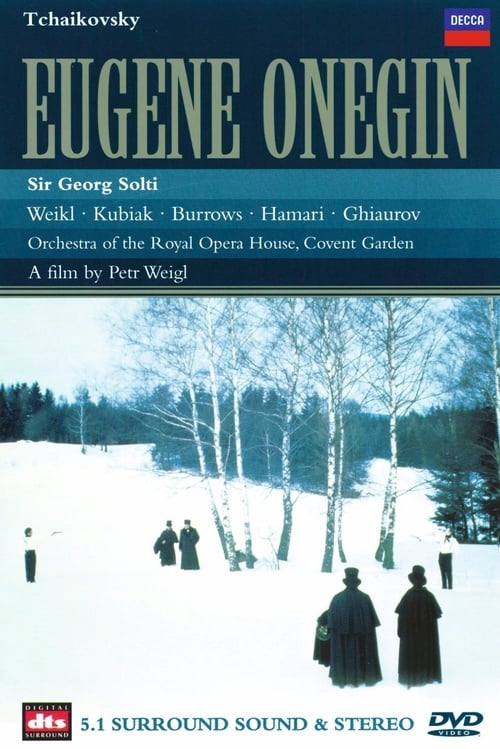
A filmed version of Tchaikovsky's opera. Onegin visits a friend, his fiancee and her sister Tatiana, who believes Onegin is her fated love. She writes a note telling him so, but he rejects her. Years later he returns, finding her married, but now he's smitten with her.
Eugene Onegin
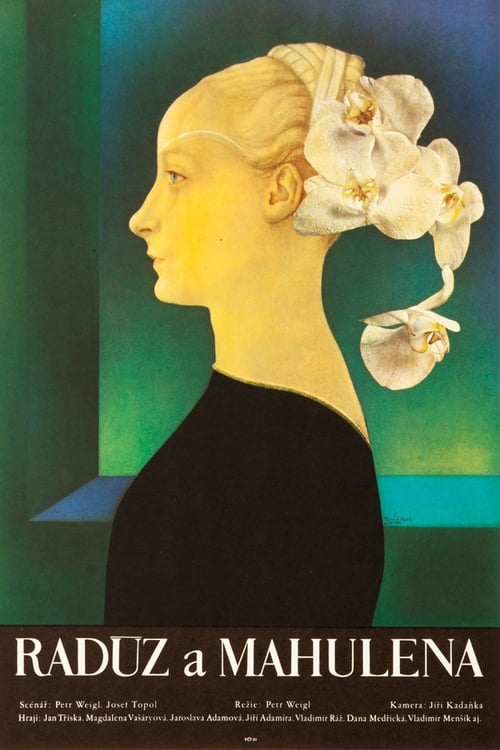
While hunting, Prince Radúz of Maguria wanders into the rival kingdom of the Tatra King, Stojmír. He discovers that their nations' long-standing feud stems from the bitter jealousy of Queen Runa, who was once rejected by Radúz’s father. Radúz is soon captured by Runa’s forces after crossing the border. His fate becomes entwined with the royal family when it is revealed that the white deer he killed belonged to Mahulena, the King’s youngest and most delicate daughter.
Radúz and Mahulena
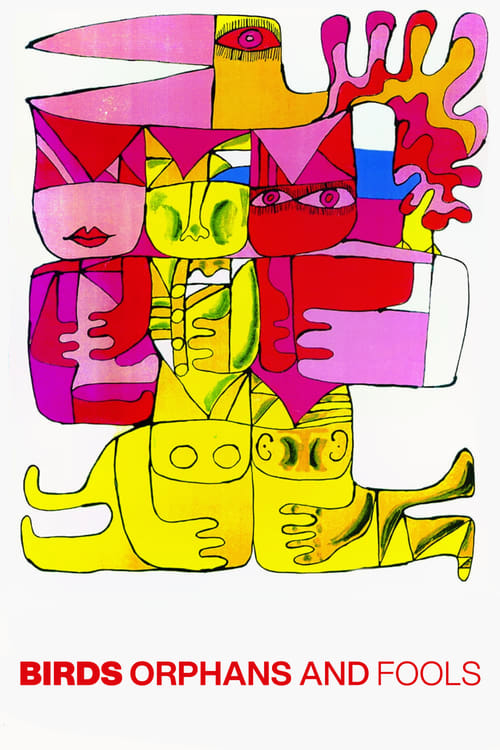
In the aftermath of war, two men and a woman begin acting more like children than adults, leading to tragedy.
Birds, Orphans and Fools
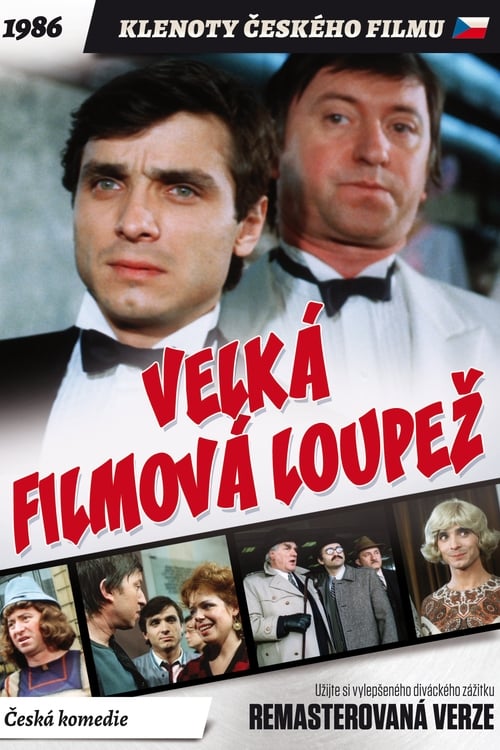
The film is essentially a feature-length commercial for an exhibition to mark the 40th anniversary of the nationalisation of the Czechoslovak film industry, to be held at the Prague U Hybernu venue. The protagonists of the piece are comedians Oldrich Kaiser and Jirí Lábus, who are set to accept an award from Japanese television representatives at the exhibition. At the same time, five gangsters plot to seize a revolutionary invention devised by professor Suzuki - a super holograph, which enables any figure from television to be transported in the flesh into the real world, and vice-versa.