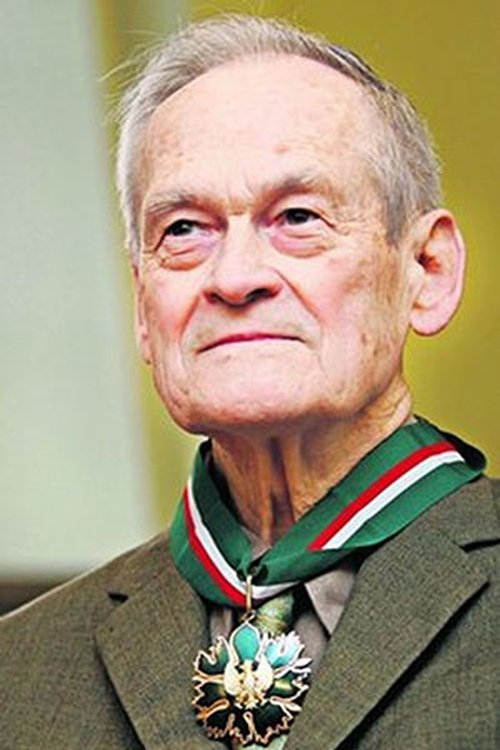
Stanisław Lenartowicz
Directing
Biography
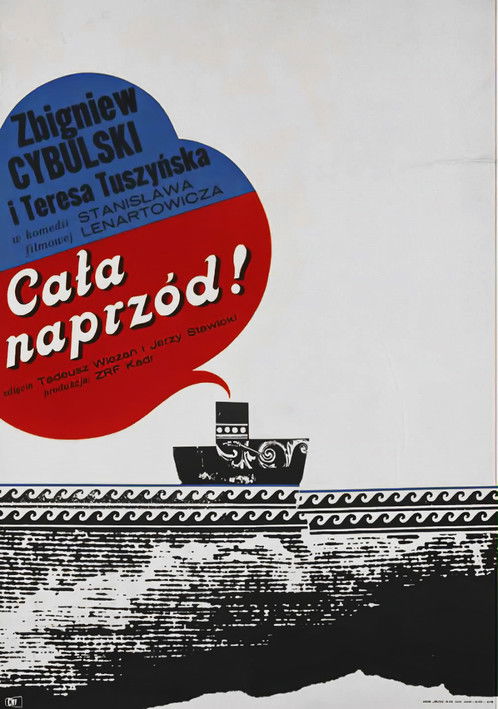
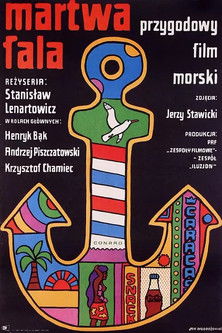
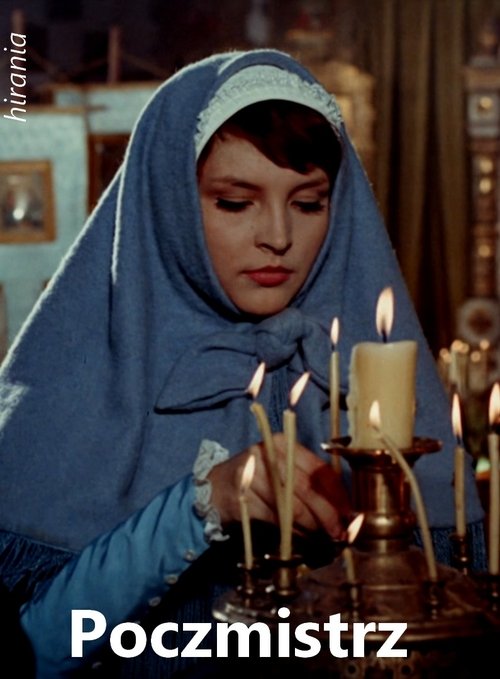
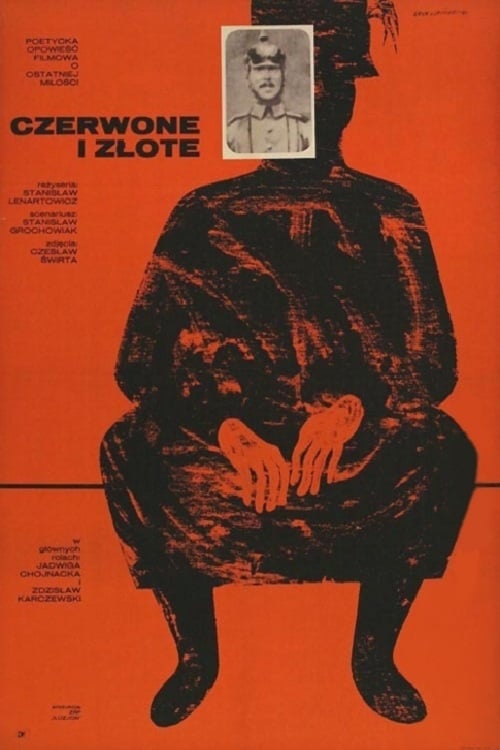
Stanislaw Lenartowicz was a Polish film director and screenwriter. He was born on February 7, 1921, in Dzianowo in the Vilnius region. During the war, he was a soldier of the Home Army, then a prisoner of the Kaluga camp in Russia. Following repatriation in 1946, he settled in Wrocław. He graduated from the Faculty of Philology of the University of Wroclaw and the Directing Department of Łódź Film School (1953), where his supervisor was Antoni Bohdziewicz. He began directing films for the Educational Film Studio in Łódź, with which he cooperated in 1952-1955. It was there that he made Miniatury Kodeksu Behema/The Behem Code Miniatures (1953), awarded the Special Award at the Oberhausen festival five years later. Later, he adapted the novel by Stanisław Dygat as part of the film Trzy starty/Three Takeoffs (1955). His film debut, Zimowy zmierzch/Winter Dusk (1956), sparked violent disputes and polemics among Polish film critics; on the backdrop of the socialist realist poetics of that era, the film stood out with its innovative narrative and visual layers rich in meanings. His subsequent films, Pigułki dla Aurelii/Pills for Aurelia (1958) and Giuseppe w Warszawie/Giuseppe in Warsaw (1964), addressed the subject of war, but presented it in a way stripped of heroism. He also depicted the forgotten world of the Polish provinces, focusing on observations of detail and mentality (Czerwone i złote/Red and Gold, 1969, based on writings by Stanisław Grochowiak, an award at the Valladolid festival). He addressed the maritime theme twice: in Cała naprzód/Full Steam Ahead (1966) and Martwa fala/ Still Wave (1970). He also attempted to adapt the prose of Tadeusz Dołęga-Mostowicz in Pamiętnik pani Hanki/The Diary of Mrs. Hanka (1963). On the set, he gladly collaborated with Zbigniew Cybulski. Lenartowicz’s interest in Russian culture is reflected in the television series he directed which are adaptations of classic Russian novels. They were made at the request of Canadian television in the late 1960s. These include the movies Brawler (based on Turgenev), Phantom (Tolstoy), Postmaster (Pushkin) completed in 1967. In 1979, he directed Strachy/Spooks, a series based on the prose of Maria Ukniewska, about the life of Warsaw actors. After the introduction of martial law, he retired from the profession. In 1959, he received the Award of the City of Wroclaw; a year later, he was also awarded the Gold Cross of Merit. At the end of his life, he was awarded the Gold Medal for Merit to Culture – Gloria Artis. He died on October 28, 2010, in Wrocław. by Beata Pieńkowska From Polish Film Academy - History of Polish Cinema http://akademiapolskiegofilmu.pl/en/historia-polskiego-filmu/directors/stanislaw-lenartowicz/65
Known For

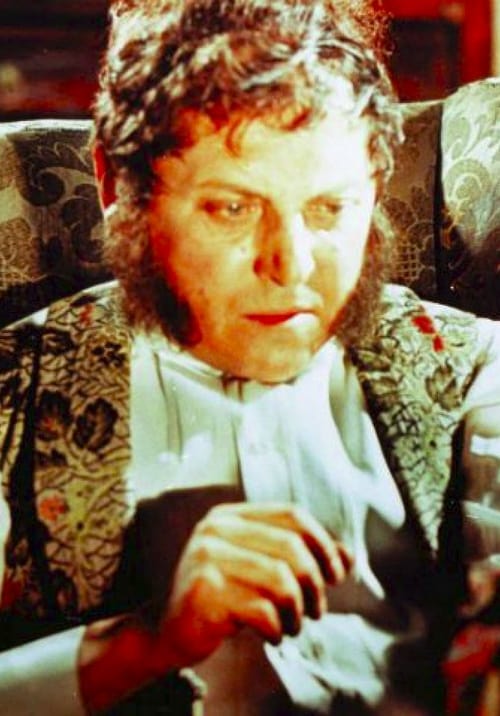
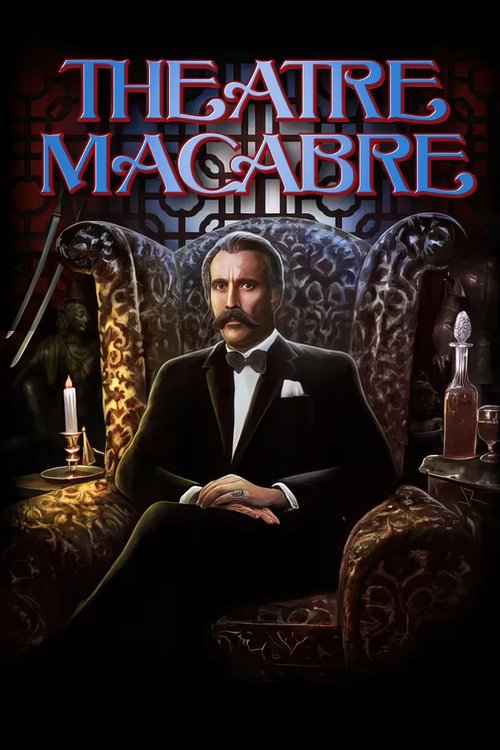
Christopher Lee hosts this horror anthology series from Poland with stories from various classic authors.
Theatre Macabre

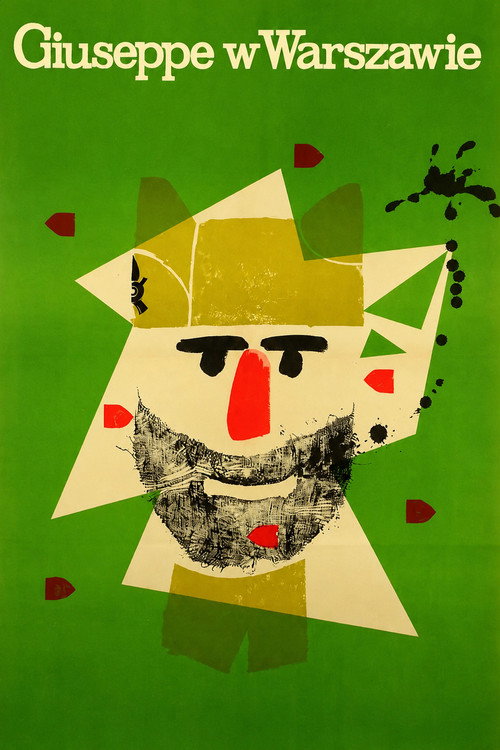
The Italian soldier Giuseppe Santucci, on his way home from the Russian front has his machine gun stolen in Warsaw. Afraid of consequences, he stays in Warsaw and occupies a flat of the Polish girl Maria, whom he suspects of stealing weapon. Maria indeed is an active member of the Polish resistance, contrary to her brother, Staszek, a painter, who only wants a calm living. In a course of events Giuseppe falls in love and, along with Staszek, becomes a hero of the Polish resistance.
Giuseppe in Warsaw

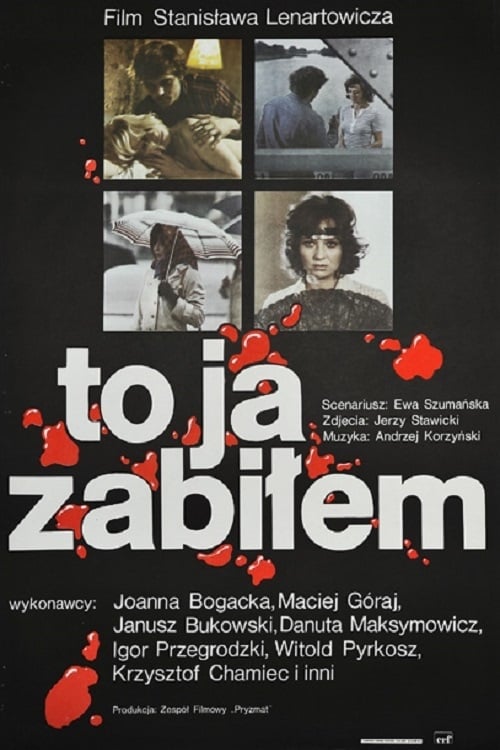
During a routine traffic stop, the police discovers the body of a girl in the trunk of a truck. Since the dead girl spent the night before with the driver of the car, he becomes the prime suspect. In the course of the trial uncomfortable truths surface.
I killed

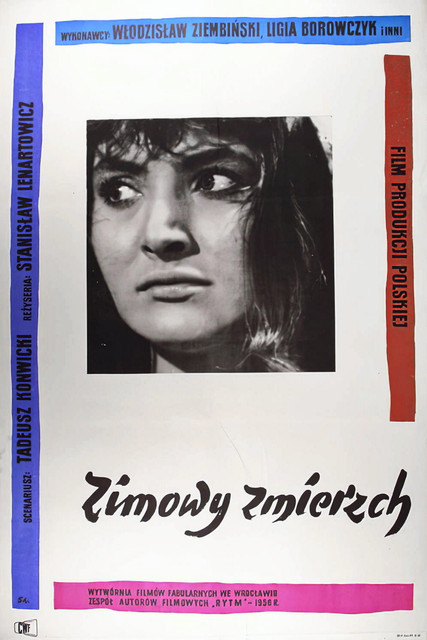
Rumsza, the elderly railwayman, leading a sedate life with his wife, misses his only remaining son (two older boys were killed in the war). Joziuk finally returns from the military in the first scene but with the pregnant Zosia, while Rumsza expected him to marry Celinka, the daughter of Krywka, his only friend and neighbour. The hero will not accept the new situation; he throws his son and Zosia out of his house. Celinka is distressed but she still harbours hope for Joziuk. The birth of the child changes the situation: Rumsza accepts his son's relationship but Celinka decides to leave.
Winter Twilight

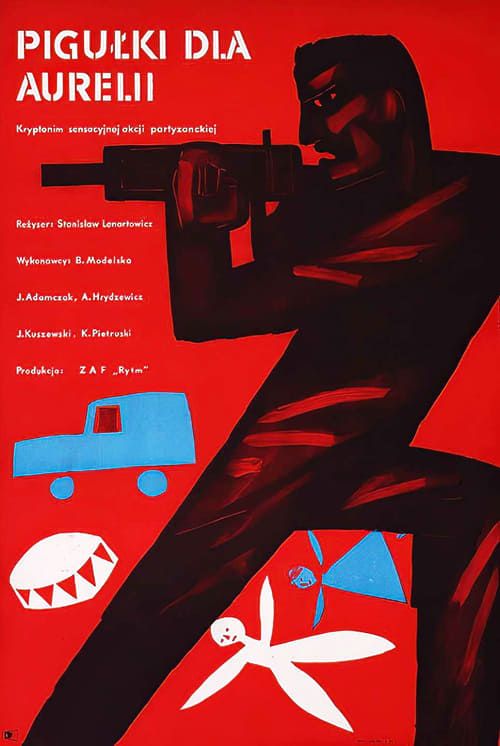
Soldiers of the Polish underground resistance army prepare to break into a prison to release their friend imprisoned by Gestapo.
Pills for Aurelia

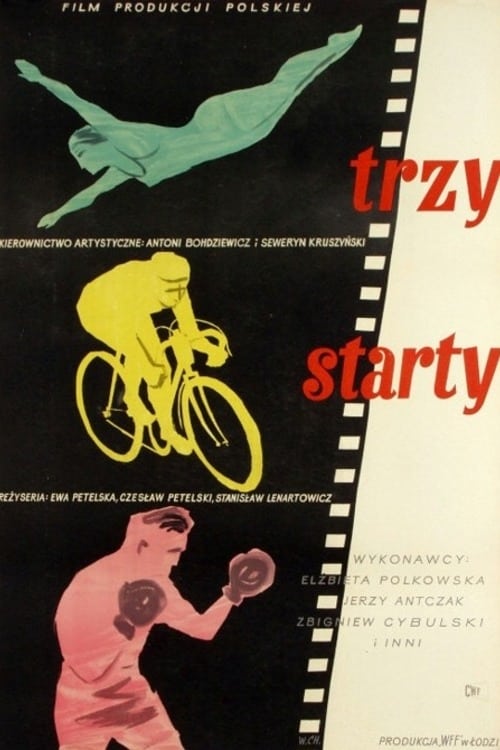
Three separate short stories about young athletes who lose their chances of success. Young swimmer - because of unhappy love. Boxer because of a fight with hooligans, for which the judges will disqualify him. But the cyclist must decide for himself what is more important for him: victory or friendship.
Trzy starty

An old man escapes from a retirement home to impersonate a man who has died in his arms and told him he never went home to his new bride after the first World War.
The Red and the Gold
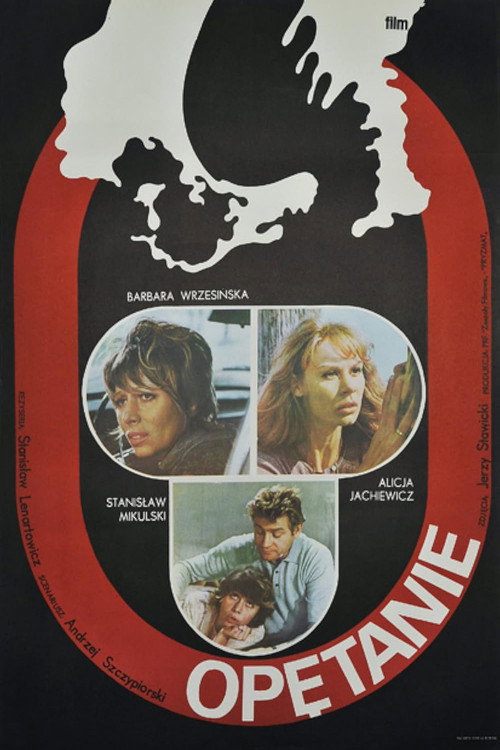
A married couple is unsuccessfully trying to have a child. The woman decides to bring her husband closer to another woman.
Possession
A moral story about two people who have completely different attitudes to life and people. The duel of the heroes ends tragically.
Zabijaka

A failed actress wants to go back to her husband, who has fallen into alcoholism.
Aktorka

Two friends from army meet in a harbour and start to reminisce about their adventures.
Full Ahead

Kozyra - a former athlete wants to return to the circus arena, where young Błażyce is successful.
Żelazna obroża

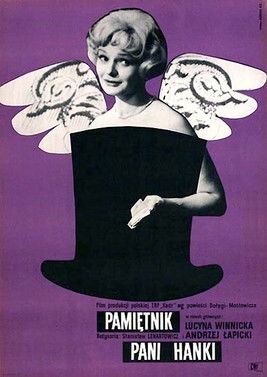
The young and beautiful wife of a prominent diplomat complains of boredom. To change her monotonous life, she has an affair, through which she gets entangled in intrigues and espionage affairs.
Mrs. Hanka's Diary

Post clerk's young daughter runs away from home with a tsarist officer.
Poczmistrz

A young man meets and falls in love with a woman met on a business trip.
Uciec jak najbliżej

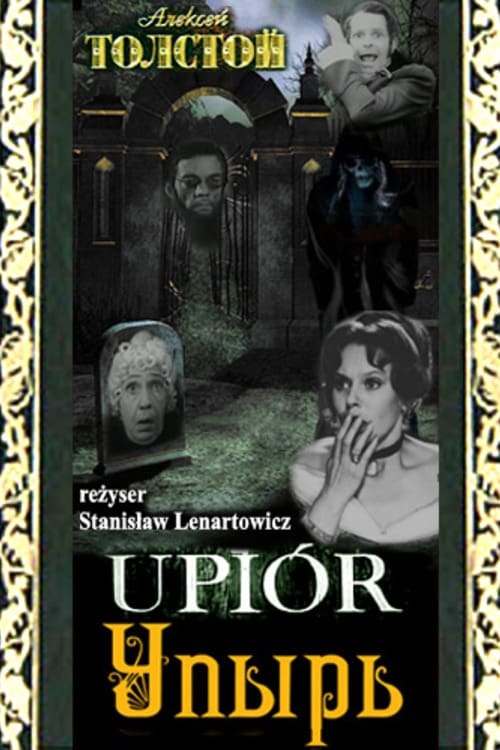
Gothic story based on novella by Aleksey Tolstoy.
The Vampire

After graduating from maritime school, Marek goes on his first voyage.
Martwa fala

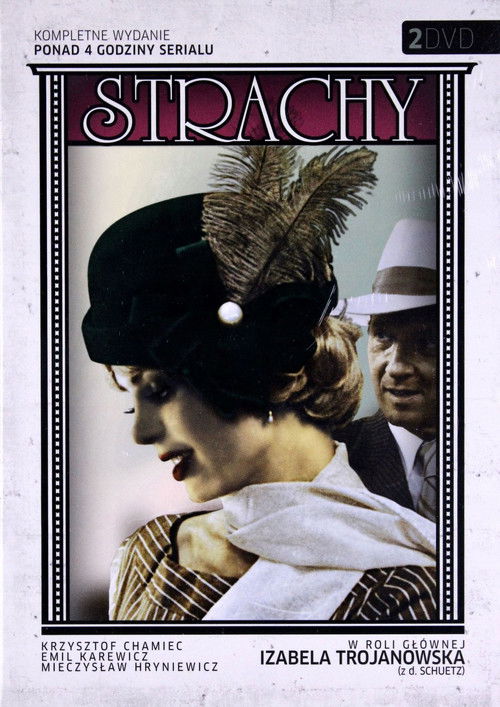
The miniseries shows in a colorful way the acting environment of Poland in the interwar period of the 20th century from behind the scenes. The main character works as a show dancer in theaters and cabarets, experiencing both professional successes and humiliating failures and poverty.
Strachy

Four stories showing the various facets of love.
Spotkania

Szymek, a young man at clash with his home village takes up a job as a geologist and marries a girl whose parents dissaprove of him.