Acting
The second part of the revolutionary Hussite trilogy takes place in the years 1419-1420.
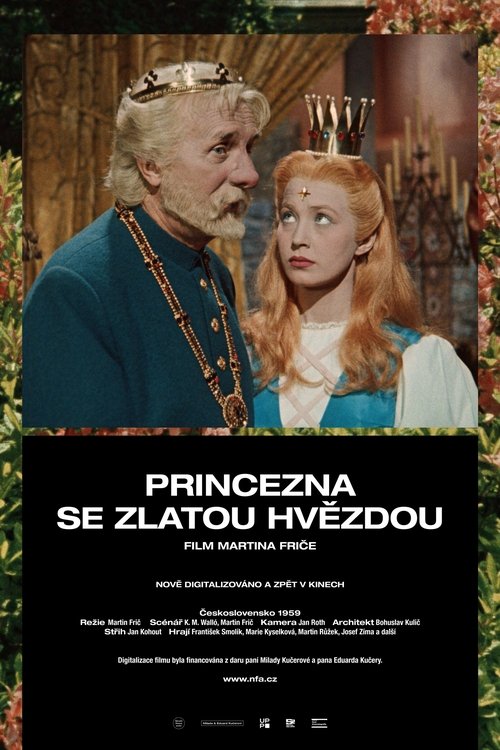
A Czech fairy tale about a princess named Lada who runs away from home in a mouse fur disguise in order to escape an unwanted and forced marriage.
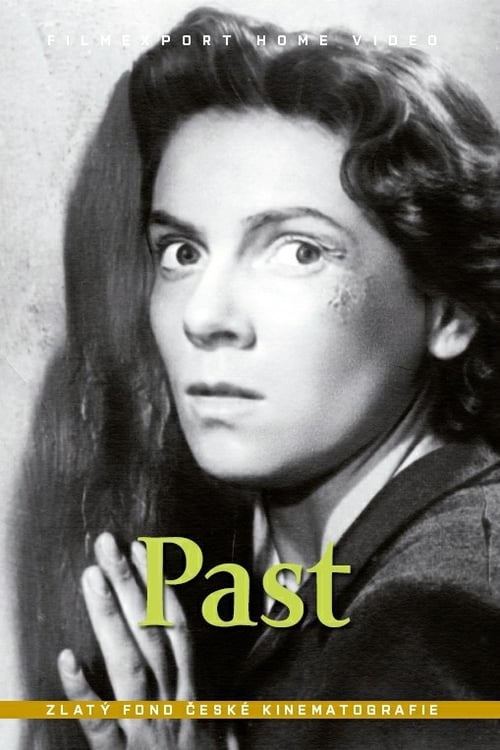
The drama from the time of the Nazi occupation begins at the train station, where a transport with German soldiers is passing. The train is stopped due to improvised sabotage by one of the railway workers. Resistance liaison Růžena Kubínová is arrested in a random raid. The cynical councilor Dönnert discovers her false documents and has her brutally interrogated. He suspects that she could contribute to exposing the entire group. He puts a informant, Herta, in her cell.
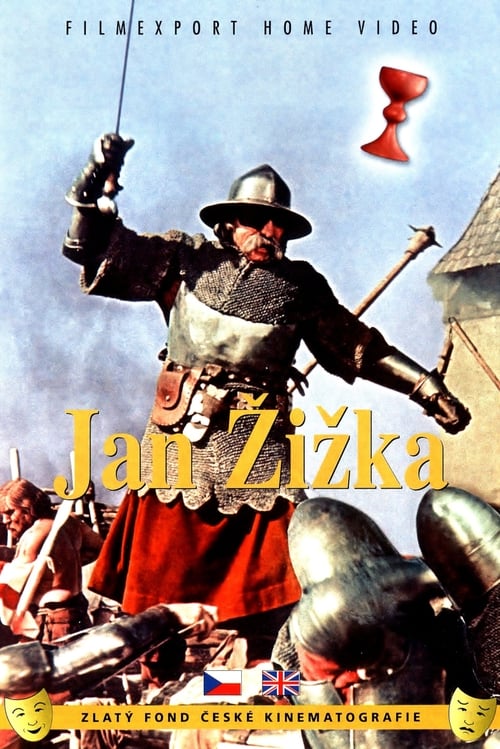
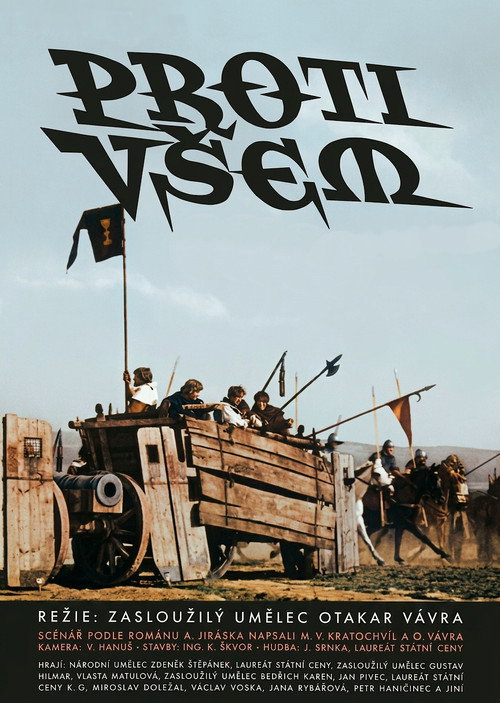
After the battle of Sudoměř the Hussite teaching spreads through the whole country and people start leaving their homes to help build the fortification of Tábor. Prague citizens request help against the army of Zikmund. The Hussite army with Jan Žižka in the lead make their way towards Prague. They fortify themselves on the mountain Vítkov and engage in a bloody battle with Zikmund’s huge army.
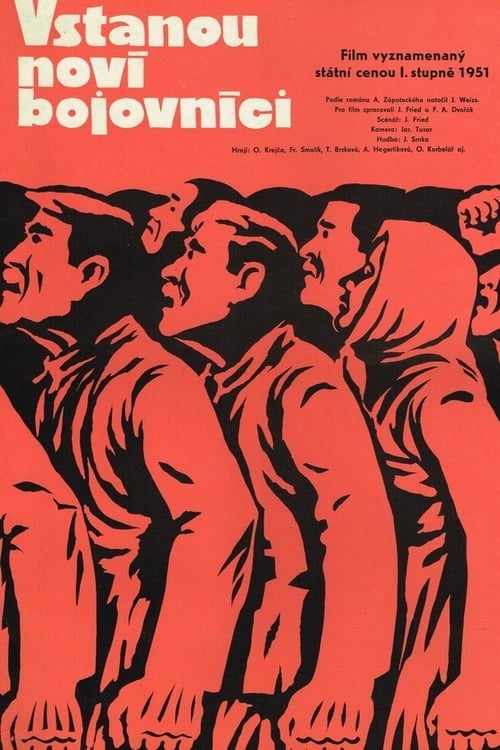
The leader of the emerging organized labor movement in the 1880s, Ladislav Zápotocký-Budečský, is exiled to his native village, where he works as a tailor and continues to raise social awareness among members of the working class.
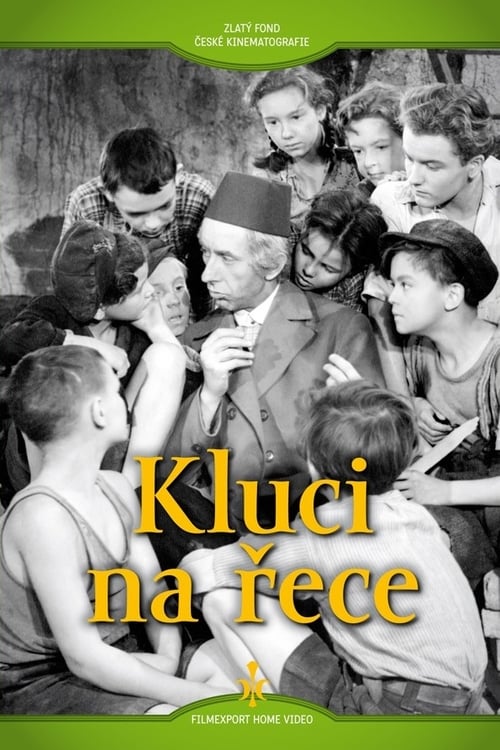
On the banks of the Otava River stands a manor house that a group of boys find very mysterious. After visiting it, the boys discover that there is nothing there but an old lady and her granddaughter. The group splits into two camps and a "pitched" fight ensues, but it doesn't last long.
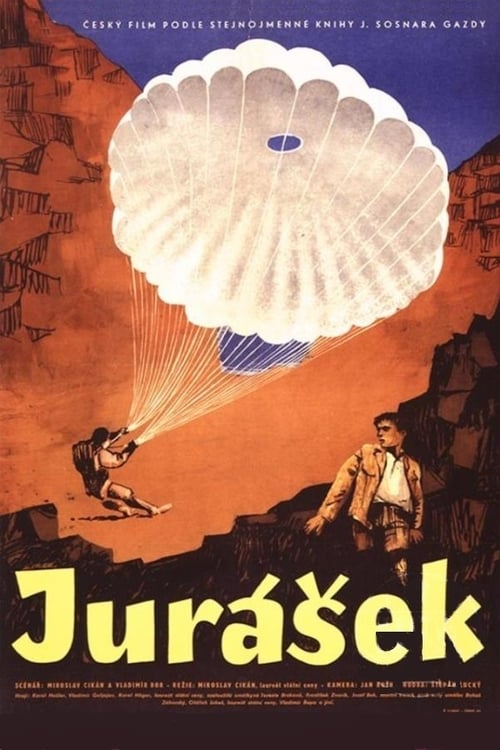
The Czech feature film, based on the book of the same name by J. Sosnar-Gazda, focuses on teenagers. The hero of the film is a boy named Jurášek from the Moravian Slovácko region, who helped the partisans during the war. He confirmed that his father was with the partisans and went to the forest at night to follow him when the partisans were expecting the Soviet paratroopers to jump. Jurášek finds a paratrooper who had been blown aside by the wind and finds a suitable shelter for him where he could heal his injured leg. Jurášek continues to help the partisans a lot. He informs them about the upcoming raid in the village and thus saves the Soviet paratrooper from being captured. When he then accompanies the paratrooper into the forest to a place from where he could safely broadcast, and when he says goodbye to him, he gets into a firefight with the Germans together with him and his bravery stands up well in it.
The generally respected director of a small-town savings bank, Hlavsa, commits embezzlement because of his wasteful and spoiled wife, and when the situation cannot be saved, he shoots himself. His mother, a simple village woman, takes in her widowed daughter-in-law and teenage grandson on the condition that they both help her to compensate for all the damage. For the city lady, the hard village work is suffering. The same goes for young Bořík, a gifted pianist who finds it difficult to give up his dreams of an artistic career...
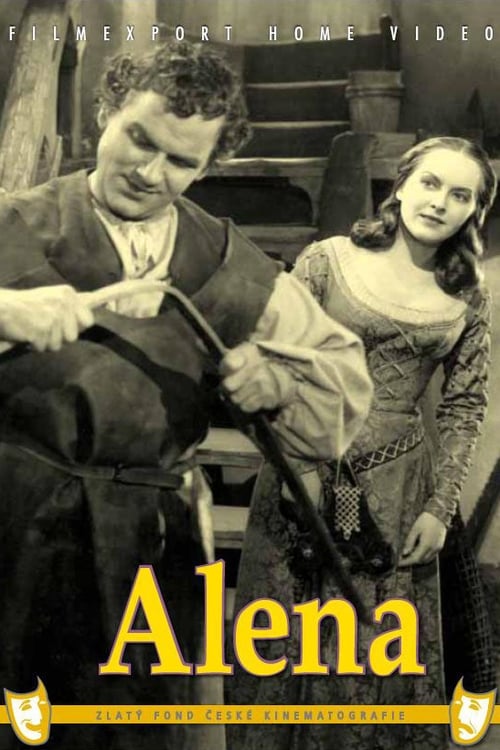
Master armourer Tomás has young wife Alena, of whom he is very jealous. One day the ruler of town sees Alena and decides to win her over for himself. To get a free hand for his love affairs, he sends Master Tomás to acquire more skills in Flanders. Jealous husband does not know how to secure fidelity of his beautiful wife while he is away, and finally accepts aid of the devil, to whom he signs his soul as a reward. Devil in the disguise of Master Ondrej works in Tomás's workshop and protects Alena against various courtiers and the ruler of town. But finally he falls in love with Alena himself and becomes her lover.
A selfish self-centered widowed ruler, barely tolerated by his subjects and called appropriately enough, 'King Myself, First' asks his three daughters to name the measure of their love for him. When one of them says, "more than salt", he banishes her from the kingdom. Not understanding what she meant the King assumes love can only be measured by precious metals or one's own talent, the 'correct' answers from his other two daughters. The arrogance of the King leads him to gather all the salt in the kingdom and destroy it. Of course, this backfires as he slowly learns the universal value of the substance, and of course, the essence of his daughter's reply. With the help of the wise and magical old 'herb woman', the King also learns what it means to be a true and wise ruler.
No description available.
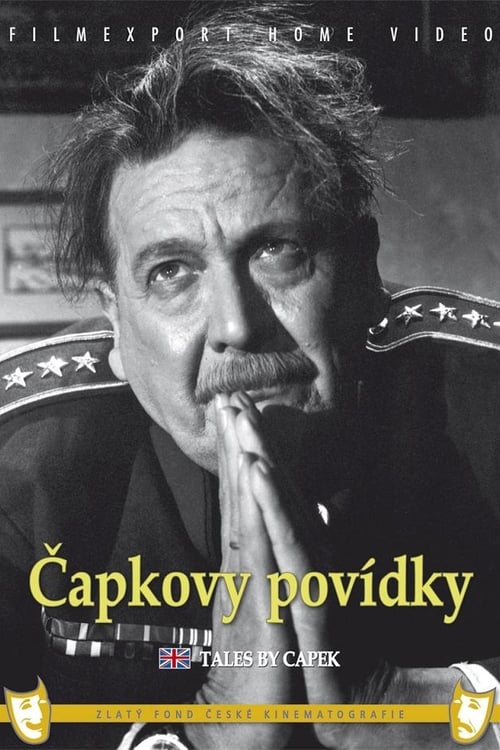
Five crime stories connected by the narration of police superintendent Bartosek.
When Vilem appears in the road with an unconscious young woman, it disturbs the peaceful life of three generations of the Balvínova family.
In the pulmonary sanatorium, patients live out their small fates. But not everyone takes a responsible approach to their illness. For example, a young student falls in love, the lovers even take a secret flight, but the young man's condition deteriorates dramatically because of it.
It's very human and nice story about lofty princess (her father is amiable but incapable - unforgettable performance of S. Neumann) and good, nice, kind and well-principled young king (prince) who tries to make tender her calm heart to get married with her. After being refused (she's very capricious), he conclude to make her better. He start to work as a gardener at her castle (in secret) and successively bring she to her senses...The story continues when already reformed princess and the young king (she learn about his real identity later) have to take refuge from troops, that princess father (old king) has sent (of course he took a bad and mean counsellors advice). They have to take shelter by several ordinary and poor families, which are always very friendly and give them a help... Of course the tale has happy end.
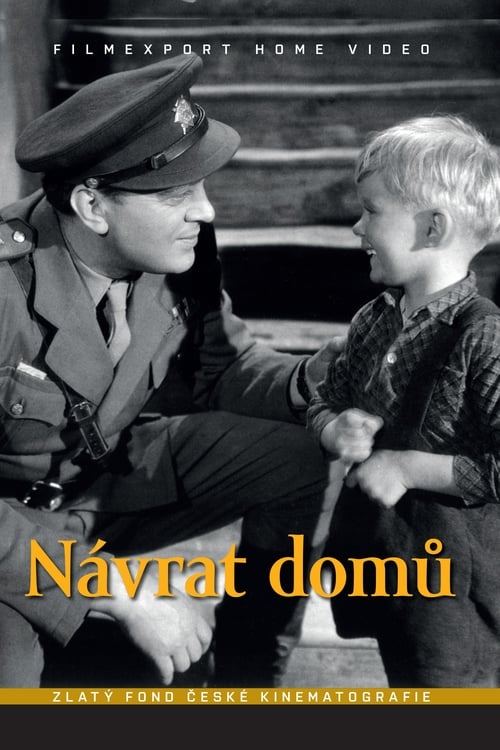
Czechoslovak drama film about soldiers returning from World War II
The Counter-Reformation period: Myslivec Machovec is forced by representatives of the Jesuit order to flee his home for his religious beliefs. His teenage children Helenka and Tomáš do not give up the faith and traditions of the Czech Brethren despite the increasing pressure.
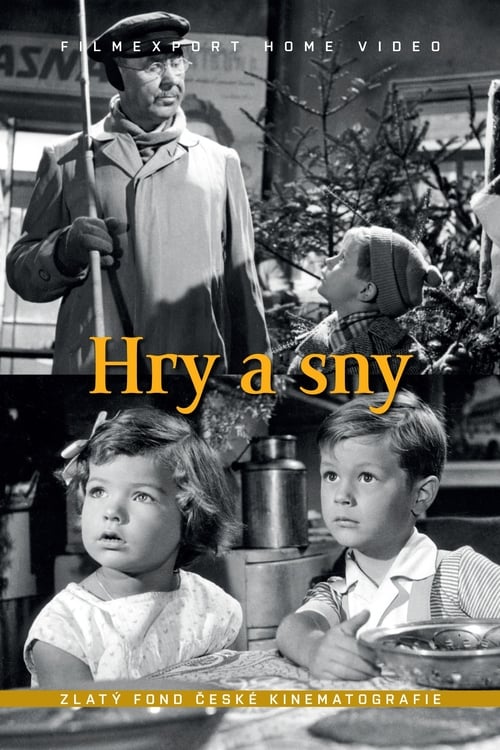
Lyrical short story film about children's fantasy based on Ludvík Aškenázy's short stories Little Christmas and Lovers from the Box.