Acting
No description available.
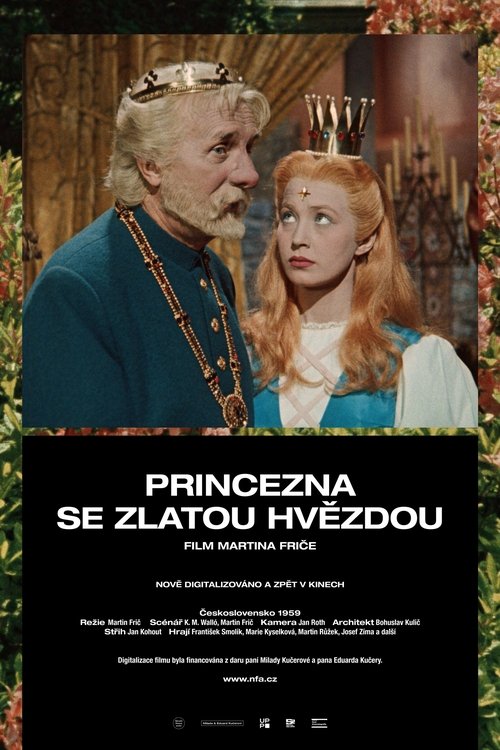
A Czech fairy tale about a princess named Lada who runs away from home in a mouse fur disguise in order to escape an unwanted and forced marriage.
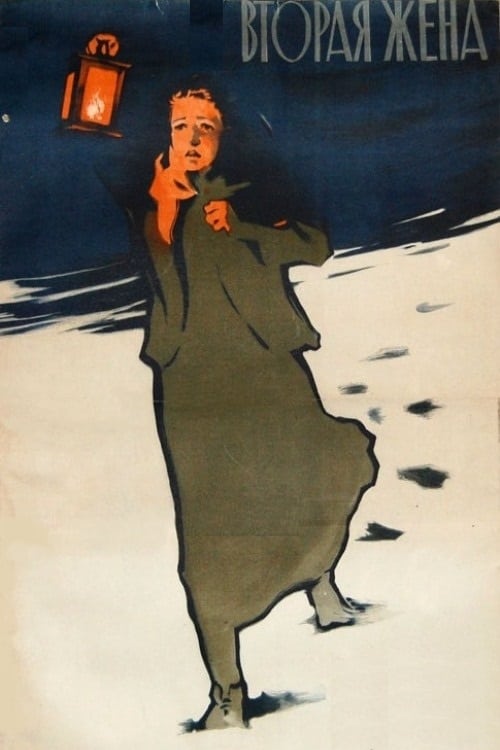
A ballad story from the life of the inhabitants of the Moravian Beskydy Mountains. The heroine is a young woman, Františka Plesníková. Františka's lover was killed by a falling tree before he could marry her, and the girl faced the bitter fate of a "roll" of illegitimate mother. Františka fought with all her might for a better life for her son Metúdek. For his sake, she eventually married an old widower farmer, Podešva. However, she soon realized that her marriage had not benefited either herself or her child.
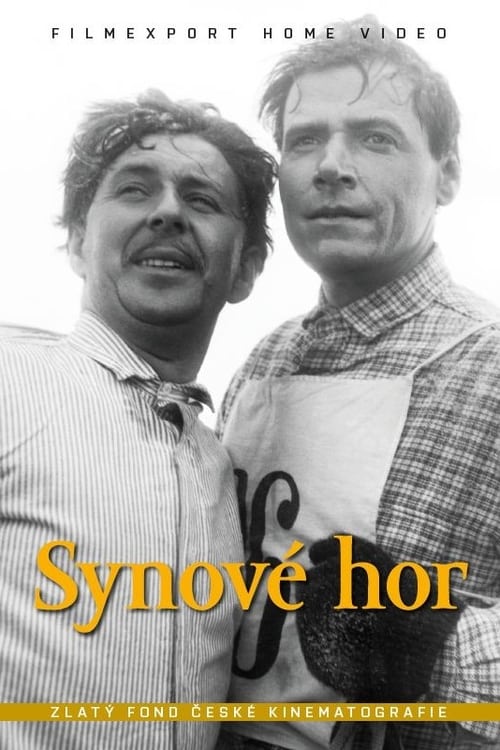
The story of a friendship for life and death captures a real event that took place in the snowy Krkonoše Mountains in 1913. The actors of the drama were Bohumil Hanč, one of our first ski racers, and his friend Václav Vrbata. The film's plot takes place between 1912 and 1913 and is framed by two international 50 km races. After winning in 1912, Bohumil Hanč wants to stop racing at the behest of his wife Slávka. In 1913, strong foreign competitors enter the race, so Bohumil succumbs to the pleas of his friends and decides to race for the last time. However, the weather changes during the race. Strong winds and snow begin to blow, severe frost sets in, and for the racers, it means a fight for their lives.
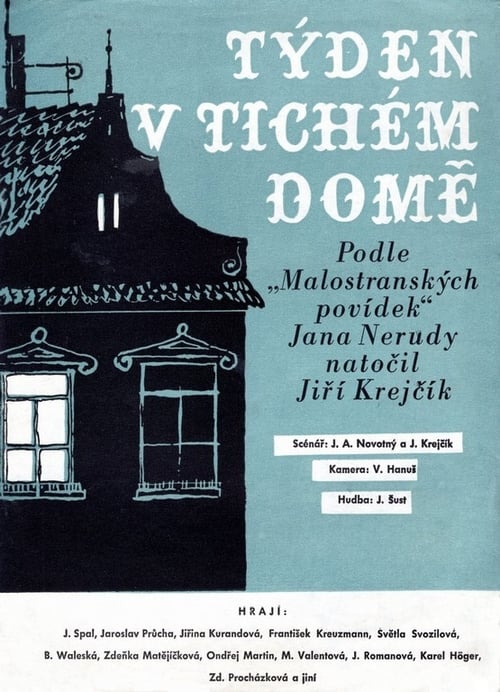
A sometimes humorous, sometimes more serious look at the hustle and bustle of a house in Lesser Town with a diverse array of tenants living there, and often petty quarrels that break out between them. Behind the facade of the house in Lesser Town "U dvou slunců" (Two Suns) there is life. The Bavors live here, eternal slaves to the grocery store. The Ebros, who need to marry their daughter off at a good price. The bachelor Dr. Loukota and other interesting Nerudov characters.
A tale based on novel by Czech writer Bozena Nemcova.
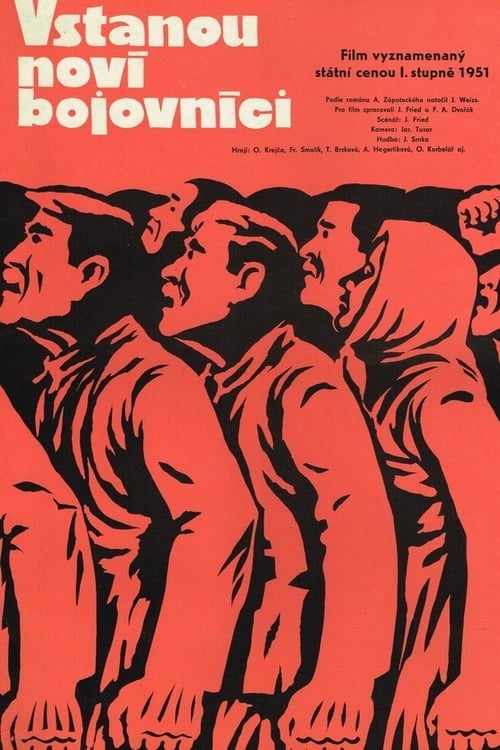
A socialist drama from the time of the February coup. The owner of the brickyard will use several workers before February in order to subvert worker solidarity and continue to do his black business. However, the vigilance of a young, aware worker prevents him from doing so.
The history of the rebellion of the brave Chody, led by Jan Sladký Kozina and Matěj Přibek, against the violent tyranny of the foreign nobleman Maximilian Lamminger of Albenreuth. Based on the novel of the same name by Alois Jirásek.
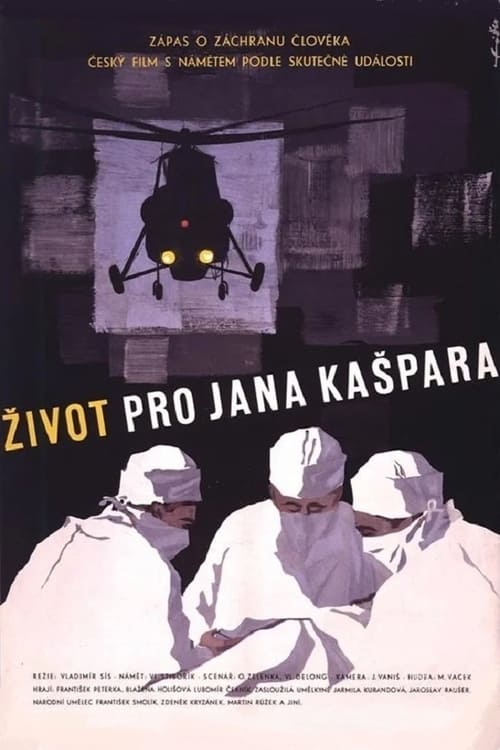
The bridegroom Jan Kaspar is an officer in the Klement Gottwald's Nová Hut rolling-mill. After bidding farewell to his freedom, he accidentally takes a sip from the bottle of tetrachlore which he stores at home. He disregards the dizziness, but the next day, he faints in the factory and has a brain concussion. During her regular tests, doctor Dudková is shocked by a high percentage of residual nitrogen found in Kaspar's blood. Doctor Bohácek, with whom Dudková consults, thinks that it is a liver disease and informs the head physician Filip. The doctors know nothing about tetrachlore and are in the dark about the case. Despite that, they immediately start to fight for Kaspar's life and their struggle consequently affects their personal lives.
A significant event in the life of the Ostrava assemblers. Private matters take a backseat as preparations are being made to fit the high-rise chimney with an extension for burning kycht gases. The challenging installation is to be carried out by helicopter and the first attempts have not been successful...
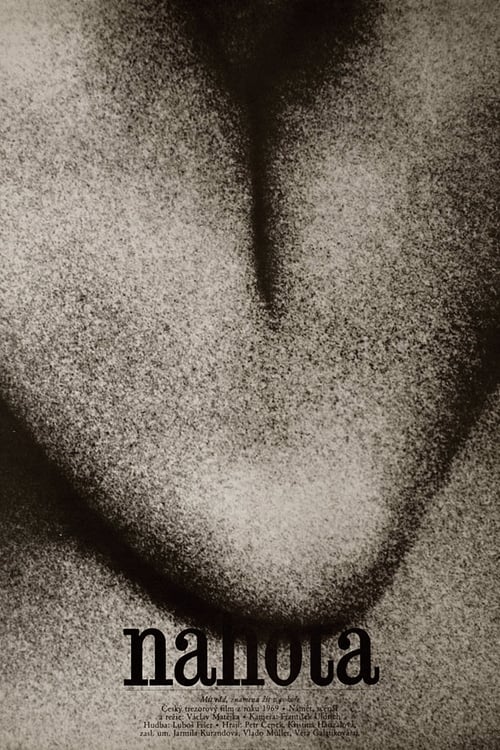
Young prisoner Jan, nicknamed Roughboy (Petr Cepek), tries to commit suicide. He was imprisoned for a fight in which he injured a functionary of the National Committee and for stealing material but actually by the blame for this crime was pinned on him by the road-builders in whose group he worked. The prison doctor knows that Jan is an emotionally deprived person who never knew his parents and spent all his childhood - except one year with foster-parents - in orphanages, homes for youth and reform schools. He arranges a five-day holiday for Jan, who wants to find his mother's grave.
It's very human and nice story about lofty princess (her father is amiable but incapable - unforgettable performance of S. Neumann) and good, nice, kind and well-principled young king (prince) who tries to make tender her calm heart to get married with her. After being refused (she's very capricious), he conclude to make her better. He start to work as a gardener at her castle (in secret) and successively bring she to her senses...The story continues when already reformed princess and the young king (she learn about his real identity later) have to take refuge from troops, that princess father (old king) has sent (of course he took a bad and mean counsellors advice). They have to take shelter by several ordinary and poor families, which are always very friendly and give them a help... Of course the tale has happy end.
The leader of the emerging organized labor movement in the 1880s, Ladislav Zápotocký-Budečský, is exiled to his native village, where he works as a tailor and continues to raise social awareness among members of the working class.
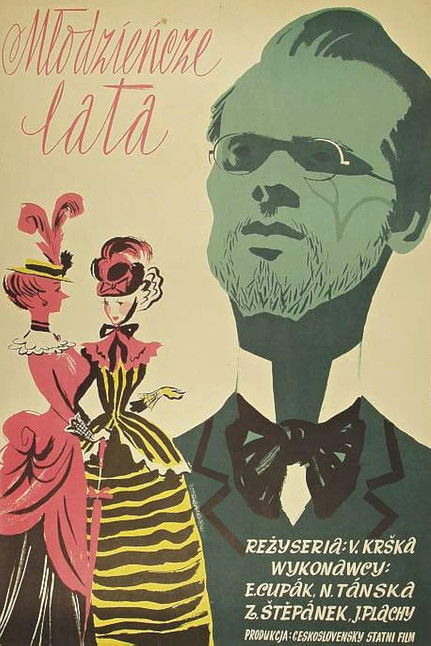
Early Days follows the early life of famous Czech writer Alois Jirásek. Jirásek had already developed his own view of the history of the Czech nation while he was at grammar school in Broumov. When he becomes the supply teach in Litomyšl, he has already written his first book and a number of poems. The local dignitaries await the arrival of the young writer in excited anticipation. Jirásek, however, is sickened by the empty patriotism from the depths of his soul and soon becomes disagreeable to the notables. The district sheriff tries to remove Jirásek from the school and drive him out of town. Unable to do this, the sheriff appoints a pro-Austrian headmaster who attempts to sabotage Jirásek. The students stand behind Jirásek , however, and discontent is not only felt in Litomyšl but throughout Bohemia.
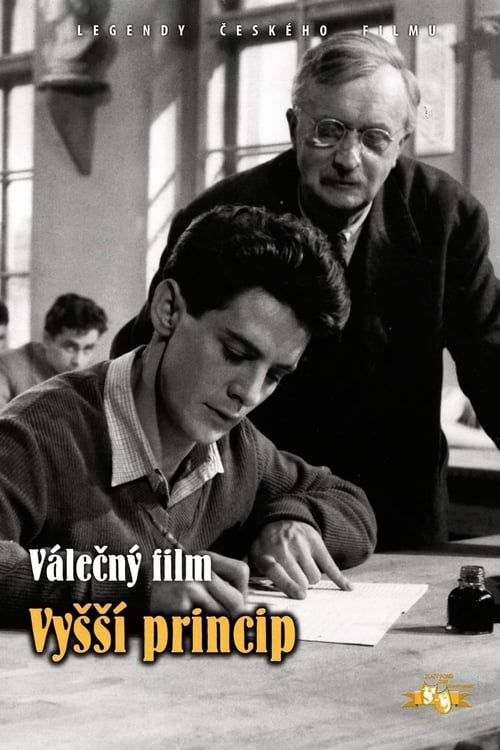
During the Nazi occupation of a Czech city civilians are being rounded up on the slightest of pretexts and shot. One day three high school boys who crack jokes about a recently deceased "hero of the Reich" are pulled out of school by the Gestapo.
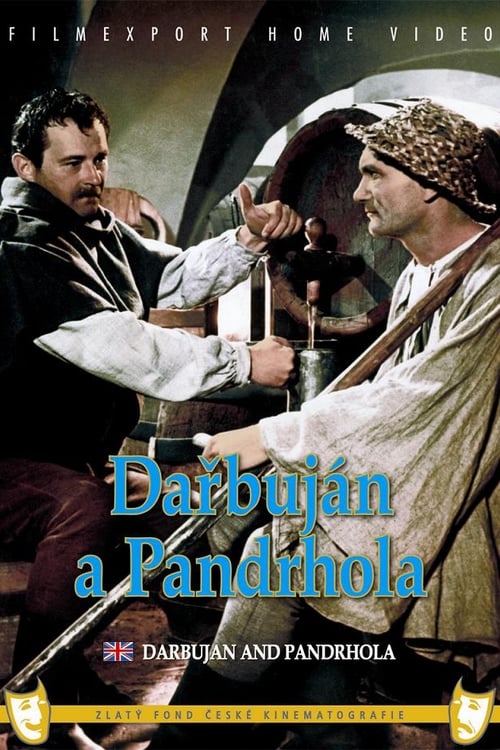
A poor miner, Kuba Dařbuján, cares for his wife Markýtka and eleven children. When a newborn arrives, he seeks a godfather and, finding only Death fair to all, accepts a pact: as a doctor whom Death accompanies at the foot of a patient’s bed, he can heal; but if Death stands at the head, no cure is possible. Kuba eventually heals even a miserly brewer, violating the pact and imprisoning Death, leading to a world where no one can die and unforeseen chaos follows.