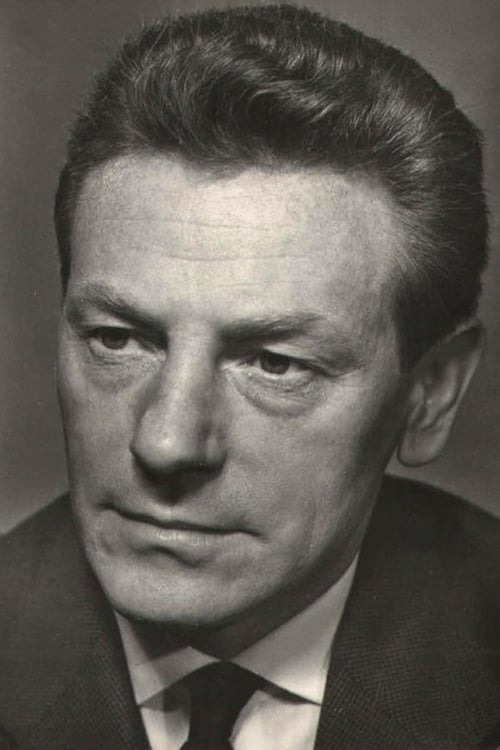
Gustav Heverle
Acting
Known For
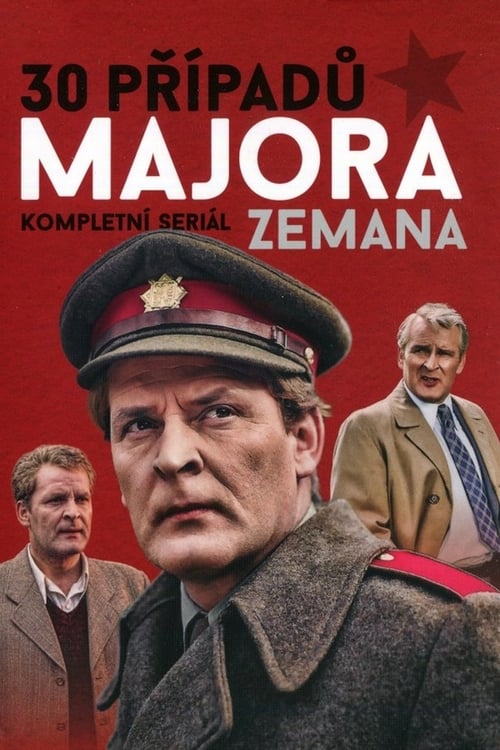
Thirty Cases of Major Zeman is a Czechoslovak action-drama television show intended as a political propaganda to support the official attitude of the communist party. The series were filmed in the 1970s. Each episode encompasses one year, and investigations are stylized to that year. Most are inspired by real cases. The series follows the life of police investigator Jan Zeman during his career from 1945 to 1975.
Thirty Cases of Major Zema
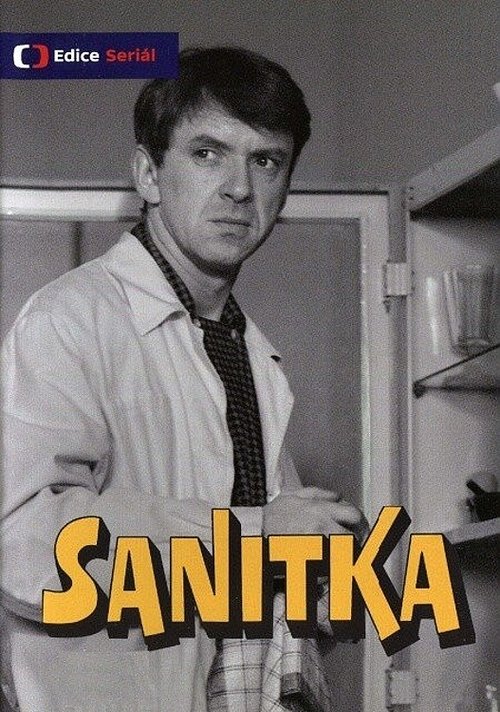
Sanitka was a Czech television, drama series, first broadcast in 1984 and eleven episodes were made. It starred Jaromír Hanzlík, Tomáš Juricka and Zlata Adamovská among others.
Sanitka
No description available.
Hříšní lidé města pražského
No description available.
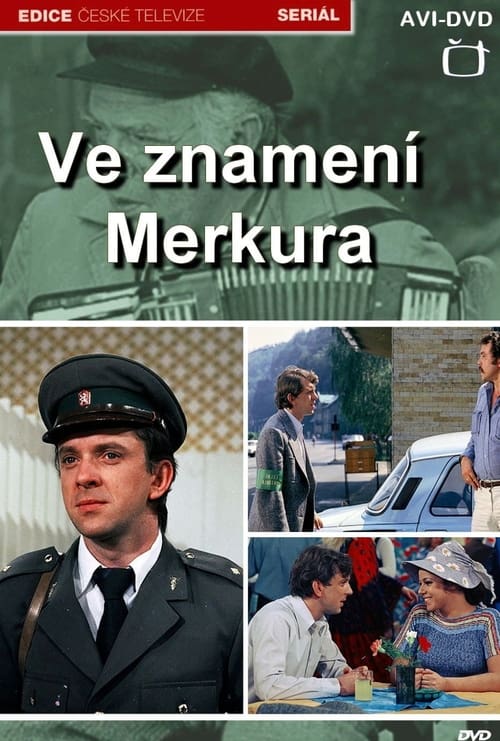
Ve znamení Merkura
No description available.
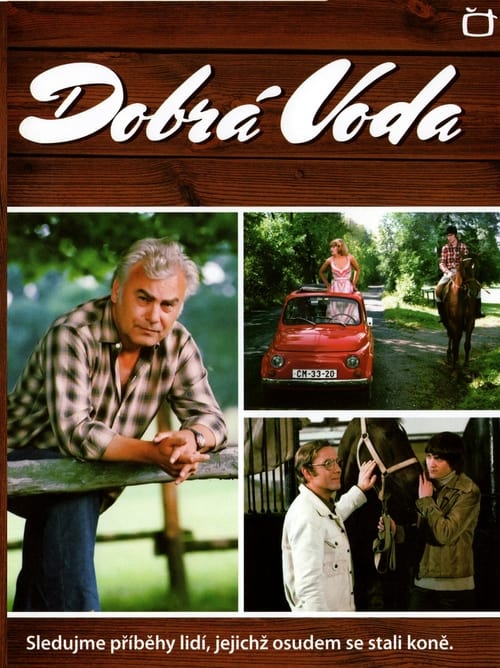
Dobrá Voda
No description available.
Rozsudek
No description available.
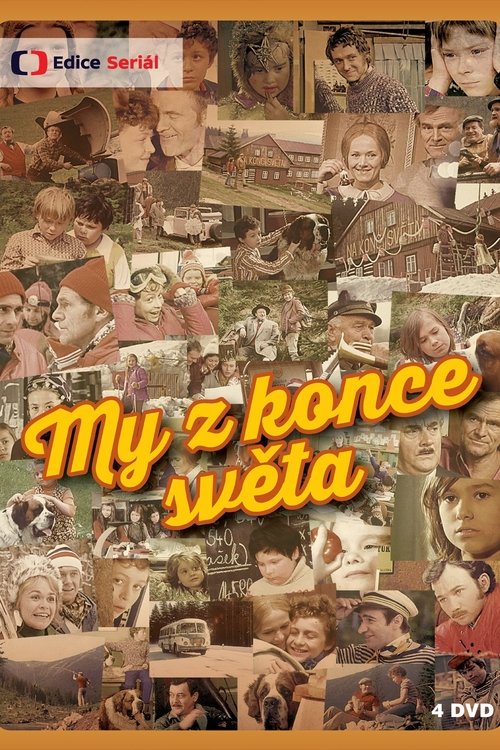
My z konce světa
No description available.
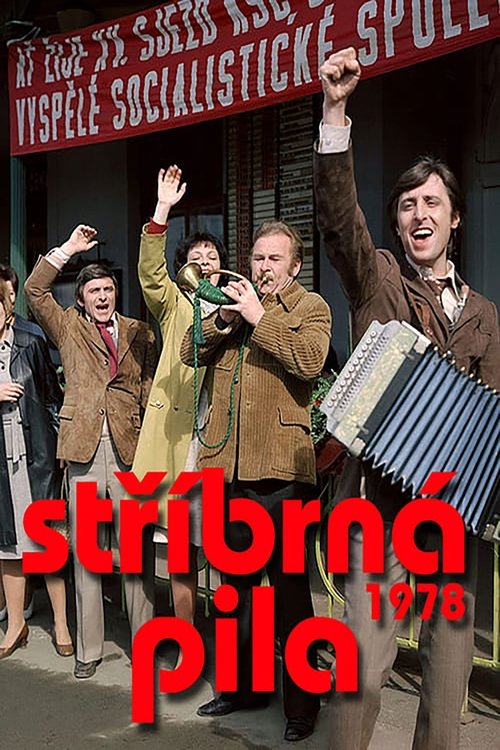
Stříbrná pila
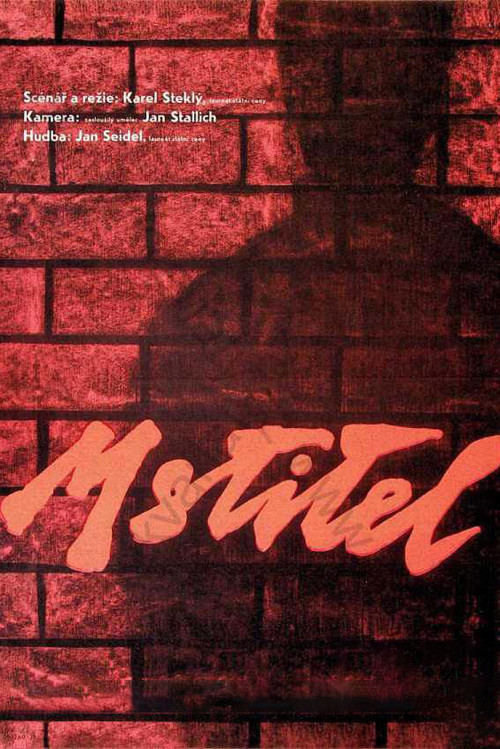
Kaspar Len returns home after three years in the army. He vainly searches for the mason Kryštof’s family where he had lived before he left. All he finds out is that Kryštof’s daughter Márynka, who was in his thoughts all those years, is now working in the local brothel. He goes to visit her and Márynka tells him of the misfortunes which befell her family.
Mstitel
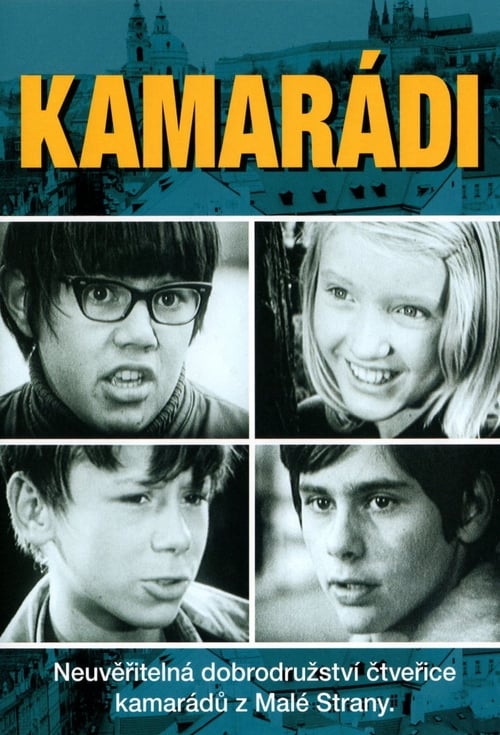
No description available.
Kamarádi
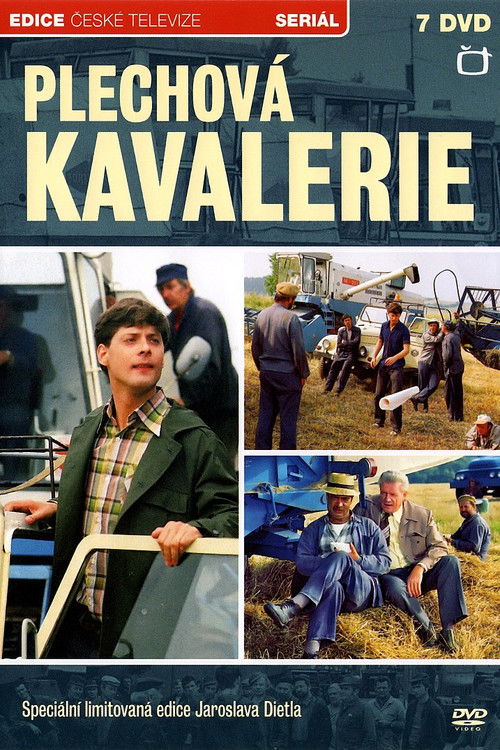
Plechová kavalérie is a Czechoslovak/Czech TV series about combine operators filmed by Jaroslav Dudek.
Plechová kavalerie
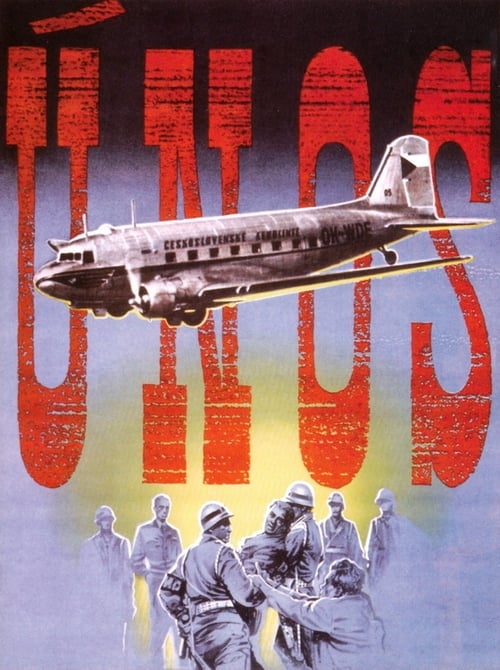
American agents hijack a plane on the Ostrava-Prague route to launch a campaign against the People's Democratic Czechoslovakia. The plane lands in West Germany, but the Americans have an unexpected problem convincing the hijackers to stay in the West. Based on a true story.
Kidnapped
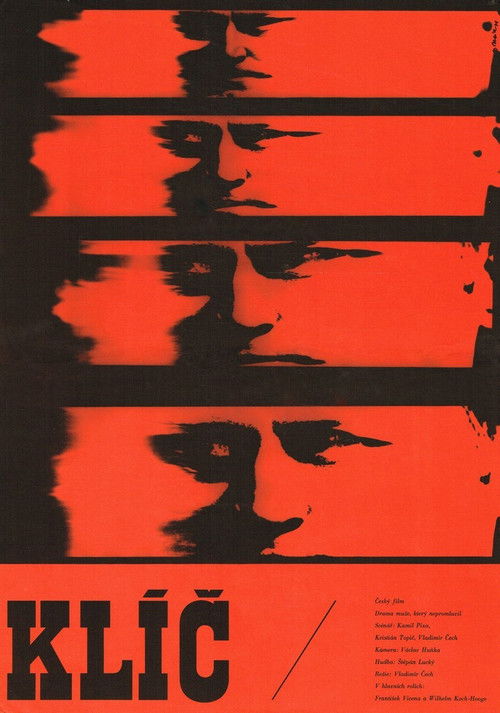
Jan Zika is the legendary hero of the communist resistance movement during World War II and leading functionary of the second underground Central Committee of the Communist Party of Czechoslovakia.
The Key
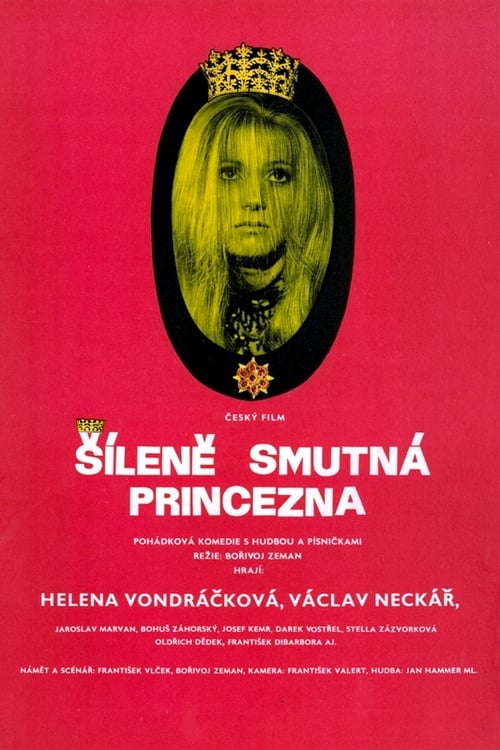
Like a fairy tale, King Henry and King Good-thought decided long ago that their only children should marry and so prevent war arising between their kingdoms ever again. But the young prince is wary of marrying anyone he doesn’t know.
The Terribly Sad Princess
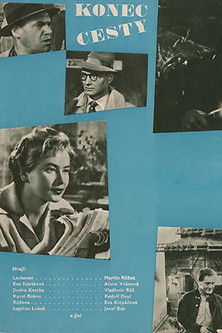
Josef Lachman, once a security officer, serves twelve years for aiding an SS fugitive’s escape. Upon release, he works as a driver on a dam project, hunting buried English pounds Meyer told him about. With miner Rokos’s help, he retrieves the cash and hides it with his daughter Eva, but she spends some at Tuzex, Rokos blackmails him, and they discover the notes are WWII forgeries.
Konec cesty
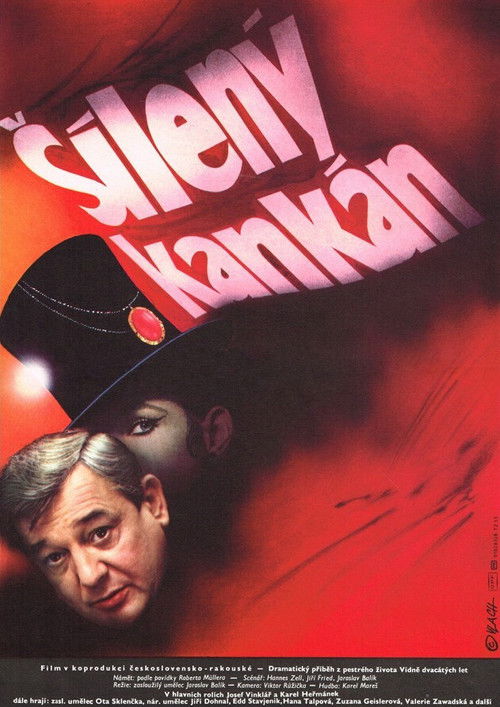
During the First World War, the crooks Scholef and Krumka sell weapons on the black market. After the collapse of the monarchy they try their hand at speculation on a grand scale.
Šílený kankán
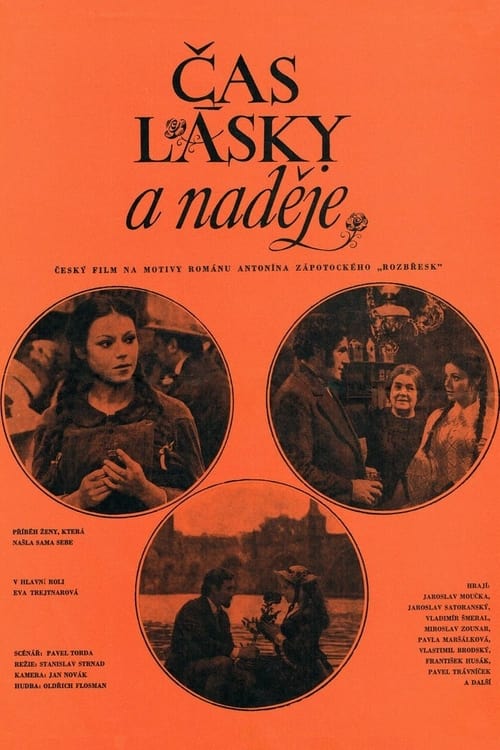
A colour-printed melodramatic selanca from the beginnings of the organised labour movement in Bohemia... Antonín Zápotocký, the second workers' president, is the author of the literary novel Rozbřesk - the plot is said to be inspired by the fate of his grandmother and mother.
Čas lásky a naděje
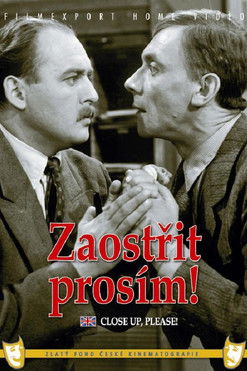
A Czech satirical comedy, filmed according to a script by the State Prize laureate Jiří Marek based on several of his satirical short stories. The film contains three stories, the first of which mocks careerism, the second takes aim at the inadequate attitude of some of our literary critics, and the final story is a satirical picture of how irresponsible construction work is still done in some parts of our country.
Zaostřit prosím!
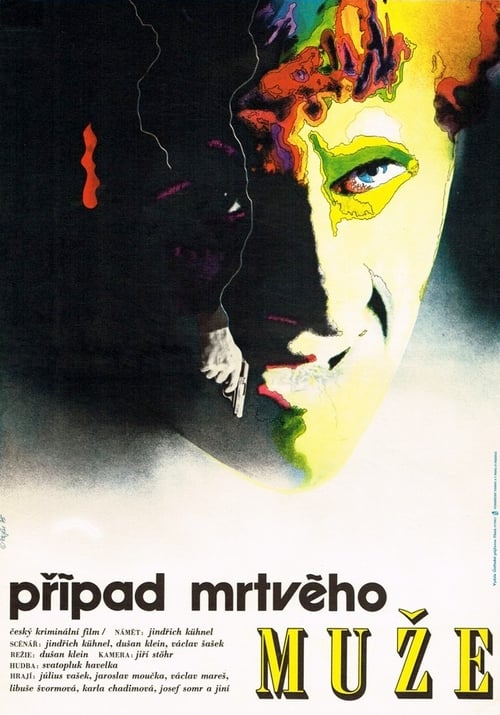
In 1955, a detained agent feigns loss of memory, speech and hearing. According to his written statements, his name is Karel Neumann and he was born in Radhost...
Případ mrtvého muže
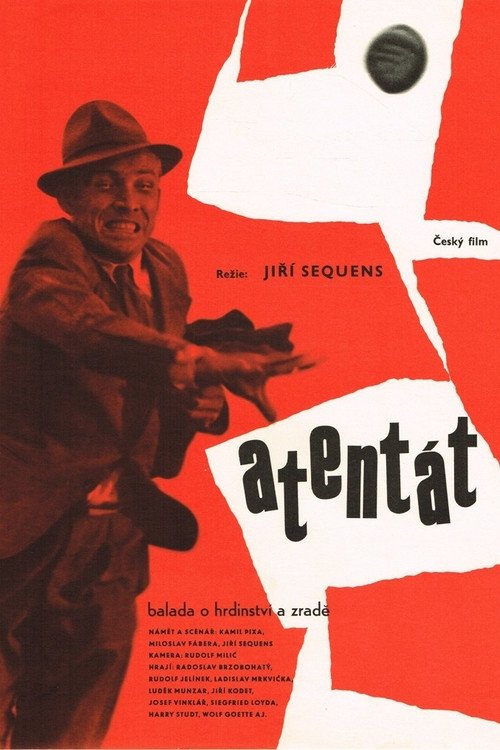
In autumn 1941, Reich Protector Reinhard Heydrich’s brutal rule in occupied Bohemia and Moravia fuels Czech resistance. In spring 1942, the government-in-exile sends trained paratroopers led by Lt. Král on a mission to assassinate him. Masters Strnad and Vyskočil ambush Heydrich’s open Mercedes in Prague’s Libeň district, mortally wounding him despite a jammed submachine gun. Their success triggers harsh Nazi reprisals, mass executions, and an intense manhunt for the operatives.