Hans Stiebner
Acting
Known For

Biopic about the Rothschilds, a Jewish family whose members rose to the top of the European banking community during the Napoleonic era.
The Rothschilds
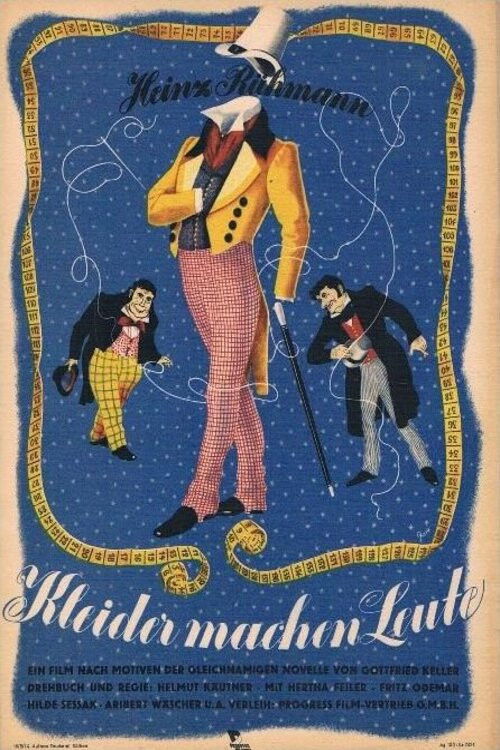
The daydreaming tailor Wenzel is fired from his job, because the fancy frock he was supposed to cut for the mayor, he instead made for himself. He is allowed, however, to take the frock, which he appropriated for himself and he puts it on as he leaves the shop. A puppeteer picks him up in his coach and addresses Wenzel as "Count". So is he received in Goldach, where people think he is Count Stroganoff, the ambassador to the Czar of Russia.
Clothes Make the Man

Successful playwright goes undercover to get new material and finds romance.
Nanette
Hans wins a prize for his painting of Bärbel, showing her in a slightly compromising way. To clear her good name they get engaged. Too bad that Hans is already engaged to Hanna, and both engagement parties proceed at the same time.
Verlobte Leute
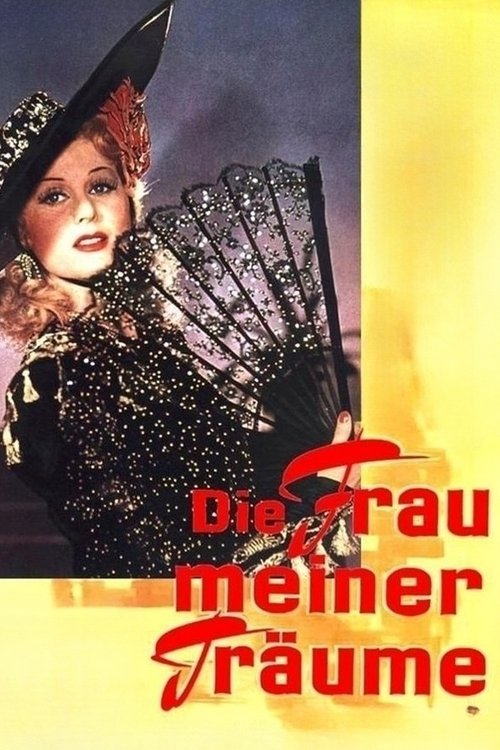
Blonde goddess Marika Rökk plays Julia Koster, a ravishing red-headed musical revue star and her opening number, "At Night It Isn't Right To Be Alone", playing to a packed theater, is both an eye-popper and a jaw-dropper.
The Woman of My Dreams
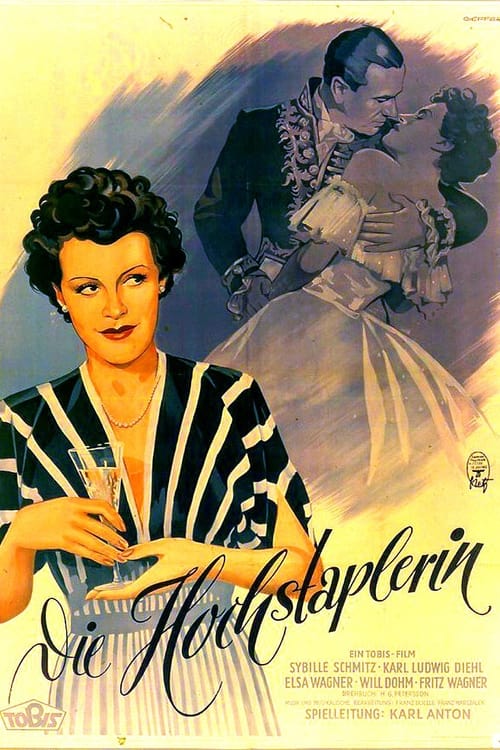
Thea can't pay her bill, so the hotel manager forces her to impersonate a countess to draw business to the hotel. Then Thea and lawyer Michael meet and fall in love but he insists he could marry only a strictly law-abiding woman.
The Impostor
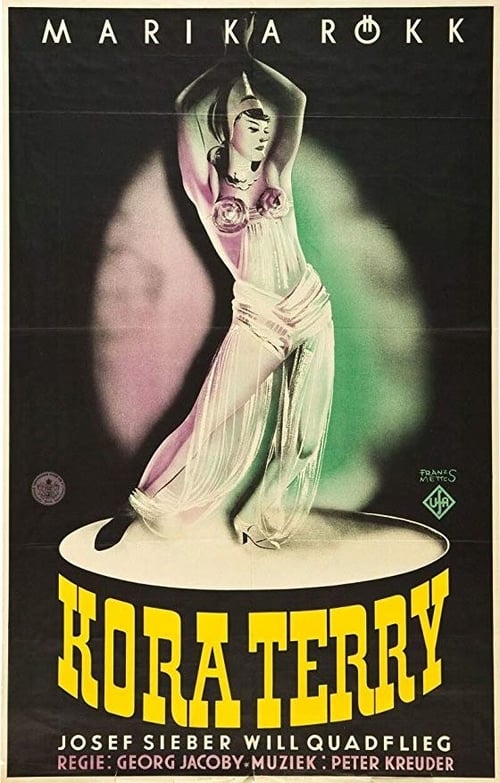
When Bartos, the director of the Odeon variety theater, cancels an artist at short notice, he hires the Terrys out of necessity, whose parents were successful variety artists, but who had not yet received an engagement themselves. Both are supported by Tobs, a friend of their parents. While blonde Mara Terry arrives punctually for the first rehearsal, her dark-haired sister Kora is late like a diva and acts aloof and snippy. At their first performance together the next day, Kora is overtired from partying the night before. During a dangerous act in which she has to balance her upside-down sister on her head, she becomes careless...
Kora Terry
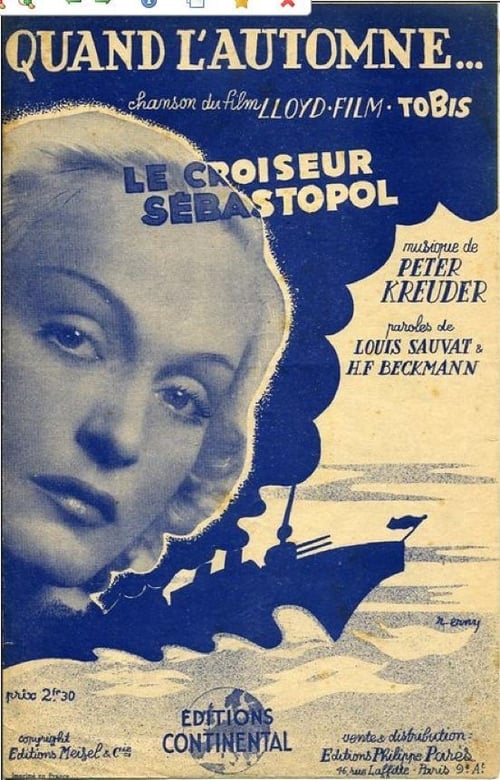
Russia, 1917. Revolution is in the air. The Sevastopol anchors In Saint Petersburg. The sailors are thirsty for women and celebration. The ship becomes a dancehall. Bloodbath, pillage and kidnapping follows. A Nazi/Germany propaganda film.
White Slaves
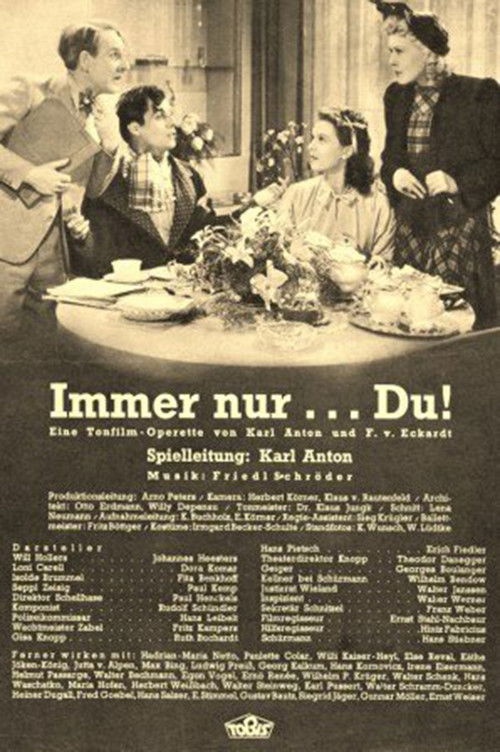
The two stars of an upcoming operetta performance quarrel constantly. but they also fall in love with each other.
You Only You
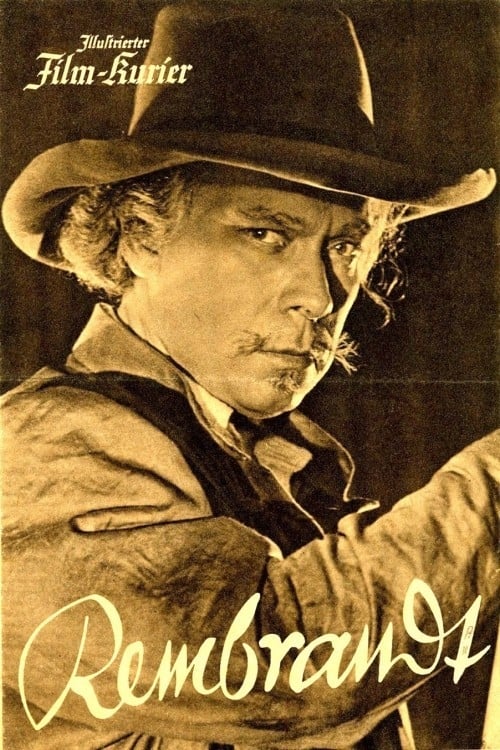
Already a famous painter, Rembrandt van Rijn is commissioned to paint the Amsterdam Archers' Guild. But upon completion of the picture, the men of the guild feel duped, because they don't consider themselves flatteringly depicted in the painting. They therefore decline to pay for the work. During this dispute, the painter finds out his wife is close to death. He finds himself terribly lonely after her passing and suffers from depression until he decides once more to marry.
Rembrandt
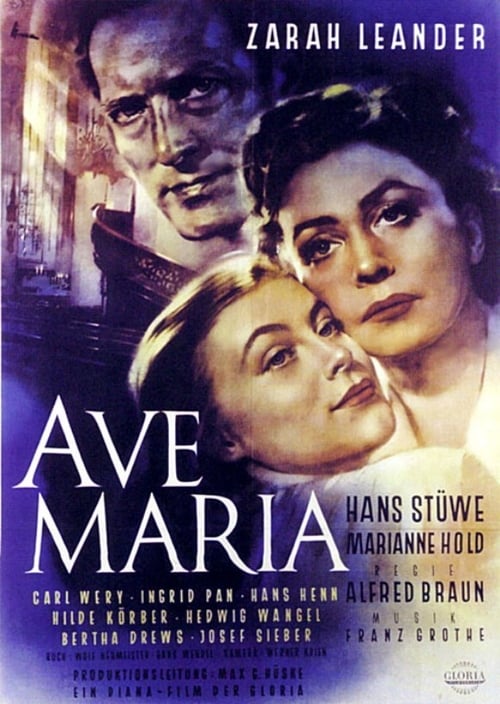
Karin Twerdy used to be an opera singer but now, in order to pay for her daughter Daniela's education in a religious school, she performs in a shady nightclub. Industrialist Dietrich Gontard, the father of Karin's school friend Christa, falls for her. But when he learns the truth about her he is outraged and rejects her. At a loss and not to stand in the way of Daniela's future, Karin chooses to disappear...
Ave Maria
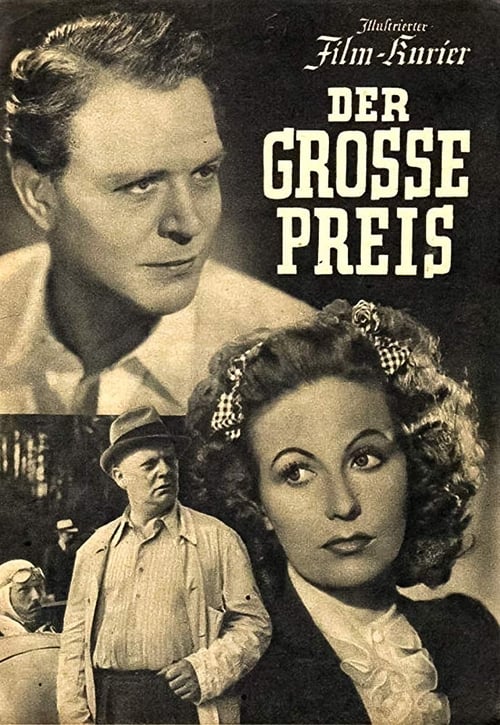
The moral is simple: keep your mouth shut, especially when you're working during the wartime in a factory, which produces racing cars only, or someone can (or even must) get murdered. Not a good movie, not a bad either. The ending is abrupt and artificial, which seems to be a common plague of Third Reich's crime movies. Gustav Fröhlich could never get rid of his silent era mannerisms and overacting. But on the other side, this film is not boring and has to offer some decent plot turns and acting.
The Grand Prix
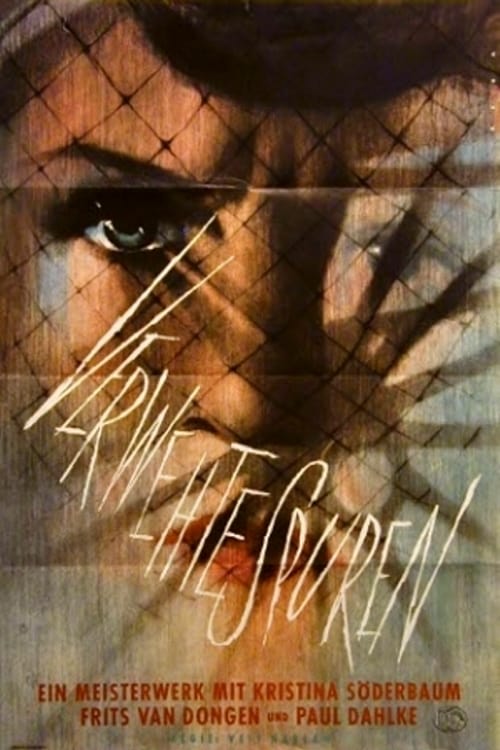
Séraphine and her mother arrive in Paris to visit the 1867 World Exhibition. In an overcrowded city they must be accommodated in separate hotels. During the night the mother, who wasn't feeling very well, gets suddenly worse. When next morning Séraphine goes to meet her every trace of her presence has disappeared and everybody denies having ever met her. The bewildered young woman must find someone who believes her. Previous version of So Long at the Fair (1950).
Covered Tracks

This is the directorial debut of Artur Pohl and tells the story of war refugees as they try to settle in a small town in Germany.
The Bridge
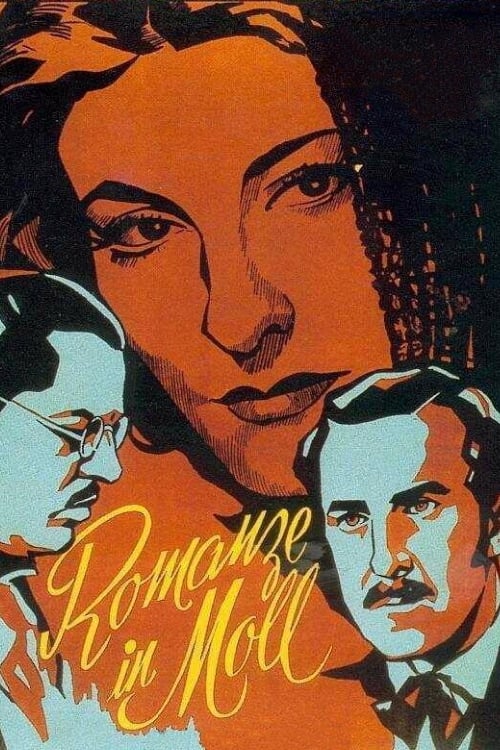
A grieving husband tries to uncover the truth behind his wife's suicide, leading him to discover a tragic tale of infidelity and redemption.
Romance in a Minor Key
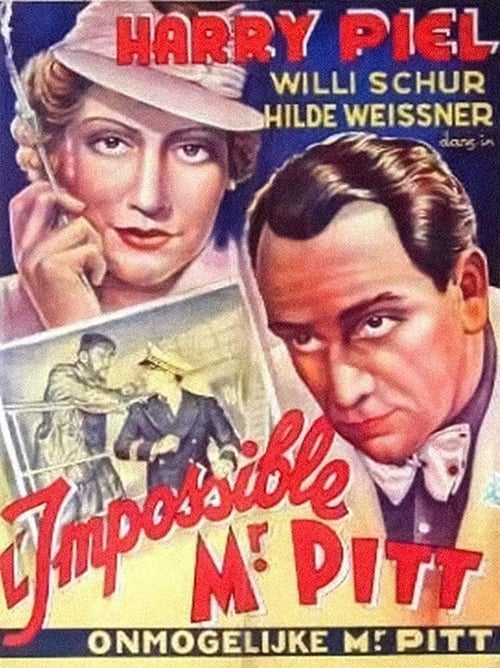
The Impossible Mister Pitt is a 1938 German adventure crime film directed by and starring Harry Piel. It also features Willi Schur, Leopold von Ledebur and Hilde Weissner. It was shot at the Babelsberg Studios in Berlin and on location off the coast of Split in Croatia.
The Impossible Mr. Pitt
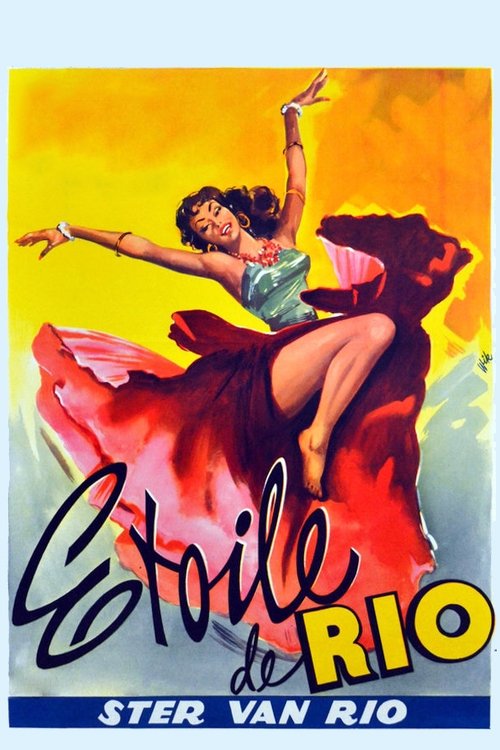
A remake of the 1940 film of the same title. It was shot on location in Brazil with separate German and Italian versions.
Adventure in Rio
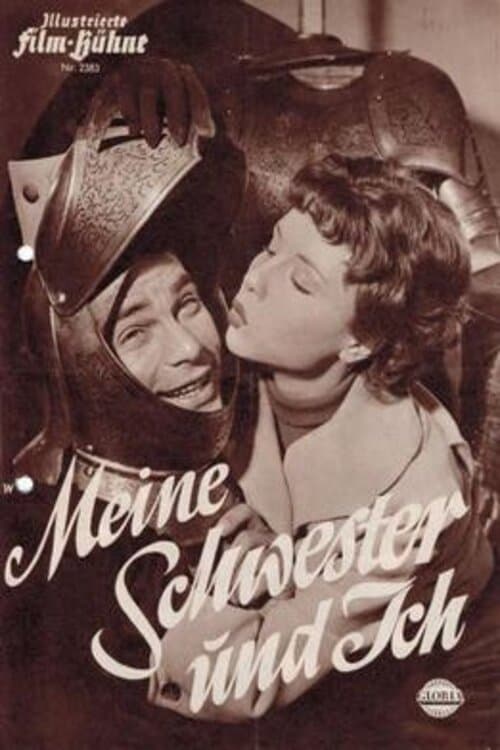
After an accident, Princess Maria Christine ends up stranded in Rothenburg, where she falls in love with engineer Rudi Becker, but pretends to be a shoe saleswoman. Misunderstandings, mix-ups and intrigues lead to turmoil surrounding her planned wedding to the King of Slovenia.
My Sister and I
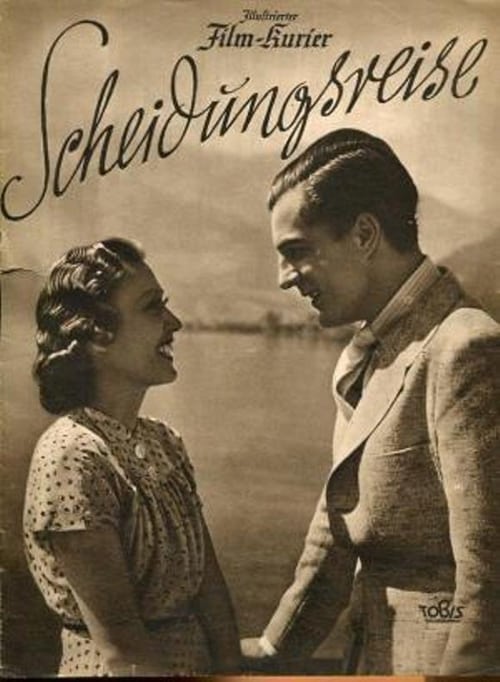
On their wedding night, the very night Dr. Delius and his wife Marianne had been so eagerly anticipating, a heated argument erupted between the newlyweds. Marianne's loyal dachshund took its protective instincts a little too seriously, constantly thwarting every attempt Delius made to get closer. This led to a fierce debate, culminating in the couple's immediate decision to file for divorce.
Scheidungsreise
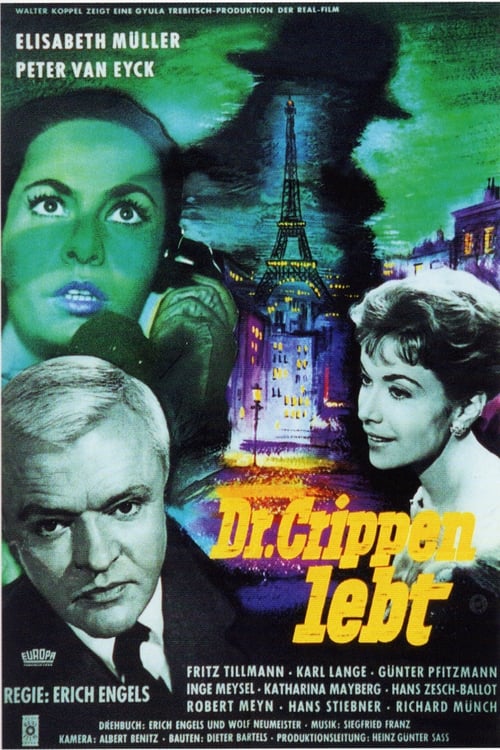
Double murderer Dr. Crippen is using every means possible to search for a manuscript that he suspects is in the possession of the daughter of the man who was executed in his place.