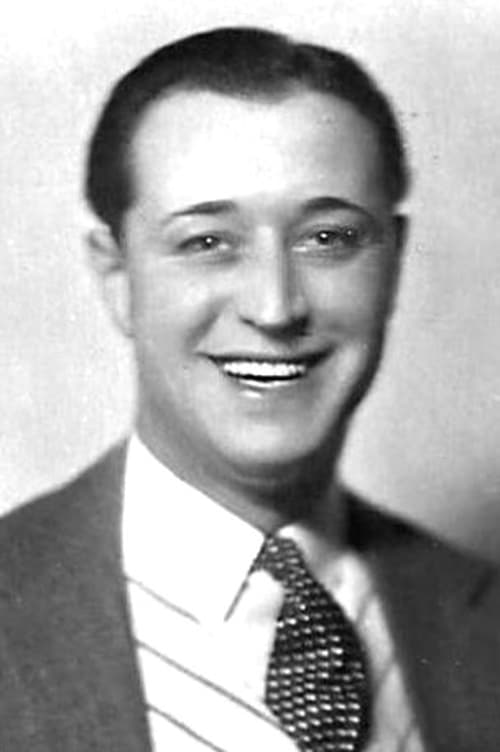
Angelo Ferrari
Acting
Known For
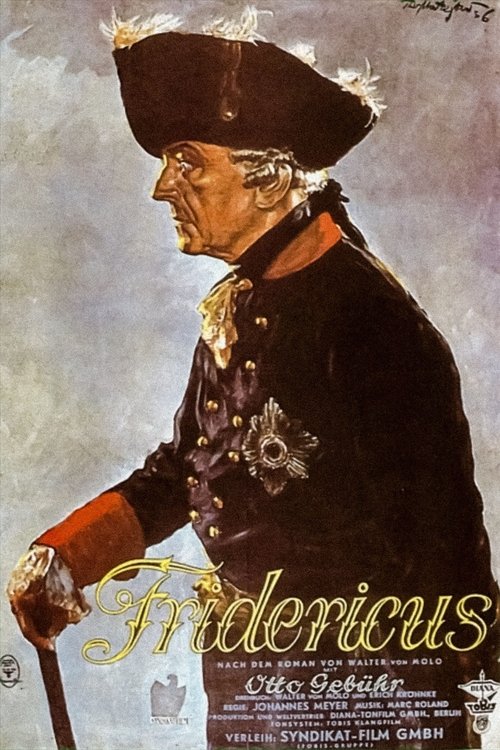
In 18th century Europe, King Friedrich II of Prussia leads his army through the seven-years-war with neighboring states, and after numerous near defeats, eventually brings a victorious army back to Berlin.
Fridericus
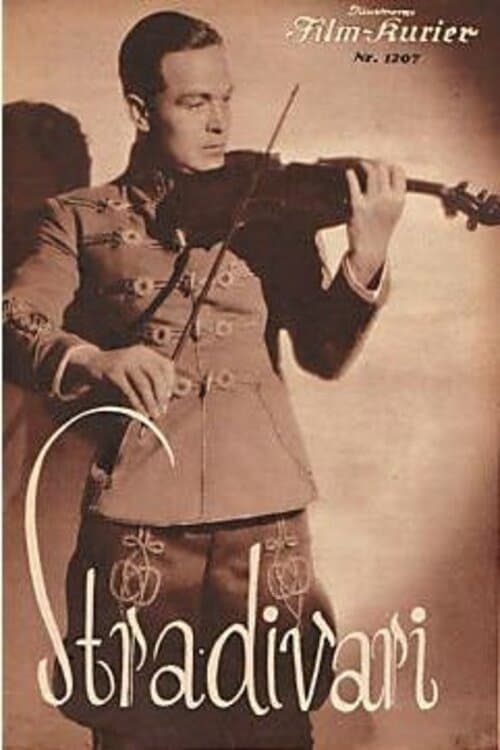
In 1914 a Hungarian officer inherits a Stradivarius which is believed to bring back luck to its owner. He and his Italian fiancée are separated by the First World War, and he is badly wounded.
Stradivari
Movie adaptation of the Leoncavalo's famous opera. A troupe of traveling actors is being welcomed by villagers in Calabria in the summer of 1866.
Laugh Pagliacci
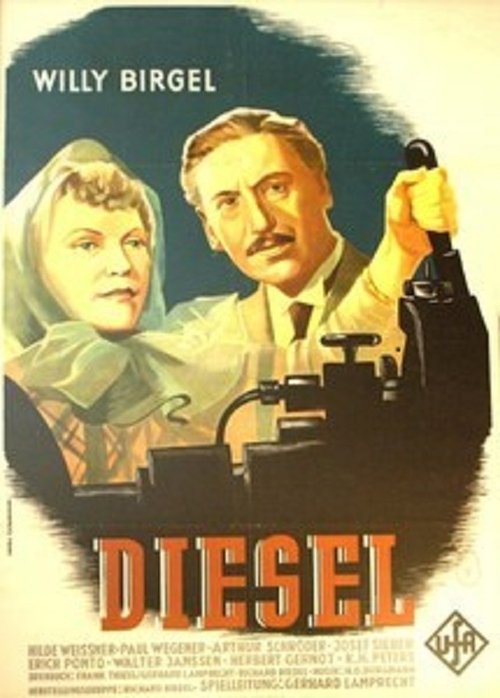
A German wartime biography of Rudolf Diesel, inventor of the Diesel engine. The movie links the importance of the engine to the war by starting the movie with newsreel clips of German Navy U-boats in action.
Diesel

Two dubious characters disguise themselves as Holmes and Watson to gain attention and end up chasing counterfeiters and stolen stamps.
The Man Who Was Sherlock Holmes
Hans wins a prize for his painting of Bärbel, showing her in a slightly compromising way. To clear her good name they get engaged. Too bad that Hans is already engaged to Hanna, and both engagement parties proceed at the same time.
Verlobte Leute
No description available.
Spiel
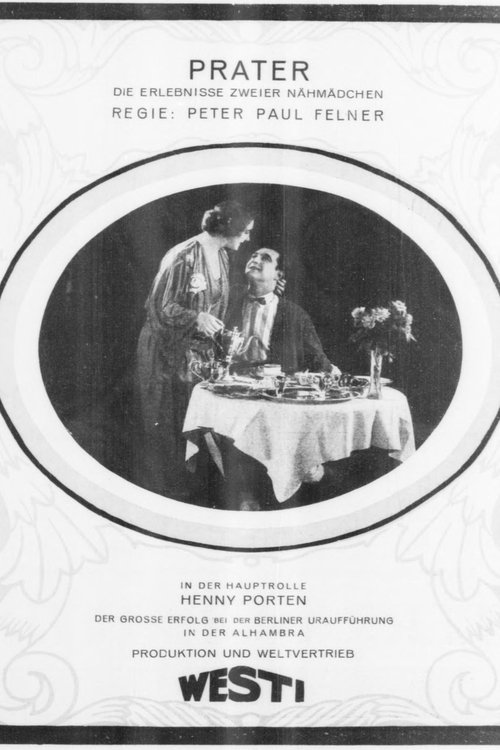
No description available.
Prater
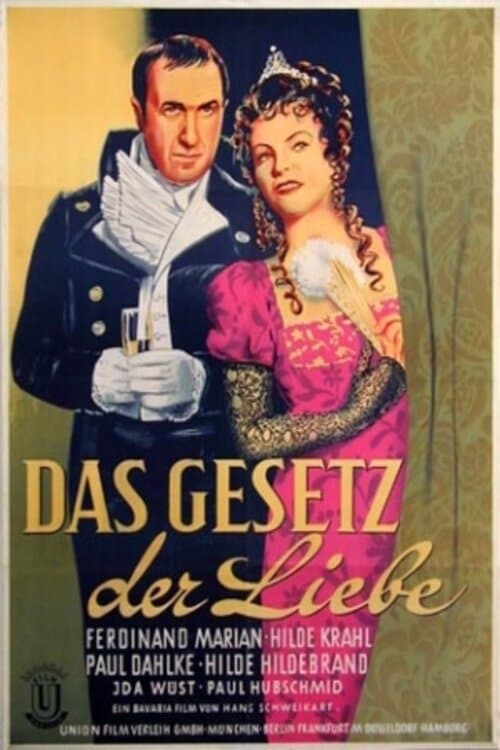
Berlin, 1805: The brave Lieutenant Hofstede fell stormily in love with the charming singer Madeleine. Although Madeleine works in a very dubious establishment and thereby embroiled her lover in a scandal.
The Law of Love
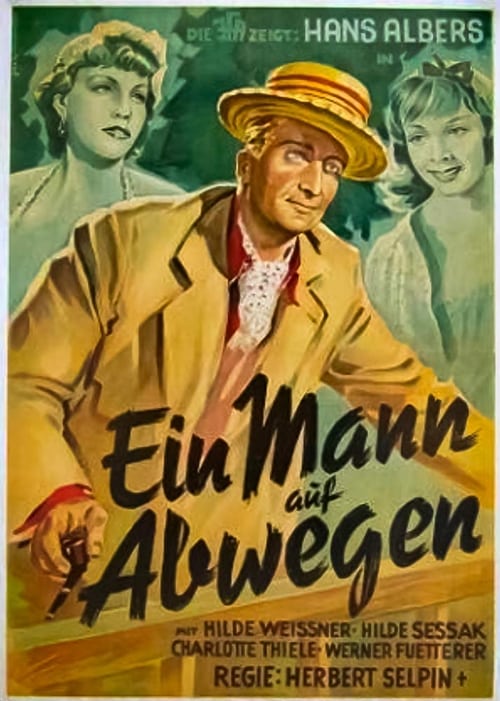
Swedish industrial magnate Percival, known as Percy Patterson, has suddenly disappeared after a business meeting with his partner Sully.
Ein Mann auf Abwegen
No description available.
Drei Tage auf Leben und Tod - Aus dem Logbuch der U.C.1
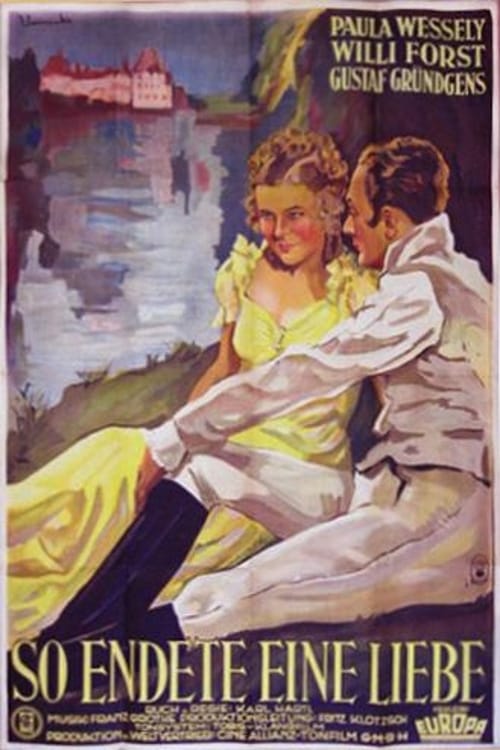
The political advisor to the French emperor Napoleon, and the Austrian emperor Franz I, arrange a marriage between Napoleon and the Austrian archduchess Marie-Luise in order to prevent another war.
So Ended a Great Love
Berlin's theatre crowd is excited about the new operetta "Frau Luna". But for the head of the city's vice police, who was invited to the dress rehearsal, the costumes for the ladies onstage are a bit too revealing. He demands the show be cancelled as offensive. The president of the Thusneldenbund has taken it upon himself to alert everyone about the growth of immorality in the capital. The theatre director Knopp has come up with an idea to convince these "fine" gentlemen to let the operetta go onstage again: He intends to win over the friendship of the moral police and then nothing will stand in the way of "Frau Luna" once more being performed.
Mistress Moon
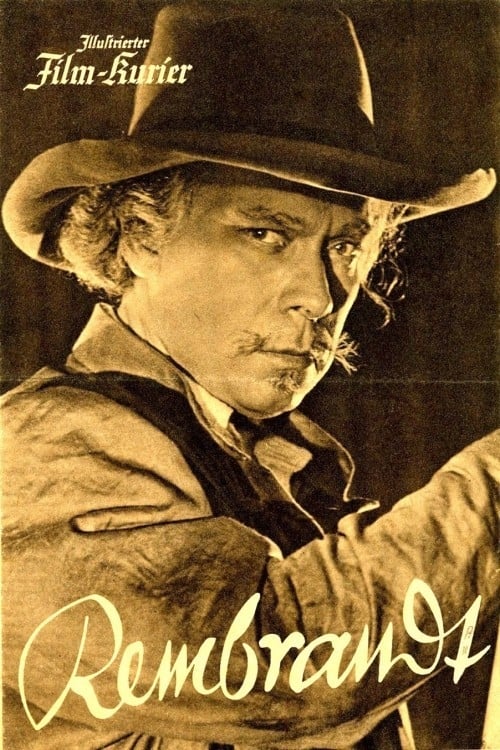
Already a famous painter, Rembrandt van Rijn is commissioned to paint the Amsterdam Archers' Guild. But upon completion of the picture, the men of the guild feel duped, because they don't consider themselves flatteringly depicted in the painting. They therefore decline to pay for the work. During this dispute, the painter finds out his wife is close to death. He finds himself terribly lonely after her passing and suffers from depression until he decides once more to marry.
Rembrandt
Alexander Schonath is an exceptionally gifted musician who plays first violin in a philharmonic orchestra. But when the orchestra runs into financial difficulties, Alexander is the first to leave and join a dance band – the other musicians, especially his father, see him as a "deserter." In Alexander's absence, his younger, perpetually sickly brother Hans makes a career in the philharmonic and becomes engaged to Maria, the daughter of the orchestra's chairman, Herbert Hartwig.
Philharmonic
Circus performer Tonio Tonelli discovers his wife Maja having an affair with his colleague Tino. Tonio goes away, and slowly rebuilds his career before meeting tightrope walker Nelly. The two become a popular sensation, which leads his estranged wife to try and force him back into a partnership with her through blackmail. When she is found dead, Tonio is the obvious suspect for her murder.
Tonelli
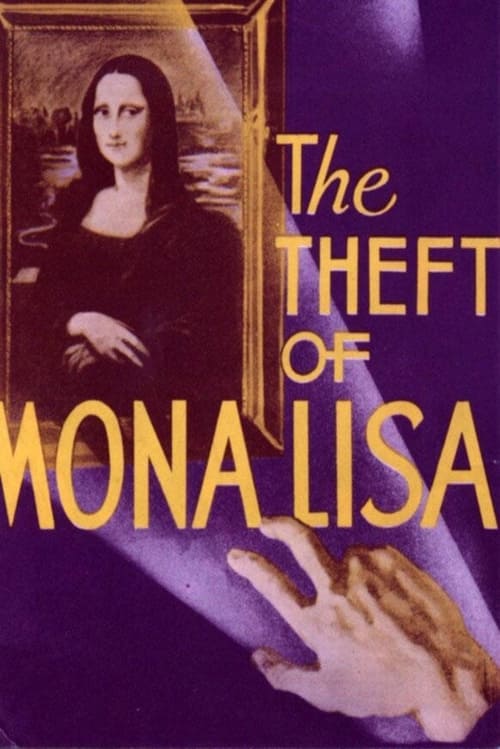
A painter working at the Louvre is struck by the Mona Lisa. When he meets a girl whom he believes bears a resemblance to the painting, and who wants him to become famous, he comes up with the idea of stealing the painting. Based on the real-life theft of 1911.
The Theft of the Mona Lisa
Penniless Peter Schild looks for work when arrived in Germany. Working as a private eye he has to observe a young lady who is willing to marry an unemployed actor against the will of her parents.
Insolent and in Love
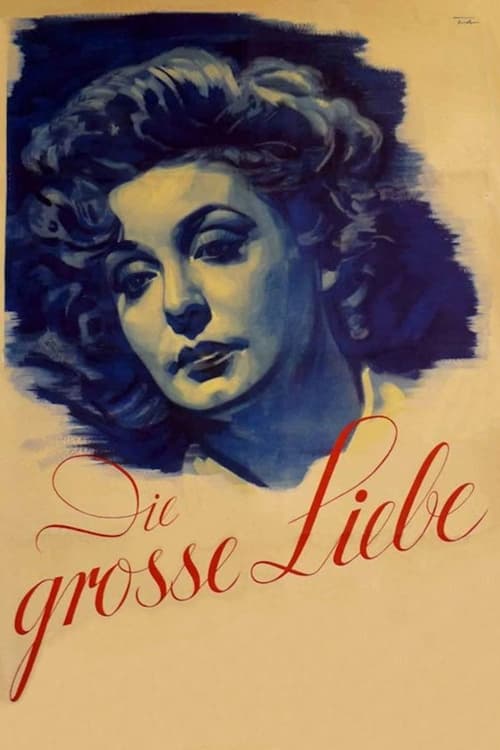
The attractive Oberleutnant Paul Wendlandt is stationed in North Africa as a fighter pilot. While in Berlin to deliver a report he is given a day's leave, and on the stage of the cabaret theatre "Skala" sees the popular Danish singer Hanna Holberg. For Paul it is love at first sight. When Hanna visits friends after the end of the performance, he follows her, and speaks to her in the U-Bahn. After the party in her friends' flat, he accompanies her home and chance throws them further together when an air raid warning forces them to take cover in the air raid shelter. Hanna reciprocates Paul's feelings, but after a night spent together Paul has to return immediately to the front. There now follows a whole series of misunderstandings, and one missed opportunity after another. While Hanna waits in vain for some sign of life from Paul, he is flying on missions in North Africa. When he tries to visit her in her Berlin flat, she is giving a Christmas concert in Paris.
The Great Love
At the last performance of the Barszony Circus in Hamburg, the Indian lion-tamer Sikkim Khan is attacked by a tiger and is badly wounded. That he got away with his life at all is due to the quick action of the circus director's daughter, Tamara, who shoots the tiger. From that point on, Tamara appears as "Sikkim Khan" and the "Diamond King" van Houten falls in love with her. On a ship of the South American Line, they meet and get to know each other better. When an emerald worth half a million is stolen, Tamara declares herself to be the thief, so as to protect an old colleague of her father, who wants to save the circus with the money from the stolen jewel.