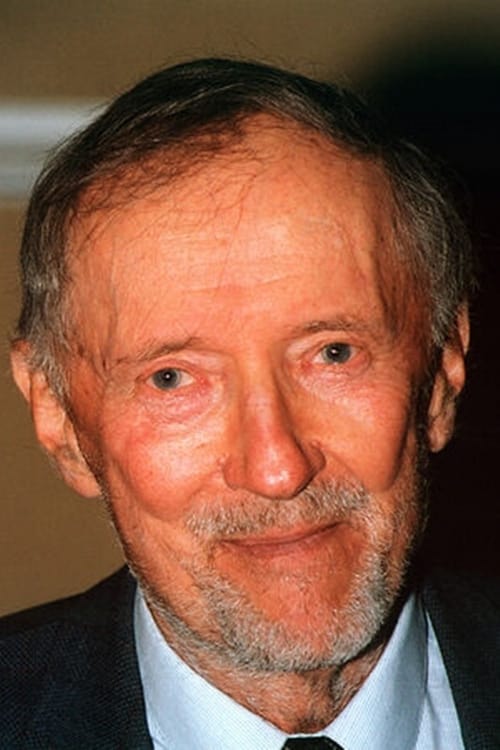
Krzysztof Chamiec
Acting
Known For

A series about the adventures of a Polish secret agent, Hans Kloss, who acts as a double agent in the Abwehr during Second World War in occupied Poland.
More Than Life At Stake
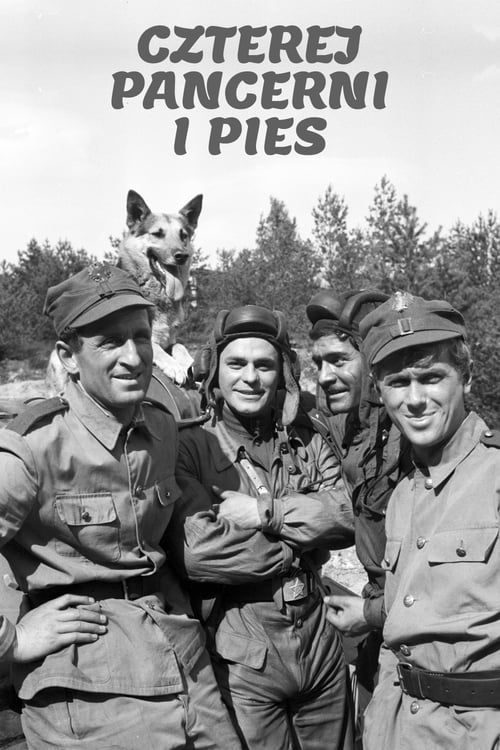
Czterej pancerni i pies was a Polish black and white TV series based on the book by Janusz Przymanowski. Made between 1966 and 1970, the series is composed of 21 episodes of 55 minutes each, divided into three seasons. It is set in 1944 and 1945, during World War II, and follows the adventures of a tank crew and their T-34 tank in the 1st Polish Army. Although both the book and the TV series contain elements of pro-Soviet propaganda, they have achieved and retain a cult series status in Poland, Soviet Union and other Eastern Bloc countries. The T-34 tank Rudy with the identifying number "102", a German Shepherd dog from Siberia Szarik and to a lesser extent the crew Jan Kos, Gustaw Jeleń, Grigorij Saakaszwili, Tomasz Czereśniak, and their commander and mentor Olgierd Jarosz, as well as other heroes of the series, have become icons in Polish popular culture.
Four Tank-Men and a Dog
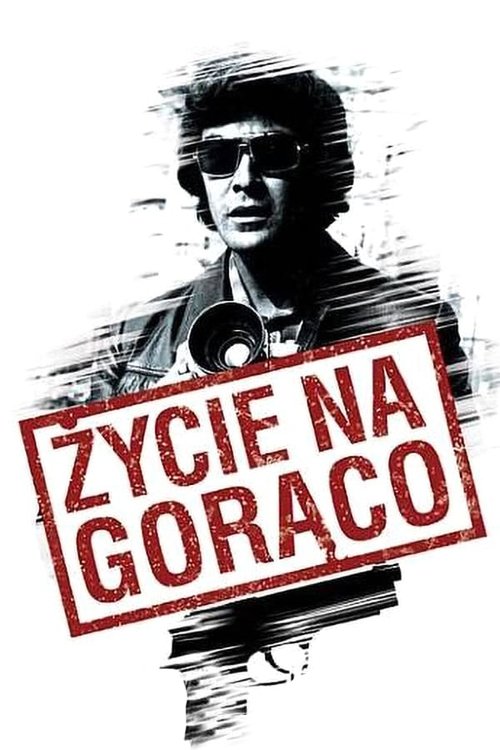
No description available.
Życie na gorąco
No description available.
Podziemny front
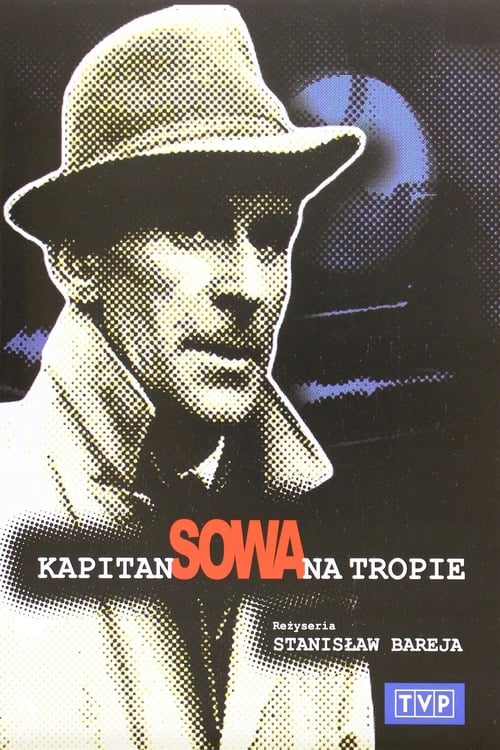
Kapitan Sowa na tropie is a Polish series from 1965 directed by Stanisław Bareja. It was the first Polish criminal series made after World War II.
Kapitan Sowa na tropie
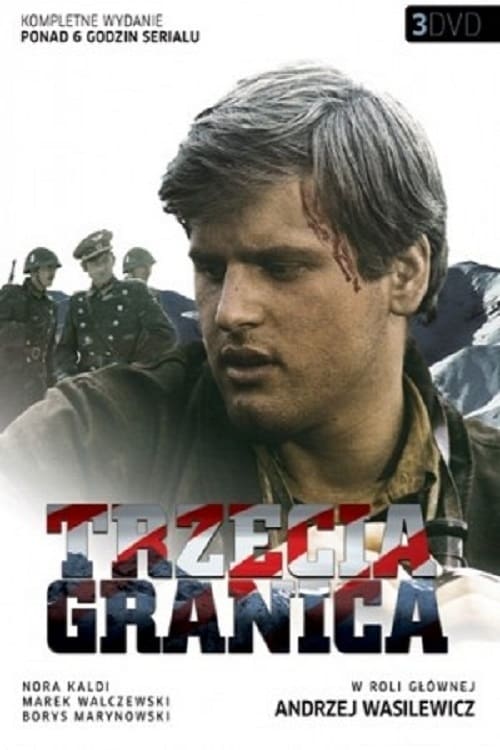
No description available.
Trzecia granica
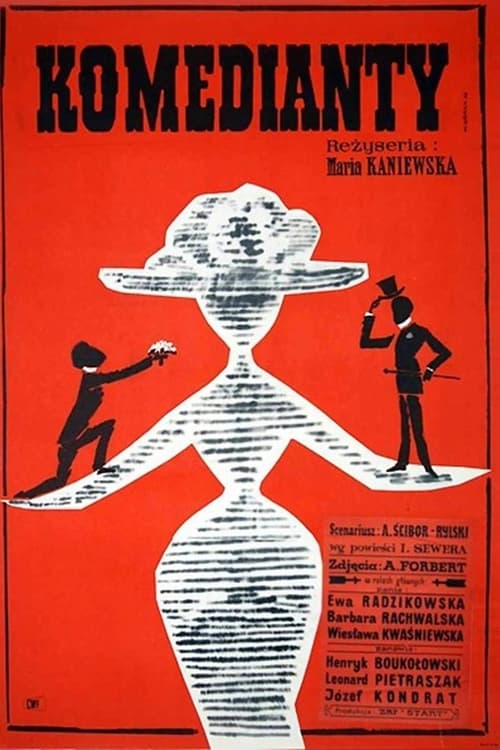
Two travelling actors break from their troupe and with help of friends and family start their own act, experiencing serious success.
Komedianty

Twenty-year-old Henri Rebecque wants to make his dream come true: to bring Benjamin Constant's Adolphe to the screen in amateur format. Armed with a sixteen-millimeter camera and a team of friends, Henri embarks on this adventure, playing the role of Adolphe himself. Despite all the warnings, he lived through the passion and ordeal of the novel's hero, right to the end. Different times and circumstances will not change this.
The Tender Age
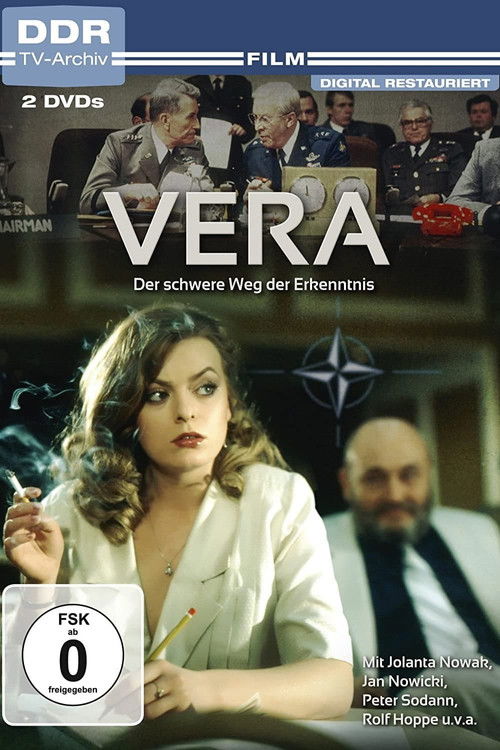
Vera is Secretary at NATO Headquarters in Brussels. During a business trip to the USA, she learns that US nuclear missiles are to be stationed in Western Europe.
Vera - Der schwere Weg der Erkenntnis
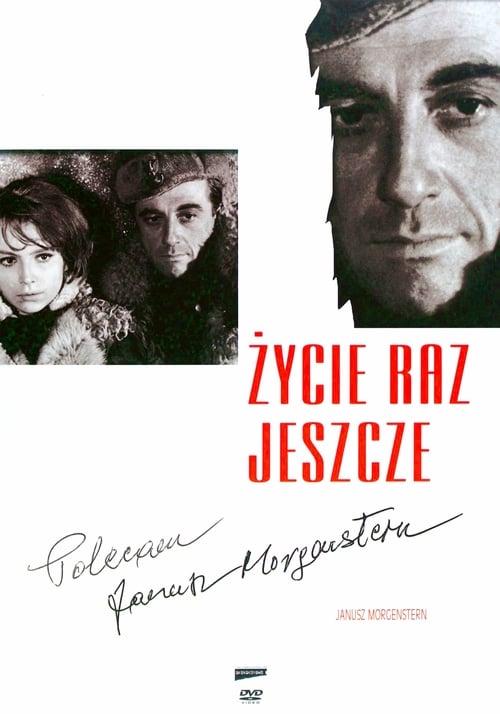
Three idealists - a communist secretary, a former RAF pilot and a female political activist - need to face the hardships and accusations of postwar Stalinist years before being finally rehabilitated.
Back to Life Again
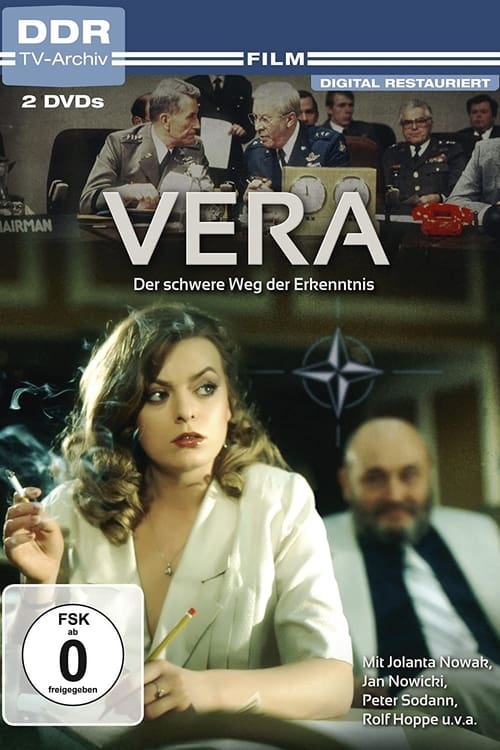
The story of Vera Lenz, a young and very attractive woman who is the daughter of a pastor and comes from a small coastal village on the North Sea (FRG). She is intelligent, determined, but also hungry for adventure, and she fascinates the world of men. She has developed into an accomplished secretary with excellent foreign language skills - predestined for an international career. Her meeting with Colonel Shelvin paves the way for this: Vera is able to take up a position at NATO headquarters in Brussels and, thanks to her achievements, she travels to many countries and meets countless interesting people.
Vera - Der schwere Weg der Erkenntnis
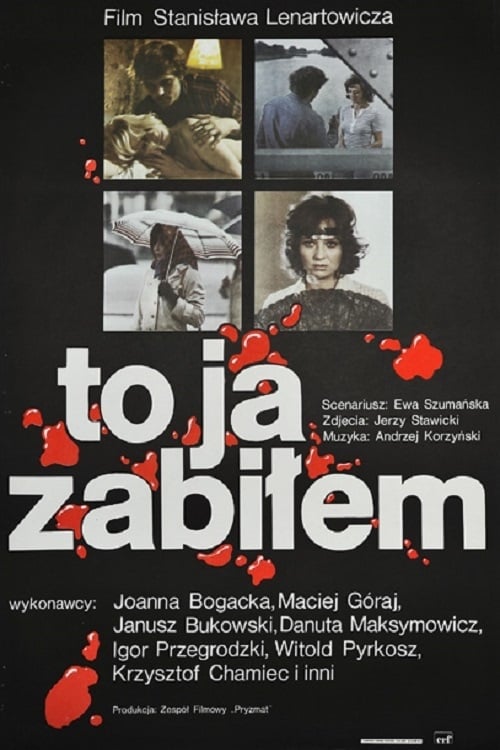
During a routine traffic stop, the police discovers the body of a girl in the trunk of a truck. Since the dead girl spent the night before with the driver of the car, he becomes the prime suspect. In the course of the trial uncomfortable truths surface.
I killed
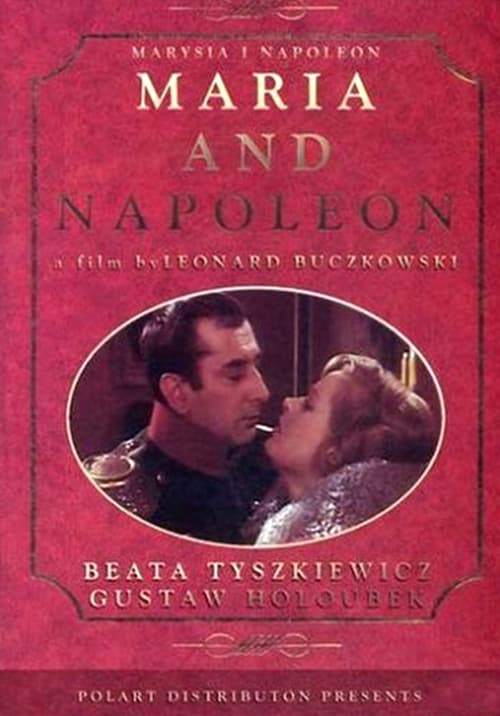
In 1807, Napoleon meets and falls in love with 22-year-old Polish countess Marie Walewska, who is unhappily married to a much older man. Enchanted by the blonde, blue-eyed countess, the emperor enters into an affair with Marie, who uses the relationship to induce Napoleon to treat Poland fairly.
Maria and Napoleon
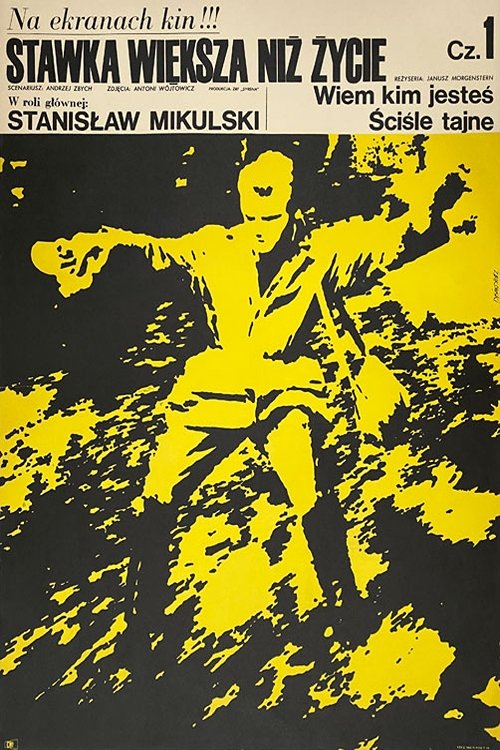
The first of six episode compilations of the TV show released theatrically, featuring episodes 1 and 3. In 1941, Polish soldier Stanisław Kolicki escapes German captivity only to be mistaken for the dashing Abwehr lieutenant Hans Kloss and recruited by the Soviets as their secret agent J-23. Under deep cover behind enemy lines, he feeds crucial intelligence to the Red Army while outwitting suspicions and dueling wits with the formidable SS officer Hermann Brunner.
More Than Life At Stake Part One
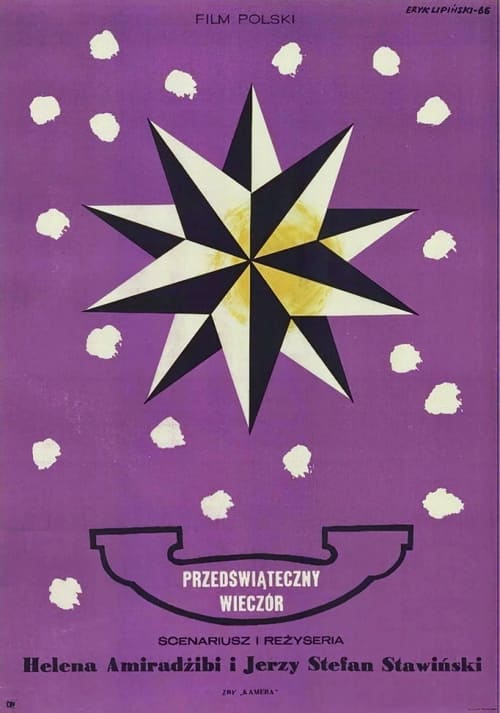
A man's surreal search for a woman named Eva on Christmas Eve.
Christmas Eve
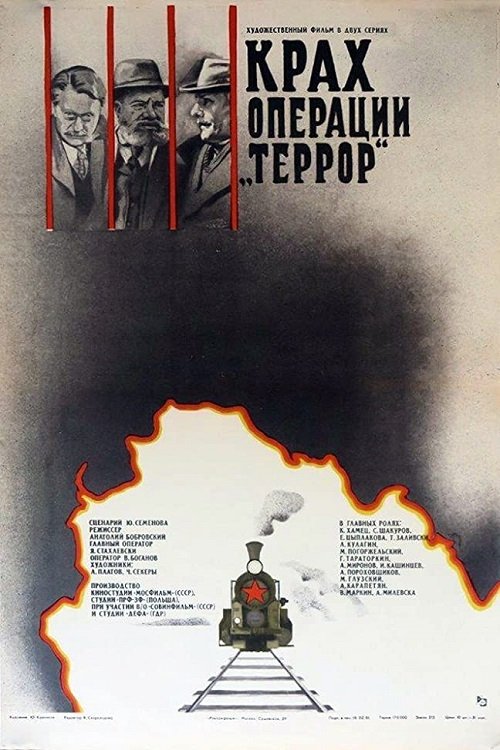
The action-packed historical and revolutionary film about the struggle of the VCHK with the international conspiracy against the Soviet government in Russia in the beginning 20s. On the activities of Dzerzhinsky, chairman of the VCHK, People's Commissar of Internal Affairs and at the same time Commissar of Railways. About the work on resuscitation of a collapsed industry, army, railways, to which the Iron Felix attracts (some by threats, some by persuasion) pre-revolutionary intellectuals.
Fiasco of Operation Terror
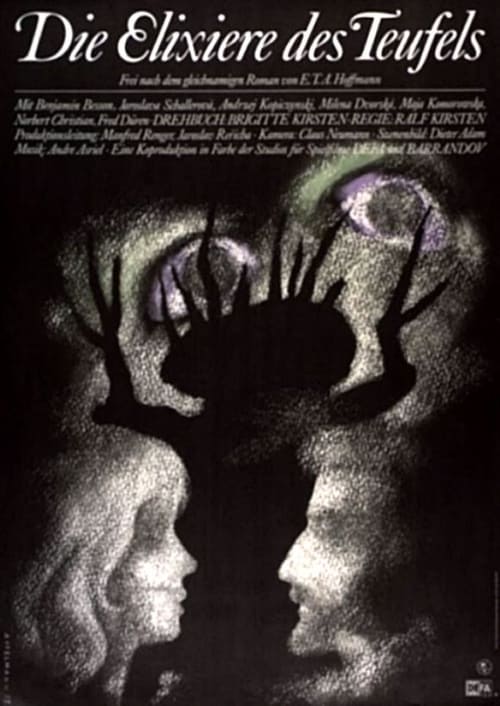
Young seminary student Franziskus has been ceremonially ordained. He wants to escape the harshness and injustice of the world and devote himself to the service of God in the quiet seclusion of a monastery. He is also hoping to forget the beautiful lady Aurelie, whose life he saved in a flooded brook and with whom he spent an amorous night. He knows that her father would never allow her to marry him. But the devil dressed in a monk's habit and under the name Viktorin intervenes in Franziskus's destiny and attempts to lead him astray. To do so he first uses the diabolical elixirs kept at the monastery as a rare relic. When the young monk gets expelled from the monastery, Viktorin prepares another trap with the help of Aurelie's stepmother Euphemie.
The Devil's Elixirs
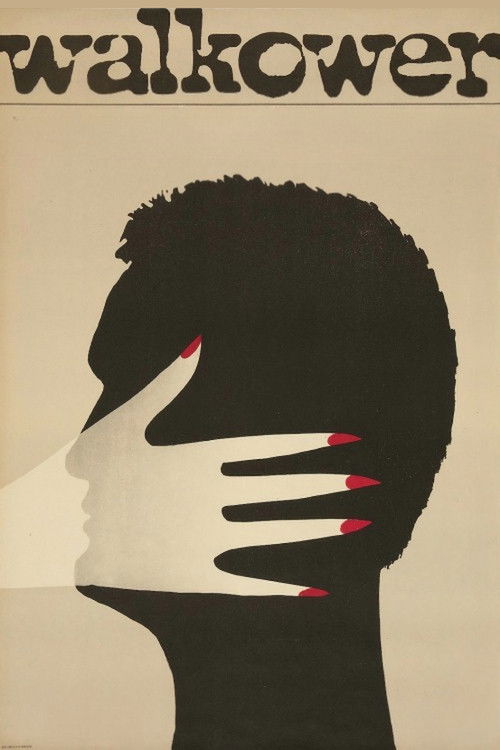
An extraordinarily stylized tale of a prizefighter who ducks a fight to romance a beautiful blonde.
Walkover
Bronek Pekosinski lives in Zamosc, Poland. He is probably 83 years old. He has no family and does not really know who he is. Everything about his life is fictitious: symbolic is the date of birth - the day World War II broke out, as well as his surname - after PKOS, an abbreviation of a charitable institution, and the place of birth - the Nazi concentration camp, from where his mother threw him over a barbed wire fence. Even his friends and guardians turned out to be false. Only his loneliness and his hump seem to be authentic. Two great powers have vied for young Bronek's soul: Roman-Catholic church and a totalitarian state. He fell into alcoholism. Partially paralyzed as the effect of cerebral hemorrhage, he is fired with an ambition of acquiring a mastery in a game of chess.
The Case of Bronek Pekosinski
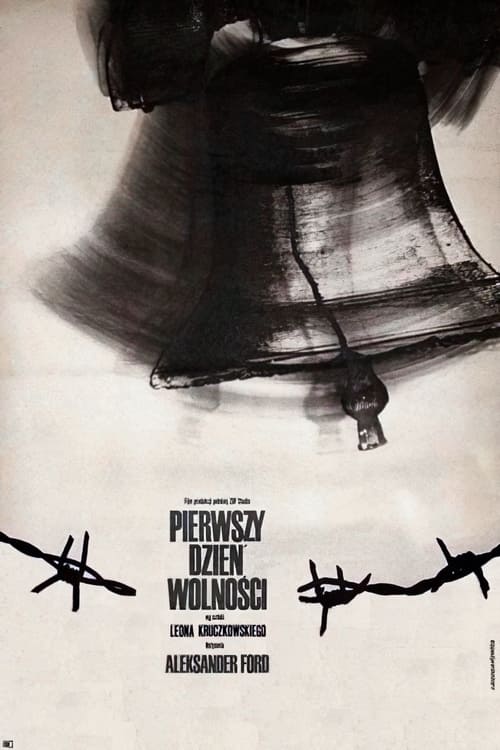
Freed Polish soldiers are trapped in a small town in Germany during the last days of World War II. After a doctor's daughter is raped by a concentration camp worker, the Poles allow her and her father to stay in the house that is their temporary quarters. While waiting to be repatriated, the war-weary group is forced to fight some German soldiers who invade the town. The war brings out conflicting emotions of the Poles who find themselves trapped in the house and once again under fire from the enemy.