Acting
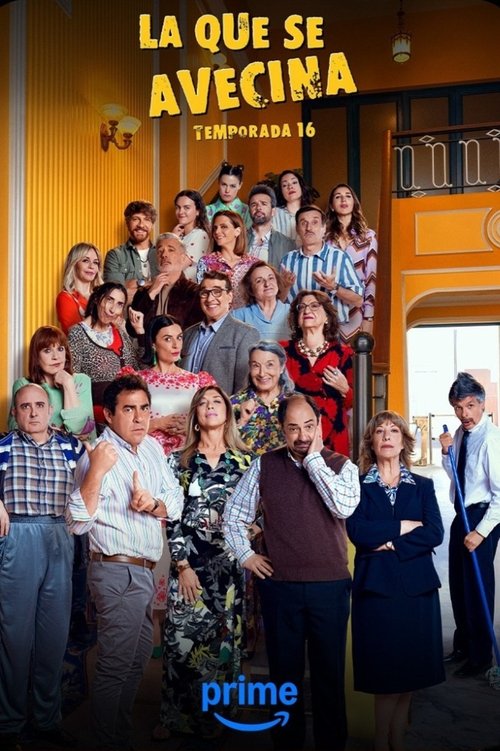
La que se avecina is a Spanish television comedy created by Alberto Caballero, Laura Caballero and Daniel Deorador. The TV-series focusing around the inhabitants of Mirador de Montepinar, a fictional building located on the outskirts of a big city. Both its storylines and cast are heavily based on Aquí no hay quien viva, which ended when Telecinco bought Miramón Mendi, the series production company. The episodes debuted on the Telecinco network, and were later rerun by the same network as well as cable/satellite channels FactoríaDeFicción and Paramount Comedy. The series debuted in 22 April 2007 and became popular thanks to its funny characters, witty script, use of catchphrases and capacity to integrate and poke fun at contemporary issues; the program presents a caustic satire of many of the 'types' found in Spanish society. The name of the show involves wordplay, as "vecina" is the Spanish word for neighbour.
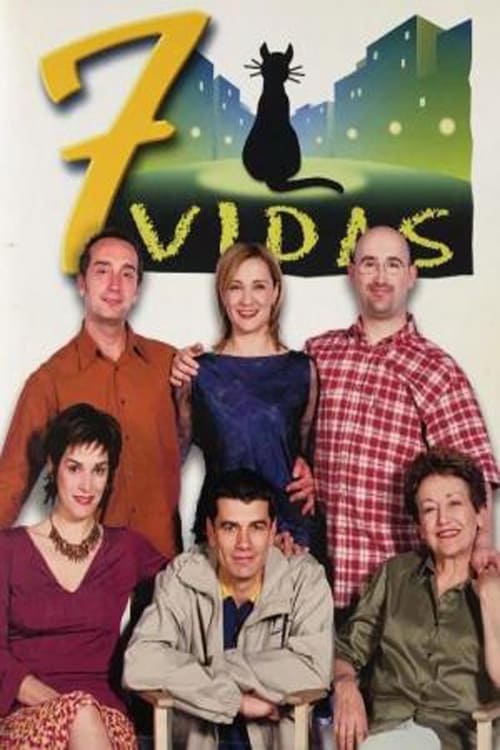
The story of a group of friends in Madrid.
Set during the unsettling disappearances in Buenos Aires during the dictatorship of the 1970s, the film involves theater director Carlos Rueda and his wife Cecilia. Shortly after Cecilia writes an editorial commentary questioning the mysterious abductions, she is herself abducted and taken into police custody.
No description available.
Comedy set in 1977, in which a renowned playwright (Alberto San Juan) tries to shoot a social protest drama starring a doldrums folk, former child star (Natalie Poza) and produced by a producer and shameless liar (Miguel Rellán). Inexperience, ambition, lack of means and the love-hate relationship with the star director shooting become a craze.
Adapted from the work of Miguel de Cervantes, this is the story of a hidalgo, fanatic for chivalry novels, who loses his sanity and believing to be a knight named Don Quixote de La Mancha, decides to go on imaginary adventures along with his friend, the simple farmer Sancho Panza, who becomes his squire. On their journeys, they rescue dames in distress in honorable acts and fight giants among other perils, with Don longing to be with the love of his life, lady Dulcinea, and Sancho waiting to be rewarded with an island where he's about to become a governor.
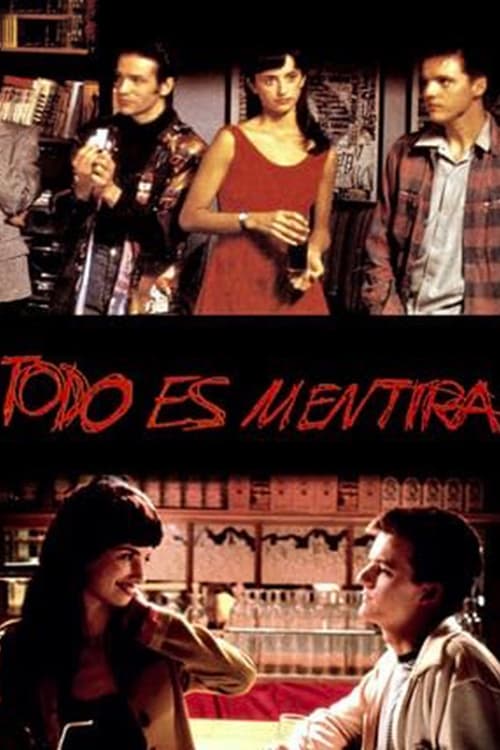
Pablo hates everything. When Lucia comes into his life, he thinks she's the woman he dreams of, and sees the solution to all his problems. But Lucia, who is rather manipulating, is just what will make Pablo explode. Nobody believes in the ideal couple, not even Pablo's friends, who live all in couples, and all with problems: Between Ariel and Lola there is a professional rivalty they don't know how to cope with; Claudio lives on Natalia, and none of them feels good about it; what's wrong with Alejandro and Beatriz is just the big age difference between them two. Nobody is happy with his partenaire, but everyone will let it be, maybe for conformism, maybe for fear, maybe for lazyness, or maybe because Everything is false.
A political prisoner in a South American dictatorship escapes and is pursued throughout the country by a bloodthirsty dog.
Impelled by a spirit which still preserves a patina of idealism, Alfredo arrives to Madrid with the intention to create "a performance that is free, straight from the heart, capable of making people feel alive". His concept of what acting should be begins beyond the stage, out in the streets face to face with the public. Outdoors, in any town square, in a park or in the city's most commercial street, Alfredo and his troupe November start the show; demons to provoke passers-by, displays of social conscience, actions taken to the extreme to put the forces of law and order on full alert. There are no limits, no censorship; only ideas which are always valid so long as the public ceases to be the public and becomes part of the show swept by surprise, fear, tears or laughter. Theater as life, life as theater… there is no longer any difference.
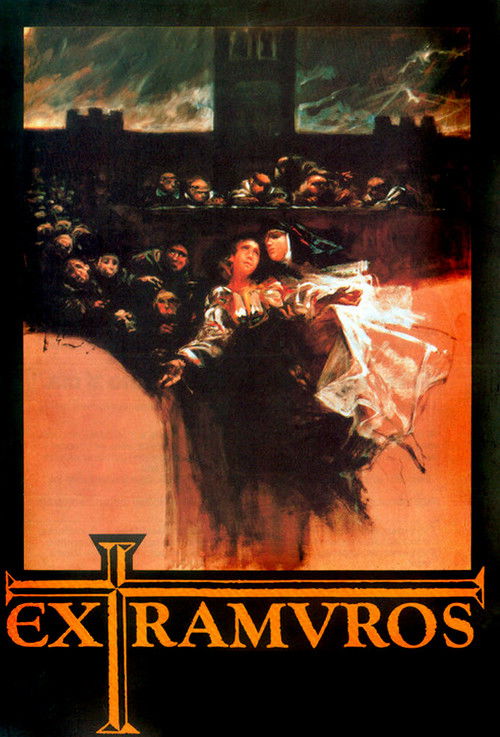
This 1985 Spanish film reveals one of the many terrible aspects of 16th century Spain, still plagued by the radical Christian Inquisition, one of a plethora of difficulties Spaniards faced at the time. Spanish super star Carmen Maura plays a nun who agrees to a selfless scam, a fake stigmata, only to avoid separation from her lover, another nun. It's a serious and passionate work, highlighting the theme of outspoken women-against-repression, seen in other good gay and lesbian films. This is not a lesbian "Nun sense" or another "Dark Habits" (by Almodovar, which also starred Carmen Maura, and also set in a Spanish convent, with some lesbian nuns). Perhaps, best of all, 'Extramuros' is realistic and frank. It isn't shy about its characters' sexuality. Their sexuality, and the film as a whole are genuine.
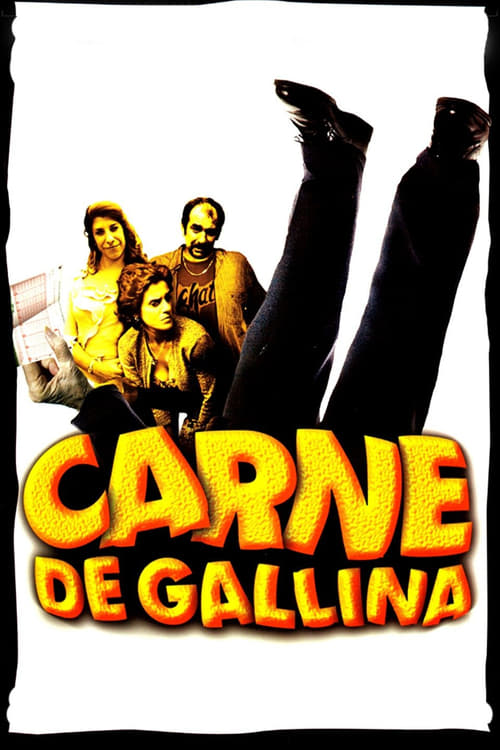
Good humor and joy reign in the Quirós family, as they are about to receive a fortune that will substantially improve their poor living standards. In addition, for greater happiness, Glorina is going to get married, which means a mouth less to feed, and, to celebrate her wedding, the family has decided to go all out
A film team arrives at a more authentic and old square in Madrid to shoot a film. The area is full of children, working families and simple people who see the cinema as something unattainable. From his balcony, Paloma, does not lose detail of the shooting, nor of the movements of the gallant, for which he feels a strong attraction.
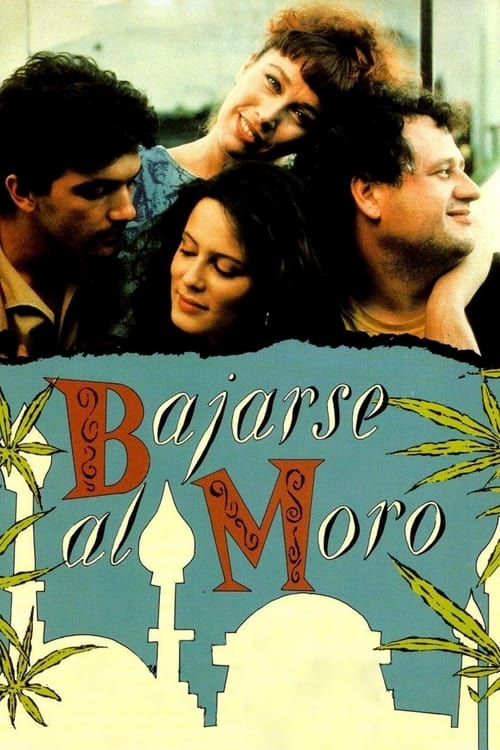
Chusa shares a flat in central Madrid with her cousin Jaime and her lover Alberto. The group makes ends meet by smuggling and selling drugs from Morocco. They take in a naive young woman, Elena, and decide to include her in their next scheme although this will prove complicated.
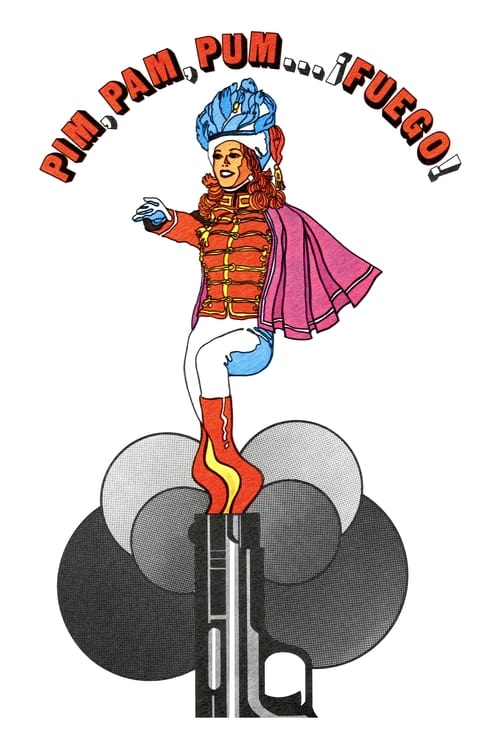
Spain, 1940s. While returning to Madrid by train, Paca, a chorus girl who aspires to join a prestigious company, meets Luis, a young man of helpless appearance.
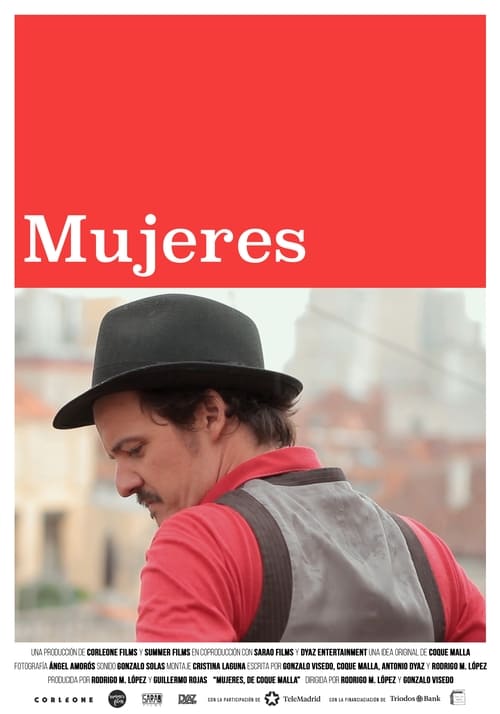
Coque Malla meets with a number of female artists during the creative process of his new musical work. Intimate essays, confidences, complicity, sense of humour and creative passion that will culminate in the live recording of the album "Mujeres" ("Women"). A journey through the life of an artist with songs and women as absolute protagonists, with the exception of his close friend, Antonio Dyaz.
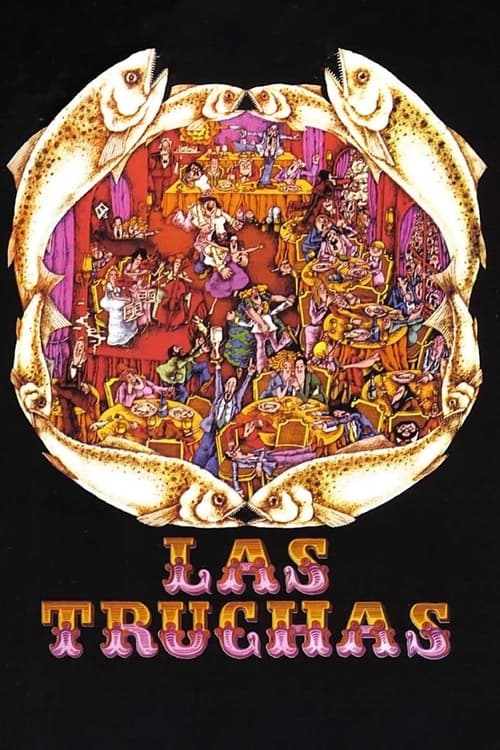
In a restaurant they're preparing a grand banquet in honor of a sports association of anglers, but several circumstances seem to have conspired to boycott the event.
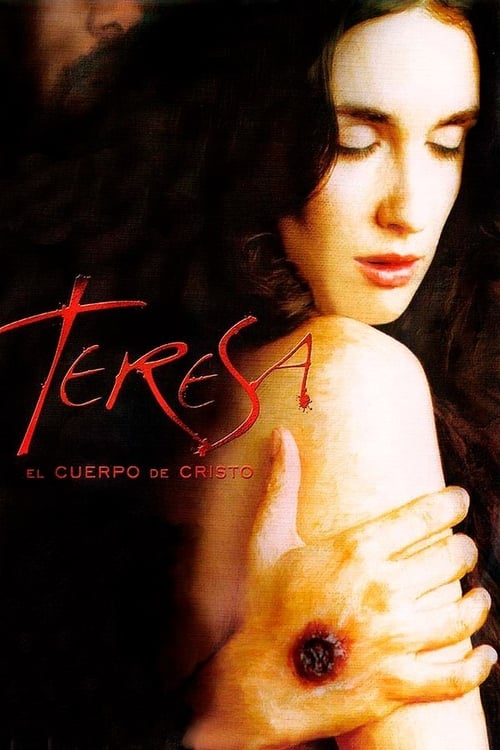
In the 16th century, the daughter of a Spanish nobleman joins a convent and becomes a spiritual leader.
A biologist in an insemination clinic unexpectedly falls in love with a free-spirited trapeze artist and the idea of fathering her child. A hilarious romantic comedy about love at first sight, with complications to follow...and more laughs than you could possibly conceive!
Silvia travels to the big city where she meets a married man, with whom she ends up having a romantic relationship.