Acting
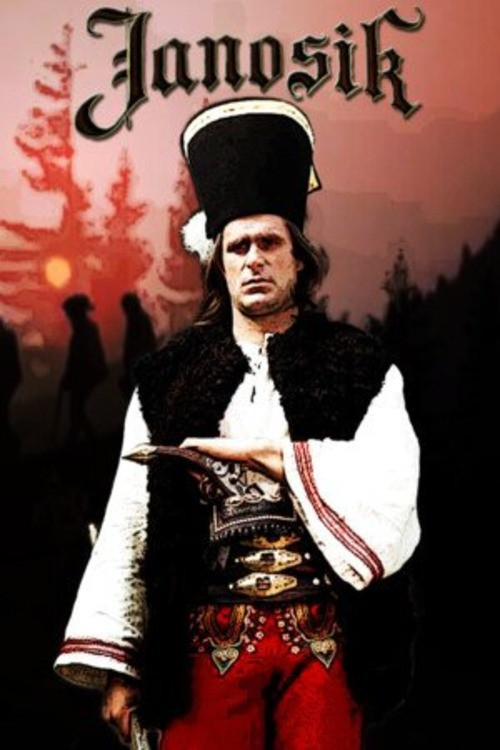
Janosik was a television series that aired in Poland in 1974. It is about a famous Polish highlander outlaw who in folk legends steals money and goods from the rich and helps out the poor. The series was directed by Jerzy Passendorfer. There are 13 1-hour episodes.
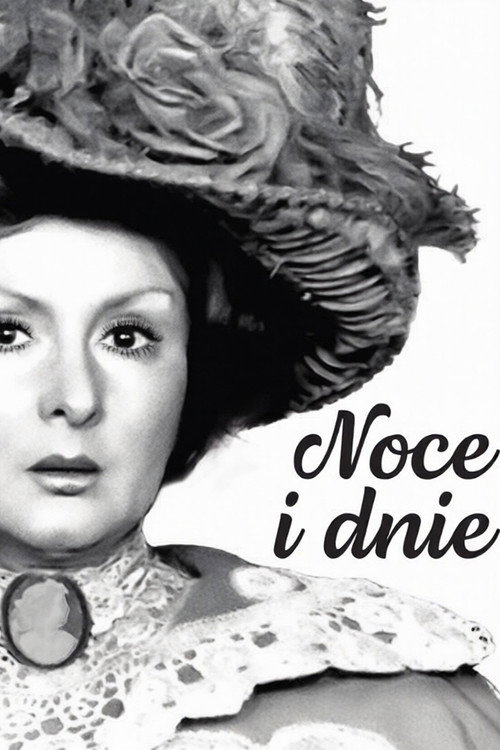
Set in the Kalisz Region in the second half of the 19th century after the failure of the January Uprising in 1863, the miniseries presents a unique portrait of an oppressed society as told through the life of the Niechcic family.
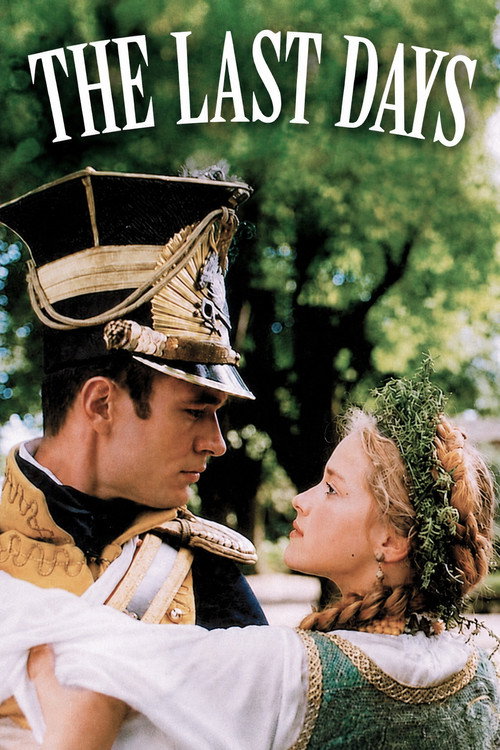
Romance brings two warring families together in this historical drama. As citizens fight for independence in 1810s Lithuania, Tadeusz, the son of a murderer, and Zosia, a young woman, come together for a wedding against a backdrop of changing politics, ancient traditions, and the uncertain future of a country.
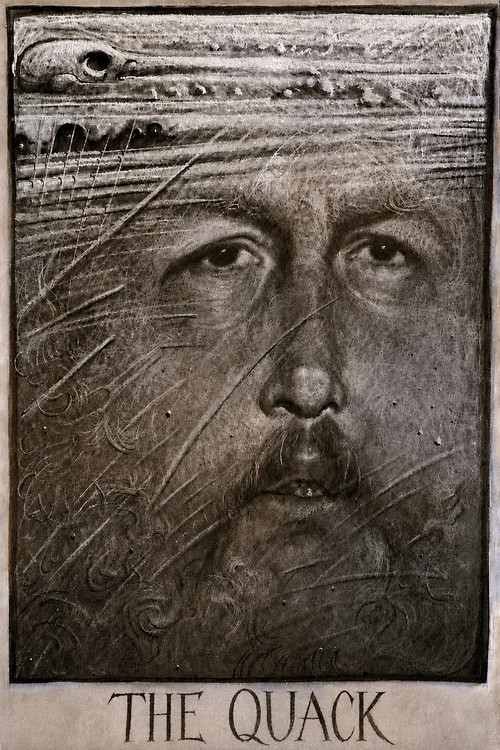
A famous surgeon is beaten by drunken bullies, loses his memory and cannot recollect who he was before. He gets to a village, lives in a not so well to do family and becomes the Quack - he slowly regains his talent for medicine and saves the lives of several village patients.
A deserter returns to his hometown and, with the help of his father, hides in the mountains.
The series evokes the events of 1900-35 - from the reign of Emperor Wilhelm II, through World War I, the birth of the Independent Poland, the Silesian Uprisings, to the increasingly turbulent period of the rising tide of fascism. The action takes place mainly in the palace of the Dukes of Pszczyna, where the last great descendant of the von Teuss family resides. Prince Hans Fredrich marries the beautiful Englishwoman, Princess Daisy, and has three sons with her. Their fate, the choice of completely different life paths and even different nationalities reflect the enormously complicated mutual relations between the Polish and German elements in the border areas.
A boy comes of age under an oppressive, cruel socialist government and watches as it slowly but surely distorts his family, his school and even his own thoughts.
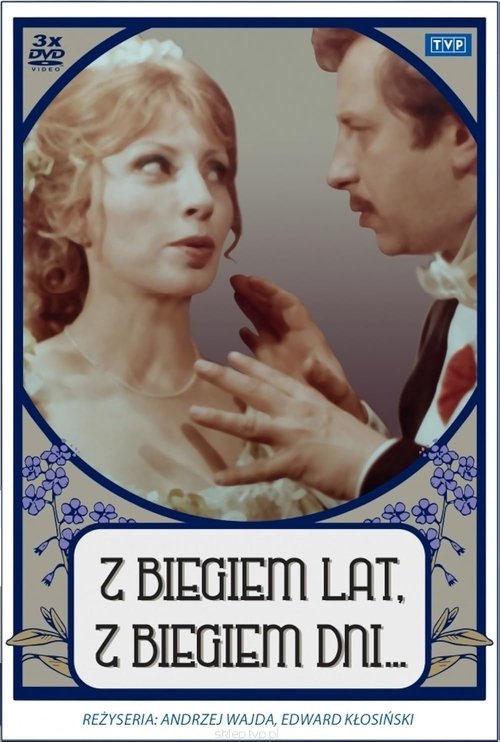
Created to mark the 60th anniversary of Poland's regained independence, Andrzej Wajda's acclaimed seven-hour stage production As the Years Go By, As the Days go By... follows two Kraków families between 1874 and 1914.
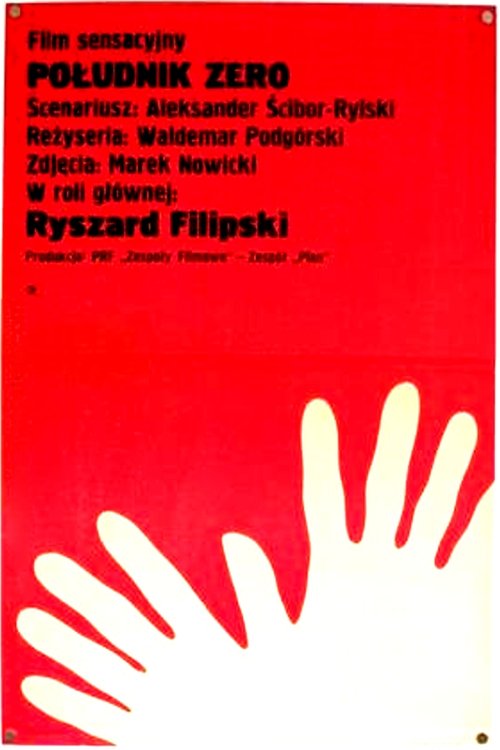
Shortly after World War 2 a militiaman with the help of two Union of Young Struggle members wages war on a local gang terrorising a small Masurian town.
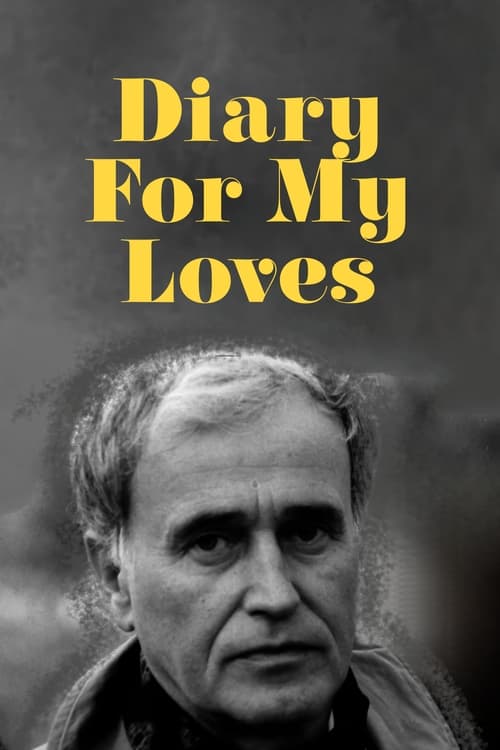
A continuation of "Diary for My Children," the film picks up in 1950, when Juli, the diarist, is 18 and determined to become a movie director.
A young boy from the city comes to the forester Januszko, a friend of his grandfather from the war and partisans. On the spot, he meets people who amaze him. They bear the names of the heroes of the novel "Summer of Forest People" by Maria Rodziewczówna, which they readily read and love nature very much. Under their guidance, the boy gets to know the local nature and makes friends with them. He also meets a girl named Justyna.
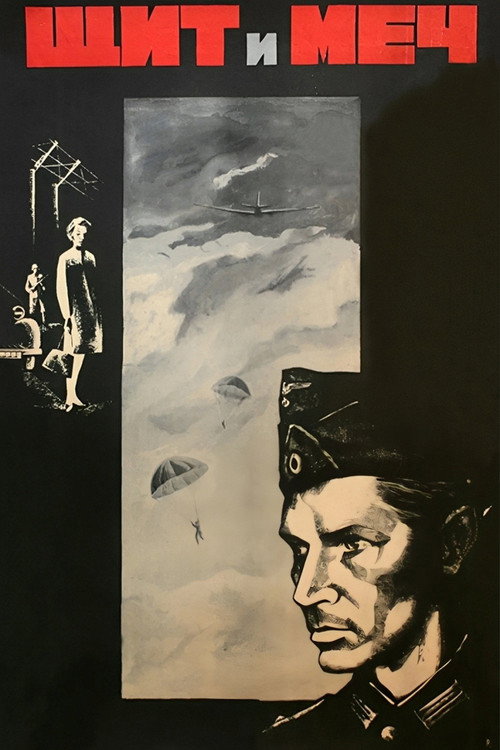
The year is 1940 and Nazi Germany is at the height of its military prowess, having captured most of Europe and eyeing the Soviet Union to the East. The Russian military command suspects hostile intent from Germany and so arranges for its spies to infiltrate ranks of the German military and the SS. Alexander Belov is a Russian spy, who travels from Soviet-held Latvia to Nazi Germany under an alias of Johann Weiss. His mastery of the German language, steel nerves and an ability to manipulate others help him to use his connections in the SS to ascend the ladder of the German intelligence. He uses his position to identify sympathetic Germans, who help him to procure vital intelligence, and to help local resistance movements in their collective fight against Nazism.
Andrzej, who lives in the lowlands, comes to Zakopane. He rents a carriage and orders himself to be taken to the Strążyska Valley.
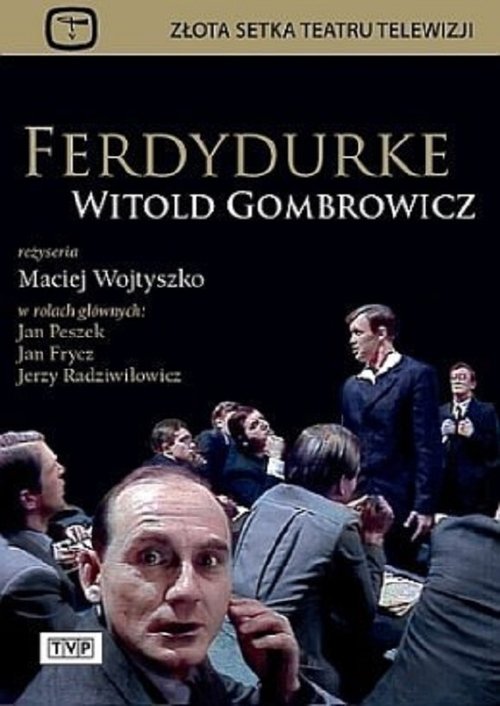
Based on Witold Gombrowicz's novel of the same name, the film follows Prince Ferdinand's comical and existential escapades as he confronts societal pressures and absurdity in his quest for self-discovery.
Five teenagers on the cusp of their final year in high school ponder about their futures.
Maria, a veteran architect heading a design studio, finally secures approval for a long-awaited bearing factory project, but now faces a two-year deadline and staff eager for bonuses. She insists on a meticulously accurate plan that will delay opening yet save millions, drawing ire from her team and superiors who urge her to relent or take leave. When the industrial union ultimately backs her vision but replaces her as project lead, Maria rejoins the team as a regular member, steadfastly pursuing her principles while navigating the personal cost of her professional convictions.
The screening of a movie "Daybreak" at the "Liberty" Cinema is interrupted by an unusual event - actors come to life on the screen, start conversations among themselves, draw the audience into them. Crowds gather around the cinema, the relevant authorities and services wonder what to do in this complicated situation. Also arriving is the censor, a man reaching his fifties, a one-time literary critic and journalist. The line between fiction and reality begins to blur.
The beginning of the occupation. A closed mental world for the sick. Dr. Kauters values only methods of resolution, Dr. Rygier is a believer in strong authority, Dr. Marglewski considers psychic property a form of haunting, Dr. Nosilewska left Austria after the Nazi occupation. The writer Sekułowski seeks shelter. The young, newly arrived doctor, Stefan, refuses to remain passive in the face of the situation and events...
Dagny Juell was the doctors daughter who left Kongsvinger for Berlin to study music, and became famous painter Edvard Munchs mistress and model. Than she ran into August Strindberg. They had a brief affair but after a couple of weeks Dagny left him for Stanisław Przybyszewski.
A world of the future where society is addicted to the drug of television. Supervision sessions create a perfect illusion of reality, making it almost impossible to return to reality.