Acting
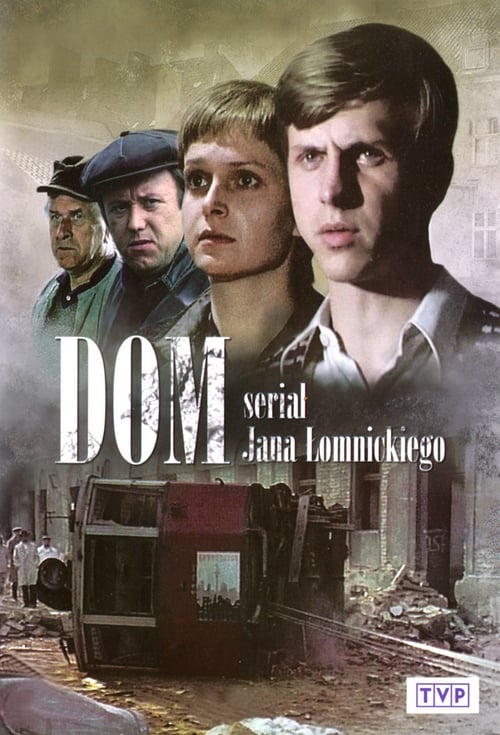
The story of the residents of a tenement house on Złota Street in Warsaw from 1945 to 1980.
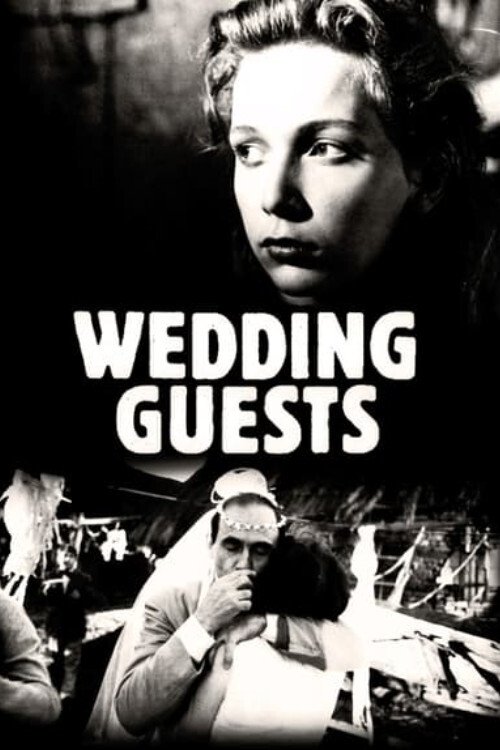
A female photographer from Western Europe drives through Poland and stops in a village. By chance, her eye is caught by the arrival of a wedding party. This marks the point of departure for several stories which unfold during the course of the wedding.
No description available.
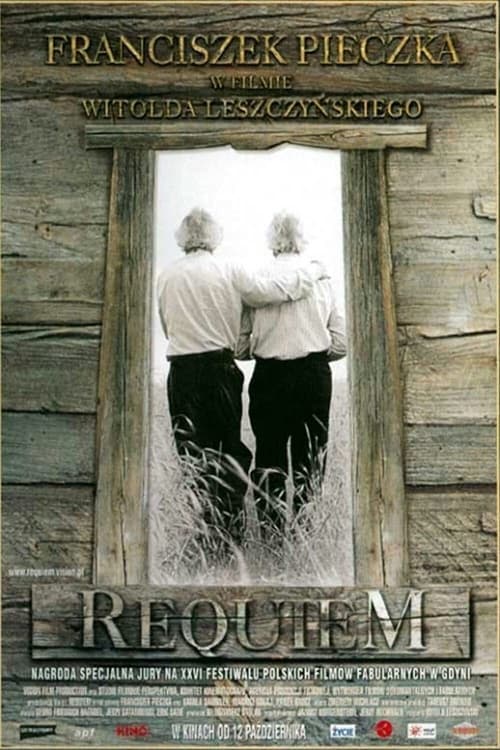
Bartłomiej, community elder and orator, must choose an appropriate successor, but finds difficulty in the aftermath of a local girl's tragic hit-and-run death. A community's pain reverberates through fractured relationships and the burden of funereal responsibility.
In these eight tales set across Europe, singles navigate love's complexities via an online dating site, from marital games to elderly romance.
Anthropology professor Michal develops two overwhelming obsessions. The first one is a mummified, 3,000 year-old, perfectly preserved body of a shaman he and his colleagues have recently dragged out of a swamp. The second is an enigmatic student he meets by chance at a railway station.
The series presents an original, non-didactic view of rural Poland during the Nazi occupation, rejecting stereotypes about ubiquitous wartime heroism, sacrifice, and martyrdom. It is a record of a "war-torn" state of consciousness, a drama of lost people who sink into ever greater degradation.
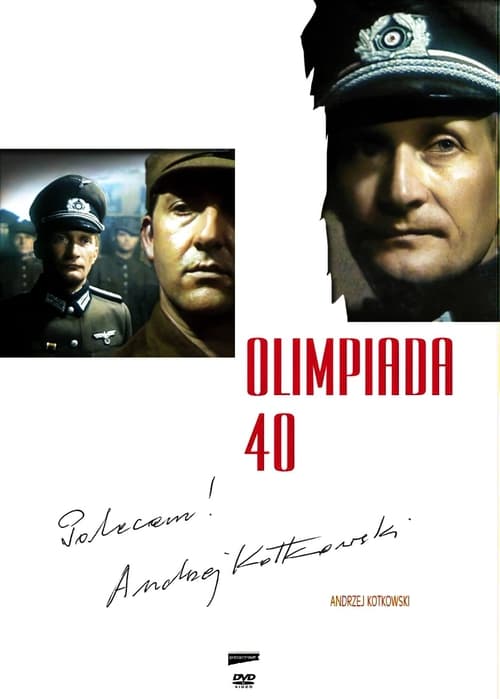
The film deals with the a clandestine Olympiade held in a German POW camp during WW II, housing many Poles, but also French and Brits. A spit and a Polish German lieutenant is added to the staff of a prison camp. He sees a Pole, the acknowledged leader of the Polish prisoners, against whom he had competed during the Berlin Olympics in 1936. He asks the Pole to train with him but is refused; the Pole points out out that he is a prisoner and nothing more. But that plants the seed and the Pole proposes and Olympics 40 to be held among the prisoners. They ingeniously make a flag and medals, set up a number of races; a croaching hop race is unwittingly organized by a German prison guard who uses it as a torture. The German lieutenant knows that something is going on but cannot find out. Finally the Germans realize the idea and the Polish chief is sent to concentration camp but the others disobey the orders.
A journalist from "Gazeta Wyborcza" recalls his investigative reports and the consequences he suffered while trying to reveal the truth.
The action is set in the early 20th century. The film is made up of six sequences. In the first, Michal, young man who came from Poland to Germany, enrolls in a course on how to behave in social situations and on etiquette. However when he tries to approach girls using the rules which he's been taught... he only makes a fool of himself. Then, he goes to work for a man who owns a carousel and who loves to chase other women. In the next sequence, Michal meets the divorced landlady, Mrs. Luther, and goes through a whole lot of erotic experiences. When he escapes exhausted from his landlady, he starts working in a mine and visits brothels on a regular basis. He looks on women in a totally cynical manner. However, his persistent wandering must finally result in a true love.
The story follows a young scientist in the contemporary world, who actually came from the world of dwarves, thanks to a magic potion, held by the Big Eater, ruler of the dwarves. The dwarf kingdom, Shuflandia, exists in a cellar of a library, and only the most obedient get the chance to grow to king size and inhabit the larger world. Once there, nobody wants to return to Shuflandia. Also, there are no women in Shuflandia.
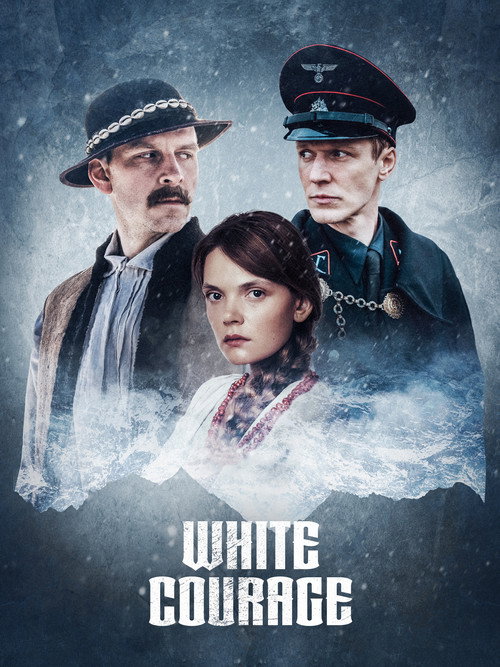
The film tells the story of two Highlander brothers – Maciek and Andrzej. After the death of their father, which Andrzej contributed to, and the loss of his beloved Bronka, Andrzej leaves the family home. On his way, he meets the mysterious Wolfram, an anthropologist and climber. He shares with him his mountaineering technique and knowledge about the Prague origins of the highlanders. Andrzej returns to Zakopane, war breaks out. To protect the Highlanders from wartime destruction, he wants to persuade them to cooperate with the Germans. Andrzej and Maciek are standing on opposite sides of the barricade. The brothers' confrontation is bloody and painful.
Based on a true story dating back to 1985 when two Polish boys, a teenager and his little brother, escaped from communist Poland all the way to Sweden, hidden under a truck. In the movie, their destination has been changed to Denmark.
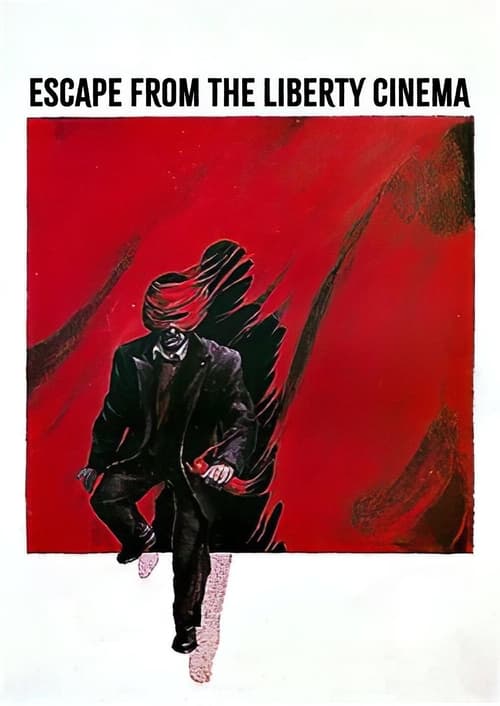
The screening of a movie "Daybreak" at the "Liberty" Cinema is interrupted by an unusual event - actors come to life on the screen, start conversations among themselves, draw the audience into them. Crowds gather around the cinema, the relevant authorities and services wonder what to do in this complicated situation. Also arriving is the censor, a man reaching his fifties, a one-time literary critic and journalist. The line between fiction and reality begins to blur.
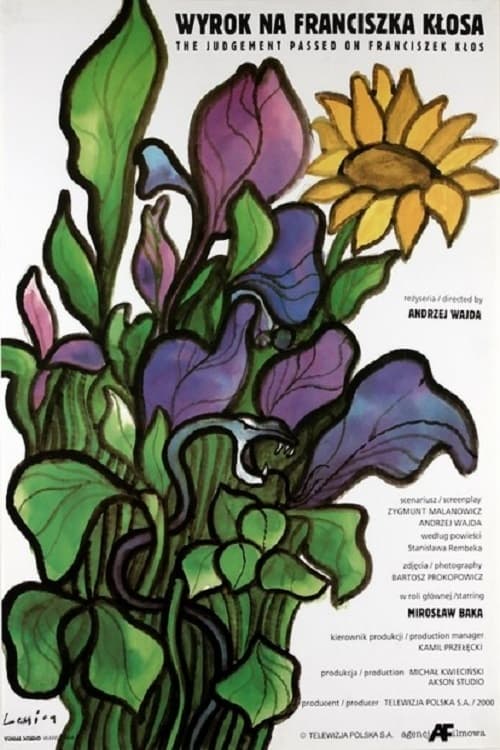
During the German occupation of a small Polish town, Franciszek Kłos, a lowly local policeman, will stop at nothing to become a Volksdeutsche. Eager to prove his loyalty, he zealously carries out the occupiers' orders. What begins as administrative compliance soon escalates when he commits his first murder of a fellow Pole. Condemned to death by the Polish underground, Kłos outwardly shrugs off the sentence while quietly drowning his growing fear in alcohol. As his inhibitions crumble, he descends deeper into violence—participating in the roundup and execution of hidden Jews, and earning a reputation for brutality even among the SS.
Maintained in the convention of a daydream, or rather a psychedelic vision, an impression on the works of Stanisław Ignacy Witkiewicz. Individual sequences of the film depict fragments of Witkacy's works, and the whole seems to be a commentary on the sentence: "I remember that night, when boundless terror took over the innermost fibers of my brain, and all I could hear was that terrible babble in the gaping maw of the unknown, that something blind, turning its blade toward itself."
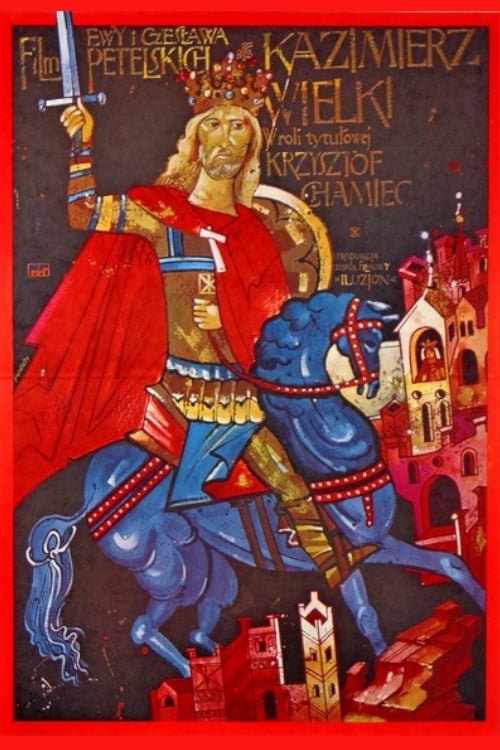
The life and reign of Polish king Casimir III The Great.
The film takes place in a small town somewhere in the Polish countryside. A man arrives and notices a wealthy woman employed in the finance department of a local government office. He decides to seduce the clerk. However, he achieves this not so much through beauty or character, but through deception. As the fiancé of a Croesus nobleman, he begins frequenting local "salons" and meeting the town's elite. However, the idyll is short-lived.