Kazimierz Kutz
Directing
Biography
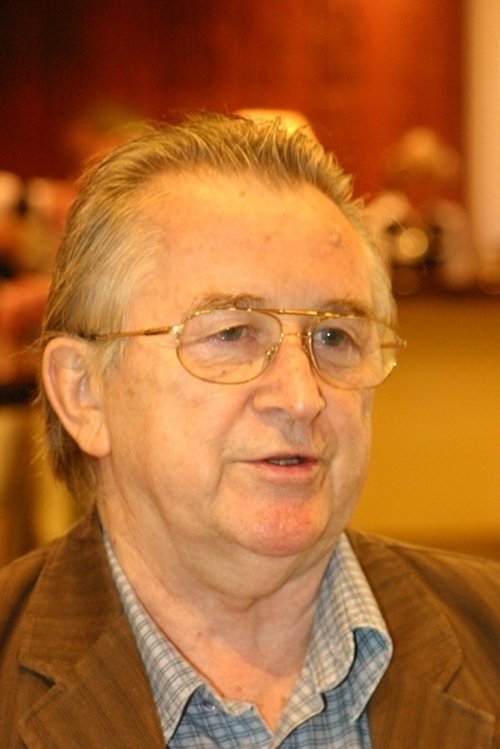
Kazimierz Kutz was born February 16, 1929, in Szopienice, since 1960 district of Katowice, to a railway worker and a former partisan of the Silesian Uprisings. After the World War II Kutz graduated from gymnasium in Mysłowice and in 1949 was admitted to the Łódź Film School. After finishing his studies in 1954 he started working as an assistant to Andrzej Wajda. His film debut was Cross of Valor (1959). Since then he finished more than 20 pictures, including six about his home region - Silesia. He is also famous for directing theatre plays on some of the most prominent scenes of Poland, including the Teatr Stary in Kraków and National Theatre in Warsaw, as well as several plays for the Polish television. In 1972, he founded the Silesia Film Company in Katowice and, until 1978, was its Artistic Director. In the 1970s he became the main director of the Polish Television branch in Katowice. He was also working for several branch and cultural organisations. After the Martial Law had been imposed in Poland in 1981 Kutz was interned by the communist authorities, but was released soon afterwards. Between 1981 and 1983, lectured in the Radio and Television Faculty at Silesian University in Katowice, and, between 1985 and 1991, taught directing at the Higher Theatre School in Kraków. Since 1987, was Principal Director in the Polish Television Centre in Katowice and, between 1990 and 1991, headed the Centre. After the peaceful transition to democracy in 1989 Kutz became the head of the Polish TV branch in Kraków (until 1991). For his involvement in the matters of Silesia, and for his films depicting the traditions and problems of that part of Poland, he is considered by some the spokesman of all Silesians. In a plebiscite organised by Gazeta Wyborcza newspaper he was chosen the third most famous Silesian ever and the first among the living people. In 1997 he was awarded with the title of doctor honoris causa by the University of Opole. He is currently a promotor and patron of several Silesia-based cultural feasts and societies, including the Festiwal Filmów Kultowych, Festiwal Sztuki Reżyserskiej, Cultural Congress of the Upper Silesia, Council of Culture of the Silesian Voivodship, Academy of Fine Arts in Katowice and Committee for the Construction of Silesian Museum. He is also one of the supporters of development of the Silesian language. His 1995 film Reverted was entered into the 19th Moscow International Film Festival. In 1997 Kutz took part in the elections to the Senate of Poland (from the list of Freedom Union party, Katowice constituency) and was supported by approximately 500,000 Silesians. In 2001 he was elected for his second term as a non-partisan candidate, and in 2005 re-elected for the third term. Currently he is the deputy speaker of the Senate of Poland. For his social involvements, he was awarded with many of the highest Polish awards. Kazimierz Kutz is married to Iwona and has two sons (Gabriel and Tymek) and two daughters (Wiktoria and Kamila). From Wikipedia, the free encyclopedia
Known For

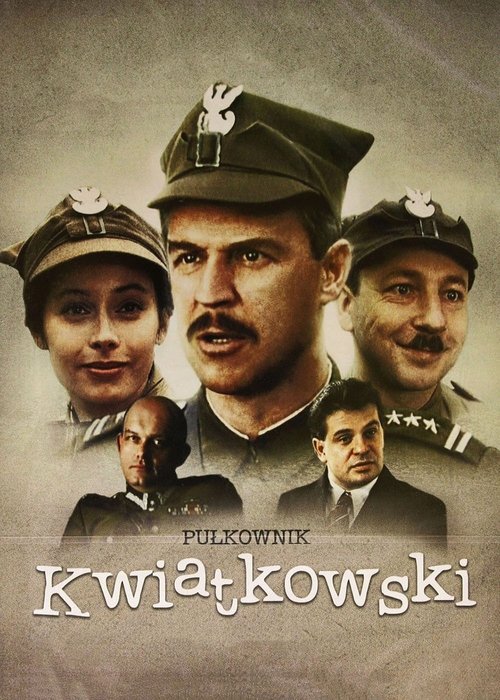
Military doctor Kwiatkowski, serving in a barracks hospital on the Western Territories, is rewarded with a week’s leave after successfully operating on Colonel Kiziora of the UB. He and his friend steal a truck bound for Warsaw, where among the ruins of his former home he meets his prewar neighbor Krysia, instantly falls in love, and, after a brawl with a Russian officer at a dance in the surviving “Polonia” hotel, pretends to be a high-ranking UB colonel to save face.
Colonel Kwiatkowski

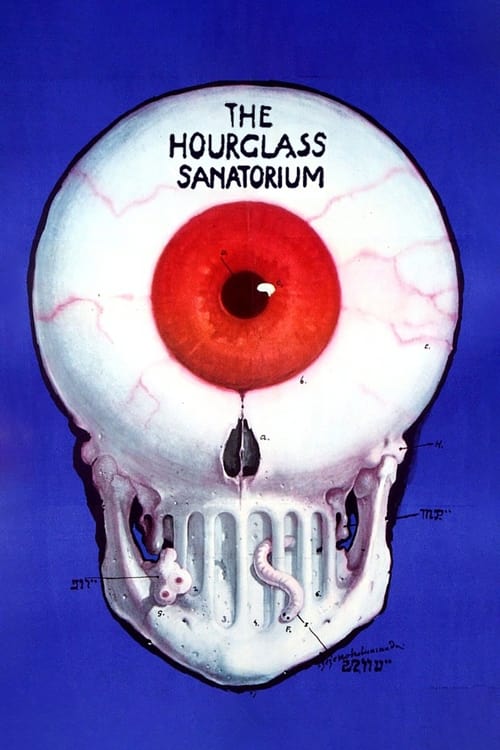
Jozef visits a dilapidated Sanatorium to see his father. Jozef undertakes a strange journey through the many rooms of the sanatorium, each which conjures worlds composed of his memories, dreams and nightmares.
The Hourglass Sanatorium

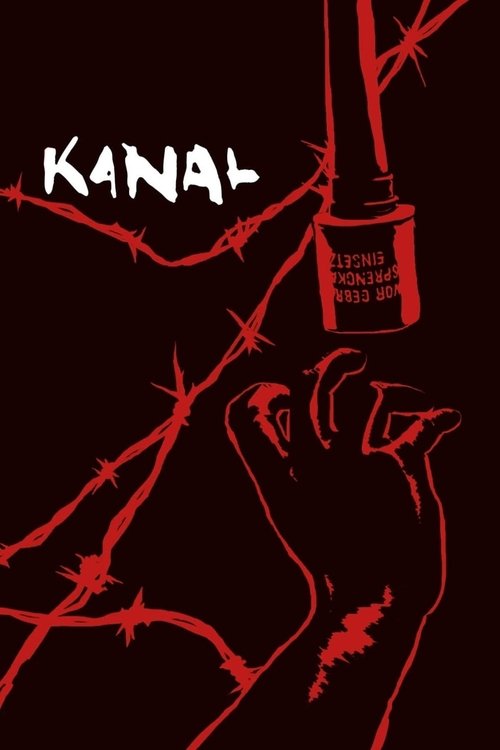
In the last few days of the Warsaw Uprising during World War II, a modest group of Resistance members remains. The band must take refuge in the sewers under the orders of leader Zadra, but it's only a matter of time before they will have to emerge. However, when they try, they are met only with intense hostility from the Nazis. Despite their attempts stay resolute through immense mental strain, it becomes increasingly apparent that they may be doomed.
Kanal

Adaptation of the once very loud, today somewhat forgotten book of Jaroslaw Iwaszkiewicz . "Fame and Glory" is the most extensive novel by the author of "Brzezina". Written with epic panache, it outlines the history of the Polish intelligentsia from "the first days of July 1914" to the fall of 1947. It is also an epitaph for the spiritual face of Polish culture, and a little bit European, shaped in the nineteenth century.
Glory and Glory

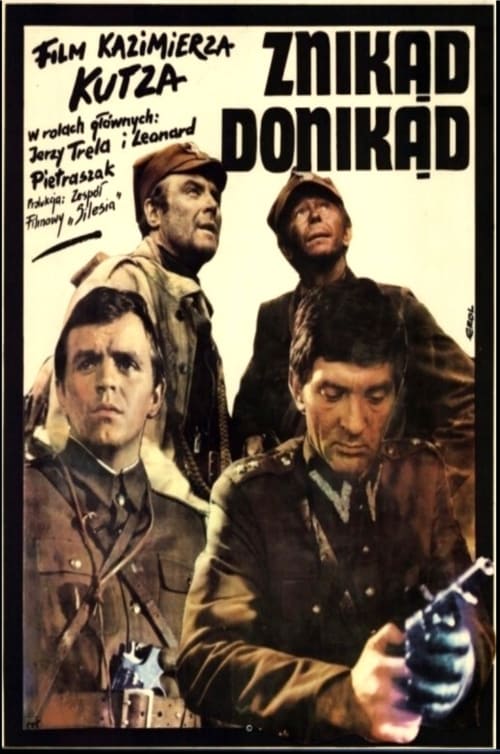
The Home Army's battles against the communist authorities in the Żywiec region.
Znikąd donikąd

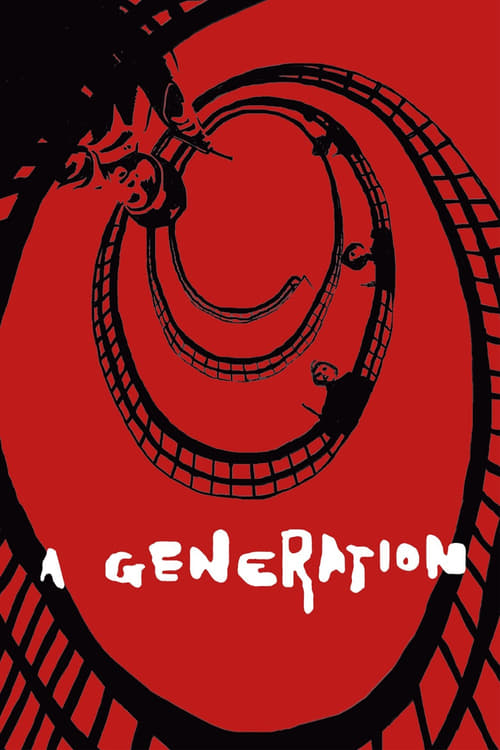
Stach is a wayward teen living in squalor on the outskirts of Nazi-occupied Warsaw. Guided by an avuncular Communist organizer, he is introduced to the underground resistance—and to the beautiful Dorota. Soon he is engaged in dangerous efforts to fight oppression and indignity, maturing as he assumes responsibility for others’ lives. A coming-of-age story of survival and shattering loss, A Generation delivers a brutal portrait of the human cost of war.
A Generation

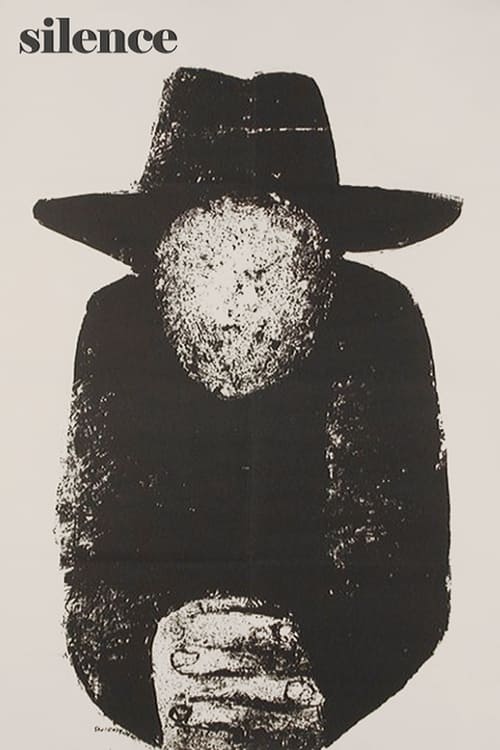
Set in a small Polish town just after the war, the story of an unruly teenager who constantly taunts the old priest. One day the youth has a horrible accident, which the villagers call divine punishment.
Silence

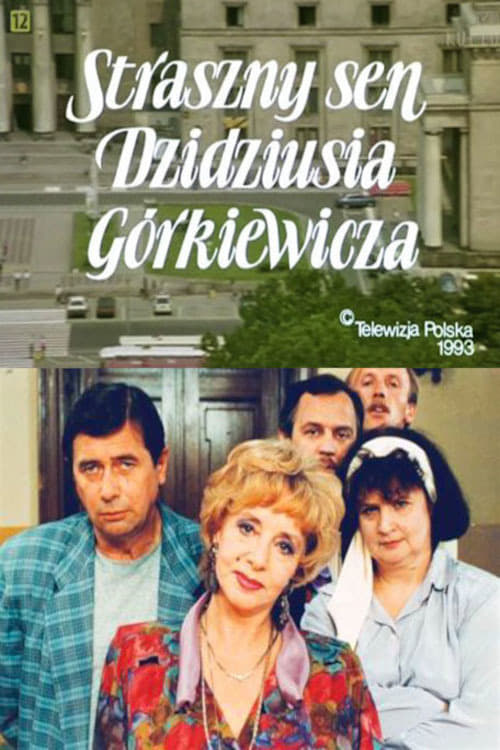
Further fate of Dzidzius Górkiewicz, the protagonist of Andrzej Munk's film "Eroica". After retiring, Górkiewicz moved to a small town near Warsaw. After years filled with doing numerous, not always clean businesses, he leads a quiet, honest life of a provincial. A group of local businessmen see him as an ideal candidate for the new mayor. Gorkiewicz himself is undecided about what to do. Then he dreams of a meeting of the municipal council, where he wants to present his program.
Straszny sen Dzidziusia Górkiewicza

Katowice, the night of December 12-13, 1981. Military units occupy strategic points in the city. A group of Zomovniks, smashing union security, drags the chairman of the Company Commission of the NSZZ Solidarity in the Wujek mine out of his apartment. The news quickly spreads to the miners. Initially surprised, they soon react with spontaneous protest. On December 14, a strike breaks out at the plant. The miners demand the lifting of martial law and the release of the chairman. When negotiations fail, the army, ZOMO and militia storm the mine.
Death as a Slice of Bread

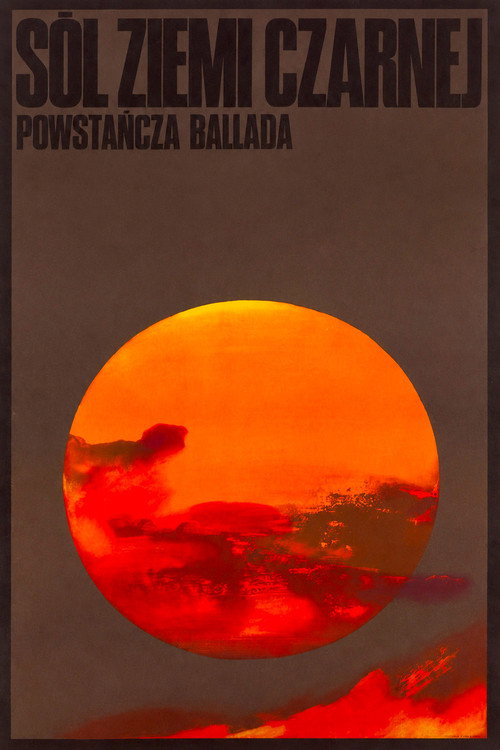
During the 1920 Silesian uprising, seven brothers take part in the struggle with the Germans to keep the region in the Polish hands.
The Taste of the Black Earth

Warsaw, Poland, 1953. Mr. T., a renowned writer, lives in a hotel and earns his living by giving private lessons.
Mister T.

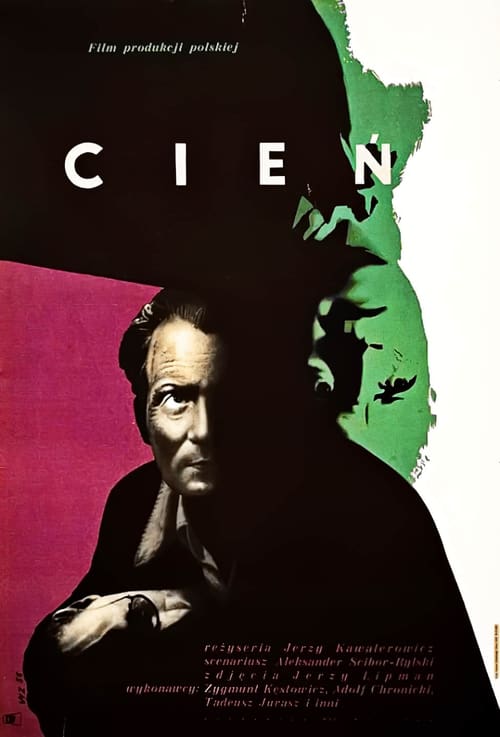
A man has been found dead after having been hurled from a train. As security agents, police and a medical examiner piece together his identity, three accounts emerge: one set during World War II, one in the immediate aftermath of the war, and one in contemporary Poland.
Shadow

Two teenagers who have ran away from home befriend an older man who tries to convince them to take part in a robbery.
Skok

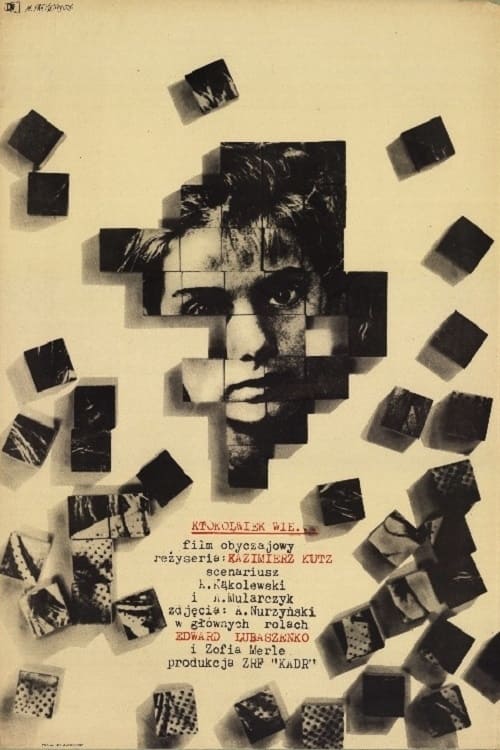
A psychological portrait of a missing girl is drawn by the people who knew her, being interviewed by a journalist helping in the search.
Ktokolwiek wie...

Two Elderly Men are asked by the Prime Minister to take care of the city for one day. During this time, they have to deal with the heat, a diplomatic conflict, a love rivalry, and a lack of water. They do it in their style – with a song.
Heat
The film reveals the mechanisms of the communist institution of censorship. Famous filmmakers - Kazimierz Kutz, Andrzej Wajda, Krzysztof Kieslowski, Filip Bajon and Marcel Lozinski - talk about their contacts and experiences with censors, how their films were censored, what parts were considered contrary to the ideology of the socialist state. These interferences were often of an absurd nature. At the same time, the filmmakers mention how much of the intended content they managed to smuggle out. The film is also an attempt to analyze and summarize the role of censorship in a totalitarian state and its impact on culture and art.
Tren na śmierć cenzora

Shortly after World War 2 a young man arrives on the Recovered Territories and starts a romance with a young woman, all the while evading the ghosts of his past.
Nobody's Calling

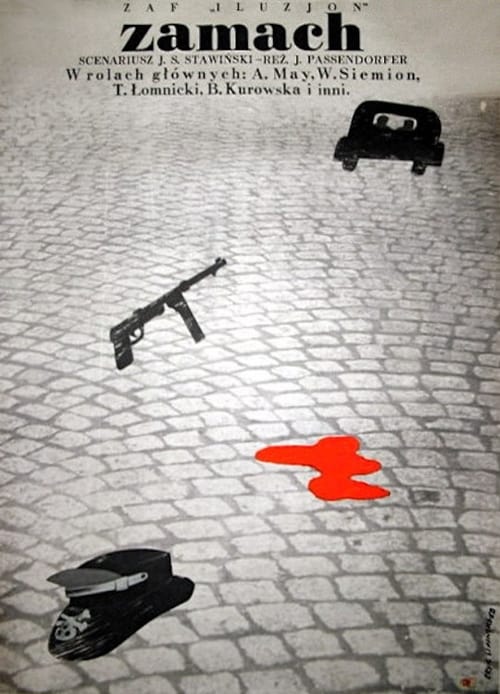
Set in the occupied Warsaw, the film tells the story of the mission carried out by the student underground resistance group to execute the hated SS General Franz Kutchera.
The Attempt

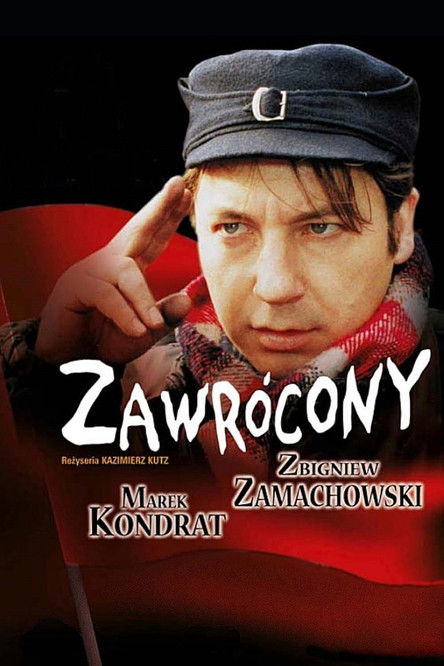
Young democracy activist is being chased by police in a very funny way.
Reverted

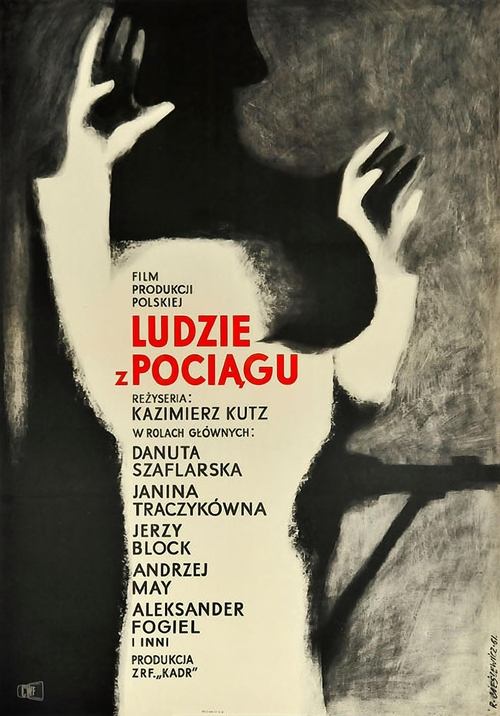
A group of people find themselves stuck in remote train station in German-occupied Poland. A drunk German station guard there gets paranoid and sees partisans all around him, phones headquarters, and when the German soldiers arrive and search the station they find a gun. They then threaten to execute every fifth person unless someone claims it.