Richard Waldemar
Acting
Known For
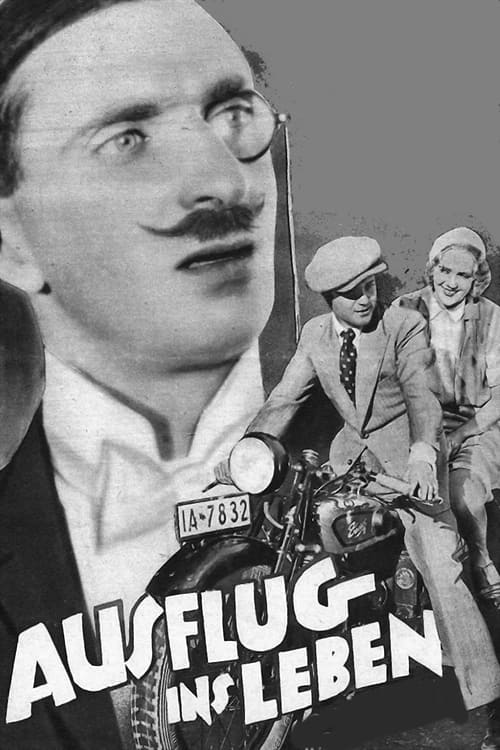
Felix Bressart, later one of the most delightful members of the Ernst Lubitsch "stock company," plays the title character in the Austrian comedy Hirsekorn Greift Ein (Hirsekorn Does Something About It). It's a typical worm-turns affair, as a mild-mannered provincial actor ends up working as a chauffeur for a scatterbrained female novelist. Slapstick is the order of the day, except in the scenes involving heroine Charlotte Susa. Guiding the actors through their paces was Rudolf Bernauer, a stage actor-manager of vast experience. Critics in 1931 felt that Hirsekorn Greift Ein was too thin to be stretched to 90 minutes.
Excursion into Life
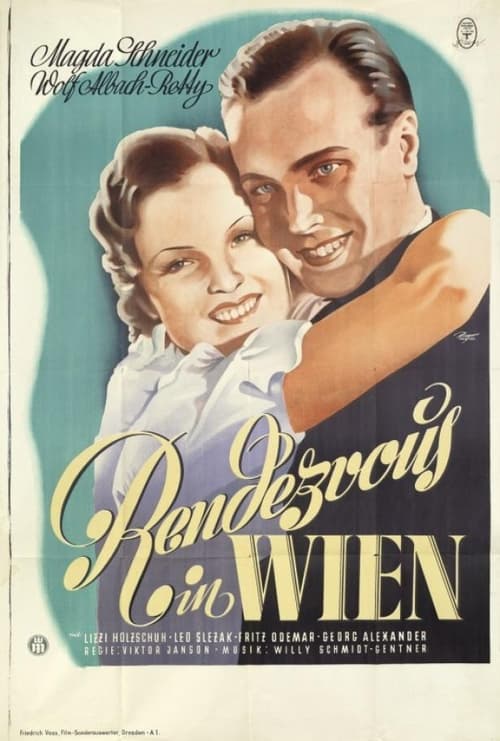
Gusti Aigner and Franz Lenhardt are in love, but composer Lenhardt is too shy and bashful to go out and sell his compositions to music publishers. Gusti takes the burden on herself; and while there are complications and humorous situations she runs into.
Rendezvous in Wien
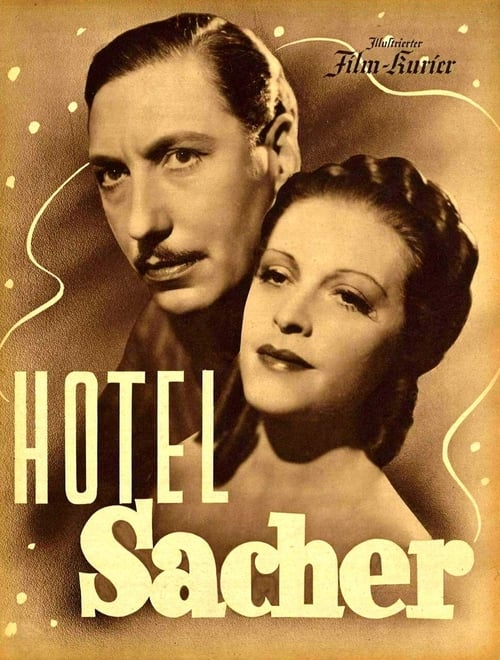
Vienna is celebrating New Year’s Eve 1913/14. It is the year, which will see the outbreak of the First World War. In Hotel Sacher, the mood is excellent; and although the political atmosphere is charged, there’s an undercurrent of hate and intolerance in the air. It is with this background that Nadja, a Russian spy, meets the Austrian civil servant Stefan. He loves her, but comes under suspicion of being an agent because of this love.
Hotel Sacher
Leopold Pasemann, owner of an auto parts factory, is looking for an heir. Since he has no children of his own, he makes an offer to his late brother's two sons and daughter: each will receive a check for 5,000 marks. Whoever makes the most of it in a year will be appointed as his universal heir. While Gustav works on an invention and Christian opens an advertising agency, Hannelore starts her own fashion salon. She falls in love with Hans Promm, who works as a department head for her uncle. What she doesn't know, however, is that her uncle has tasked Hans with monitoring what the three of them do with the money.
Geld fällt vom Himmel
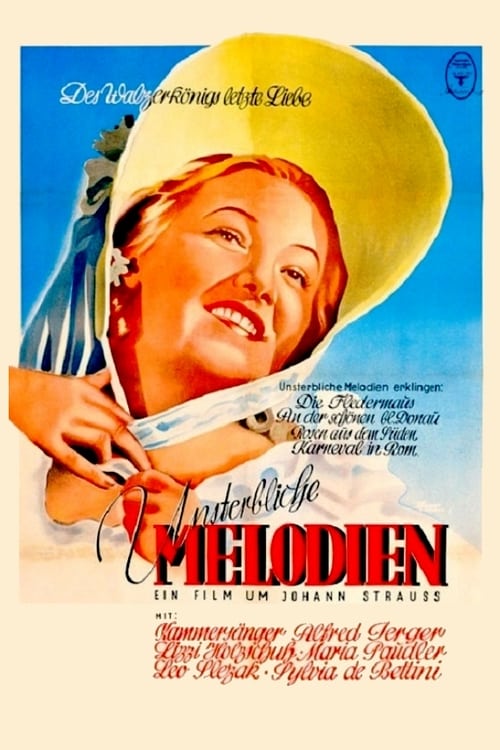
Vienna, Austria, late 1870s. After suffering an irreparable misfortune, the Austrian composer Johann Strauss Jr. (1825-99), the Waltz King, falls in love with a ballet dancer, which disappoints the famous operetta singer Marie Geistinger…
Immortal Melodies
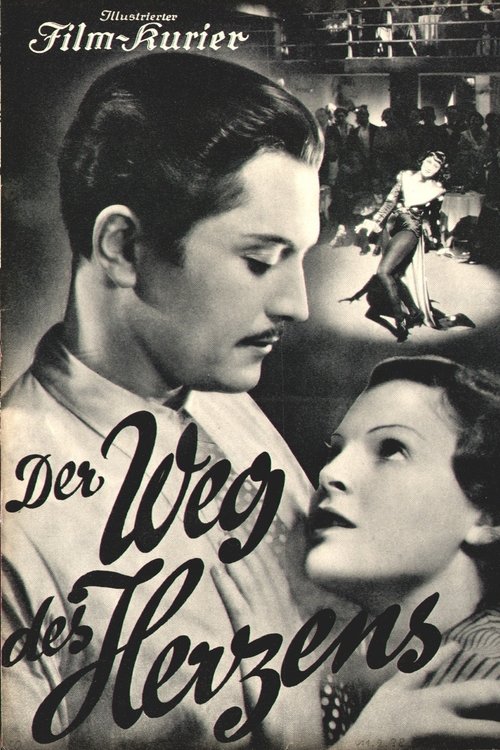
A sideshow performer flees to the Danube after a misunderstanding with a deceitful gambler and finds refuge with two Bohemian men, one of whom is a handsome painter she falls for.
Prater
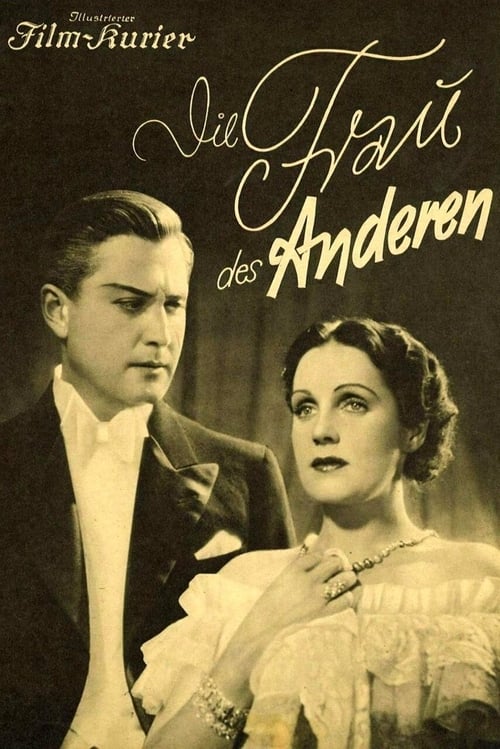
Weaves together the story of a wife who remains faithful despite being unhappy, with attempts at spying on German industrial facilities in Africa.
Romance
The daughter of a rich American entices a young German but he does the right thing and gives her up for a German girl. In a separate story thread, a sports instructor inherits a fortune after the death of his uncle.
Millionenerbschaft

A Hungarian squire and his son compete for the favour of an operetta diva; the younger makes the running. - Unplausible mistakes, small intrigues and a lot of love in an old-fashioned musical comedy with proven comedians.
The World's in Love
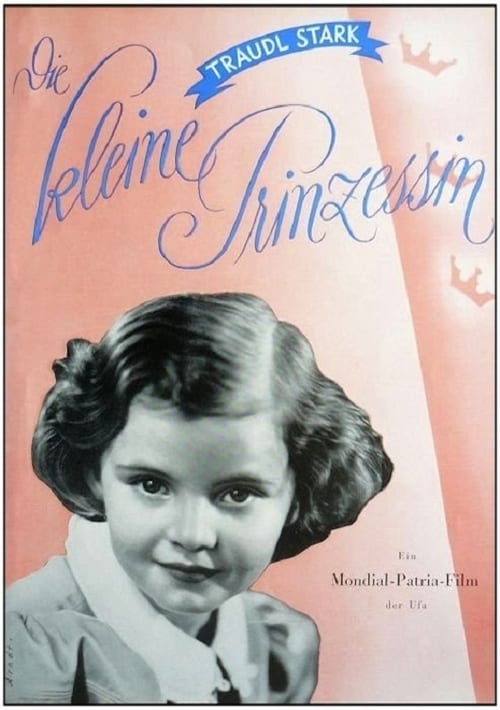
A UFA feature film about the little Princess Sissi, later Elisabeth of Austria—the legendary and beloved Queen of the Habsburgs to this day.
Princess Sissy
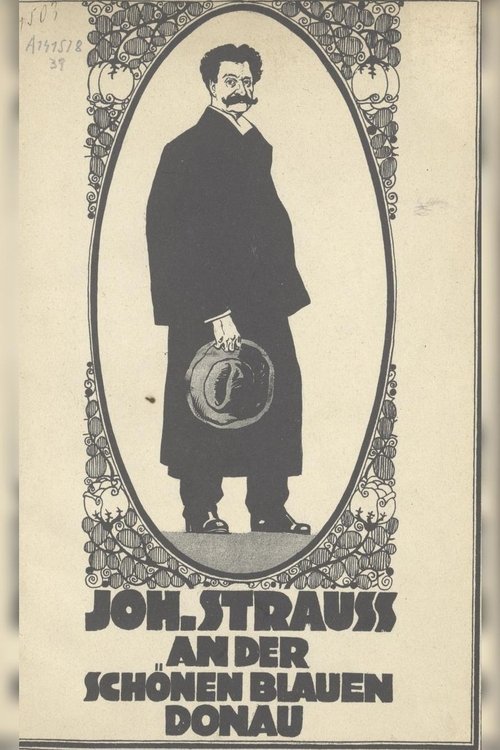
No description available.
Johann Strauß an der schönen blauen Donau

Confusion comedy with musical interludes around a carnival ball, to dare the pretty shop assistant for a fashion store with one of the best gowns of her salon and posing in her embarrassment as the wife of a guest. - Harmlessly entertaining comedy, a little bit too poorly to bring to bear the first-time meeting of three most popular Austrian comic specialists Moser-Slezak-Romanowsky at that time appropriately.
Konfetti
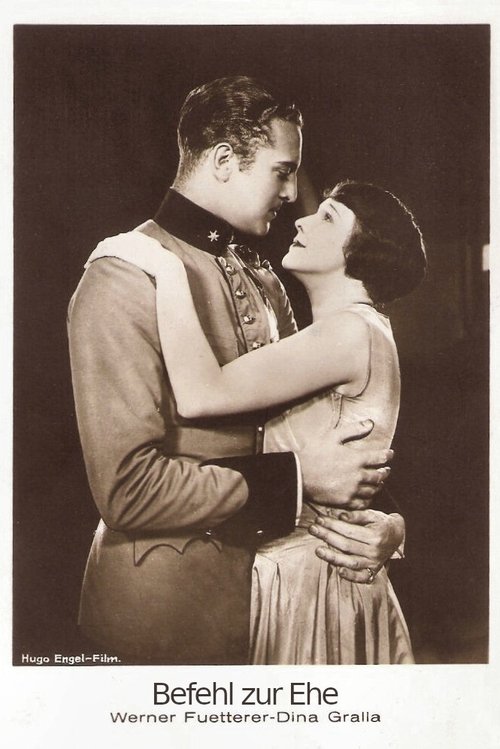
No description available.
Befehl zur Ehe
An Austrian silent comedy crime film.
The Missing Wife
No description available.
Carl Michael Ziehrer, der letzte Walzerkönig
The greengrocer Ferdinand Strubel wants his daughter Marianne to marry the son of the brewery owner Baron von Schnackenberg. Since Strubel is an impossibly cheap bastard, the marriage is to take place on 20 May, which, coincidentally, is the same day the city is having a grand festival for him to celebrate his company's being in business for 100 years. Marianne, however, has fallen in love with Leopold, a gym teacher; and when he reads an article in the newspaper about the upcoming arrival of Haley's Comet on 19 May, he comes up with an idea how he can prevent the wedding from taking place: He tells Strubel that the world is going to come to an end when the comet shows up, so that Strubel will see the errors of his way, cancel the arranged wedding and will become a better person for it. (Sucker!).
Judgement Day
No description available.
Die weiße Sonate

After serving a prison sentence for no fault of her own, café violinist Helene seeks out her twin sister Betty, a famous revue star in Vienna engaged to a public prosecutor. During a sailing trip, Betty accidentally drowns. Helene, at first involuntarily, then consciously, assumes her sister’s identity. Blackmail by two criminals soon follows.
Shadows of the Past
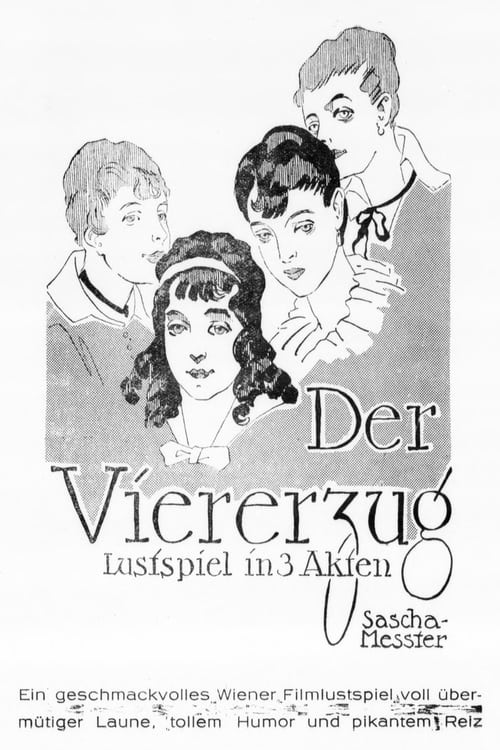
No description available.
Der Viererzug
No description available.