Graciela Borges
Acting
Biography
From Wikipedia, the free encyclopedia Graciela Borges (Spanish pronunciation: [ɡɾaˈsjela ˈβorxes]; born Graciela Noemí Zabala, June 10, 1941) is an Argentine television and film actress. Borges was born in Dolores. Having made her film debut at 14, she has acted in over fifty films and was featured in 2006 in Vogue Paris as "the great actress of Argentine cinema". She has been working in the Argentine cinema and television since her first role in the film Zafra (Sugar Harvest) in 1958.
Known For

No description available.
Alta comedia

Selva is an eccentric relationship counselor who has made a name for herself with her unorthodox sessions. But Selva’s career hits a roadblock when she takes on Elías and Malena, a young couple who are seeking guidance on how to separate.
Alternative Therapy

No description available.
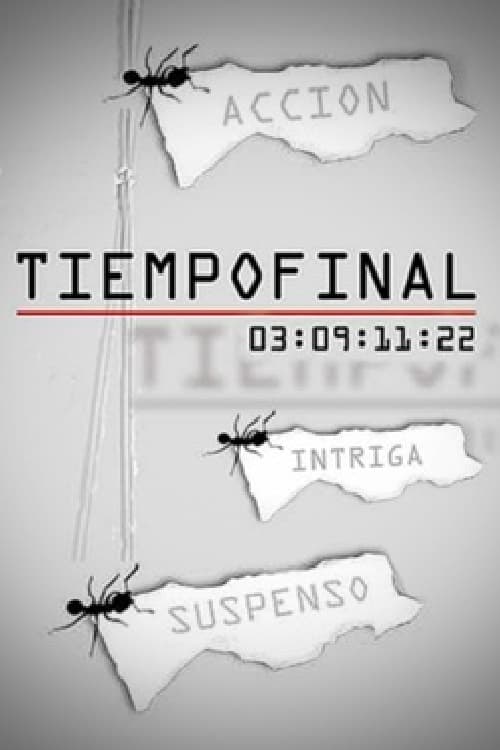
Tiempo final

No description available.
The Man of Your Dreams

Amid the sweltering summer heat in northern Argentina, two middle-class families retreat to a crumbling country estate and a modest townhouse, where strained relationships, simmering tensions, and the presence of children and servants quietly expose the fractures of family life. Between idle days, gossip, and unspoken desires, the boundaries of class, tradition, and faith are reflected in their everyday interactions.
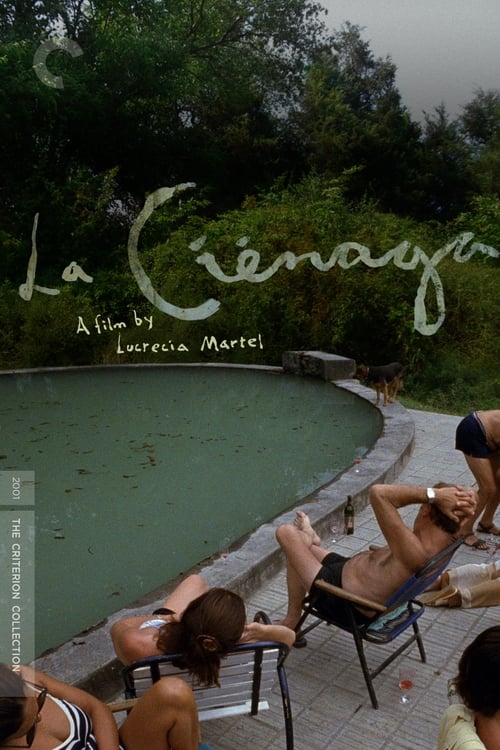
La Ciénaga

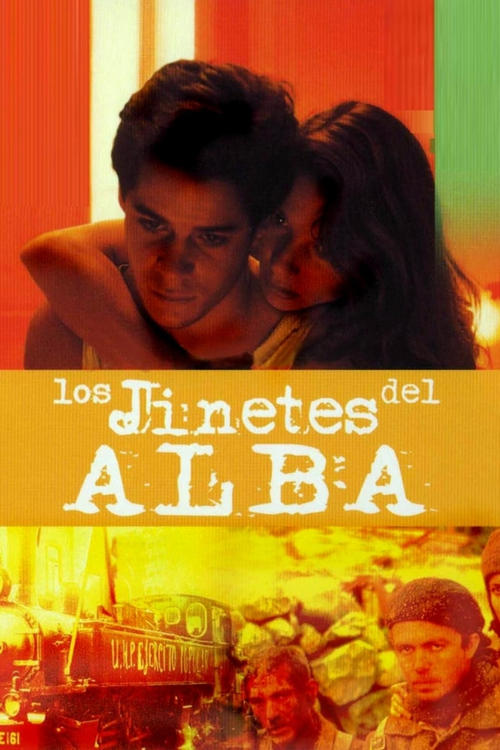
The inhabitants of Las Caldas, a village in Asturias, in northern Spain, whose life revolves around a sumptuous spa, trace complicated personal relationships while the whole country is inexorably heading towards revolution and civil war.
Los jinetes del alba

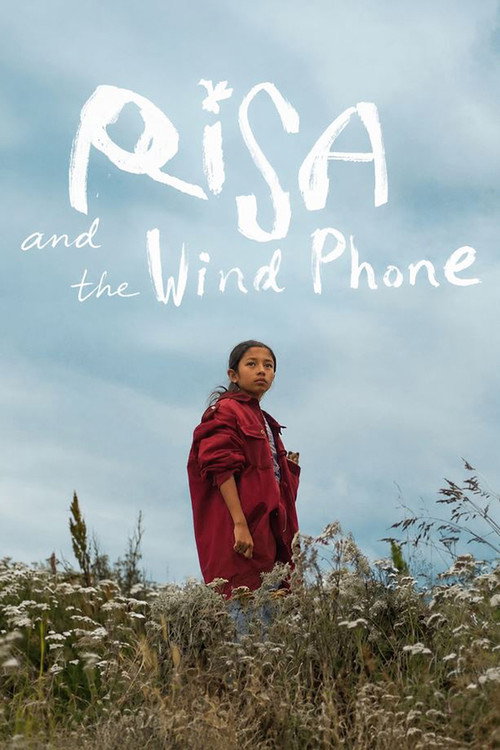
Lila, after her father's death, discovers she has the ability to communicate with him from beyond the grave. As she explores this supernatural connection, she faces emotional challenges and family secrets that will test her faith in what she thought was possible.
Risa and the Wind Phone

A group of old actors and filmmakers tries to resist the efforts of a young couple to kick them out of their mansion.
The Weasel's Tale

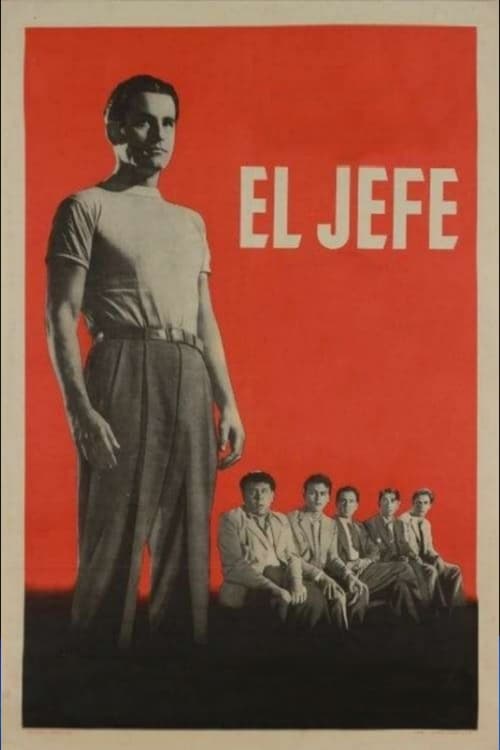
The head of a criminal gang has all the power among his men until one decides to testify against him.
The Boss

Against the backdrop of a military dictatorship, Eugenia is reunited with her estranged family following her father’s stroke and is forced to confront dark secret.
The Quietude

Henchmen of the dictator from a South American country blackmail Nick Thomas into being a government spy. The former smuggler is to pose as a priest and enter a monastery thought to be sympathetic with rebel guerrillas. The release of the film coincided with real-life events, as Catholic priests continued to be the victims of government persecution throughout Latin America.
Los traidores de San Ángel

A young painter from La Boca discovers that his father is a millionaire. He goes to live with him, changes his life and comes back to the neighborhood.
Gringalet

Graciela and Arturo operate a kindergarten in their mansion. Graciela is particularly keen on one boy, Luciano, on whom she makes sexual advances.
Kindergarten

This routine drama set in Argentina during the 1930s draws parallels between a family patriarch and a political despot who stoops to any corrupt means to increase his power and wealth. The parallels are easy to make because the man is the same in both cases. The grandfather in the family has a rigid, tight-fisted control over his grandchildren, who eventually begin to rebel against his authoritarian and ironically puritanical behavior. At first, there is no real awareness of his opposite, criminal behavior outside the home. But as one of the grandsons begins to mature in his political savvy, the grandfather comes under well-deserved fire at last.
The Party Is Over

A turbulent era in Argentine politics is highlighted in this well-wrought drama, set in Buenos Aires at the end of 1945, about Clara (Graciela Borges), a young, half-Jewish woman awakening to the reasons behind the political conflicts of her time and place. Clara's father was a Communist who fought the Nazis in Argentina and possessed a list of the top Nazi exiles and their contacts. Through a former lover, Clara -- a successful broadcast journalist -- begins to see her Jewish roots (and the leftists) in a whole new light. Meanwhile, the political storms sweeping through Argentina are setting the stage for the Peronist government to come.
Poor Butterfly

The godmother and Perla are the world to "the little girl," a world defined by the four walls of a studio apartment with one window looking nowhere. Only space and alter the monotony, the blood transfusion sessions to which must be submitted Pearl and almost anonymous sexual encounters of the baby.
Monobloc

Fernandez is a lonely man leading a lonely life. All he does is work for an old man in a hardware store. But all that changes, when he meets the girl of his dreams... and her family.
The Dependent

A group of musicians, prostitutes, gamblers, and laborers, react to the arrival of a tango pianist at a saloon.
Funes, a Great Love

There are very few icons in Argentine culture capable of appealing to both popular and elitist tastes. Leonardo Favio was undoubtedly one of them. An unseasonable Peronist attached to the liturgy of his land, the director, born in the province of Mendoza, was and artist at every craft. a Renassaince man, but above all, a filmmaker. This is how "Favio: Chronicle of a Director" recaptures him, as a man of film who fed from radio, acting, music and painting in order to build up the handful of rhapsodies with which he adorned argentinean cinematography
Favio: Chronicle of a Director

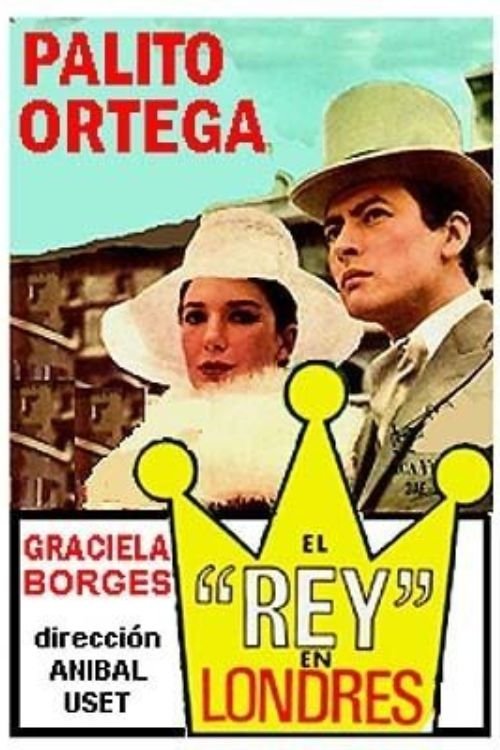
The film shows as a documentary the trip to London of Palito Ortega and Graciela Borges