Acting
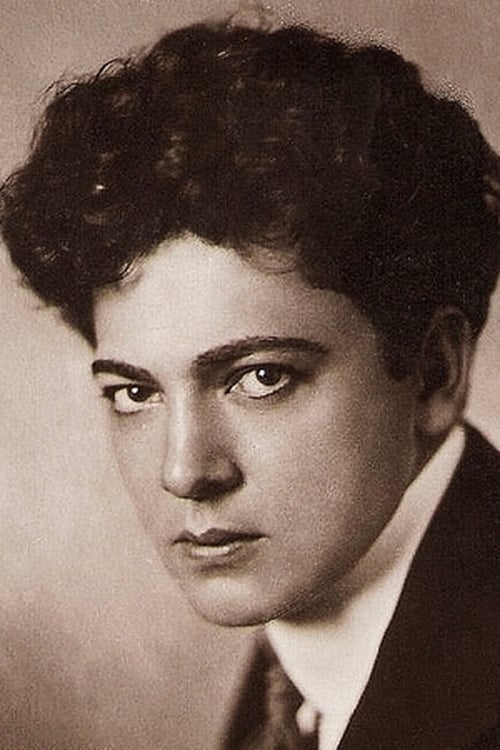
Alfred Gerasch was a German stage and screen actor.
No description available.
This Hungarian musical comedy (English title: Spring Parade) was produced by Joseph Pasternak, who later remade the picture in Hollywood as a Deanna Durbin vehicle. The original 1934 version stars Franciska Gaal as a Hungarian serving girl who heads to Vienna to visit a relative. Stopping over at an outdoor carnival, Gaal is told by a fortune teller that she will enjoy a happy marriage with a handsome and wealthy stranger. Later on, she finds herself at a fancy dress ball, where a good-looking aristocrat, assuming that our heroine is a countess masquerading as a peasant, falls in love with her. Delighted that the fortune-teller's prophecy seems to be coming true, Gaal finds herself in a dilemma when she falls in love with poverty-stricken soldier Wolf Albach Retty. But things turn out OK when Retty, the regimental drummer, composes a hit song which brings him fame and fortune, thereby neatly fulfilling that prophecy.
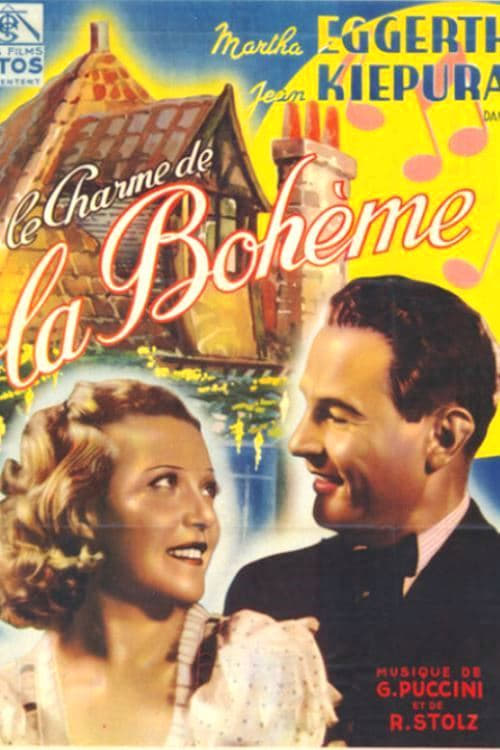
René and his two artist friends lead a meager but careless life in a Parisian small apartment, their main worry being to avoid the housekeeper. Whenever they get some money they call more friends in and celebrate. This is how he meets beautiful but fragile Denise, who wants to be a singer as himself, and they fall in love. Yet when she finds out her real condition she takes a drastic decision which will determine their fates. La Bohème arias, and more.
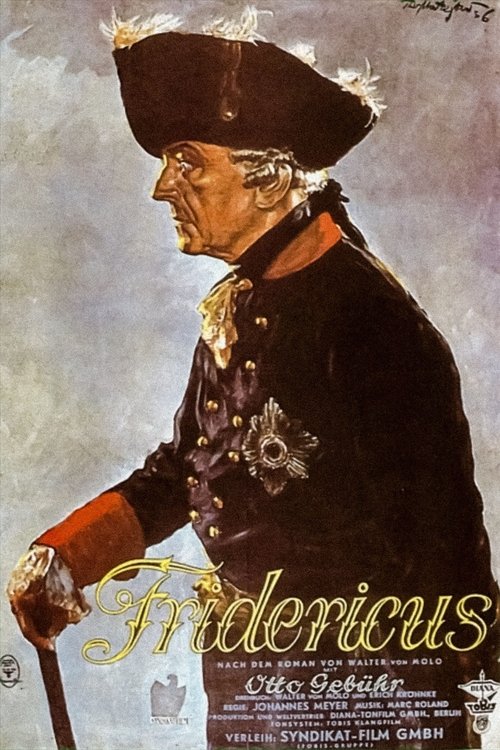
In 18th century Europe, King Friedrich II of Prussia leads his army through the seven-years-war with neighboring states, and after numerous near defeats, eventually brings a victorious army back to Berlin.
A romance between two temperamental singing stars. Highlights include a lengthy selection from Faust, with Gigli making a most impressive Mephistopheles. The plot takes a melodramatic turn towards the climax, with the lives of the characters mirrored in their on-stage behavior. Director Carmine Gallone was something of an expert in the field of filmed opera, as witness his Tosca, Rigoletto and Il Trovatore.
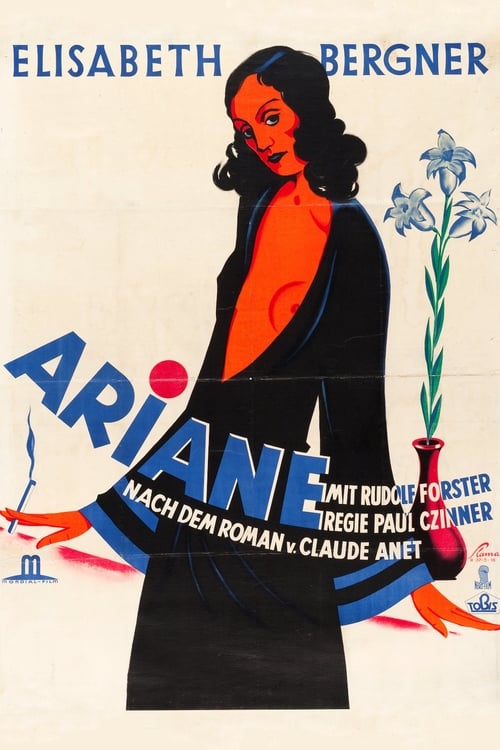
Ariane was Hungarian director Paul Czinner's first talking picture. Starring in the title role is Czinner's charming wife, Elizabeth Bergner, likewise making her talkie debut. Young, naive Ariane sets herself for an emotional fall when she falls in love with Konstantin (Rudolf Forster), a much older and very married businessman. For his part, Konstantin regards the girl as just another harmless fling -- until he realizes a shade too late that he's really in love with her after all. Filmed in German, Ariane was simultaneously lensed in an English-language version, The Loves of Ariane.
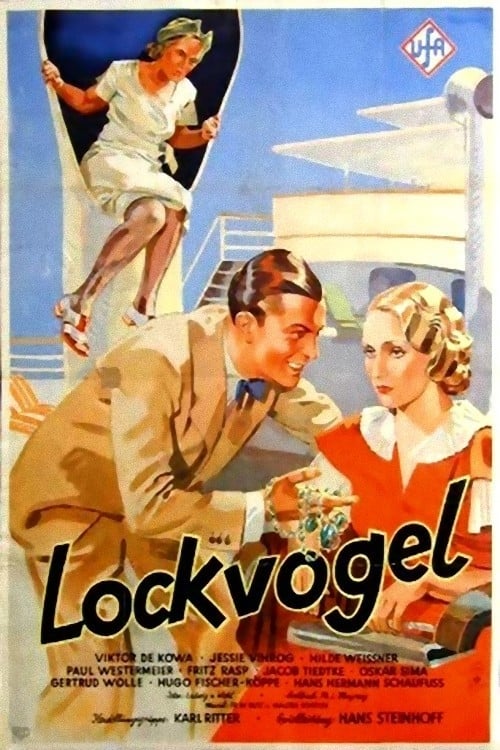
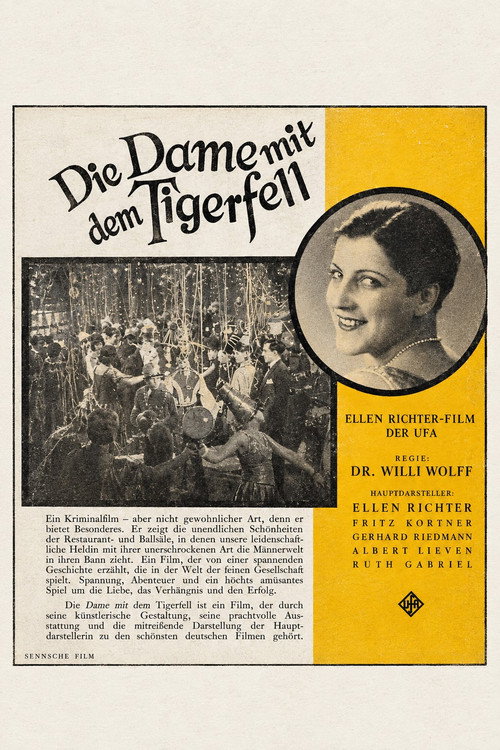
Viktor Schott, daredevil and womanizer, is charged by his father, a jeweler, to go to Istanbul and purchase a valuable emerald necklace from a rich Persian and to bring it back by ship to Marseille. A pair of criminals are watching him and attractive Delia, with whom Viktor is in love, is used as bait. His boyhood friend Sibyl, who is in love with Viktor, warns him of the criminal ship owner and the captain, who intend to steal the jewel during a masked ball on board. Shortly before reaching the coast of France, an explosion causes the ship to capsize.
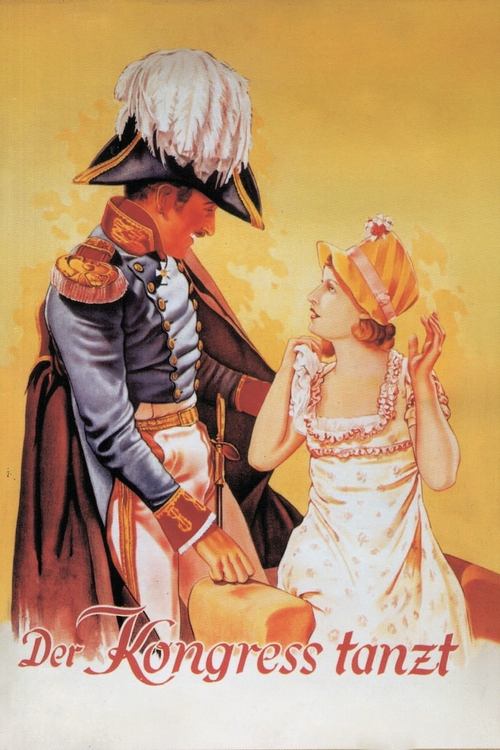
An Austrian prince hatches a plan to keep his rival, the Russian czar, busy by keeping him surrounded by beautiful women and away from the negotiating table. The Czar, however, has his own plan—he hires a man who is his exact double to impersonate him and confuse the Austrians by appearing to be everywhere at once. In addition, both the Czar and his double fall for the same woman.
A celebration of strong Prussian leadership during the reign of Frederick the Great.
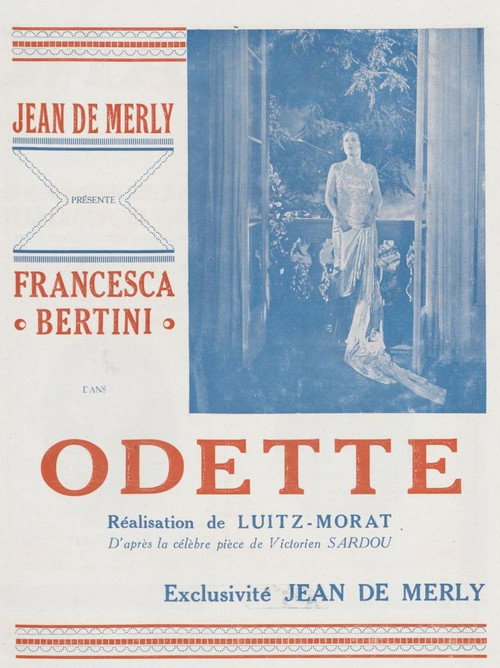
One evening at a ball, Count Georg de Clermont-Latour—a man who places great importance on convention and traditional notions of honor—surprises a young man in his wife Odette’s bedchamber. Despite her protestations that she had rebuffed the presumptuous youth and behaved with neither impropriety nor infidelity, her husband refuses to believe a word she says and casts her out of his home.
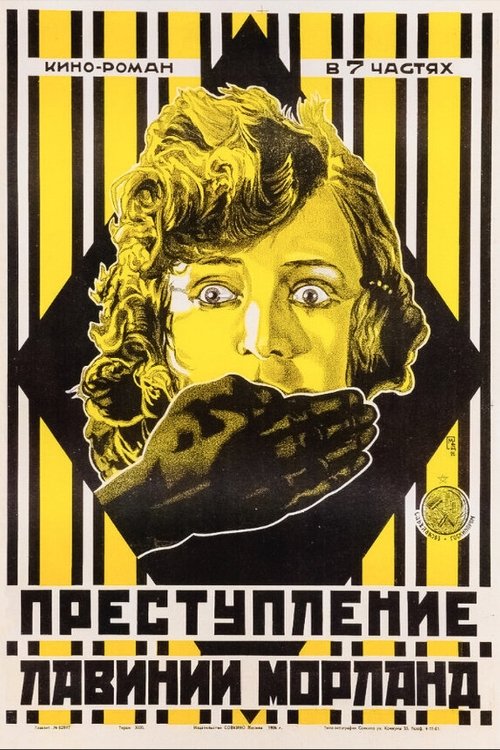
Lavinia Morland marries a rich banker in order to obtain money to care for a sick artist with whom she is in love. A woman tells the banker of this state of affairs and he hires a disreputable and bogus count to compromise his wife so that he may obtain a divorce. She kills her husband when she finds he has trapped her, but her story told in court procures her release.
The political advisor to the French emperor Napoleon, and the Austrian emperor Franz I, arrange a marriage between Napoleon and the Austrian archduchess Marie-Luise in order to prevent another war.
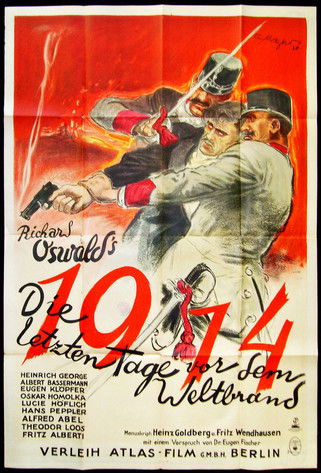
The film focuses on the leadership of the Great Powers of Europe in the days leading up to the outbreak of the First World War.
Napoleon at Saint Helena (German: Napoleon auf Sankt Helena) is a 1929 German silent historical film directed by Lupu Pick and starring Werner Krauss, Hanna Ralph and Albert Bassermann. The film depicts the final years of Napoleon between 1815 and 1821 during his period of exile on the British Atlantic island of Saint Helena following his defeat at Waterloo.
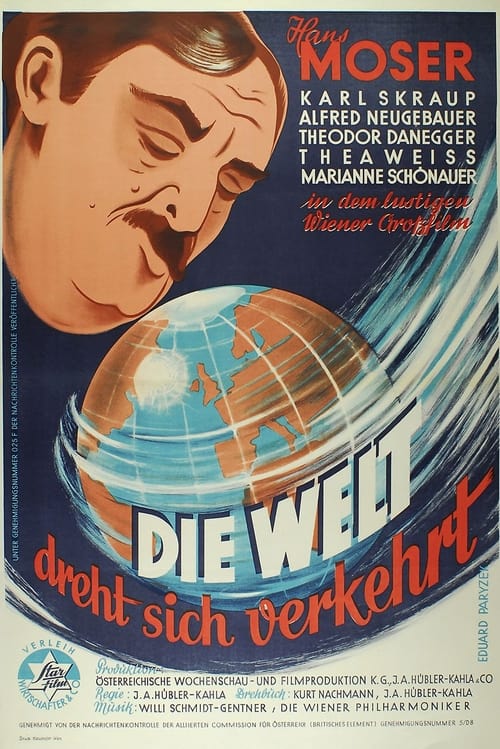
Franz Xaver Silvester Pomeisl travels thru the decades looking for the good old times.
As is the case every year, things get lively at the famous Nice Carnival: People travel from all over the world to join in the revelry. Wearing masks and makeup, people dance in the streets—but not all the revelers are really here for the carnival: Some use the masks merely as a disguise.