Sound
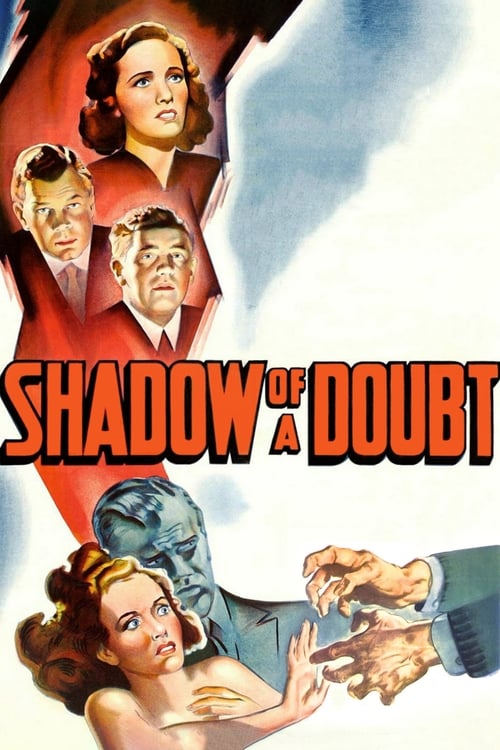
In sleepy Santa Rosa, restless young Charlie’s world brightens when her sophisticated Uncle Charlie arrives for a long visit. But as his behavior grows increasingly strange, she begins to suspect that her beloved uncle may be hiding a terrible secret—and that danger has quietly entered her home.
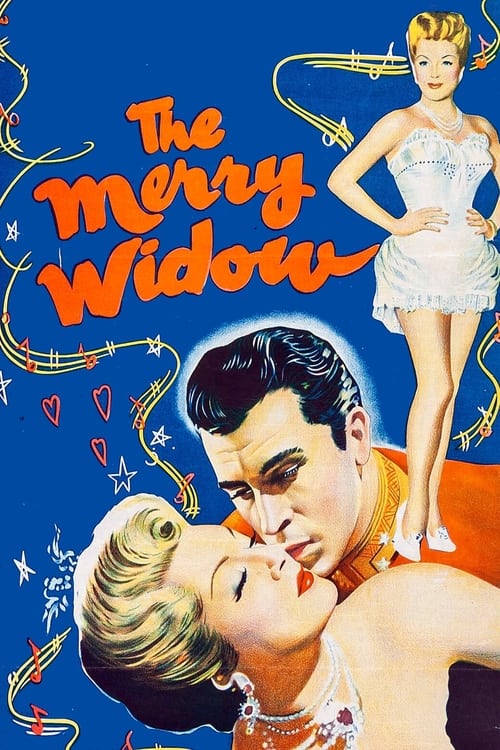
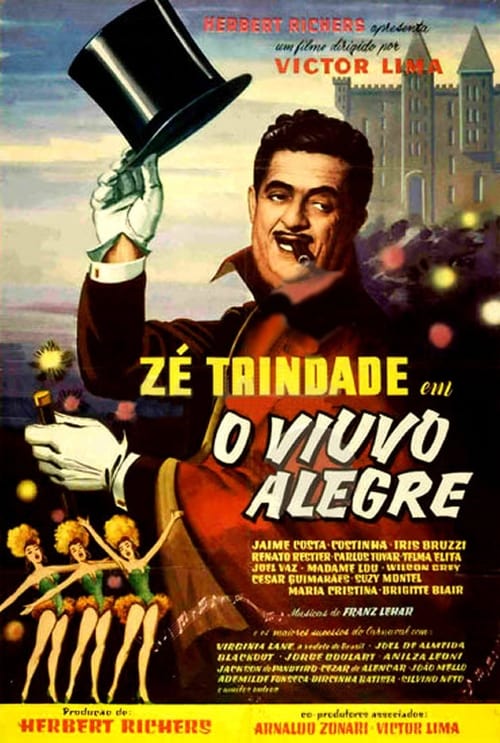
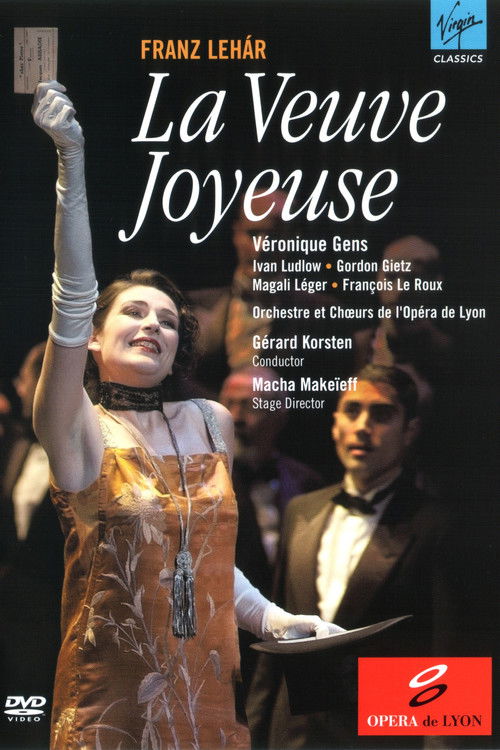
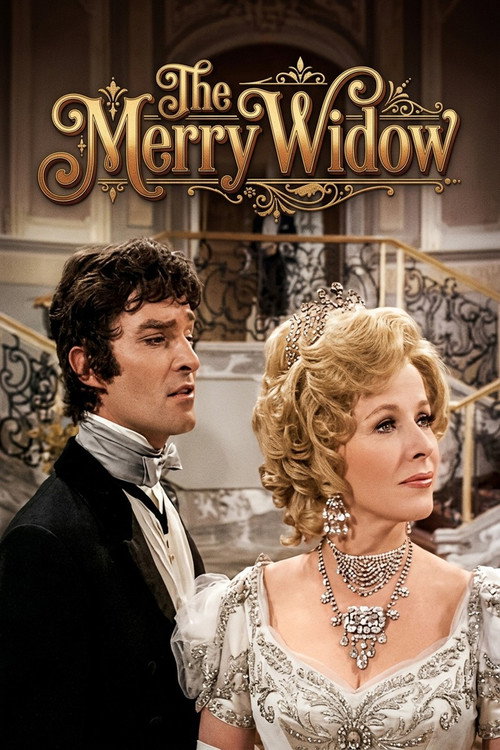
Marshovia, a small European kingdom, is on the brink of bankruptcy but the country may be saved if the wealthy American Crystal Radek, widow of a Marshovian, can be convinced to part with her money and marry the king's nephew count Danilo. Arriving to Marshovia on a visit, Crystal Radek change places with her secretary Kitty. Following them to Paris, Danilo has a hard time wooing the widow after meeting an attractive young woman at a nightclub, the same Crystal Radek who presents herself as Fifi the chorus girl. Plot by Mattias Thuresson.
No description available.
A prince from a small kingdom courts a wealthy widow to keep her money in the country.
Time stands still whenever Giuditta starts to sing. Regarded as a bird of paradise, many a man has tried to enclose her in a golden cage and trap her in chains of diamonds disguised as necklaces. To no avail: the beautiful Giuditta is as protective of her freedom as her secrets. No one truly knows from whence she came, not the bird-catcher who one day found her on the shore and married her no questions asked, or the handsome Captain Octavio with whom she ran away to North Africa…
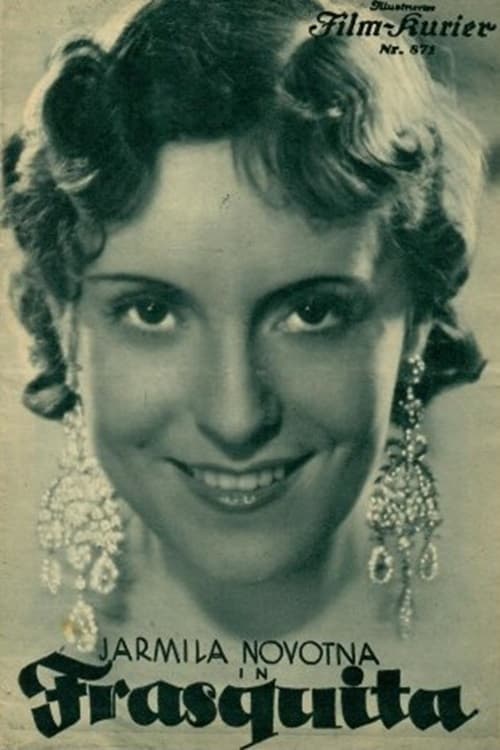
Czechoslovakian opera star Jarmila Novotná plays the title role in the Austrian tunefest "Frasquita". Based on a Franz Lehár operetta, the story is the usual frothy nonsense. Dolly (Charlott Daudert) is engaged to marry Harald (Hans Heinz-Bollmann), but she's really in love with Hippolit (Heinz Rühmann). Harald is likewise enamored of another, namely Frasquita (Jarmila Novotná).
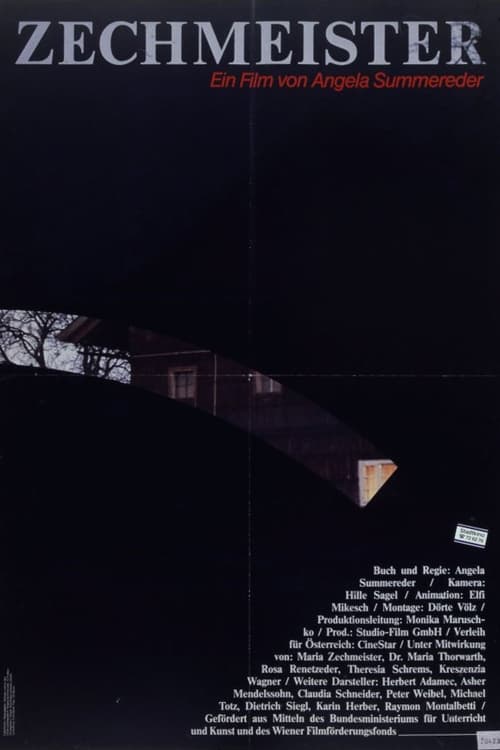
The authentic story of Maria Zechmeister who lived in an Upper Austrian village and was convicted of the murder of her husband. There was no evidence and no confession. Only rumors. Maria and the witnesses re-enact the trial before the camera. They tell about the marriage, the time the husband was a prisoner of war and his return from captivity. If he really had been poisoned or if she was a victim of injustice remains open. Maria Zechmeister was pardoned after serving 17 years in prison and lives in an isolated house at the outskirts of the village.
Zorika's father has arranged for her to marry a wealthy acquaintance. Before the engagement, she goes for a walk along a mountain stream, and there meets a handsome gypsy; but will her affection go unrequited? GYPSY LOVE is an operetta by Austro-Hungarian composer Franz Lehár (1870–1948). This 1974 production is a cinematic version with a star cast.
The story tells of the Army officer Octavio and his consuming love for Giuditta, a passionate spitfire, who leaves him because he refuses to desert the colours for her; their chance meeting several years afterwards comes too late, though they realise how much they have lost.
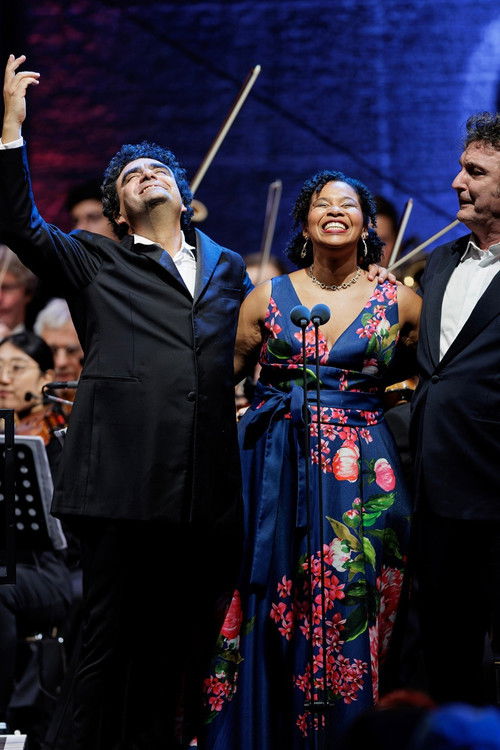
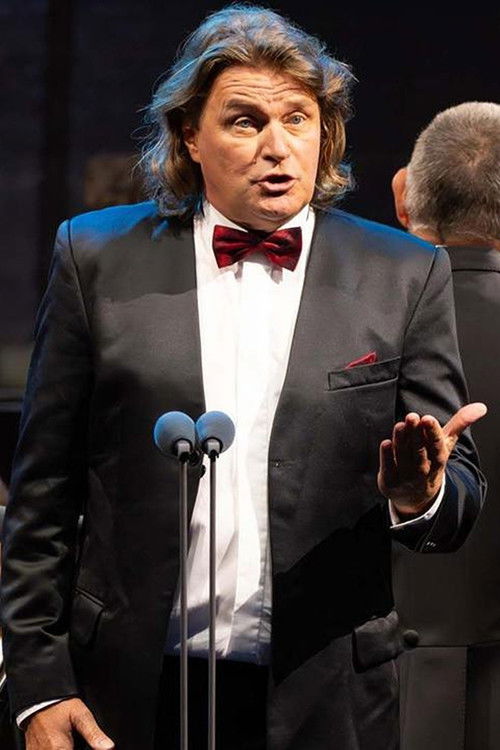
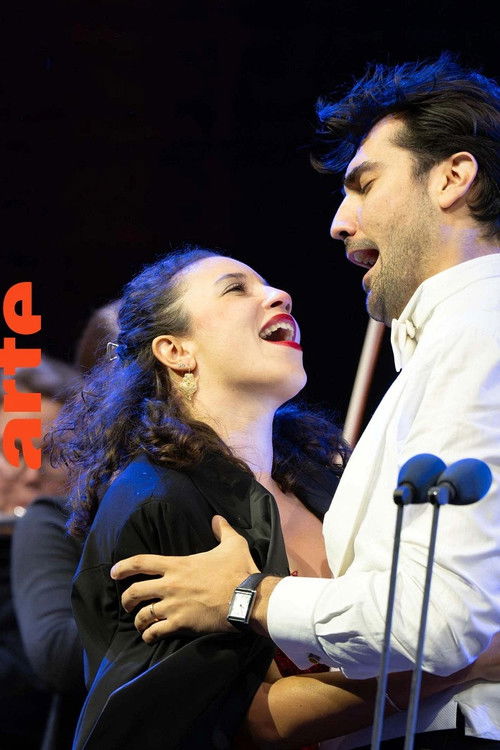
The Deutsche Kammerphilharmonie Bremen, conducted by Omer Meir Wellber, takes over Neuschwanstein Castle in southern Germany for a lyrical concert featuring soprano Golda Schultz, tenor Rolando Villazón, and baritone Ludovic Tézier. In this grandiose building constructed by Ludwig II of Bavaria, the prestigious trio performs works by Mozart, Verdi, and Lehár.
The operetta by F.Lehar in the production of the Moscow Operetta Theater.
Television version of the Lehar operetta.
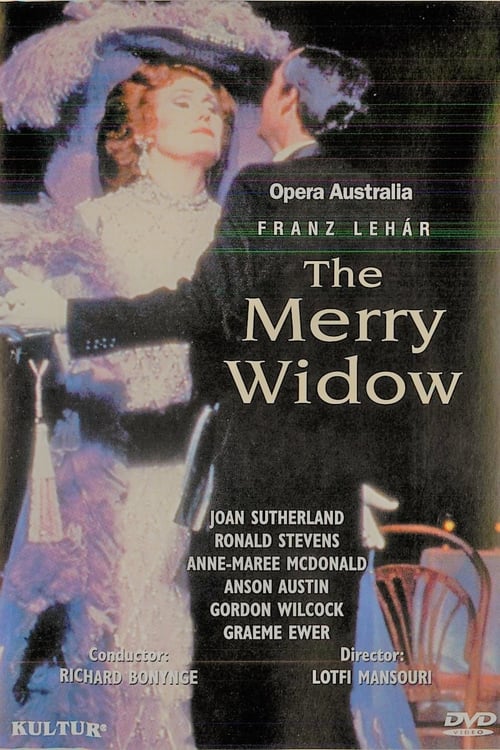
Turn of the century Paris provides the glittering setting for this light hearted tale of political and amorous intrigue amidst the gaiety of Parisian high society.. First performed in Vienna in 1905 and here performed in the English version by Christopher Hassal.
On an open-air stage in the castle courtyard, Klaus Florian Vogt and the Munich Symphony Orchestra present a varied program featuring works by Mozart, Wagner, and Strauss.
Accompanied by the chamber music ensemble CHAARTS, the soprano and tenor perform arias and duets from works by Mozart, Verdi, Puccini, Gounod, and Bizet. All in the open air, in the courtyard of Neuschwanstein Castle.
Early Hungarian silent version of Franz Lehar operetta about a soldier ordered to return a rich widow to her native country, in order to protect its economy.
A famous racing driver must give up his sport and take over the management of the porcelain factory on incentive of the vigorous grandmother as the last shoot of an old businessman's family. Unrecognized he is regulated as a worker what a love story with a 20-year-old worker arises from, who leads after incidents in the happy end. - After Franz Lehar's operetta produced comedy