Directing
Procession of the image of Saint Peter, patron saint of fishermen, in the harbor and city of Chimbote.
The work of the ice harvesters of the Huascarán mountain collecting ice for the tasty fruit shaved ice.
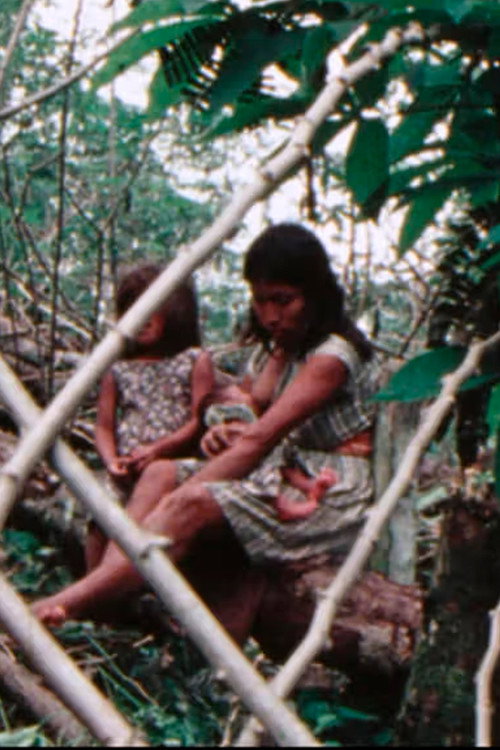
Customs of the Aguaruna people in the Upper Marañón, who comprise some 150 communities with a total population of around 20 million. Their economic activity has been oriented towards agriculture without disrupting the ecological balance with nature. Digitization of Río Abierto.
It shows a craftsman in the middle of making ceramics as well as his family environment.
José María Arguedas, a child and orphan, seeks refuge at the Viseca estate and comes into contact with Quechua indigenous people.
A harpist (Pedro Llana) is seen positioning his harp near a waterfall. The narrator's voice says, "We knew that harpists went to the mountains to learn new melodies from the waterfalls." The harpist falls asleep, and some children climb up to steal his harp. The harpist wakes up and throws them off. A priest (Father Fausto Pusa) says that the story of harpists, mermaids, and waterfalls is pure fantasy. [He is referring to the belief that harpists receive help from mermaids in those places to tune their instruments.]
The elderly Julio Peñafiel, charango player and childhood friend of José María Arguedas (1911-1969), proudly plows and harvests his lands.
Images of Arguedas as a child are interspersed with contrasting testimonies from a mine worker and a priest about the Chitulla and Santa Bárbara hills; for the former, they are alive, for the latter, they are merely myths. The same worker recounts a catastrophe that occurred years earlier during a mining operation, revealing that Chitulla “does not want to be opened.” After we see another priest teaching peasant children how to make the sign of the cross, we hear the narrator's voice asking: “Has the Christian cross truly conquered our fearsome hills, or do the wamanis, the mountain-gods, still live on, those still venerated by the people of the Andes?”
José María Arguedas as a child runs away from his cruel stepmother's house.
Community work as a celebration to build an institutional space for the people.
The story of a Cajamarca hacienda in the moments before and after the Agrarian Reform Law of 1999. The difficult situation of the owning family is presented. But also that of the bureaucratic, ecclesiastical, and judicial authorities of the place, incapable of mediating the conflicts between the parties. Meanwhile, the peasants decide to take over the hacienda. The "fool" Sabino clearly sees what will happen to the lands. With the arrival of the Agrarian Reform, the problems persist: there are no agricultural loans, and the bureaucrats and technicians have replaced the landowner.
The different styles of ironwork on the mansions and institutions of Lima from the 18th century to the present day.
In religious ceremonies, in the absence of a priest, the peasants replace the parish priests.
A beekeeper from the region shows the life and production of his bee hives.
A disabled girl is being treated at the San Juan de Dios Clinic.
Pilgrimage to the Christ of the Ausangate snow-capped mountain.
The presence of Aymara culture in the life of the Catholic Church.
An ancient Puno myth integrated into the Christian festival of San Isidro.
Ecumenical version of the Bible in the Quechua of Huaraz.
Crisis of a development project due to not respecting popular culture.