Acting
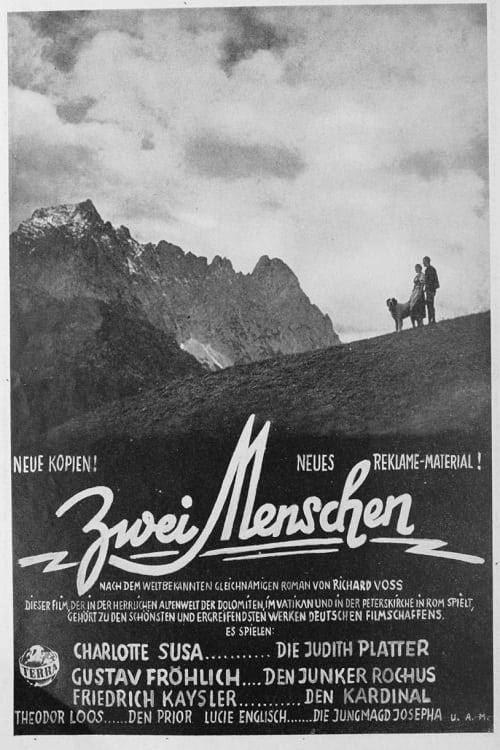
Gustav Froehlich and Charlotte Susa play Rochus and Judith, the zwei menschen (two humans) of the title. Rochus' domineering mother insists that he enter the priesthood, but he is reluctant to break up his blissful romance with the fair Judith. A religious fanatic of the first order, the mother swears before God and her Church that Rochus will indeed take his vows. When this does not come about, she dies of grief, whereupon the guilt-stricken Rochus abandons Judith to become a priest. The girl subsequently commits suicide -- and it is Rochus who must officiate over her body during the funeral. This final scene was excised from the print of Zwei Menschen released in New York, leaving audiences hanging in regard to Judith's ultimate fate.
No description available.
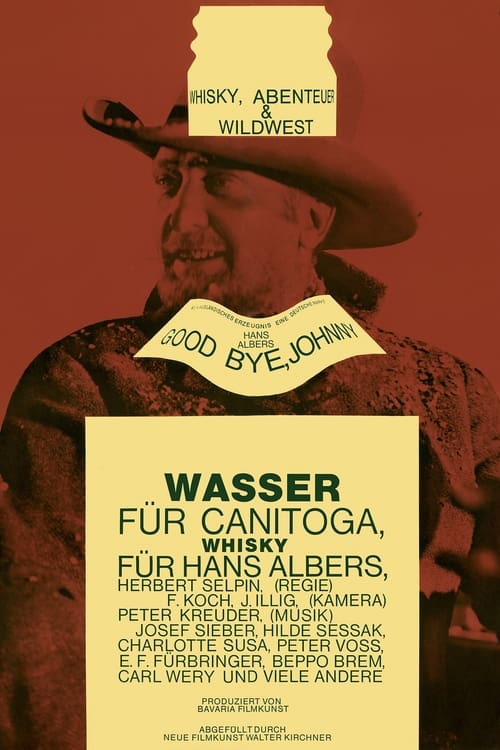
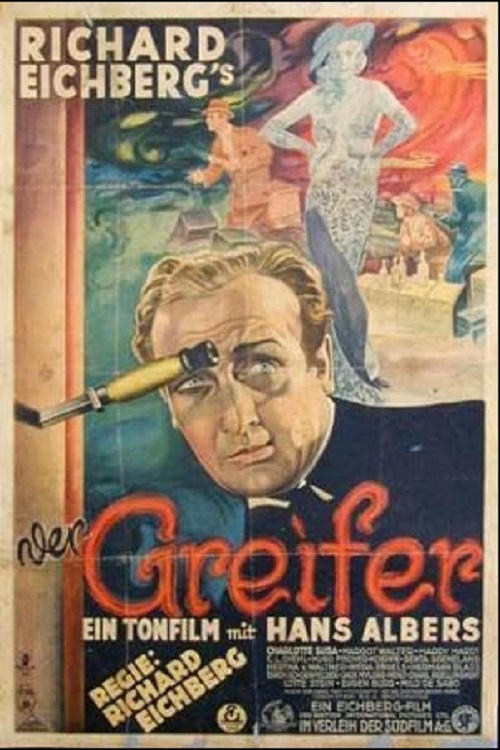
In the spring of 1905, the water conduit project in the Canadian city of Canitoga is set to be completed. For years, the completion had been marred by sabotage. Engineer Oliver Montstuart commands the last blasting operation. But again, the explosive charge is too large and thus, further construction is forestalled again. When Montstuart confronts foreman Westbrook, the foreman threatens him with a knife. In self-defence, Montstuart shoots him. Now, he has to flee.
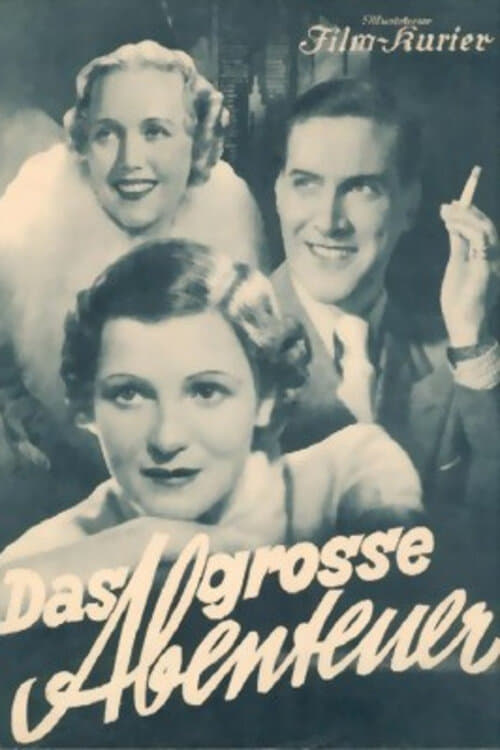
At the last performance of the Barszony Circus in Hamburg, the Indian lion-tamer Sikkim Khan is attacked by a tiger and is badly wounded. That he got away with his life at all is due to the quick action of the circus director's daughter, Tamara, who shoots the tiger. From that point on, Tamara appears as "Sikkim Khan" and the "Diamond King" van Houten falls in love with her. On a ship of the South American Line, they meet and get to know each other better. When an emerald worth half a million is stolen, Tamara declares herself to be the thief, so as to protect an old colleague of her father, who wants to save the circus with the money from the stolen jewel.
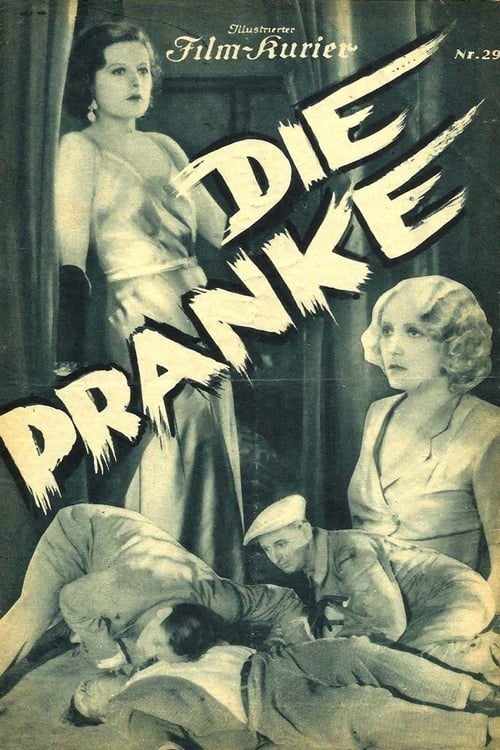
Mysterious murders committed by a criminal have kept the public on their toes and the police have mistakenly accused an imposter of the crimes.
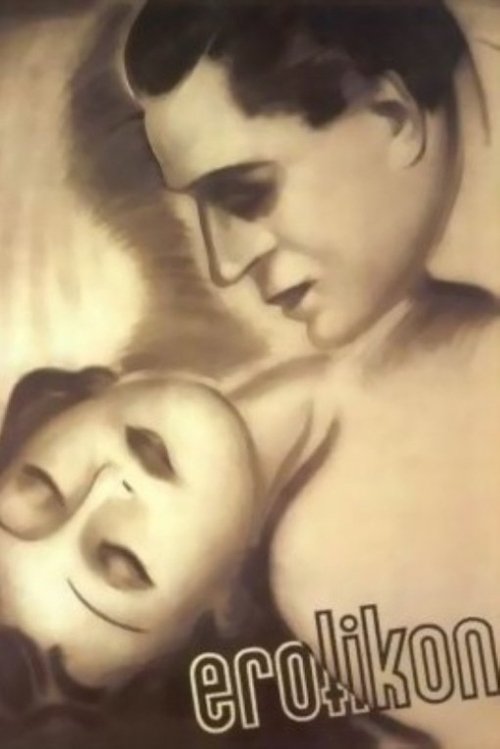
Andrea, the beautiful daughter of a railway gateman, is seduced by a rich passenger, who missed his train. Left pregnant, Andrea marries another man and moves to Prague, only to encounter her former lover and recover her former lust.
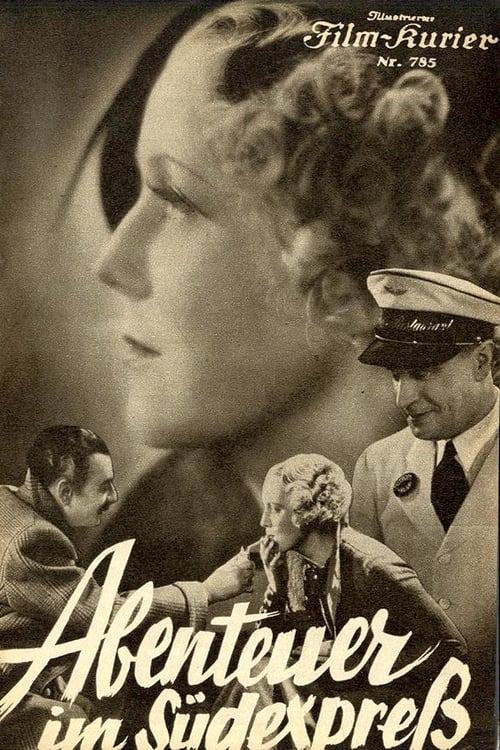
On a train's way to the Italian Alps, the jewelry of a wealthy young widow is stolen and a military veteran working as a waiter is the first to come under suspicion.
German-Italian crime drama with a racing milieu: The International criminal, "The Paw", who kills his victims with a prosthesis, has struck again! An engineer, who has designed a new racing car for the Italian firm Alberti has been found beaten to death. The plans for the car have been stolen. Rappis, the firm's director, takes part in the race and hits the finish line at the same time as the German racer, Peter Kruger. Then Rappis is found beaten to death, too.
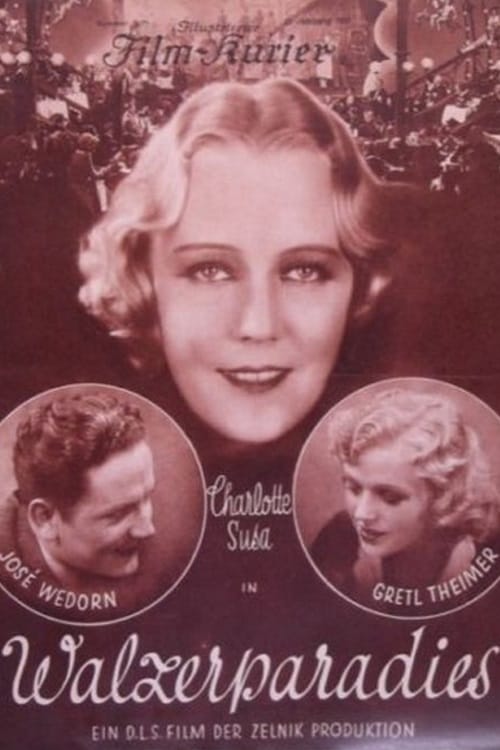
Musical comedy about a famous opera star in Vienna.
Felix Bressart, later one of the most delightful members of the Ernst Lubitsch "stock company," plays the title character in the Austrian comedy Hirsekorn Greift Ein (Hirsekorn Does Something About It). It's a typical worm-turns affair, as a mild-mannered provincial actor ends up working as a chauffeur for a scatterbrained female novelist. Slapstick is the order of the day, except in the scenes involving heroine Charlotte Susa. Guiding the actors through their paces was Rudolf Bernauer, a stage actor-manager of vast experience. Critics in 1931 felt that Hirsekorn Greift Ein was too thin to be stretched to 90 minutes.
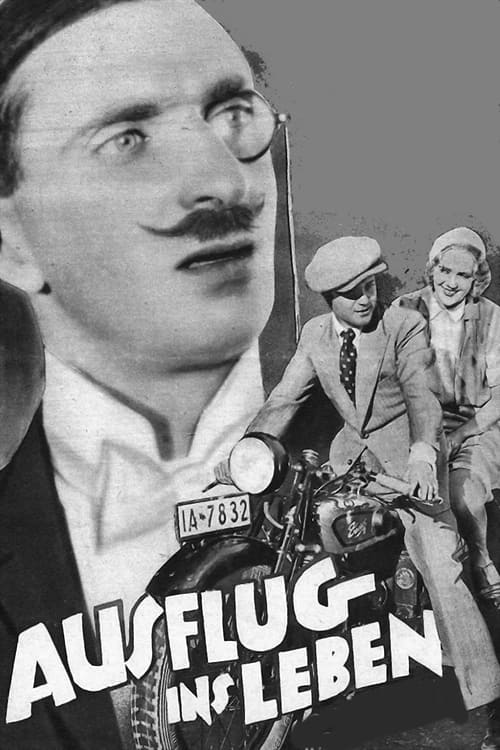
A man comes into money unexpectatly. That's when the trouble starts.
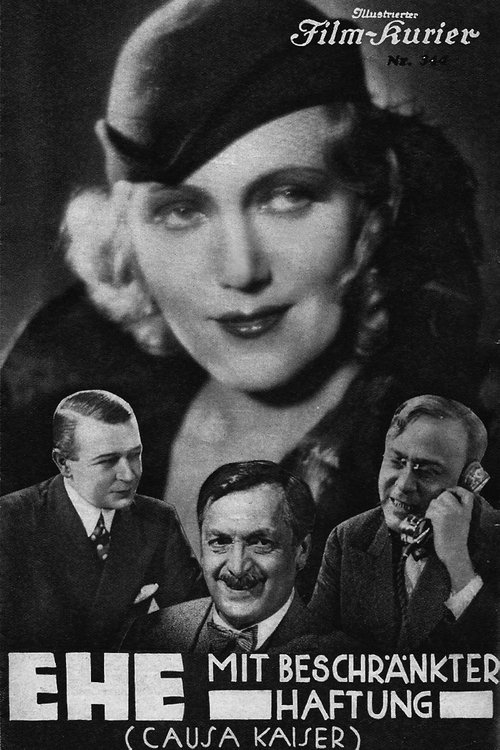
Though "blessed" with a complex title, which translates as Marriage with Limited Liability, this German comedy was adapted from the more simply titled stage play Causa Kaiser. Composer Georg Kaiser is unable to secure a divorce from his wife, so he "lives in sin" with his singer-sweetheart Causa. The girl's wealthy uncle dies, leaving her millions -- provided she is married to Georg Kaiser. Hoping to take advantage of a legal loophole, Georg seeks out another man named George Kaiser, intending to marry him off to Causa so that she can collect her legacy. Georg Kaiser # 2 is a middle-aged naif who can't understand why his new bride is so cold to him. When he finds out he's been duped by Kaiser #1, Kaiser #2 finds solace in the arms of another woman closer to his own age, which somehow leads to a happy ending for all concerned.
A young woman leaves behind her job, home and family to try to make it in the movie business. Features cameos from about three dozen German film stars of the era.
The Duty to Remain Silent (German: Die Pflicht zu schweigen) is a 1928 German silent drama film directed by Carl Wilhelm and starring Marcella Albani, Vivian Gibson, Angelo Ferrari. It was based on a novel by Friedrich Werner van Oestéren. The film's art direction was by Max Heilbronner.
In this spy drama set in a Hamburg hotel, a waiter saves important industrial papers belonging to a German contractor from being stolen by foreign crooks.
A British industrialist offers a job to a German who kindly rescued him when they were pilots on opposite sides of the Great War, but his wife becomes attracted to the foreigner. Complications ensue.
Inspector Harry Cross is investigating a murder case with a knife throwing killer in the the seedy world of night clubs.