Acting
A teacher is handing out examination results to his students in an industrial school and he points out to them that work is the most important thing in a person's life. Karel is pleased with his results but Vláďa's are bad. During the holidays Karel goes off to a factory to get work experience. Vláďa prefers to laze about and read poetry. In the end, however, he decides to follow Karel's example. At first the work doesn't agree with him, but after a few days, he gets used to it and finally he is glad to be able to work in the factory. One day he is injured at work and in hospital he has time to think about his future. He tells Karel, who visits him in hospital, that he has decided not to carry on with studies which don't interest him. He feels he will be more useful if he stays on at the factory.
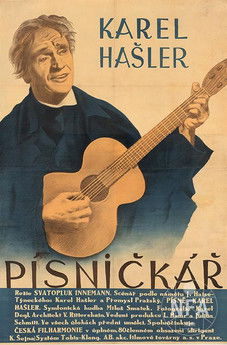
The film depicts the troubles of Herr Verner (Karel Hasler), a middle-aged bachelor dentist who wants to marry.
No description available.
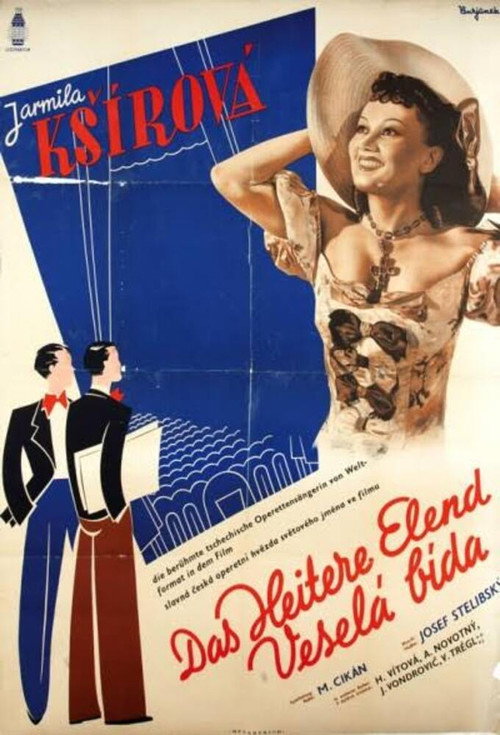
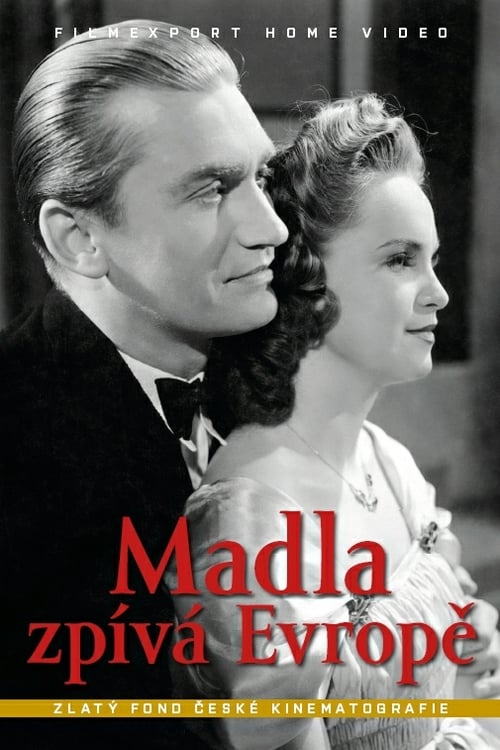
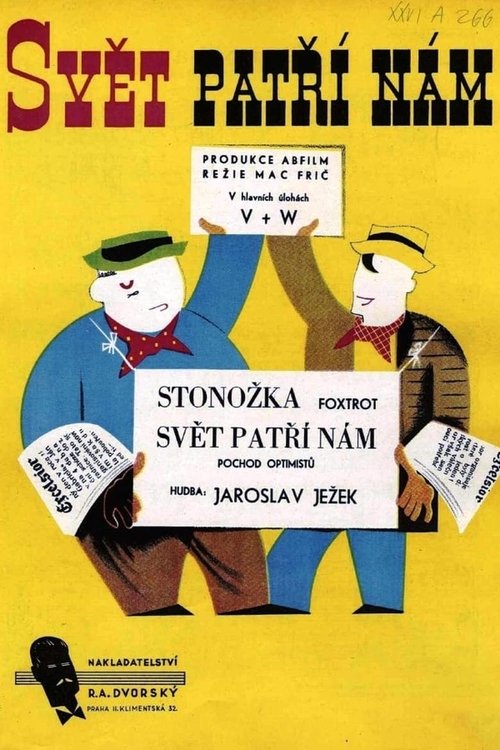
Two young composers offer their operetta in vain - it is rejected before anyone reads it. By a coincidence, when its text ends up in the wrong briefcase, it ends up with a popular singer who, on the contrary, likes it very much, but has no idea who wrote the play... The search for the authors, personality confusion and budding love become the main plot elements of this pleasantly naive film, where there is constant singing.
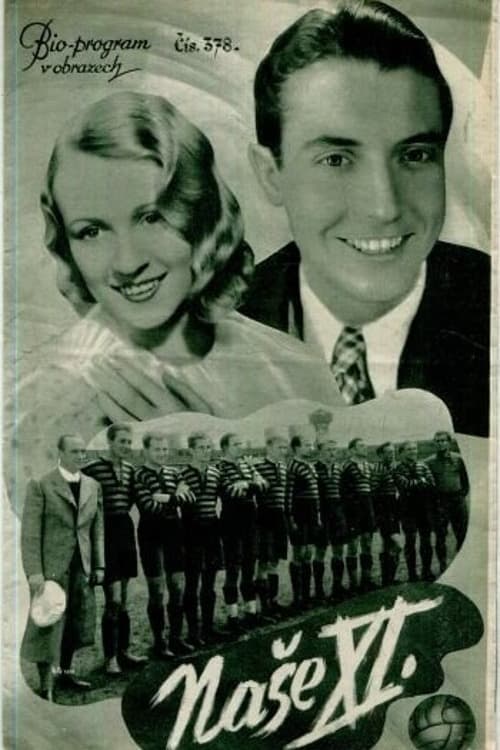
The troubles of a young married couple with an overprotective mother and mother-in-law. Usually it ends with a wedding, but this time it begins. Young doctor Petr Dvořák marries the charming Marta Hábová. However, their honeymoon to Venice is unexpectedly complicated by Martina's widowed mother, a rich, kind, but very absent-minded lady. First, they are not allowed to cross the border because they did not declare the things she secretly packed for them for the trip, and then they spend the night behind bars because the mother-in-law, in her absent-mindedness, reports the secretly packed things as stolen after she catches a pair of robbers in her house. It is no wonder that the young marriage is soon shaken to its foundations...
Dvořák's well-known composition reappears again and again in the serious moments of the lives of the father and son Hupeks - talented non-professional musicians for whom music gives them the opportunity to rise above difficulties and problems...
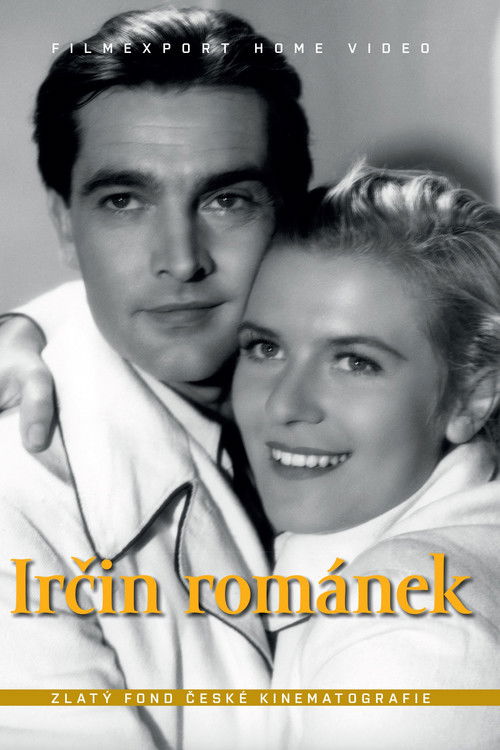
Irča Miňovská, the daughter of a car factory director, meets mechanic Lexa Hora by chance. They fall in love, but Irča's father does not want his daughter's unequal relationship and decides to send Irča to a boarding school so that she cannot see Lexa. Lexa leaves the plans for her new engine with her boyfriend Harry Peters at the factory, resigns, and leaves to forget about Irča. Director Miňovský would like to produce a new type of engine, but Lexa is nowhere to be found...
The family of the worker Kučera lives happily. His daughter Anežka, engaged to technical draftsman Adolf, is a seamstress. His son Váš is studying to be a machinist. The family also includes his grandfather, a former miner. However, an economic crisis is beginning. Factories stop production. Adolf loses his job and has an argument with Anežka, who has no idea the cause of his nervousness.
Folk song collector Dr. Šerk arrives in the remote village of Lesov. He is enchanted by the singing of sixteen-year-old Madla Satranová and he records her songs for radio broadcast. Šerk's friend, composer Jaroslav Klán, takes care of a group of orphans, from whom he has formed a choir. Šerk brings the orphaned Madla to him. The teenage girl begins to help the housewife Nána with the care of the children.
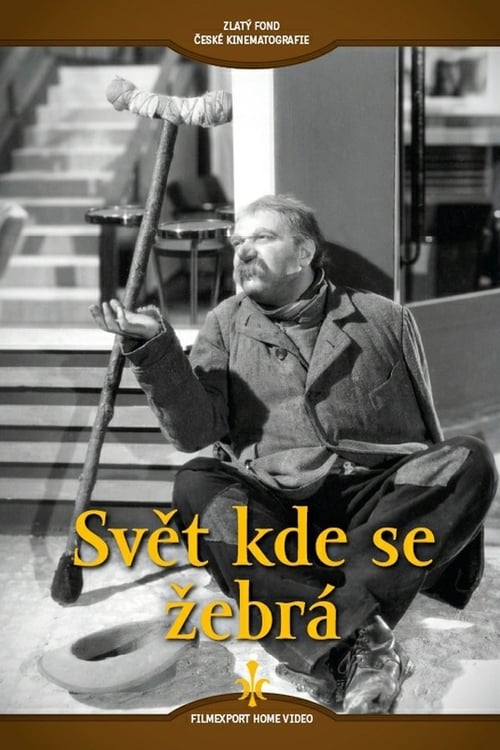
The smooth narration, corresponding to the requirements of a light comedy, develops the smiling and optimistic story of the "one-armed" beggar Dostál, who earned enough money with his excellent begging skills to buy a nice house, become a respectable master of the house, and save the impoverished lawyer Neprosil from poverty, who he contributed regularly to him when he was still well off. He also wanted to get him together with his pretty ward Zorka, for whom he said he would be an ideal husband, but the young people were able to do that by themselves and without his clumsy help, or rather despite his rather ineffective help... The film was shown at the VI. IFF in Venice in 1938.
A morally questionable lord comes to the aid of a working class man who is to be executed for speaking out about thieving rich scoundrels sticking it to the poor.
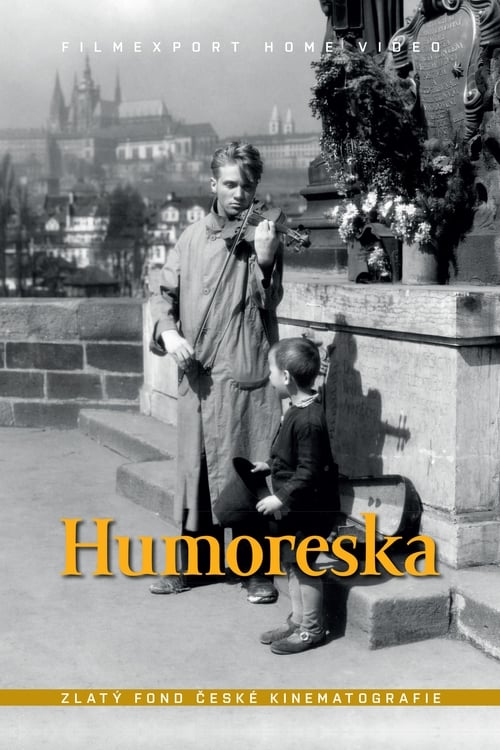
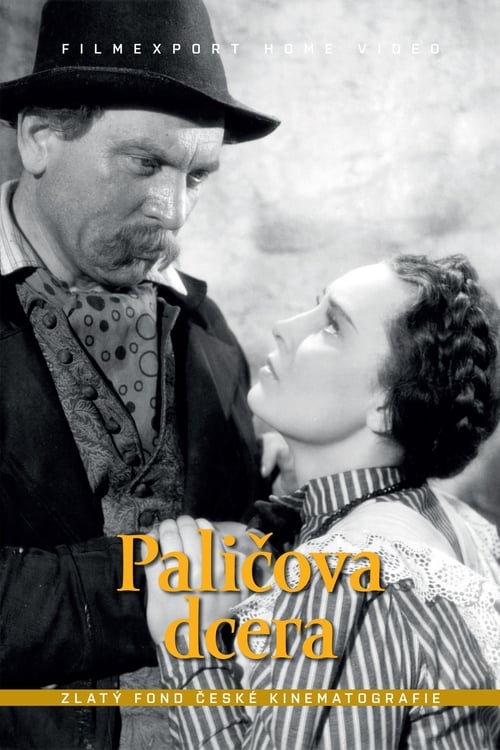
The fiddler Valenta has troubled his wife with his drinking and disorderly life. His daughter Rozárka and her younger sisters go to their aunt's in Prague, and their father sets fire to the abandoned house. Rozárka is suspected...
One of the few European films of the 30s to criticize the Nazis, even if they couldn't be directly named due to censorship: Gangsters with gray hats stir up trouble in what is obviously the Sudetenland.