Alexander Pushkin
Writing
Biography
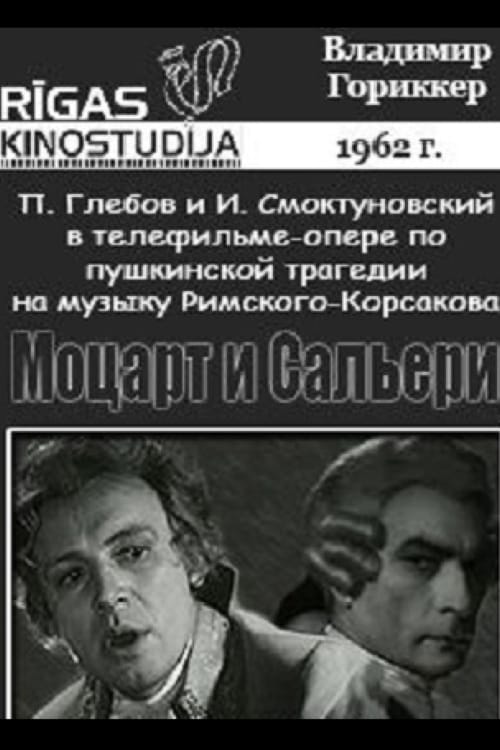
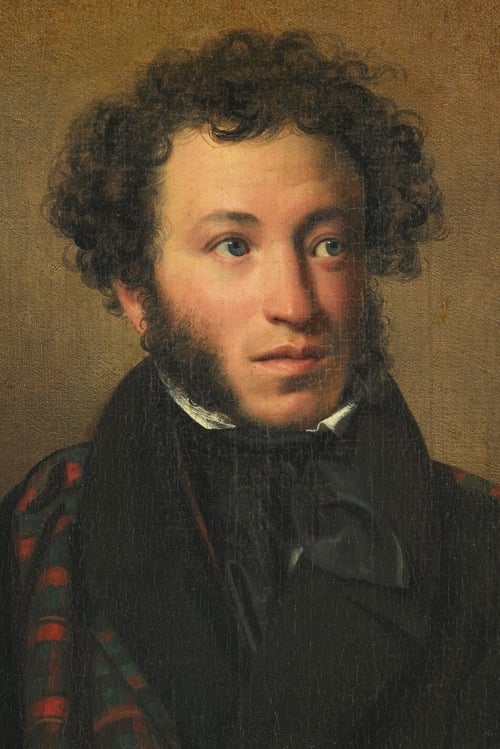
Aleksandr Sergeyevich Pushkin (1799–1837) was a Russian poet, playwright, and novelist of the Romantic era. He is considered by many to be the greatest Russian poet and the founder of modern Russian literature. Pushkin was born into Russian nobility in Moscow. His maternal great-grandfather was Central-African-born general Abram Petrovich Gannibal. He published his first poem at the age of 15, and was widely recognized by the literary establishment by the time of his graduation from the Tsarskoye Selo Lyceum. Upon graduation, Pushkin recited his controversial poem 'Ode to Liberty', that led to his exile by Tsar Alexander I. While under the strict surveillance of the Tsar's political police, Pushkin wrote his most famous play, the drama 'Boris Godunov'. In 1820, he published his first long poem, 'Ruslan and Ludmila', with much controversy about its subject and style. His novel in verse, 'Eugene Onegin', was serialized between 1825 and 1832. Critics consider many of his works masterpieces, such as the poem 'The Bronze Horseman' and the drama 'The Stone Guest', a tale of the fall of Don Juan. His poetic short drama 'Mozart and Salieri' was the inspiration for Peter Shaffer's 'Amadeus' as well as providing the libretto (almost verbatim) to Rimsky-Korsakov's opera 'Mozart and Salieri'. Pushkin is also known for his short stories. In particular his cycle 'The Tales of the Late Ivan Petrovich Belkin', including 'The Shot' and 'The Stationmaster', and 'The Queen of Spades', a story frequently anthologized in English translation.
Known For

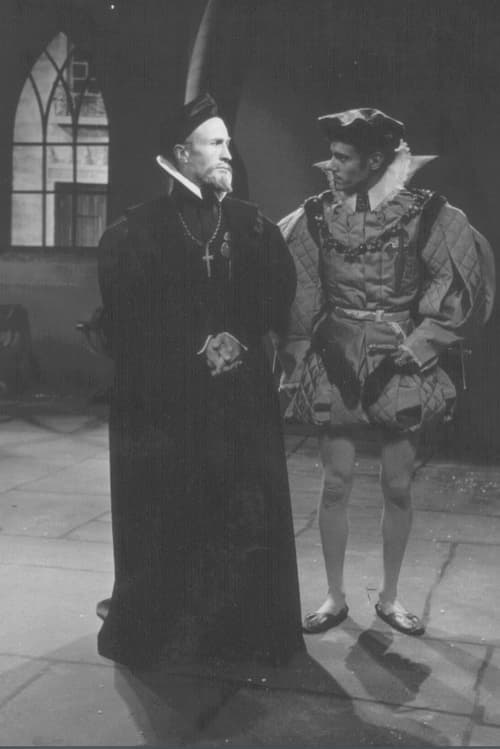
Theatre 625 is a British television drama anthology series, produced by the BBC and transmitted on BBC2 from 1964 to 1968. It was one of the first regular programmes in the line-up of the channel, and the title referred to its production and transmission being in the higher-definition 625-line format, which only BBC2 used at the time.
Theatre 625

Folio, a precursor to CBC's renowned fine-arts series Festival, aired for four years starting in 1956. The series showcased original dramas, music compositions, and ballets, many originating from diverse regions across Canada. Notable episodes featured Barry Morse in a new staging of MacBeth, along with performances by Canadian talents like Robert Goulet and Sharon Acker. One of the highlights included a musical adaptation of the beloved Canadian classic, Anne of Green Gables. Airing without sponsorship, Folio thrived until its conclusion in the fall of 1960. Producers: Robert Allen, Harvey Hart, David Greene, Mario Prizek and Ronald Weyman.
Folio

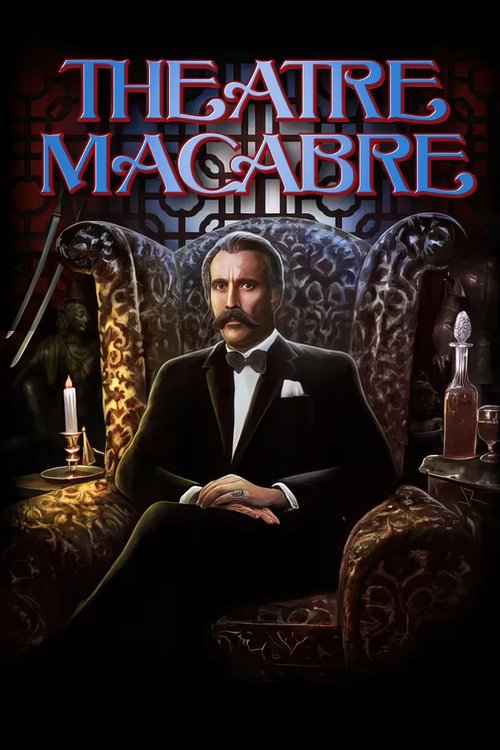
Christopher Lee hosts this horror anthology series from Poland with stories from various classic authors.
Theatre Macabre

This wonderful story happened in the age of valiant knights, beautiful princesses, and battling sorcerers. Ruslan, a wandering artist dreaming to become a knight, met beautiful Mila and fell in love with her; he didn’t even suspect that she is the King’s daughter. However, the lovers’ happiness wasn’t meant to last too long. Chernomor, the evil sorcerer, appeared in a magic vortex and stole Mila right before Ruslan’s eyes to transform her power of love into his own magic power. Without further ado, Ruslan sets out on a chase after the stolen princess to overcome all obstacles and to prove that real love is stronger than magic.
The Stolen Princess

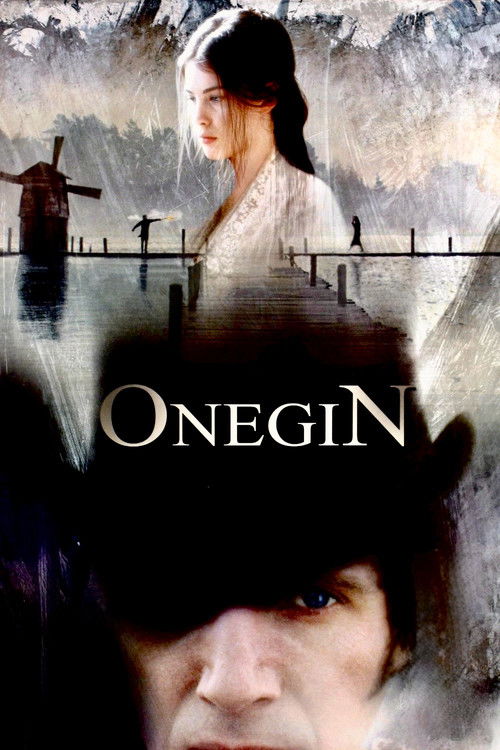
A virtuous and passionate girl falls in love with a cynical but a dashing aristocrat.
Onegin

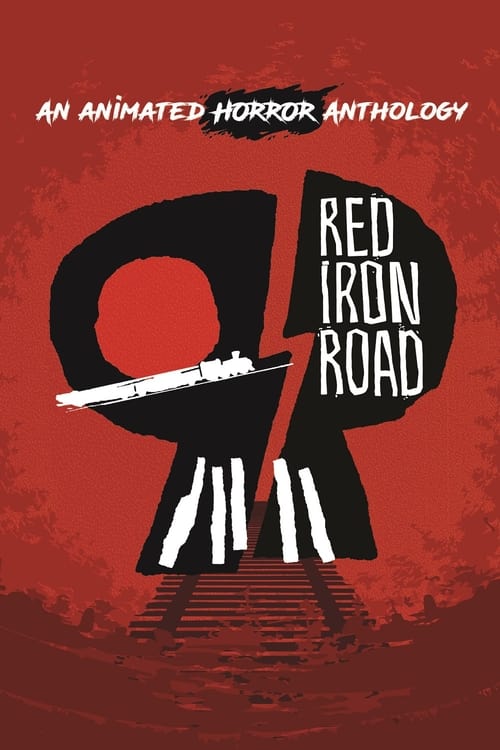
Red Iron Road is an animated horror anthology series, based on the works of famous European authors. Each of the episodes are between 10-20 minutes, produced with different creative partners in unique visual styles to suit each story.
Red Iron Road

A young and fiercely independent woman, Carmen, is forced to flee her home in the Mexican desert following the brutal murder of her mother. She survives an illegal border crossing into the US, only to be confronted by a lawless volunteer border guard. When the border guard and his patrol partner Aidan become embroiled in a deadly standoff, the pair is forced to escape together.
Carmen

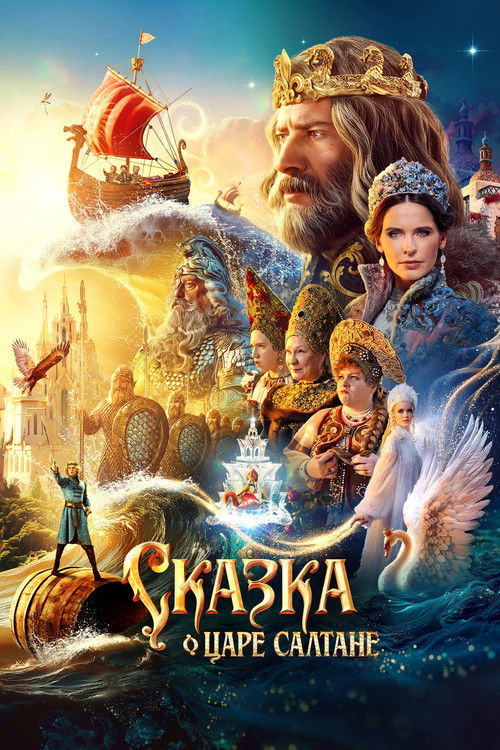
One dark winter evening, the young tsar Saltan was lucky enough to find himself a tsarina from a simple Russian family. He was so impressed by the speech of the young charmer that he married her the same evening, and took her two sisters with him to the palace as servants. However, the treacherous girls do not share the happiness of their luckier sister and begin to plot. Saltan leaves for a long military campaign, during which the young queen gives birth to his son. The evil sisters write a dispatch to the tsar, where they brazenly lie about the child: they say, the queen gave birth to someone unknown, "neither a son nor a daughter." Saltan is upset, but orders to wait until his return. The sisters substitute the letter, and as a result, the girl and her son are sealed in a wooden barrel and thrown into the ocean in the best sadistic traditions.
The Tale of Tsar Saltan

In the midst of the wedding party of Prince Ruslan and Ludmila, daughter of Prince Vladimir, the girl is kidnapped by the evil sorcerer Chernomor and the witch Naina. Three of her past suitors set out, as does Ruslan, to rescue Ludmila.
Ruslan and Ludmila

How far can a man overcome by a destructive passion go? And does he realize that slavish worship of irrepressible desires always entails retribution?
Little Tragedies

Vladimir Dubrovsky returns from St. Petersburg to his family estate, where he finds his father dying and learns that all his lands and serfs have been fraudulently taken by the owner of a neighboring estate. Having organized a detachment of peasants who refused to obey the new owner, our hero intends to restore justice and take revenge on his offender.
Dubrovsky

Study of a man obsessively seeking revenge.
Wystrzał

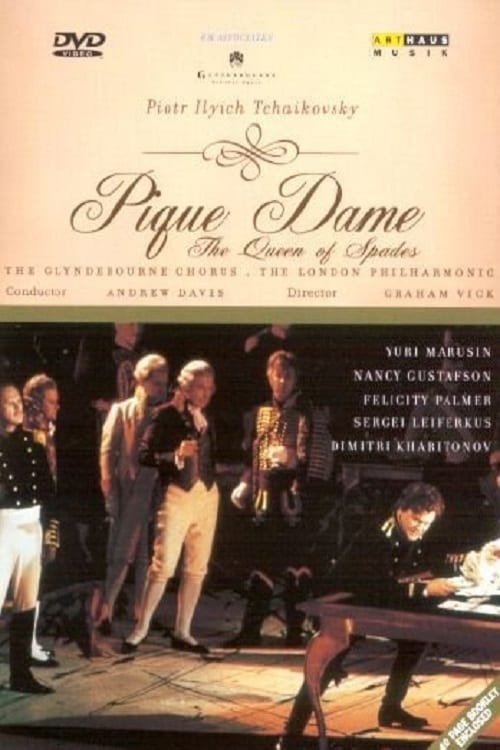
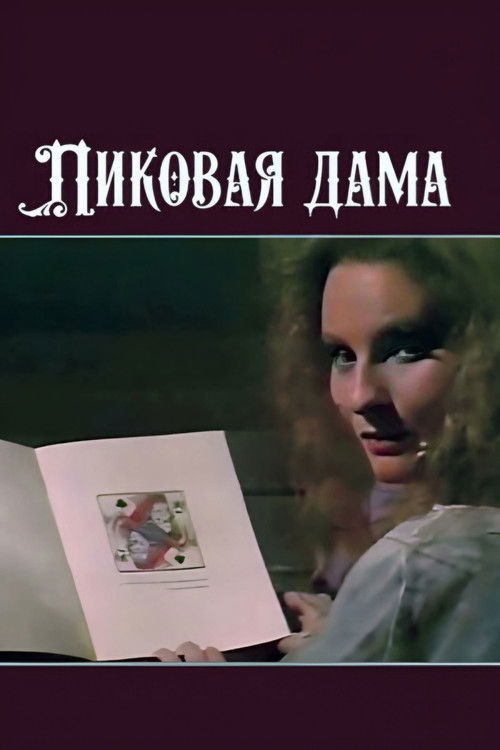
Hermann is an officer of the engineers in the Imperial Russian Army. He constantly watches the other officers gamble, but never plays himself. One night, Tomsky tells a story about his grandmother, an elderly countess. Many years ago, in France, she lost a fortune at cards, and then won it back with the secret of the three winning cards, which she learned from the notorious Count of St. Germain. Hermann becomes obsessed with obtaining the secret.
The Queen of Spades

Italian miniseries based upon the novel by Alexander Pushkin.
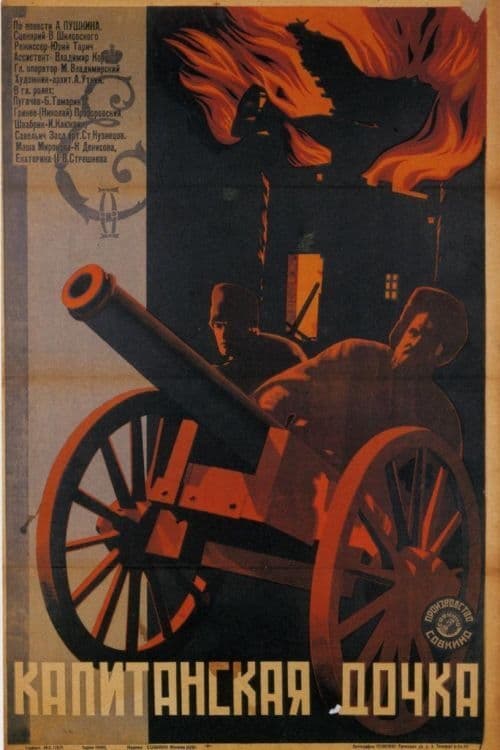
The Captain's Daughter

Laila is an innocent Lappish girl and the only daughter of a reindeer herder. During World War II, Laila rescues a crashed German fighter pilot, Hans, and the two develop warm feelings for each other during his convalescence. Years later, after the war, Hans returns to Lapland as a freelance photographer and manages to lure Laila to run away with him to the capital, Helsinki, to start a career as a photo model, much to the chagrin of her traditional father, Aslak. After initial happiness, however, Hans abandons Laila, and the decadent lifestyle of a big city sends her life into a downward spiral.
Sensuela

The daughter of a lighthouse keeper runs away with a shipwrecked businessman to the city. But instead of her dreams, she ends up selling herself in the streets, until a painter finds her as an ideal model for his next painting. In English known as Cross of Love.
Rakkauden risti

A mostly lost Soviet Union stop-motion version of this classic fairytale. The only surviving scene is called "Market".
The Tale of the Priest and of His Workman Balda

Tale - this is what is everyone from childhood. Give yourself a chance to once again return to the magical world created by Alexander Pushkin. Adventures brave Tsarevich Guidon, beautiful Swan-Tsar Saltan reminded of that love, loyalty and the spirit always wins!
The Tale of Tsar Saltan

A young officer in the army of Empress Catherine of Russia is on his way to his new duty station at a remote outpost. During a blinding snowstorm he comes upon a stranger who was caught in the storm and is near death from freezing. He rescues the man and eventually brings him back to health. When the man is well enough to travel, the two part company and the man vows to repay the officer for saving his life. Soon after he arrives at his new post, a revolt by the local Cossacks breaks out and the fort is besieged by the rebels. The young officer is astonished to find out that the leader of the rebellious Cossacks is none other than the stranger whose life he had saved during the storm.
Tempest

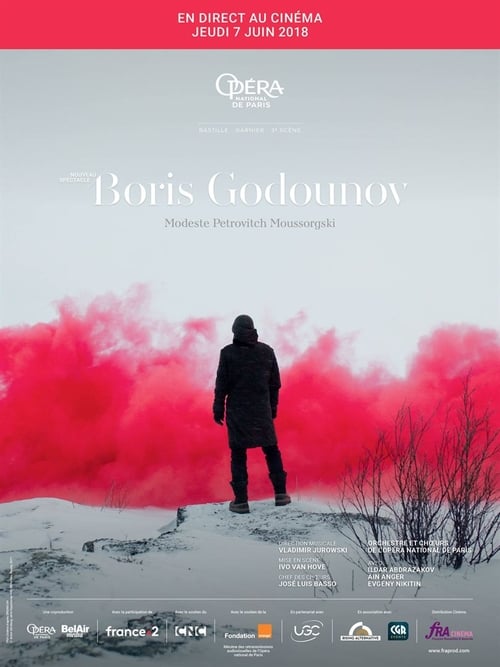
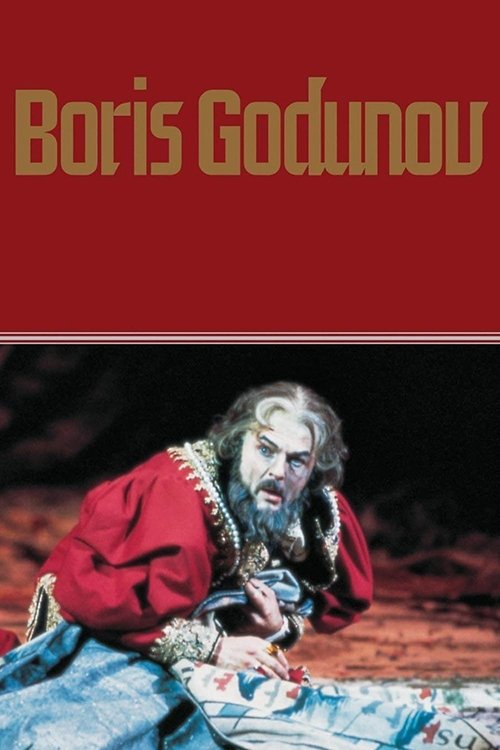
Praised for its fine photography and production design if not its narrative, Sergei Bondarchuk directed this adaptation of the tale by Alexander Pushkin. Boris Godunov came to the Czarist throne at the end of the 16th century, after the original heir to Ivan the Terrible had died. At first, things went well for Godunov (played by Bondarchuk), but when the Russian people began to believe he had killed Ivan the Terrible's son in order to gain the throne, an alliance sprang up against the new Czar. Events continued to spin out of control as a young monk was presented as the son Godunov had supposedly killed. Now he was openly accused of failing an assassination attempt, which seems to be even worse than succeeding. In addition to these woes, Boris Godunov began to suffer serious health problems. So much for the joys of kingship.