Writing
Aucune description disponible.
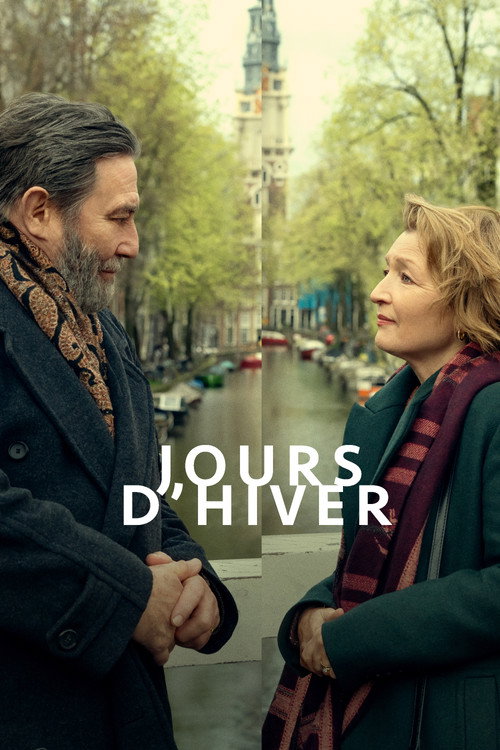
Stella et Gerry, un couple de retraités de longue date, se rendent compte, alors qu'ils sont en vacances à Amsterdam, que leur relation est arrivée à un tournant. Après tant d'années et tant de souvenirs, des promesses faites depuis longtemps et des blessures profondément enfouies menacent de refaire surface et les obligent à faire face à leur avenir.
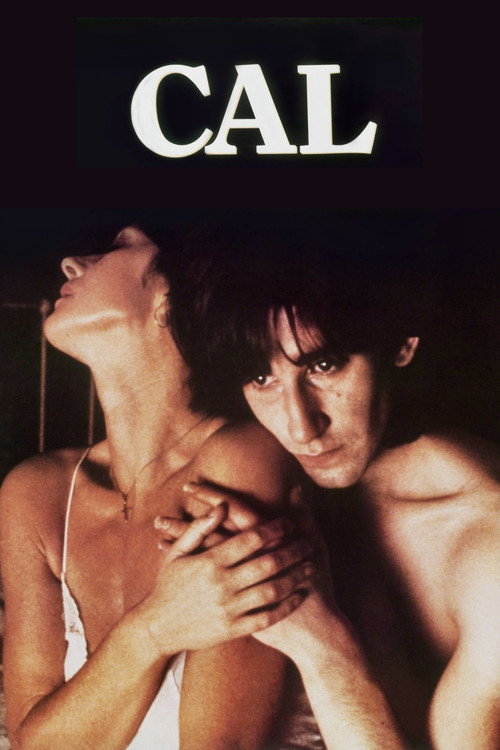
Cal est un jeune catholique de dix-neuf ans qui vit en Irlande du Nord. Il a participé à des actions terroristes de l'IRA, notamment à celle où fut tué Morton, un policier. Il est très attiré par Marcella, la veuve de ce dernier. Très vite l'amitié fait place à l'amour. L'IRA contacte à nouveau Cal mais la police en est bientôt informée...
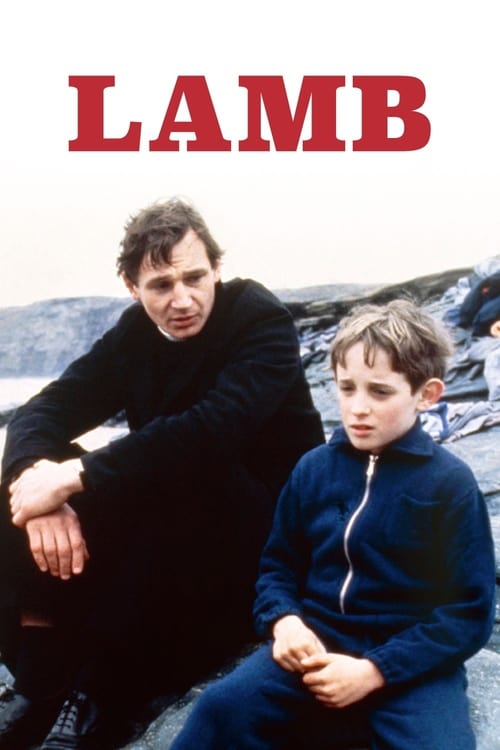
Michael Lamb est un père qui remet en question sa vocation, dans une école réformée en Irlande. Lorsque le jeune fugueur épileptique Eoin est envoyé à l'école, les deux reconnaissent des âmes sœurs et s'enfuient ensemble à Londres. Avec la police à ses trousses et l'argent qui s'épuise, Lamb est obligé de prendre de terribles décisions.
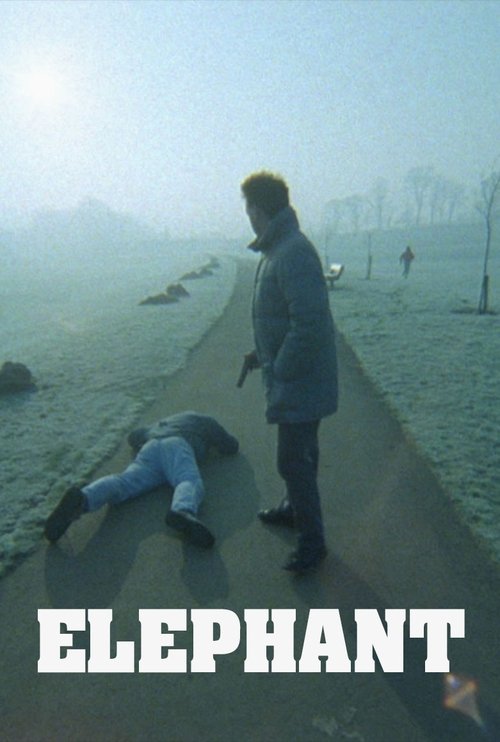
Représentation, sans dialogues ni explications, de 18 meurtres particulièrement violents commis en Irlande du Nord.