Writing
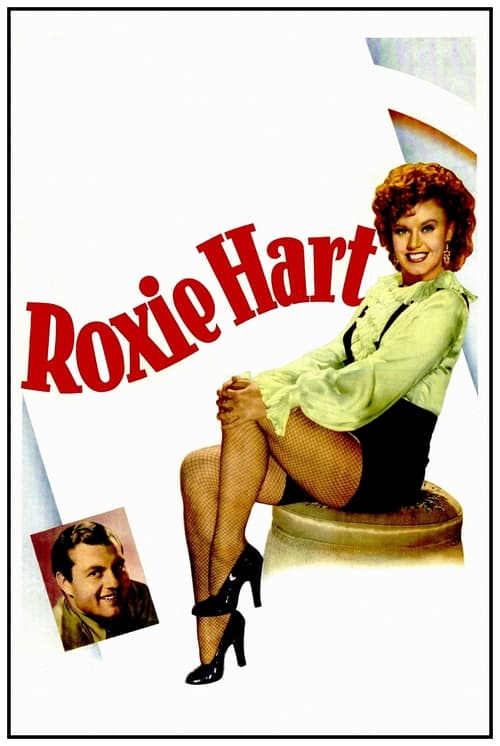
A café in Chicago, 1942. On a rainy night, veteran reporter Homer Howard tells an increasing audience the story of Roxie Hart and the crime she was judged for in 1927.
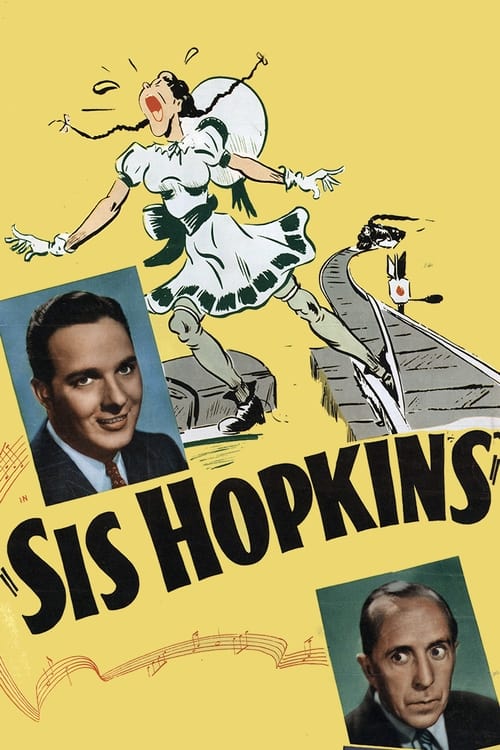
An unsophisticated farm girl enrolls in college and stars in the campus musical.
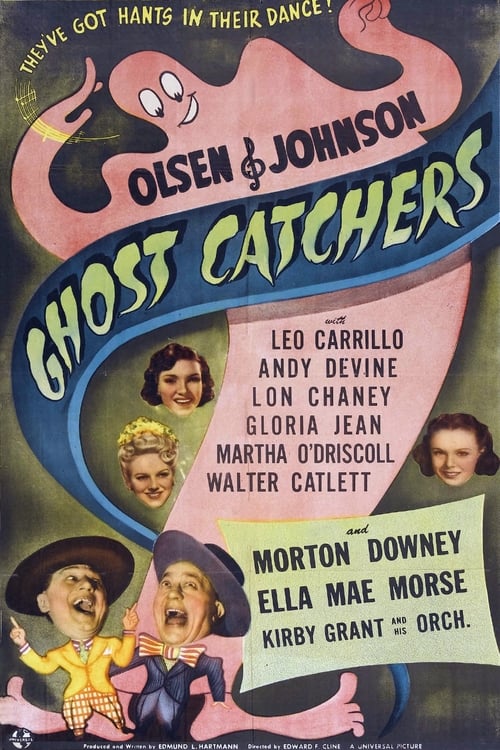
Two zanies get mixed up with a Southern colonel, his beautiful daughters, a nightclub and a haunted mansion.
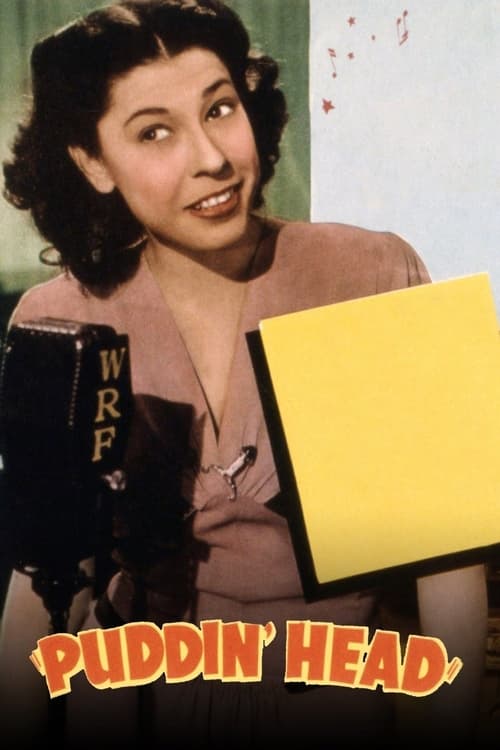
On the day that United Broadcasting System's new building is dedicated, bumbling vice-president Harold L. Montgomery, Sr. discovers that he gave the wrong survey to the builders...
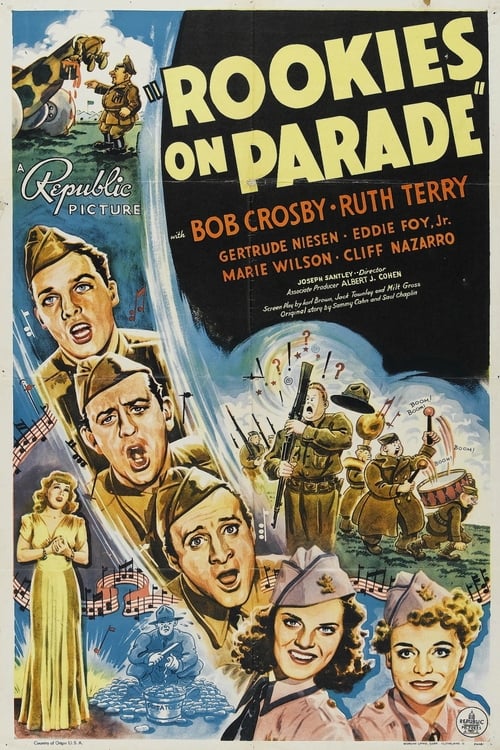
The story details the misadventures of two itinerant songwriters named Duke (Crosby) and Cliff (Foy) as they try to survive Army boot camp. Intending to boost the morale of their fellow draftees, our heroes stage a big musical show, which they eventually hope will graduate to Broadway.
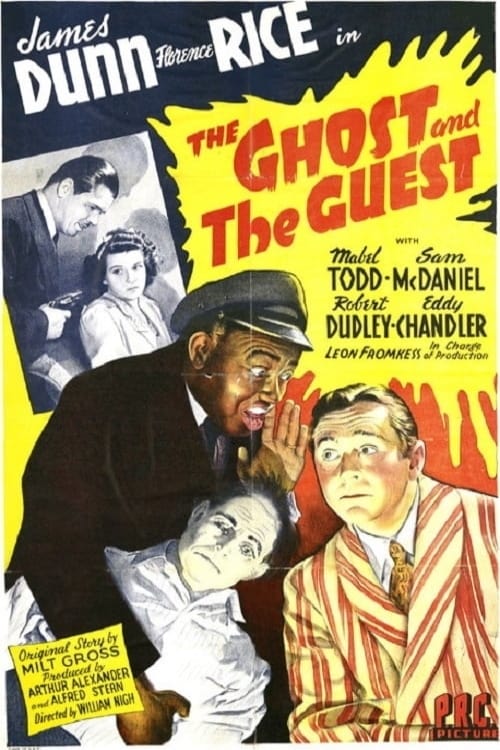
Newlyweds Webster and Jackie Frye spend their honeymoon in a sinister old country house. Before long, they are besieged by a gang of crooks, searching for a fortune in diamonds. With the help of chauffeur Harmony Jones, the honeymooners attempt to outsmart the villains.
Count Screwloose and J.R. the Wonder Dog share a house. Screwloose hogs all the pancakes at breakfast, so to get even, the dog pastes a picture of a pretty woman over the hag advertising for a husband. Screwloose answers the ad, and soon finds himself chased by the spinster, who keeps telling the minister to wait. They finally get married, and the dog thinks he's going to get a meal to himself when the Screwloose family, including all the kids, moves in.
An anti-Hitler cartoon. While the soundtrack survives in full, the animation is partly lost.
Two thugs from The Citizens' Fair Play Committee arrive to see that Screwloose's amateur talent show is run on the level.
Short film about eye sight
In Happy-Go-Luckies a pair of ukulele-strumming railroad hoboes fake their way into a dog show and make off with the prize loot. “Two heads are better than one” is the moral. To modern eyes, our trickster duo may look like two dogs—in the show they pretend to be one long dog—but audiences of the ’20s would have recognized a dog-and-cat team. The black body, white face, and sharp ears would have been most familiar from the greatest jazz-era trickster cat, Felix. Dogs and cats—much easier to animate than humans—were everywhere in silent cartoons. Terry, like most early film animators, had begun as a newspaper cartoonist, and his first strip, working with his brother as a teenager for the San Francisco Call, was about the adventures of a dog named Alonzo.