Directing
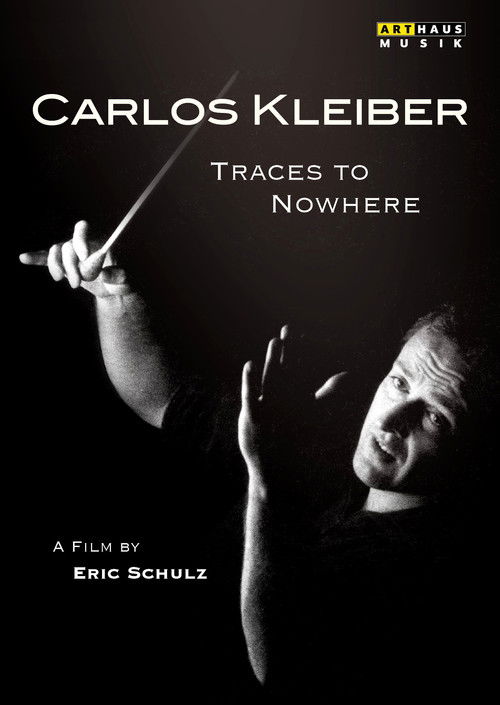
A documentary about the life and career of the conductor Carlos Kleiber. Featuring interviews with Placido Domingo, Brigitte Fassbaender, Manfred Honeck, Michael Gielen, and others. On the 11th July 2004 Carlos Kleiber got into his car and drove from Munich, via the Alps, to his holiday home in the remote Slovenian village of Konjsica. There he wrote a final letter to a friend in which he bid farewell to the world. A short time later the conductor, increasingly plagued by illness and suffering, was found dead.
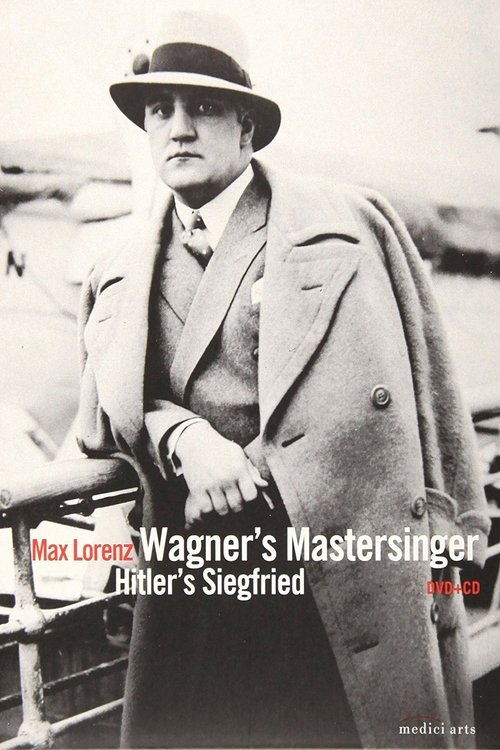
The singer Max Lorenz was Hitler's favourite tenor: married to a Jewess, he was also homosexual. The biography of this outstanding Wagner singer is also closely bound up with the story of Haus Wahnfried in Bayreuth.
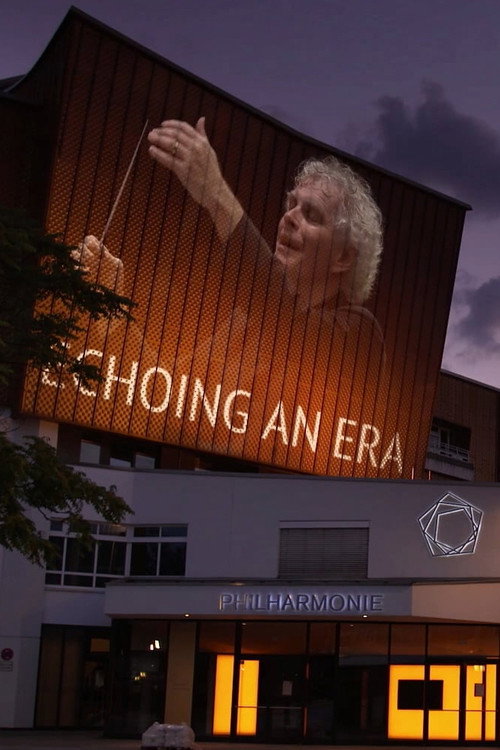
Sir Simon Rattle was chief conductor of the Berliner Philharmoniker for 16 years, and the length of this time alone gives his tenure the feeling of an “era”. But also in a qualitative sense, this was a special chapter in the history of the orchestra. This is shown in Eric Schulz’s documentary, which traces the many highlights and achievements of Sir Simon’s Berlin years in interviews, concert excerpts and archive material. The relationship between upholding tradition and innovation is just as much a theme of this documentary as the collaboration between the conductor with his creative powers and his self-assured orchestra. And this much is certain: the fact that the British conductor quickly became one of the most recognizable faces of the Berliner Philharmoniker and the city of Berlin itself means that for them, the Rattle era will remain in the memory for many years to come.
“What remains of Karajan?” asks the award-winning documentary film maker Eric Schulz. In his film Karajan – The Second Life, he explores the man and the musician – and especially his media legacy. We discover the conditions under which the technology enthusiast Karajan created his countless recordings and how these documents can help us to understand the phenomenon that is Karajan.
Director Eric Schulz presents a four-part introduction to Wagner's tetralogy Der Ring des Nibelungen – arguably the most monumental single work in the history of western music. With extracts from several famous productions and contributions from leading musicologists and musicians – including conductor Christian Thielemann – Schulz explores the multiple levels of this extraordinary work, addressing each of its constituent operas in turn.
No description available.