
Maria Gładkowska
Acting
Known For

The Ten Commandments, exact and uncompromising, literally cast in stone, continues to provide a source of moral conflict in contemporary society. In the ten part epic masterpiece, The Decalogue, Krzysztof Kieslowski examines the dilemma of fundamental sin in the lives of ordinary Warsaw citizens.
Dekalog
No description available.
Czułość i kłamstwa
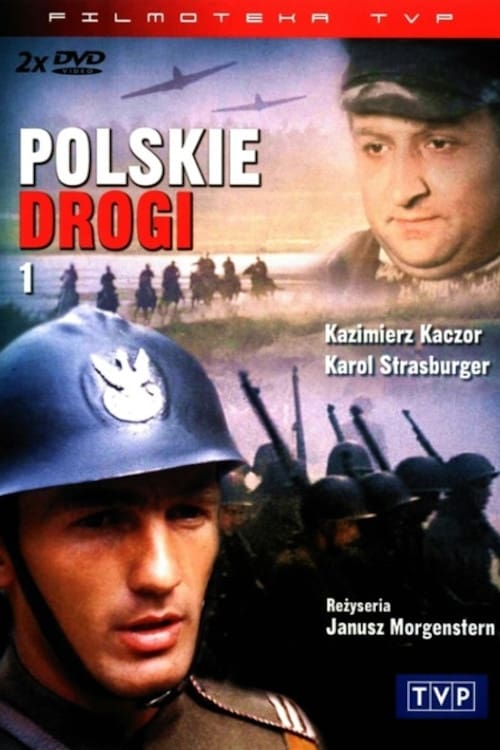
An epic, multi-threaded story about the fate of Poles during World War II. "Czas pogardy" was shown primarily from the perspective of two main characters - Lieutenant Władysław Niwiński and Leon Kuraś - a petty crook, but not without heroic traits. The authors of the series sought to show, in particular, everyday life under Nazi occupation in Poland.
Polskie drogi
No description available.
Archiwista
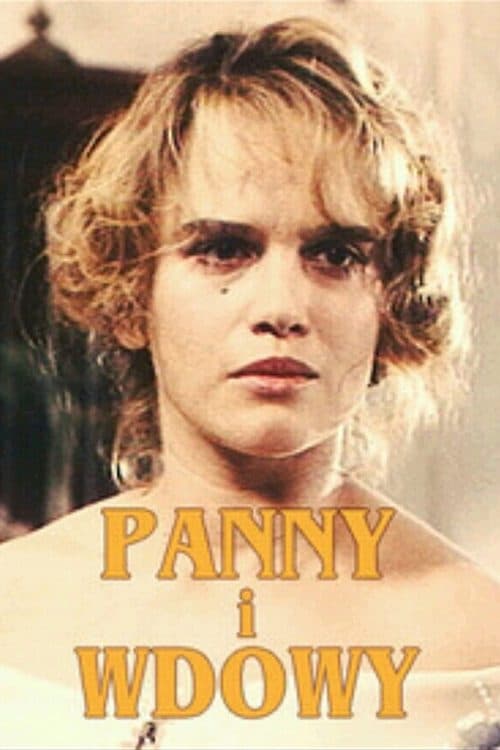
An epic tale of a hundred years of Polish history from the perspective of women, the titular maidens and widows. Set against the backdrop of turbulent historical events.
Panny i wdowy
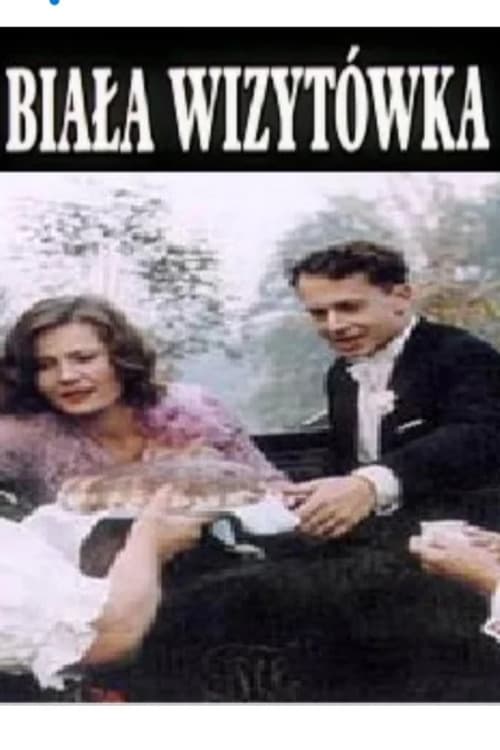
The series evokes the events of 1900-35 - from the reign of Emperor Wilhelm II, through World War I, the birth of the Independent Poland, the Silesian Uprisings, to the increasingly turbulent period of the rising tide of fascism. The action takes place mainly in the palace of the Dukes of Pszczyna, where the last great descendant of the von Teuss family resides. Prince Hans Fredrich marries the beautiful Englishwoman, Princess Daisy, and has three sons with her. Their fate, the choice of completely different life paths and even different nationalities reflect the enormously complicated mutual relations between the Polish and German elements in the border areas.
Biała wizytówka
No description available.
Uwikłani

Adaptation of the once very loud, today somewhat forgotten book of Jaroslaw Iwaszkiewicz . "Fame and Glory" is the most extensive novel by the author of "Brzezina". Written with epic panache, it outlines the history of the Polish intelligentsia from "the first days of July 1914" to the fall of 1947. It is also an epitaph for the spiritual face of Polish culture, and a little bit European, shaped in the nineteenth century.
Glory and Glory
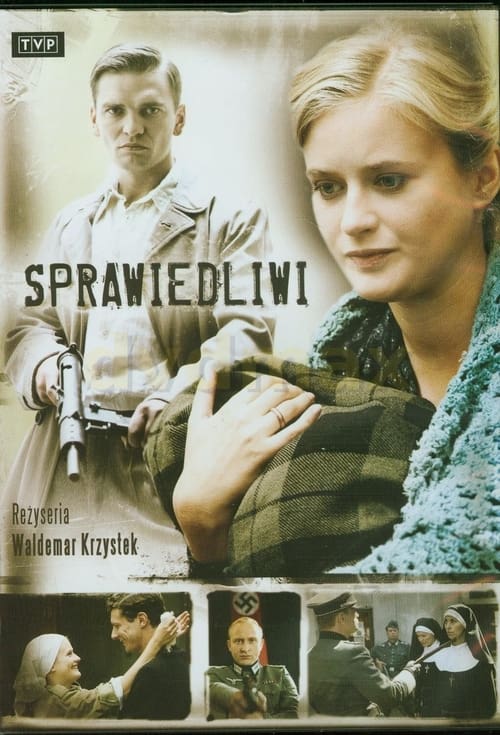
Basia and Stefan are a young married couple during World War II who risk their lives to bring aid to Jews. He is an architect, she a nurse--a member of "Zegota" (the Polish underground organization to aid Jews in occupied Poland which operated under the auspices of the Polish government in exile). The series takes place both during the war and in the present day. Basia and Stefan meet accidentally, fall in love, and marry. Basia is active with the underground from the beginning of the war; Stefan is not, but a family tragedy changes his attitude.
The Righteous
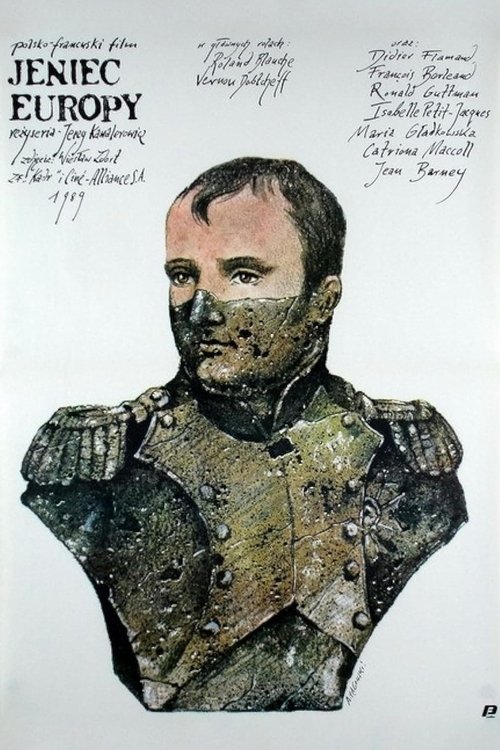
On the island of Saint Helena, a prisoner Napoleon resisted allies who, through the voice of the English governor, Hudson Lowe, tried to humiliate him, break him, poison him in the figurative sense of the word, and perhaps literally.
The Hostage of Europe
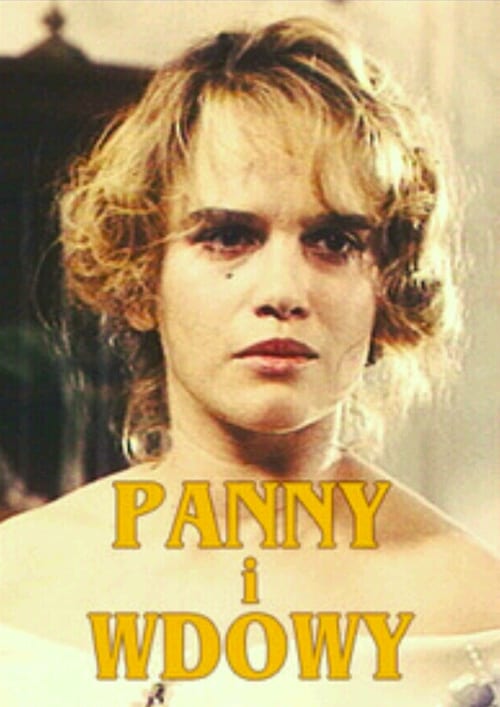
Maidens and Widows is an epic tale of a hundred years of Polish history from the perspective of women, the titular maidens and widows. Set against the backdrop of turbulent historical events.
Panny i wdowy

Krzysztof, a semantics professor and computer hobbyist, is raising his young son, Paweł, to look to science for answers, while Irena, Paweł’s aunt, lives a life rooted in faith. Over the course of one day, both adults are forced to question their belief systems.
Decalogue I
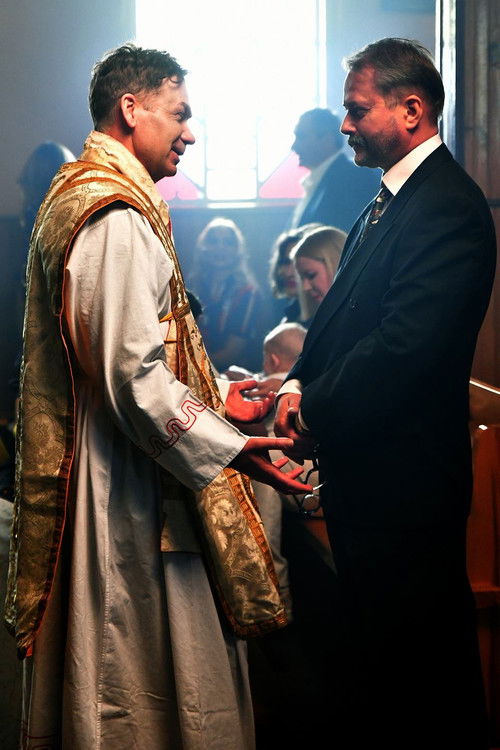
In 2011, a psychiatric patient is visited by a postulate. The patient is a retired head of the "D" Group – a secret department of the Security Service to fight against the Polish Catholic church. Murders, beatings, blackmails, provocations, robberies, those are standard methods of operation for its officers. The postulate wants to unravel the mystery of the death of priest Roman Kotlarz, a parish priest from Pelagow.
Clergyman

The biography of world famous Polish composer Fryderyk Chopin.
Chopin: Desire for Love
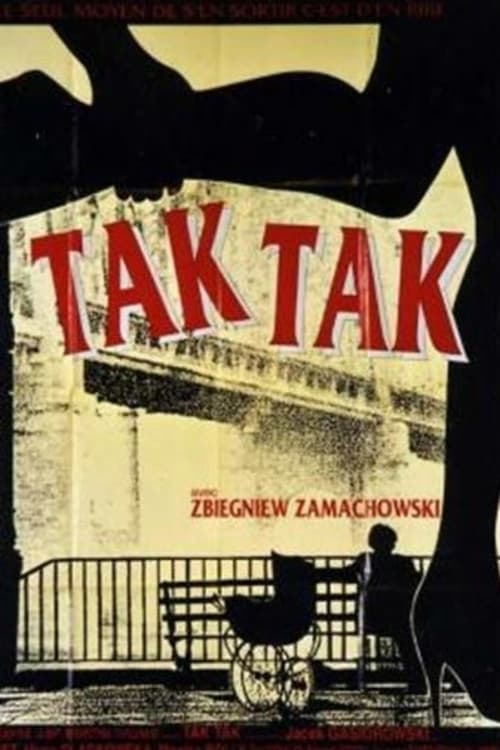
Set in Poland in the 1970s, the main character half-heartedly goes about his job as a censor at the state run television station, whilst conducting affairs with nurses, airline pilots, etc. Interesting scene where main character must illegally emigrate to his own country.
Yes, Yes

The wedding of Kornel, a young, well known TV scientist, to the famous singer, Alicja, is to be the social event of the year. In the suburban reception hall, the final preperations are being made. The waiter, Tytus, who is somewhat touchy having just found out he is to become a father, lays out the cutlery on the tables.
Testosteron
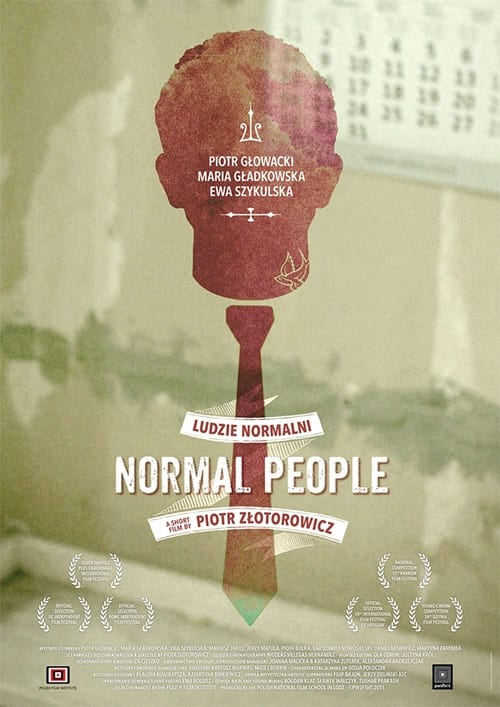
Daniel has just been released from prison and is trying to make a new life for himself. Between taking care of his alcoholic mother and finding a job, he might be able to find some happiness and normalcy in a new relationship.
Normal People

Mateusz, Igor, Marlon, and Paulina attend the same high school. After returning from Budapest, Mateusz learns that one of his classmates, a boy named Bąbel, has hanged himself on the school playground. Distraught by the tragedy of his friend, he decides to conduct his own investigation into his death. Igor, who found Bąbel's body, knows what happened but is afraid to speak up. The same is true of other students, and even teachers, who are mainly preoccupied with their own personal problems. He sees his last chance in a conversation with Paulina, who is in love with him, but the girl leaves him alone in his fight to find out the truth.
Bitter-Sweet
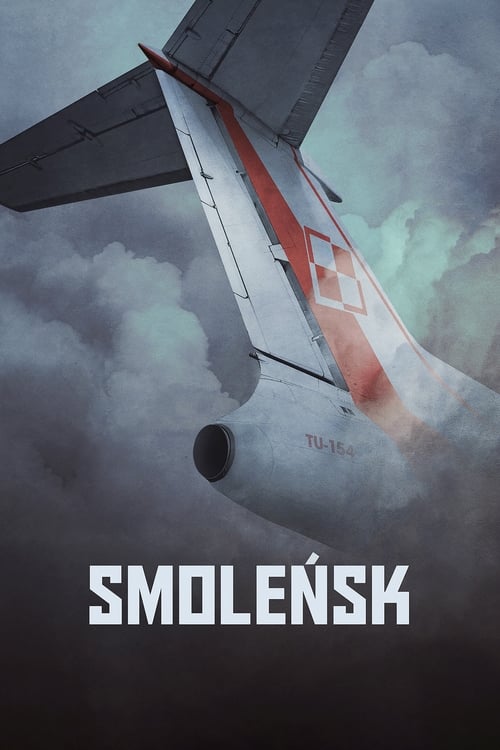
Inspired by true events of 2010 Polish Air Force Tu-154 crash in Smolensk, the film tells the partially fictional story of crash and various people affected by the tragedy. The protagonist is a journalist Nina, who refuses to accept the official version of the story and pursues her own independent investigation.
Smolensk

35-year-old Michal has a beautiful wife Anna and daughter Justine. It does not bother him, however, fall in love with a sensual and rebellious Carolina. The man did not want a divorce, but it also wants to opt out of a new passion. The situation is complicated, however, when a lover makes him an ultimatum.