Acting
No description available.
Performance at the Maly Theater from the novel by the Russian writer Fyodor Mikhailovich Dostoyevsky.
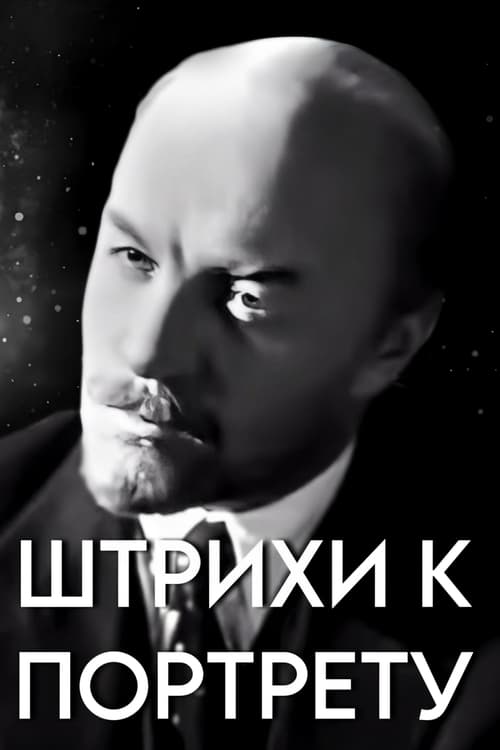
Life and works of V.I. Lenin during the difficult period for the country of 1918.
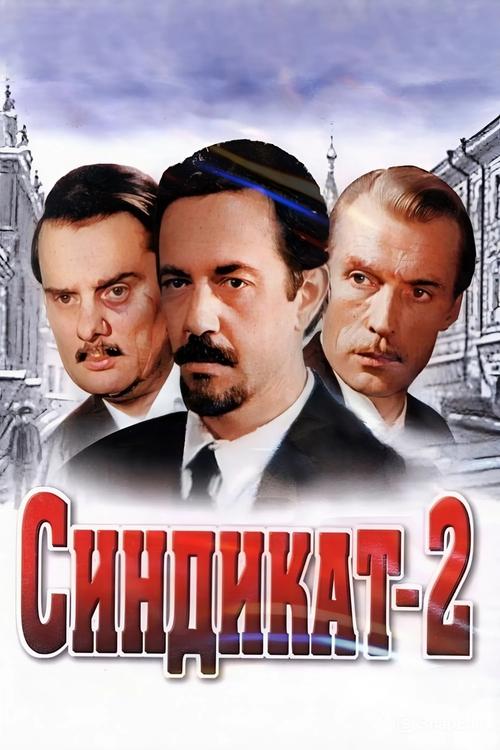
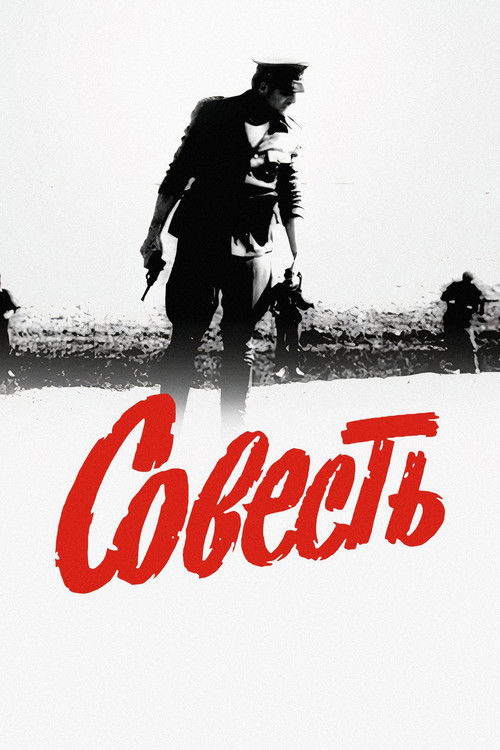
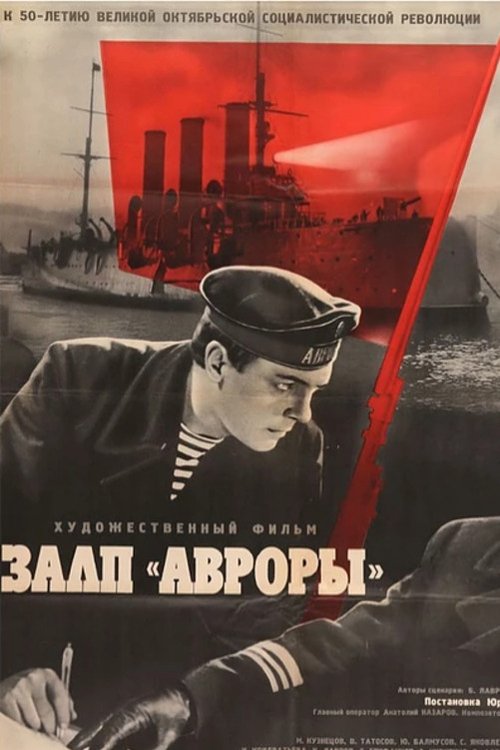
A miniseries about the Cheka's destruction of an underground organization led by Boris Savinkov.
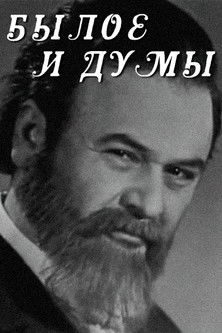
Based on the eponymous novel by A.I. Herzen.
A staging of the play of the same name at the State Academic Maly Theater of the USSR.
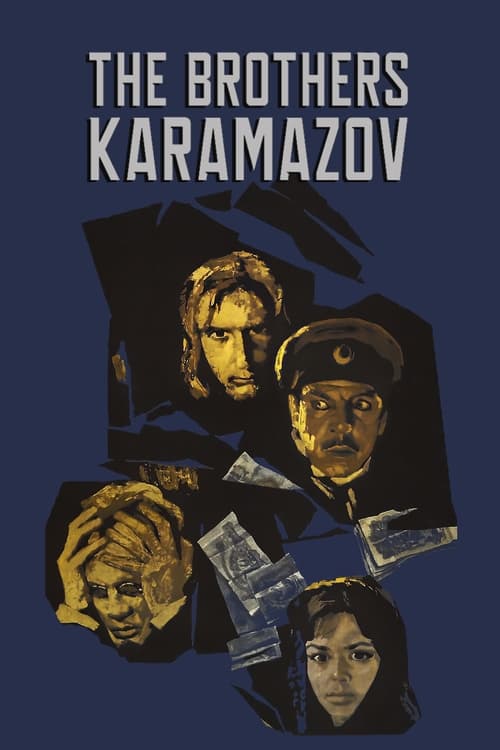
The tragic story of the Karamazov family takes place in a Russian province in the late 19th century. The relations of their father and three brothers are very complicated and contradictory. One of the brothers is accused of killing his father, whom he did not commit. The brothers are unable to help him, and only a loving girl follows him to hard labour.
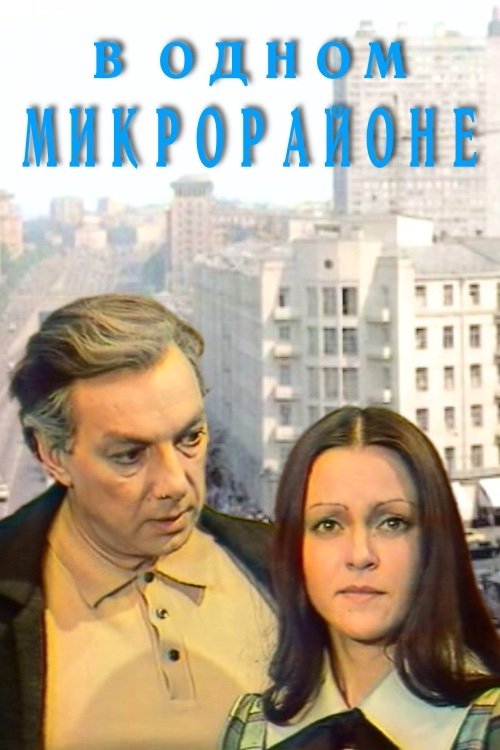
A new Soviet life is emerging in a new Moscow microdistrict. New people, new families, new neighbors. The elevator is not yet working, or is no longer working due to constant overload due to transporting furniture. Neighbors are just getting to know each other, getting to know each other, and gradually the lives of different families imperceptibly begin to intersect.
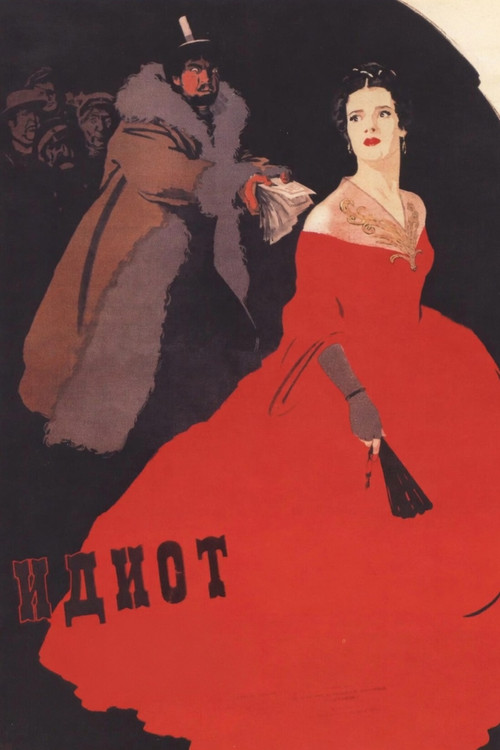
Prince Myshkin returns to Russia from Switzerland, where he was treated in a psychiatric clinic. On the train, on the way to St. Petersburg, the prince meets Parfyon Rogozhin, who tells him of his passionate love for Nastasya Filippovna, the former containment woman of the millionaire Totsky. In St. Petersburg, the prince finds himself in the house of his distant relative – Lizaveta Yepanchina (General's wife), meets her husband, their daughters, as well as the Secretary of General – Ganya Ivolgin. The portrait of Nastasya Filippovna, accidentally seen on the general’s table, makes a great impression on the prince...
A film-play produced by the State Academic Maly Theatre based on the play of the same name by Alexander Nikolaevich Ostrovsky. A drama about the 'little man,' weak and kind, drowning in the depths of the sea of life.
Peer Gynt grew up a handsome guy, girls peered at him, and he dreamed of becoming a king and getting rich. He went to the wedding and there he saw the girl Solveig. Peer got drunk, quarreled with the guests and went into the mountains, where he met a troll maiden. Peer wanted to marry her and become a king, but the troll king explained that for this you need to become a troll and live according to their customs. Peer managed to escape, and he sailed on the ship. For many years he swam and accumulated wealth. And when he returned to his native coast in a storm, the ship sank with all the load.
Andrey Pavlovich Buzykin, who makes a living by teaching at an institute and translating English literature, is cheating on his wife. Buzykin's main problem is that he's a kind man with a weak character. The lies he is telling his wife all the time are inconvincing, but he never has the courage to tell her the truth. His lover, Alla, is aware of his family life, but gets offended when, for example, he cannot meet her so that he doesn't come home late, or when he doesn't want to go home in a new jacket she gives him to avoid having to explain to his wife. Alla and Nina, Andrei's wife, both leave him, forgive him, and return to him at the same time, and Andrei continues with this kind of life, full of suffering and deceit. Finally, both women are so fed up with his lies that they don't believe him even when he is telling the truth...
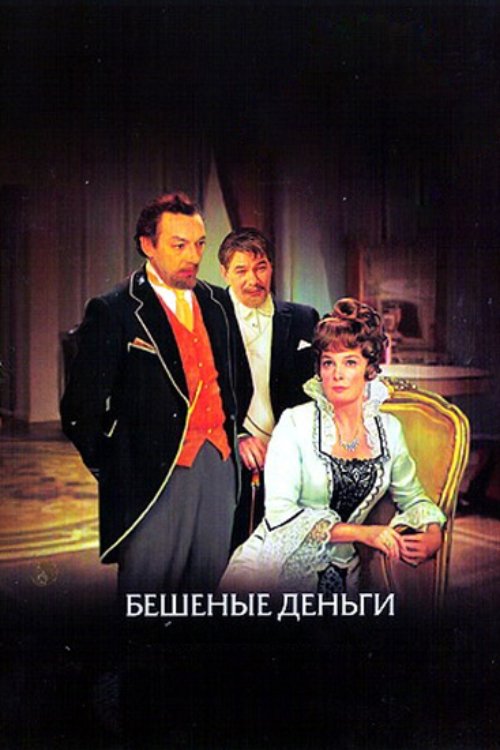
A story about the morals of 19th-century Russian nobility resonates in a striking way with the realities and ethical values of our own time. Emotions are paid for with money — money that is ruthless and destructive. A timely tale of a “spiritually impoverished” man of great wealth, confident in his power and certain of how to achieve his goals.
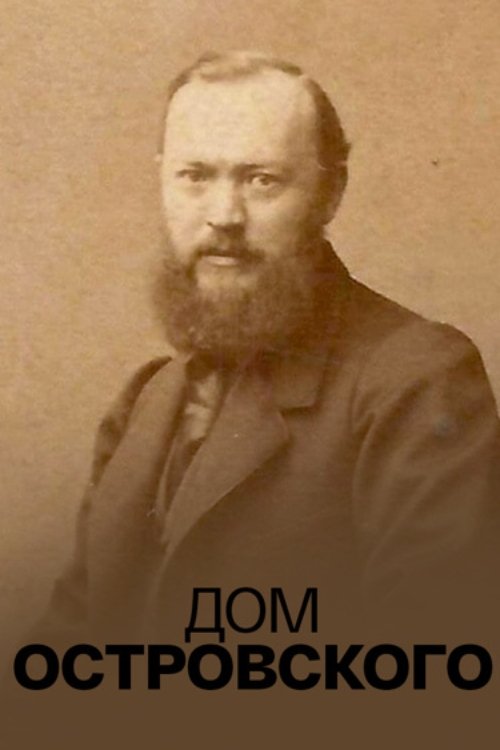
A production of the State Academic Maly Theater. The film, dedicated to the memory of Alexander Nikolayevich Ostrovsky, includes fragments of plays based on the playwright's plays: "We'll settle accounts with our own people", "Thunderstorm", "Wolves and Sheep", "The Abyss", "The Snow Maiden", "The Heart is not a Stone", "It Shines but Doesn't Warm", "Mad Money", "The Truth is Good, but Happiness is Better", and "It's not all for naught".
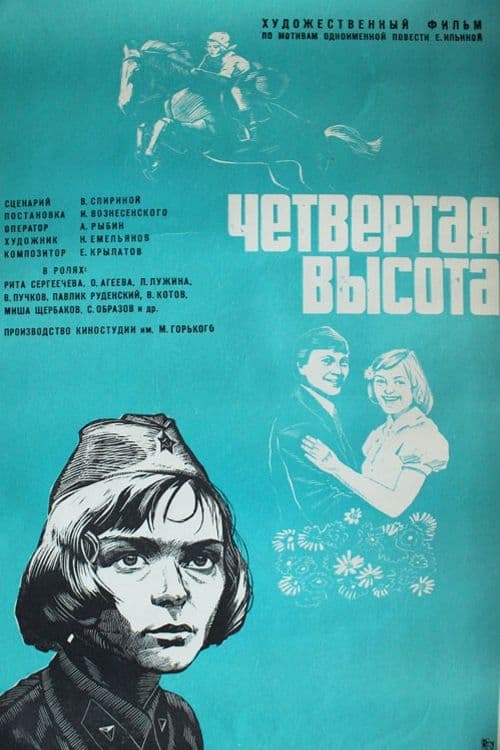
Real story of the young legendary actress of Soviet cinema Gulya Korolyova, who started acting in films at the age of four. In May 1942, having barely finished school, Gulya voluntarily went to the front and soon died heroically in a battle near Stalingrad.
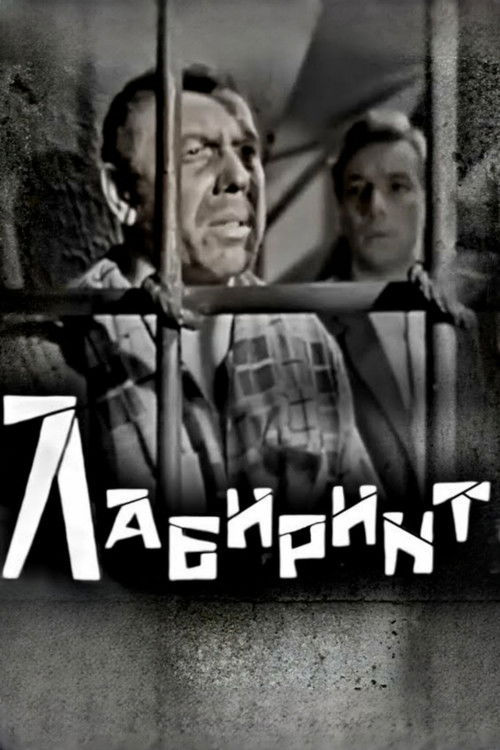
Police are detaining an opposition newspaper journalist on suspicion of murder. The prosecution's evidence is scanty and fragile. But a dirty political fuss has developed around this case. The fate and life of a person become the stake in the struggle for power.