Radu Jude
Directing
Biography
Radu Jude is a Romanian film director and screenwriter born in Bucharest in 1977, known for his complex, often political, and anarchic films that explore historical memory, labor, and contemporary society. After graduating from film school, he worked as an assistant director and gained recognition for award-winning short films before directing his feature debut, The Happiest Girl in the World (2009). His work, which blends fact and fiction, uses found footage and contemporary culture, like TikTok, to offer scathing social commentary, earning him major awards from festivals such as Berlin and Sundance.
Known For

No description available.
Kulturzeit

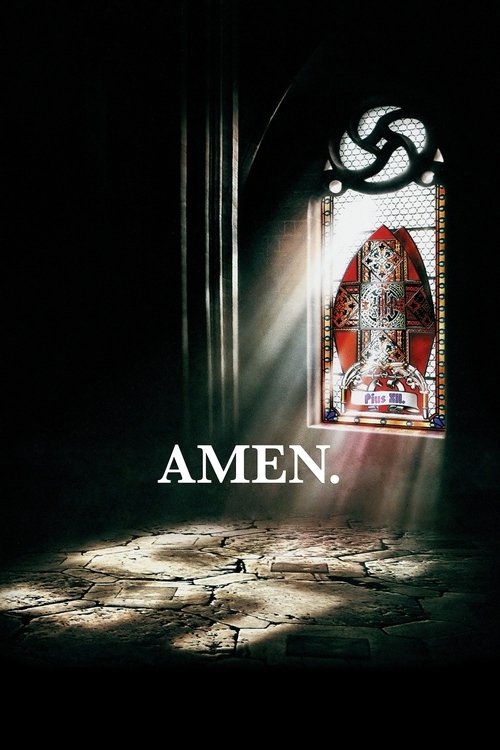
Kurt Gerstein—a member of the Institute for Hygiene of the Waffen-SS—is appalled to discover that a poison gas he helped discover is being used to kill Jews. Driven by his conscience to alert the rest of the world, Gerstein teams up with a young Jesuit priest, Riccardo Fontana, but their protestations fall on deaf ears in the Vatican.
Amen.

On behalf of a multinational company, a production assistant drives around the Romanian city of Bucharest, interviewing various citizens who have been injured due to work accidents to cast one of them in a “safety at work” video.
Do Not Expect Too Much from the End of the World

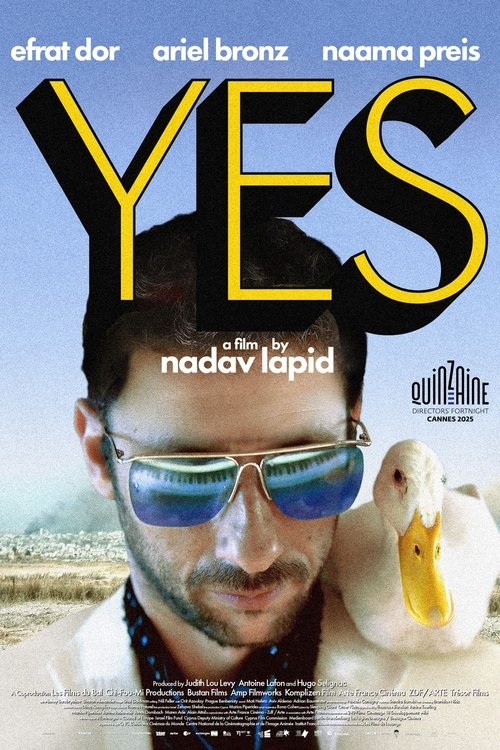
In the days following October 7, Y., a jazz musician, and his wife Yasmin, a dancer, resolve to say yes to everything. Y. and Yasmin sell their bodies and souls to the highest bidder, surrendering themselves and their art to Israel’s social, political and military elite. Soon, Y. is entrusted with a mission of the utmost importance: to compose the music for a rousing, ruthless new national anthem.
Yes

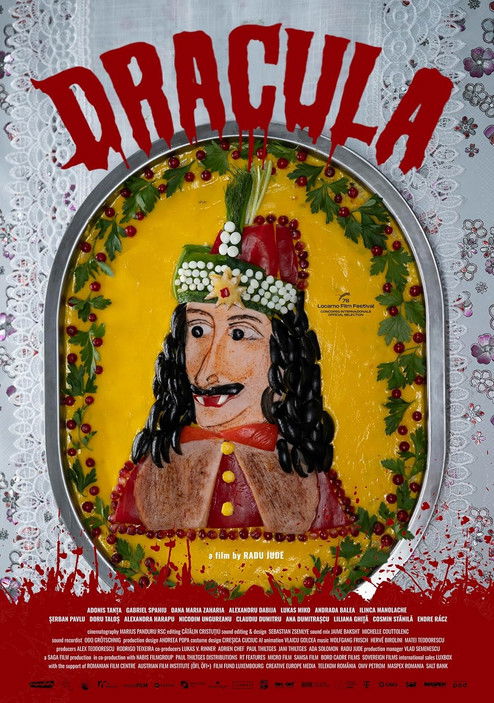
In modern-day Transylvania, vampire hunts and labor strikes collide with sci-fi twists, romance, and AI-crafted tales, as multiple storylines blend folklore, classic horror, and contemporary elements into a fresh take on Dracula's legend.
Dracula

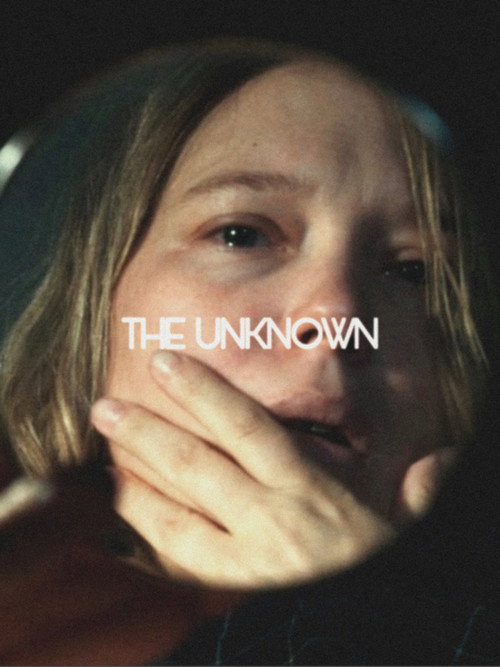
Photographer David Zimmerman rarely leaves home until friends bring him to a wild party. He becomes fixated on a mysterious woman and follows her. By dawn, his life transforms - he awakens in her body.
The Unknown

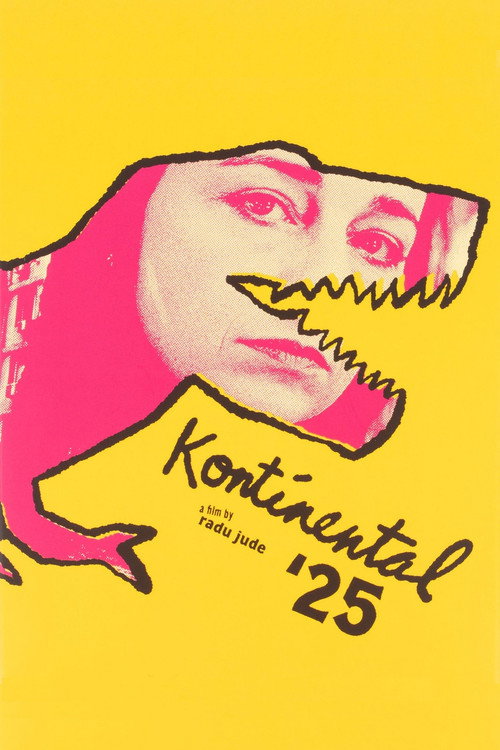
Orsolya is a bailiff in Cluj, the main city in Transylvania. One day she has to evict a homeless man from a cellar, an action with tragic consequences that triggers a moral crisis which Orsolya must weather as best she can.
Kontinental '25

After suffering terrible headaches and stomach cramps, Mr. Lăzărescu, a lonely 63 year-old man, calls for an ambulance, beginning one man’s hellish journey through Bucharest hospitals in search of proper medical care. As the night unfolds, his health starts to deteriorate fast.
The Death of Mr. Lazarescu

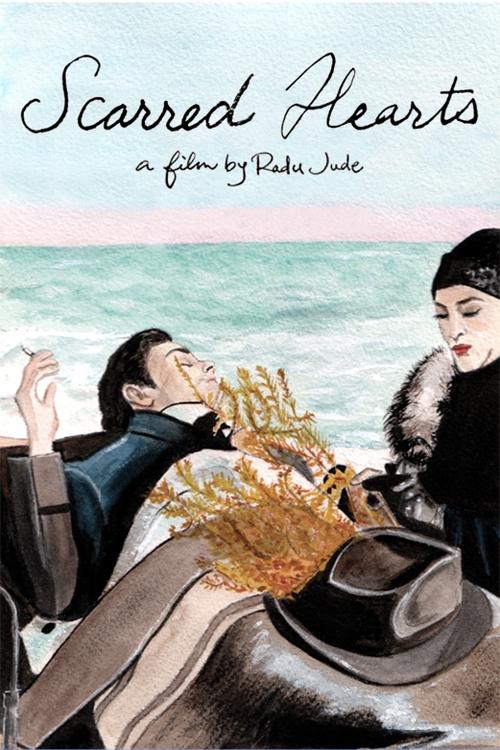
During the summer of 1937, Emanuel, a young man in his early twenties, is committed to a sanatorium on the Black Sea coast for treatment of his bone tuberculosis. The treatment consists of painful spine punctures that confine him to a plaster on a stretcher-bed. Little by little, as Emanuel gets accustomed to the sadness of his new life, he discovers that inside the sanatorium there is still a life to be lived to the fullest.
Scarred Hearts

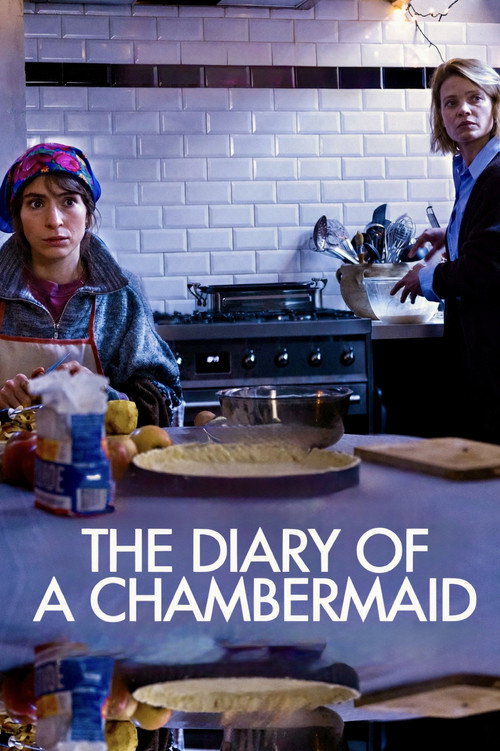
Gianina, a young Romanian, works as a housekeeper for a bourgeois family in Bordeaux. In the evenings, she rehearses the role of a maid with an amateur theater troupe in an adaptation of The Diary of a Chambermaid by Octave Mirbeau. She takes care of Louen, her employers’ son, while her own daughter is growing up far from her, in Romania. The maternal absence deepens into a wound but, as Christmas approaches, the promise of a reunion begins to take shape.
The Diary of a Chambermaid

Marius is a divorced man in his late thirties. His five year-old daughter Sofia lives with her mother, which causes Marius a deep frustration. On the day Marius arrives to take his daughter on their annual holiday, he is told that she is ill but he doesn't believe it and insists to take her with him. The situation soon gets out of control with all the family taking part in a web of humor, violence, childish songs, police interventions and love statements.
Everybody in Our Family

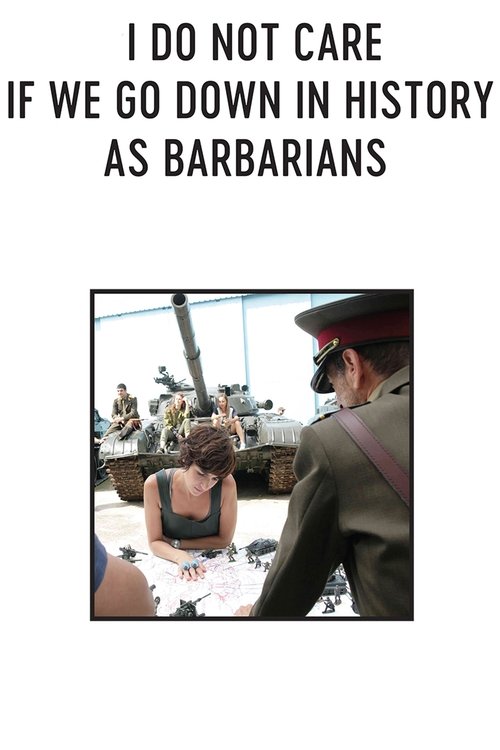
"I do not care if we go down in history as barbarians." These words, spoken in the Council of Ministers of the summer of 1941, started the ethnic cleansing on the Eastern Front. The film attempts to comment on this statement.
I Do Not Care If We Go Down in History as Barbarians

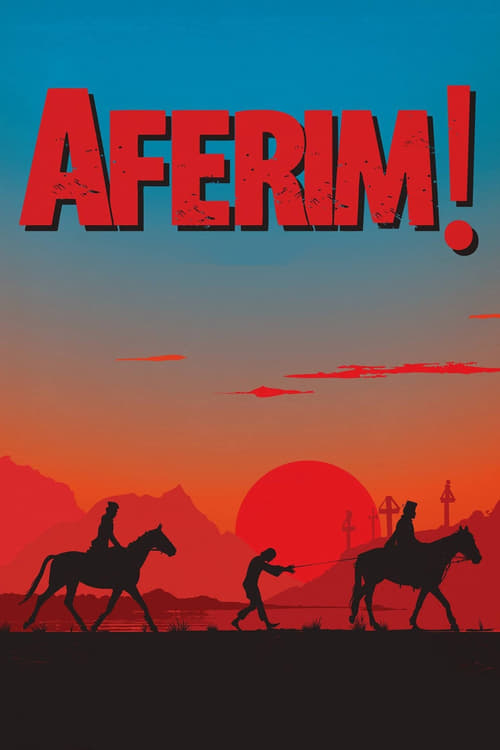
Set in early 19th century Wallachia, Romania, a policeman, Costandin, is hired by a nobleman to find a Gypsy slave who has run away from his estate after having an affair with his wife.
Aferim!
Plot TBA. Represents Radu Jude's feelings of "creative obligation" to Romania and channels Roberto Rossellini's 1948 film 'L'amore' while exploring sociopolitical tensions in Europe.
Love Diptych

An old man tries to play backgammon with friends while babysitting his granddaughter, who's terrified of the young suicide in their building.
It Can Pass Through the Wall

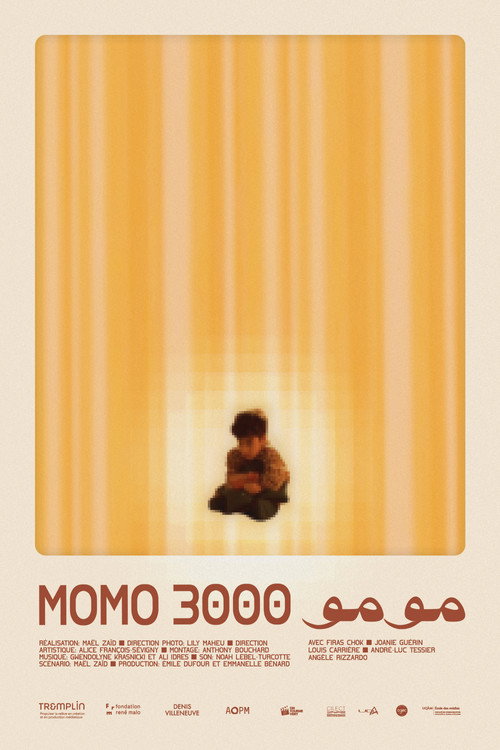
December 31, 1999. Quebec is a few hours from year 2000 and its potential bug. Trapped in a Montreal appartement, Momo needs only one thing to survive this nightmare: couscous.
Momo 3000

Delia, a young Romanian girl, comes to Bucharest with her parents to collect a prize she has won in a contest organized by a soft-drinks company. The prize is a beautiful new car. All Delia has to do now is appear in front of the camera in a commercial. All goes well until it becomes clear that Delia and her parents have very different ideas about what to do with the new car. Meanwhile, the contest's sponsor needs a radiant prize-winner with a gleaming smile. A wicked satire and a psychological portrait of a society perverted by its slavery to capitalism and consumerism
The Happiest Girl in the World

Directed by four different filmmakers and produced by different production companies, these four short films share a common theme - life and death - and a common origin - all four are independent productions made with a little help from all our friends.
Scurt/4: Istorii de inimã neagrã

A documentary-essay which shows Costică Axinte's stunning collection of pictures depicting a Romanian small town in the thirties and forties. The narration, composed mostly from excerpts taken from the diary of a Jewish doctor from the same era, tells the rising of the antisemitism and eventually a harrowing depiction of the Romanian Holocaust.
The Dead Nation

A documentary about the New Romanian Cinema. "Cinemaguerilla" brings together over 30 interviews with directors, producers, actors, film historians and critics about what unites and what separates the New Wave of Romanian films.