Sound
Jan Klusák is a Czech composer and actor.
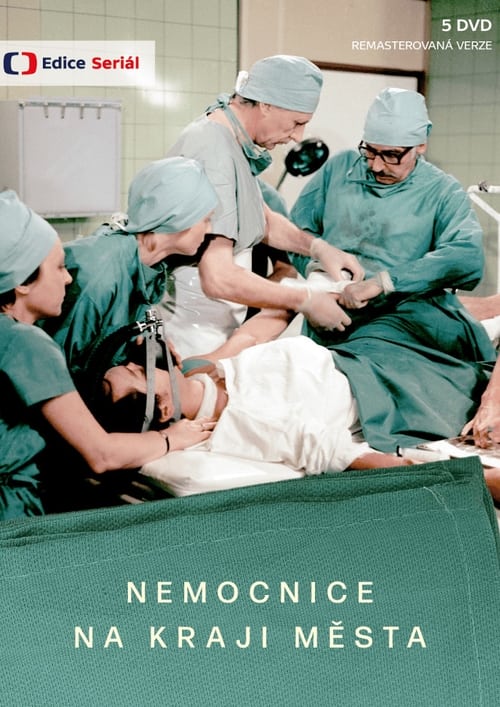
Hospital at the End of the City is a popular television series first released in Czechoslovakia in 1977, it featured an ensemble cast and received much viewer praise in central Europe. The series ran from 1977 to 1981 for a total of twenty episodes. The success of the series inspired the German television series The Black Forest Clinic.
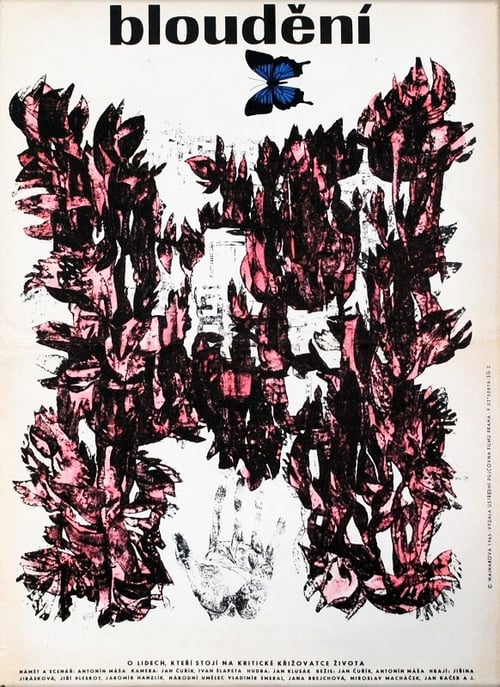
Michal's father and his friends are stigmatized by their war experience and the post-war social deformations in which they took part either directly, or watched them cowardly and in silence. They are trying to repress their feelings of guilt and justify their behavior to the young generation with memories of their heroic war feats. Michal, however, does not want to have anything to do with their problems. He subconsciously perceives the unpleasant atmosphere in the family as well as his father's hypocrisy. After one of many quarrels with his father, he runs away from home, determined to go his own way.
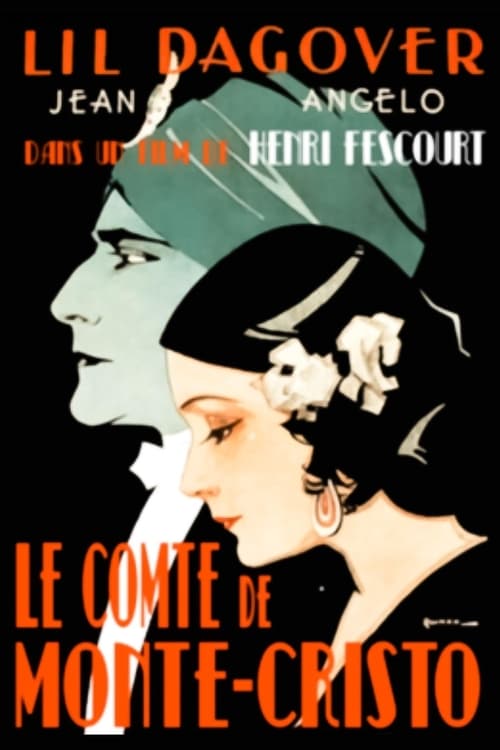
Young sailor Edmond Dantès is wrongfully imprisoned, escapes, finds treasure, and reinvents himself as the wealthy Count of Monte Cristo to exact revenge on those who betrayed him.
Two teenage girls embark on a series of destructive pranks in which they consume and destroy the world around them.
In a rare instance of literary adaptation, Chytilová was inspired by Franz Kafka’s writings. Mr. K stashes stolen jewelry away at home and seldom allows his wife to wear it. A nosy neighbour, Mr. B, drops in. A cat observes it all.
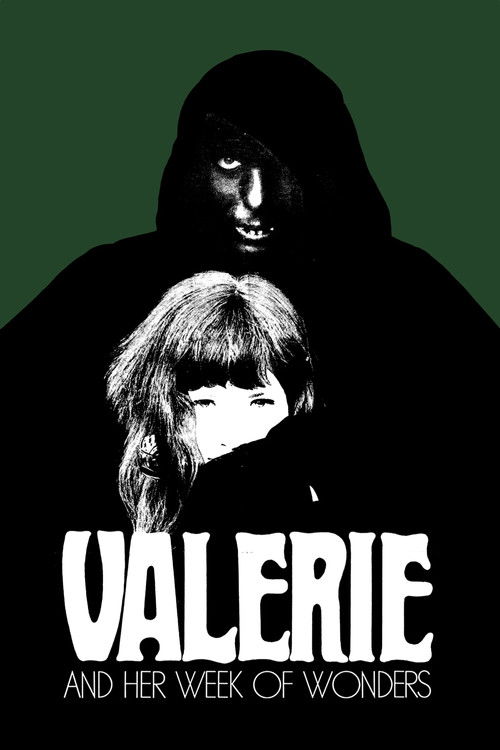
Valerie, a Czechoslovakian teenager living with her grandmother, is blossoming into womanhood, but that transformation proves secondary to the effects she experiences when she puts on a pair of magic earrings. Now seeing the world around her in a different light, Valerie must endure her sexual awakening while attempting to discern reality from fantasy as she encounters lecherous priest Gracian, a vampire-like stranger and otherworldly carnival folk.
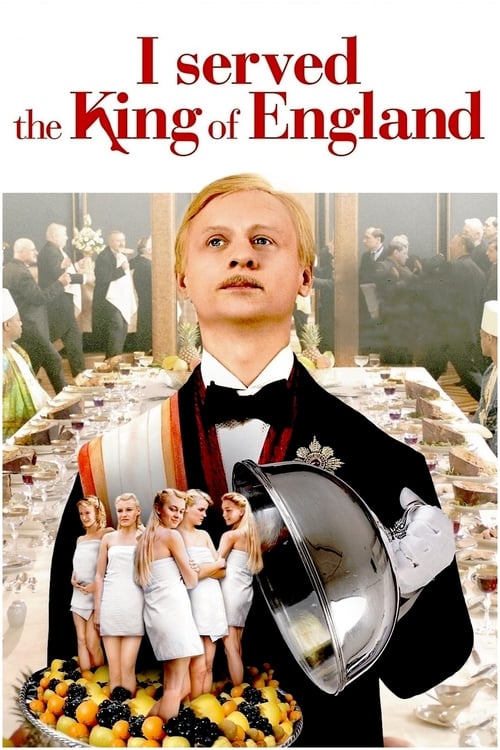
Prague, Czechoslovakia, during the inter-war period. Jan Dítě, a young and clever waiter who wants to become a millionaire, comes to the conclusion that to achieve his ambitious goal he must be diligent, listen and observe as much as he can, be always discreet and use what he learns to his own advantage; but the turbulent tides of history will continually stand in his way.
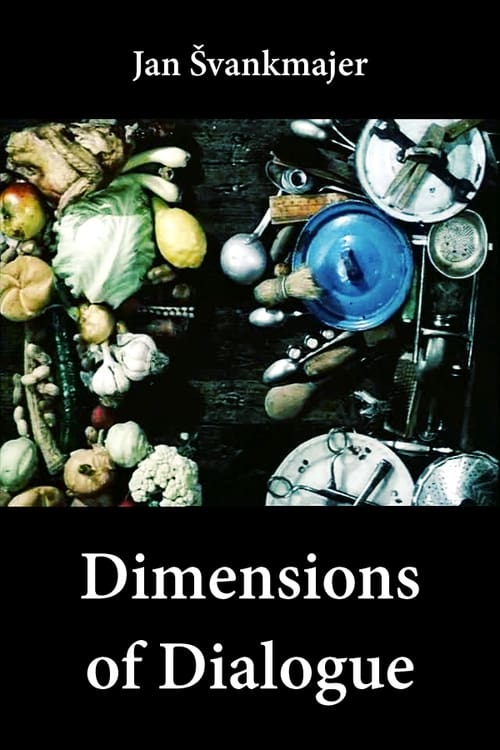
Three surreal depictions of failures of communication that occur on all levels of human society.
No description available.
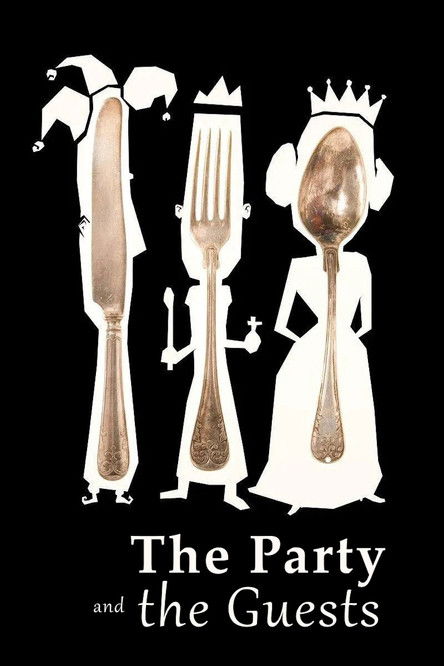
A group of the bourgeois head for a prominent figure's birthday party. As they venture through the woods and have a picnic, they're suddenly surrounded by some suspicious strangers.
A leading director of the Czech film renaissance provides a philosophical meditation on life and death, set amidst complex hospital apparatus and the sadness, hope, or resignation of the patients. Existentialist rather than optimist, the approach is one of humanistic atheism, accepting death as part of life. Interviews with doctors and nurses explore their outlook; all speak of death as a fact, without either sentimentality or religiosity. The studied objectivity of the film only imperfectly hides an intense emotionality.
A short documentary about the work of railwaymen and life on the railway.
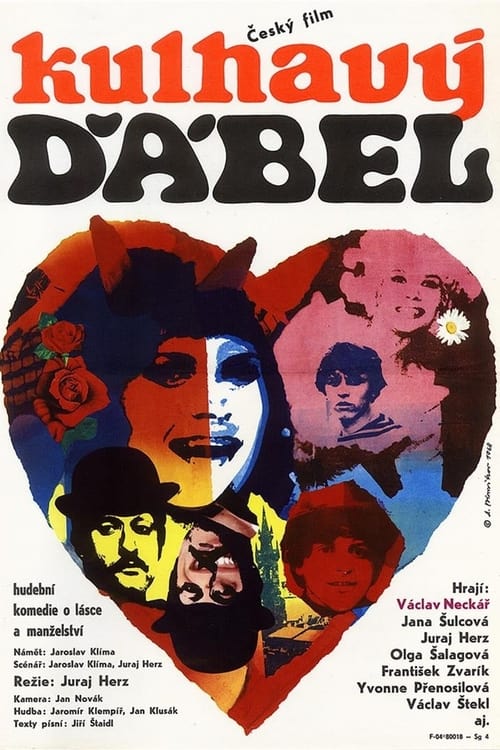
A baleful limping man walks through Prague. He is Asmodeus (Juraj Herz), the fiend of lustfulness, entertaining himself by putting together by magic couples of lovers. He only fails at the swimming pool. Zuzana (Jana Sulcová), the good-looking blonde, ignores the men whom the devil foists off onto her. She loves Honza (Václav Neckár) and the boy shares her feelings. The fiend is annoyed by the couple and tries to provoke a row. He sends heavy rain to force them into a hotel and then warns Zuzana's father by phone, but the young lovers manage to get out in time. Then the obstinate Asmodeus takes Honza in his sleep to the Institute for Emotional Disorders, where he shows him the ugly sides of love - hysteria, voyeurism, fetishism, suicide attempts...
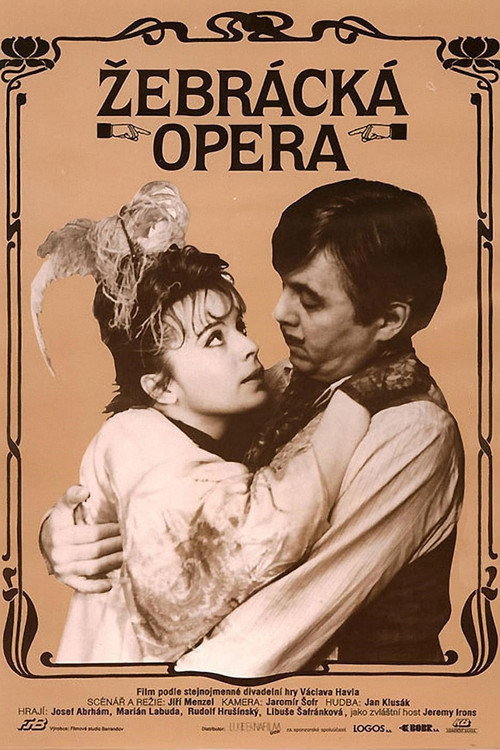
Unlike any other opera, the so-called Beggar's Opera is not just one composition, but a lineage of adapted compositions, beginning with the original hugely successful 1728 political satire written by Englishman John Gay. Composers and writers have penned variations on it ever since. The most famous of these was A Threepenny Opera by Bertholt Brecht and Kurt Weill. Some things these compositions share in common is their setting among the poor and criminal classes, and the roguish character Macheath. This production is based on an adaptation of Gay's original by Vaclav Havel the freedom-fighter, writer and philosopher who became the first (and only) president of the united post-communist country of Czechoslovakia, and it retains many traces of its theatrical origins. Film reviewers were not too tolerant of what they called "slavish adherence" to the noted Czech writer's stage production, but theater, philosophy and history buffs may feel otherwise.
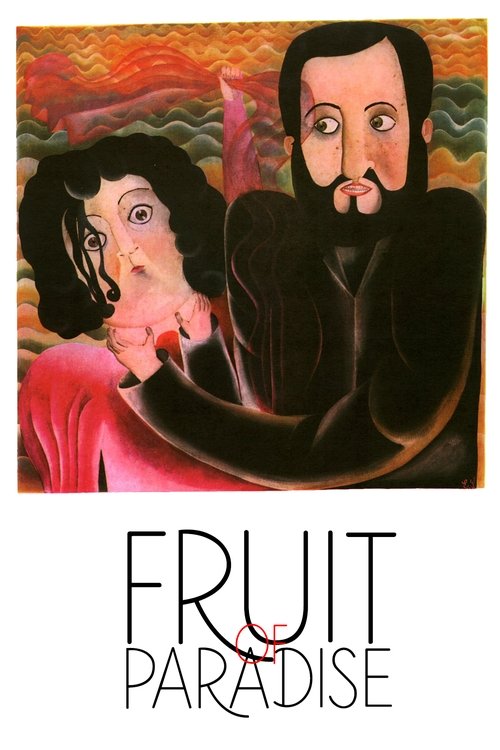
An experimental retelling of the story of Adam and Eve which then progresses into an allegorical depiction of the loss of innocence.
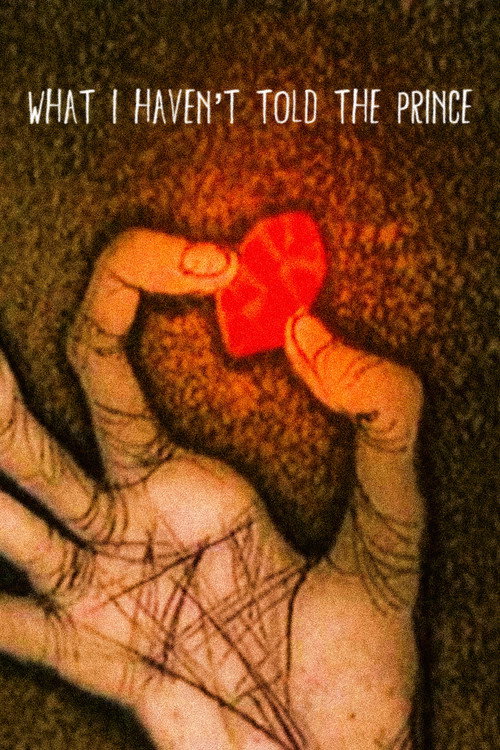
This original adaptation of Oscar Wilde's sad, socially conscious fairy tale, The Happy Prince, hinges on the conflict between fact and dream, reality and poetry. The contrast is reinforced by the film's visuals, confronting modern art with Gustave Doré's old engravings.
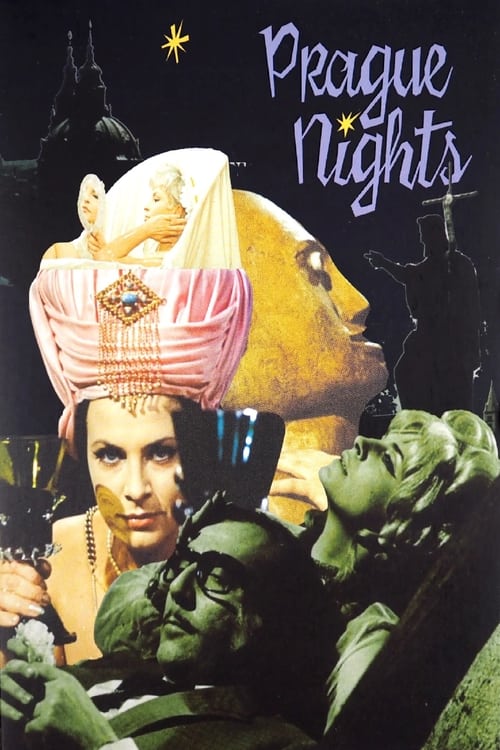
A stuffy middle-aged foreigner, a businessman named Fabricius, lonely and looking for a night's diversion, finds it in the form of a mysterious blonde. In an abandoned cemetery, she tells him three tales involving black magic and erotic obsession. In "The Last Golem," a young rabbi struggles to fashion a massive, silent giant out of living clay — until he's distracted by a mute servant girl. In the second episode, "Bread Slippers," an 18th-century countess indulges her passion for sweet cakes, adulterous affairs, and secret kisses with pretty maids until a mysterious visitor whisks her away to an abandoned mansion, where Fate has a different kind of dance in store for her. And in the final story, "Poisoned Poisoner," a ravishing murderess in the Middle Ages dispatches lecherous merchants to the tune of upbeat '60s Czech pop songs.