Pierre Desproges
Acting
Biography
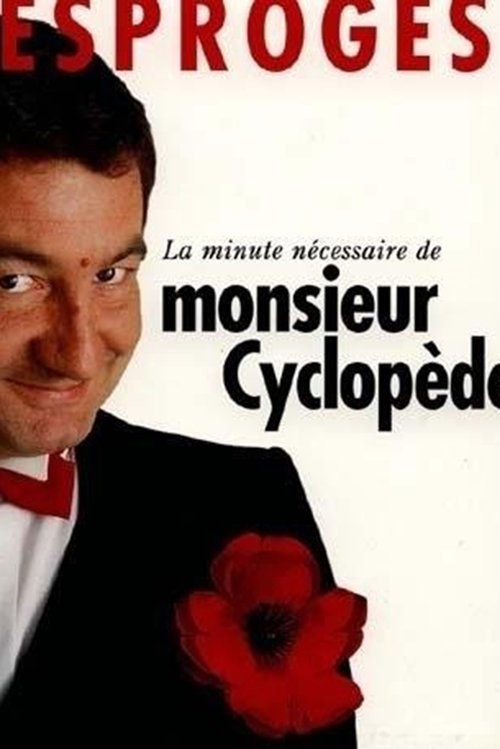
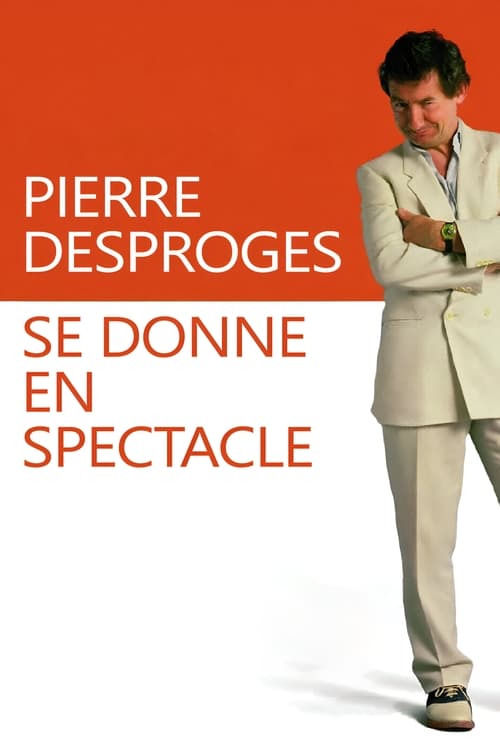
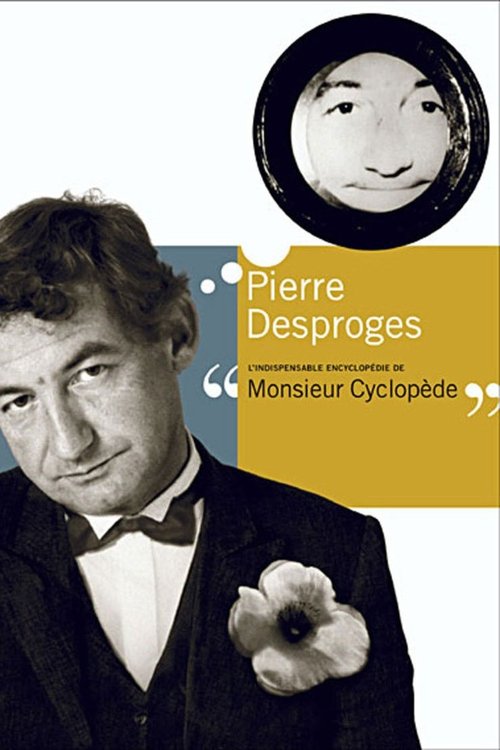
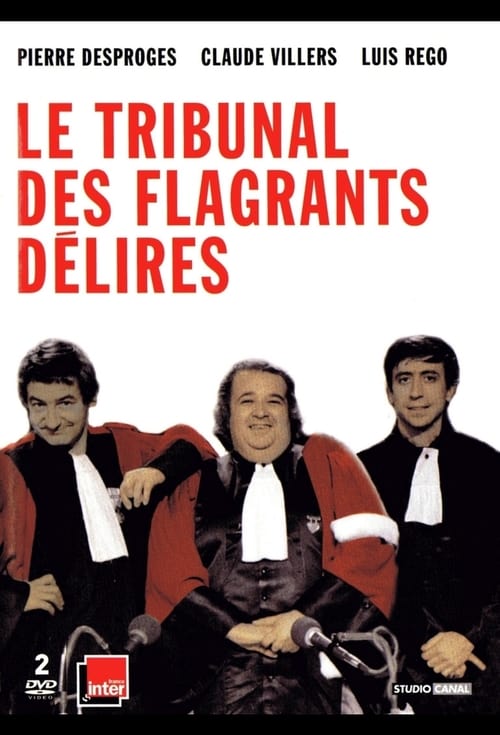
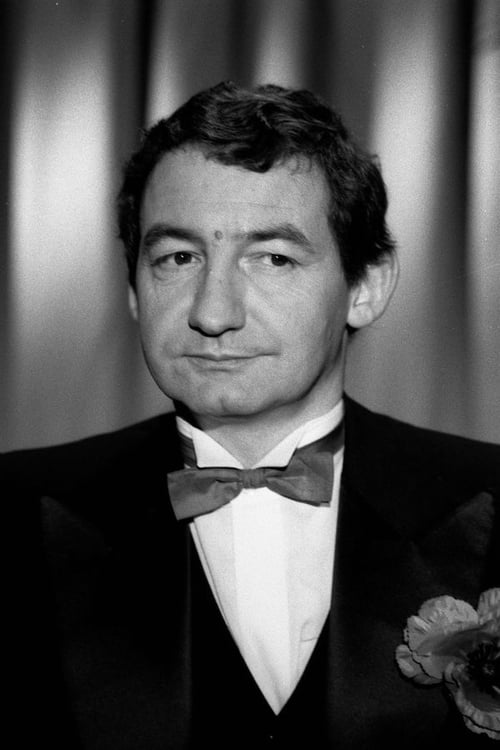
Pierre Desproges (9 May 1939 – 18 April 1988) was a French humorist. He was born in Pantin, Seine-Saint-Denis. According to himself, he made no significant achievements before the age of 30. From 1967 to 1970, he worked as: life insurance salesman, opinion pool investigator, "lonely hearts" columnist, horse racing forecaster, and sales manager for a styrofoam beam company. From 1970 to 1976, he worked for the newspaper L'Aurore. Starting in 1975, he became a "reporter" on Le petit rapporteur (The Little Snitch), a satirical TV show hosted by Jacques Martin. He caught the public's attention with unconventional interviews of celebrities, among them novelists Françoise Sagan or Jean-Edern Hallier. He appeared for the first time on stage at the Olympia theater during a Thierry Le Luron show. Among other things, he became very famous for his Chroniques de la haine ordinaire (Chronicles of Ordinary Hatred), a 1986 radio show. In the 1980s, he appeared daily on Le tribunal des flagrants délires (a pun on the French term "flagrant délit" meaning red-handed), a comedy show where celebrities were judged in mock-trials. Desproges held the part of the prosecutor for more than two years, a part for which his verve, his scathing humour and his literary erudition were ideally suited. In 1982, he created La minute nécessaire de Monsieur Cyclopède, a series of shorts for TV, where he played an omniscient professor. He answered to metaphysical and nonsensical questions such as "How to make King Louis XVI fireproof?", proved that Beethoven was not deaf but stupid, and explained why the improbable encounter between the Venus de Milo and Saint Exupéry's 'Petit Prince' was a fiasco. Each episode ended with the catchphrase: "Étonnant, non?" ("Astonishing, isn't it?") In 1984, he had his first stand-up show at the Théâtre Fontaine. In 1986, his second stand-up, Pierre Desproges se donne en spectacle was presented at the Théâtre Grévin. He started work on a third stand-up, and the drafts were ultimately published in 2010. In 1987, doctors discovered he had inoperable lung cancer in an advanced stage, and his relatives, in agreement with the doctors, decided to hide the condition from him, so he could spend his final days quietly. He died in 1988, from a disease he had bitterly laughed at time and time again, often saying "I won't have cancer: I'm against it". He is buried in the Père Lachaise Cemetery in Paris. His epitaph reads: "Pierre Desproges est mort d'un cancer, étonnant, non?" ("Pierre Desproges died of cancer, astonishing, isn't it?"). ... Source: Article "Pierre Desproges" from Wikipedia in English, licensed under CC-BY-SA 3.0.
Known For

No description available.
Champs-Elysées

Midi Première is a French variety show presented by Danièle Gilbert, directed by Jacques Pierre and broadcast from January 6, 1975 until January 1, 1982 on TF1. The program was generally broadcast between 12:15 p.m. and 12:55 p.m., then giving way to the 1:00 p.m. TV news. However, the broadcast schedule could change, depending on the guests, and the setting where the recording of the program was shot. Certain performances by artists who have become cult like the one where Ringo jostles with a demonstrator in interpretation (1977), that of Dalida with the title There is always a song with the soundtrack that does not start, twice, at the right speed (1978), Claude François and his Clodettes, who, in the provinces, are unable to join "the set" in order to interpret his song, the latter being taken by the crowd of delirious fans (summer 1977) . The group Supertramp performed there with the title "Dreamer" on March 8, 1975.
Midi Première

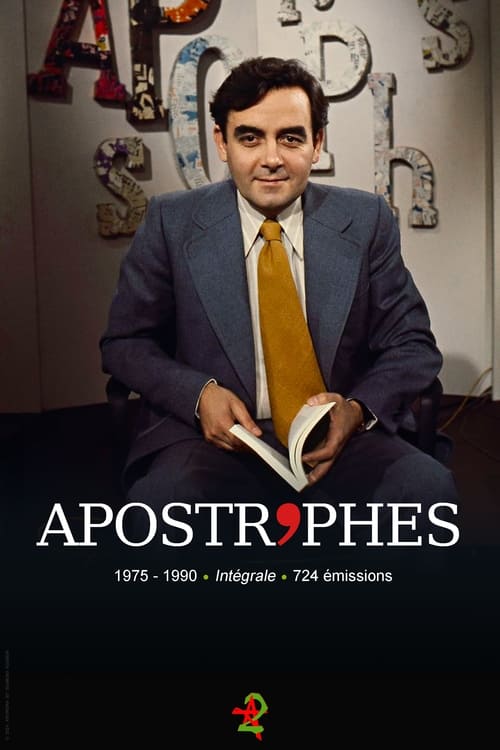
Apostrophes was a live, weekly, literary, prime-time, talk show on French television created and hosted by Bernard Pivot. It ran for fifteen years (724 episodes) from January 10, 1975, to June 22, 1990, and was one of the most watched shows on French television (around 6 million regular viewers). It was broadcast on Friday nights on the channel France 2 (which was called "Antenne 2" from 1975 to 1992). The hourlong show was devoted to books, authors and literature. The format varied between one-on-one interviews with a single author and open discussions between four or five authors.
Apostrophes

A talk show presented by Michel Drucker
Les Rendez-vous du dimanche

A French variety show.
Numéro un

No description available.
30 millions d'amis

No description available.
Les Jeux de 20 heures

No description available.
Il était une fois Champs-Élysées

No description available.
Minichronique

No description available.
Merci Bernard

No description available.
Le Petit Rapporteur

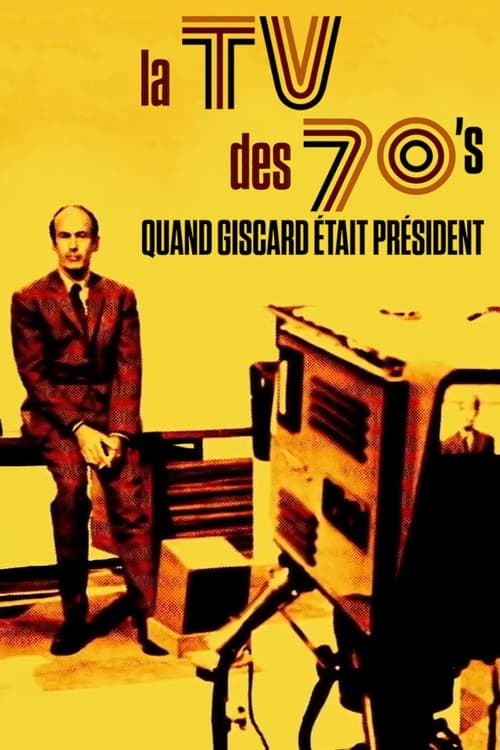
In May 1974, Valéry Giscard d'Estaing became President of the Republic and wanted to bring about a new era of modernity. One of his first decisions was to break up the ORTF with the creation of three new television channels: TF1, Antenne 2 and FR3. Three new public channels but autonomous and competing. It is a race for the audience which is engaged then, and from now on the channels will make the war! This competition will give birth to a real golden age for television programs, with variety shows in the forefront. The stars of the song are going to invade the living rooms of the French for their biggest pleasure. This unedited documentary tells the story of the metamorphosis of this television of the early 1970s, between freedom of tone, scandals, political intrigues and programs that have become mythical.
La TV des 70's : Quand Giscard était président

55 years ago, on October 1 1968, the first brand advertising spot appeared on the French television screen. Over the next three decades, thousands of creative little films would seduce and build our collective memory. Kitschy or cult spots, humor, slogans, music, stars, gimmicks, grand spectacle or sex appeal: during its golden age, how did advertising convince? Thierry Ardisson has brought together almost 400 advertising clips to relive the era of the conquest of minds and wallets.
L'Âge d'or de la pub

No description available.
Comiques de toujours (Vol. 1 à 4)

The notorious and mysterious criminal Furax steals France's famous monuments, replacing them with replicas.
Signé Furax

"Droit de Réponse" (Right of Reply) is a French debate program broadcast between December 12, 1981 and September 19, 1987 on the TF1 channel, presented by Michel Polac and produced by Maurice Dugowson. Broadcast live on a weekly basis, on Saturdays from 8.30 p.m., the right of reply has been the source of many controversies, due to the various speakers who have come to present their point of view on the show (which leads to famous scandals , remained in the memory of viewers), but also for the variety and relevance of the topics covered, which ensured the success of the program on the air for several years. On French television, this program is considered by some observers as a “pioneer program in terms of controversy-show or clash, in modern language”.
Droit de Réponse

No description available.
Les 60 ans du one-man-show

In the early 1970s, Pompidou-era France, and soon Giscard d'Estaing's France, began to break free thanks to a few irreverent figures. Daniel Prévost, Pierre Desproges, Jean Yanne, Bertrand Blier, Patrick Dewaere, Gérard Depardieu, Miou-Miou, Coluche, Michel Polac, Professor Choron, and many others: all contributed to a culture whose influence still resonates with today's comedians. This documentary delves into this bygone era that gave birth to the new French irreverence.
Feet in the Mayonnaise: The Irreverent Ones of the 70s

No description available.
La minute nécessaire de monsieur Cyclopède
A César award nominated short comedy.