Directing
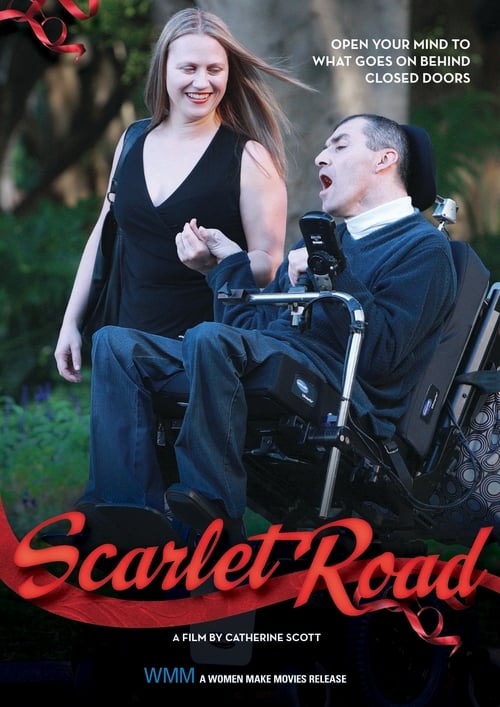
Scarlet Road follows the extraordinary work of Australian sex worker, Rachel Wotton. Impassioned about freedom of sexual expression and the rights of sex workers, she specializes in a long over-looked clientele – people with disability.
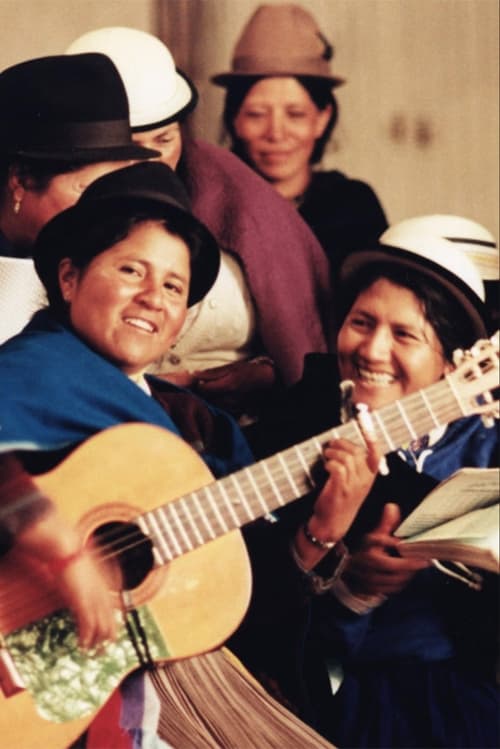
Between March and October 2000, millions of people around the world took to the streets to denounce poverty and violence against women. The historic World March of Women was a bold initiative of the Québec Federation of Women and represented a turning point in global solidarity. Director Sophie Bissonnette invited five filmmakers from around the world to cover the march. She also asked each one to film an innovative project. Set against the backdrop of a song, 'A Score for Women's Voices' ends at the UN, where women deliver 5 million cards signed during the marches. Their goal? To change the world.
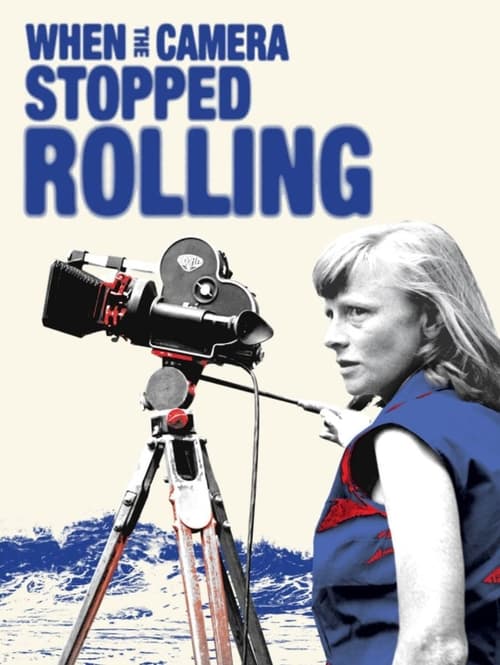
Eight years in the making, Jane Castle's poignant documentary about her filmmaker mother Lilias Fraser is an intimate mother-daughter story and eye-opening chronicle of women's roles in the film industry.
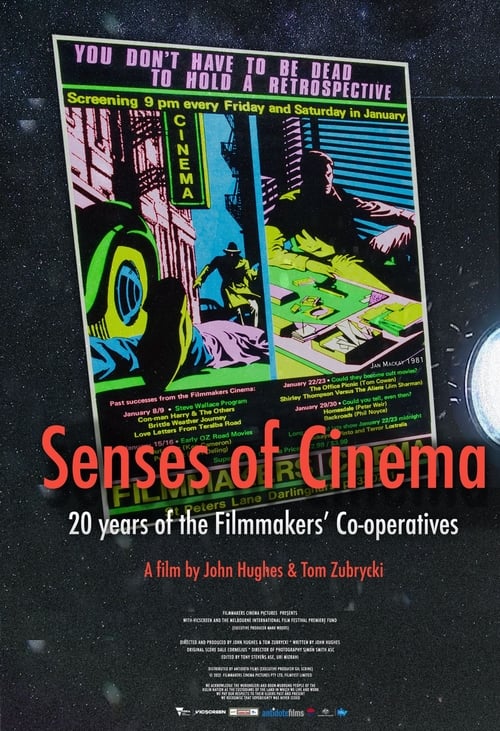
As notions of civil rights transformed across the world, so was the screen landscape reformed by the ascension of grassroots film movements seeking to challenge the mainstream. Some aspired to push form to its limit; others worked to destabilise what they saw as a homogenous industry, or to provoke questions around gender, sexuality, migration and race.
A docu-drama made with support and assistance from a Warlpiri Community in Central Australia, to highlight the community's effort to control the fate of their heritage and future. Alan Jungarrayi wants to move with his family to the nearest town in the hope of finding work. His wife, Jean Napanangka, wants to remain in the community to fulfil her tribal obligations and to bring up their children in their culture. She fears that if they leave the children will lose their language and grow up 'with too much Western ways and thoughts', and thus lose their Warlpiri identity and their place within the world.
On Australia Day 1988, 29 film crews across the country filmed from midnight to midnight, searching behind the curtain of the official celebrations to reveal the thoughts and attitudes of ordinary Australians.Australia Daze is an authentic, kaleidoscopic, entertaining and critical portrait of a nation. Often humorous but sometimes disturbing, the film examines the way Australians see themselves, each other and the future.
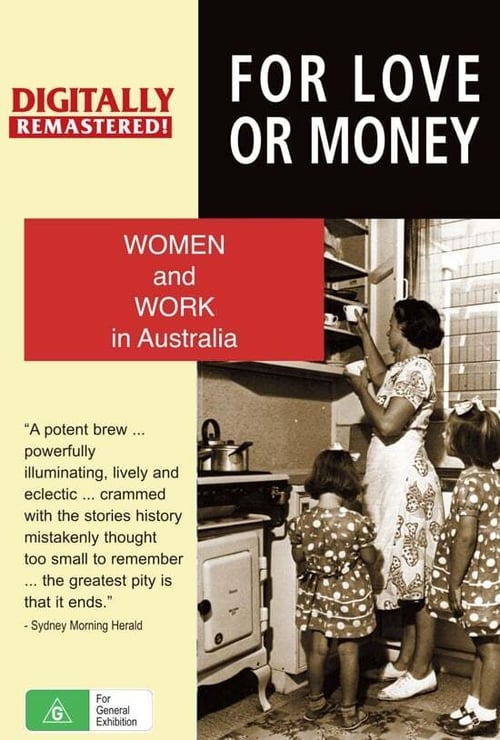
Using almost totally historical material, For Love or Money encompasses the role of Australian women in both paid and unpaid work, over a 200 year period.
Documentary on the redevelopment on a dock area of Sydney. For 5 years, until 1977, Woolloomooloo was the site of a bitter struggle between property developers and the local community, which at times involved the National Trust, Building Unions and squatters’ organisations.
The Tasmanian Tiger twists and turns depending on how it's seen. Sheep-killing beast or tragic victim of human induced extinction. Ancient painting on a rock or vivid ancestor spirit. Lost forever, or a timely reminder to respect the connection between human and animal, culture, nature and country. In stunning landscapes across Australia where Thylacines once roamed, people from wide-ranging traditions share their experiences: First Nations artists, rangers and custodians; biologists, bone hunters and archaeologists. Multiple insights combine to throw light on Australia's most wanted animal.
An examination of the private prison industry that dominates the United States and Australia.
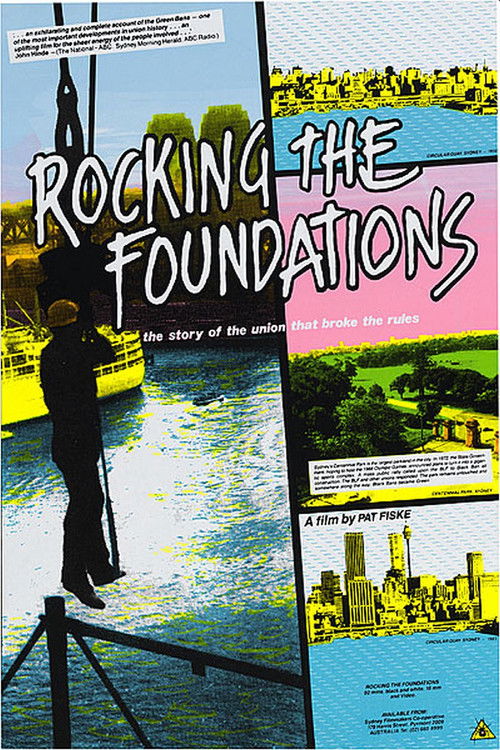
Australian documentary about the New South Wales Builders' Labourers' Federation, 1940-1975.
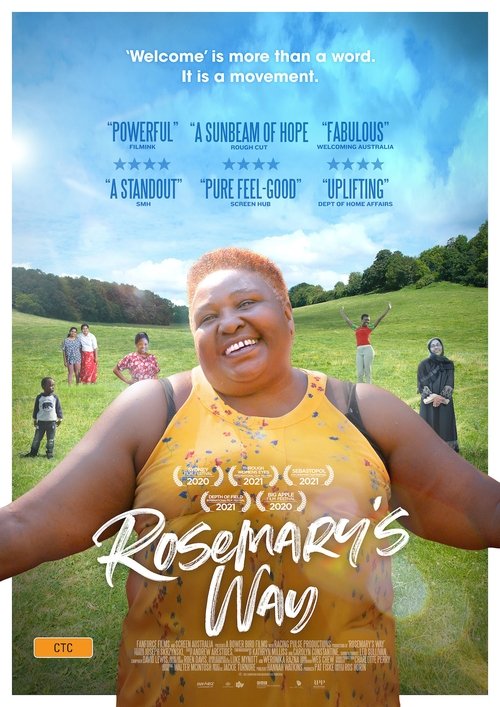
An effervescent facilitator and mother figure, Multicultural Liaison Officer Rosemary is undoubtedly a force of nature. Isolation in Auburn’s migrant community is a huge obstacle, and cultural norms mean that women are often tied to the house or a limited locale. Rosemary, with her larger-than-life spirit and generosity, works tirelessly to draw the women out of their homes and into society. She hosts a lively African Women’s Dinner Dance and takes them on a trip to the Blue Mountains and the NSW South Coast – introducing them to an Australia they’ve never seen before.
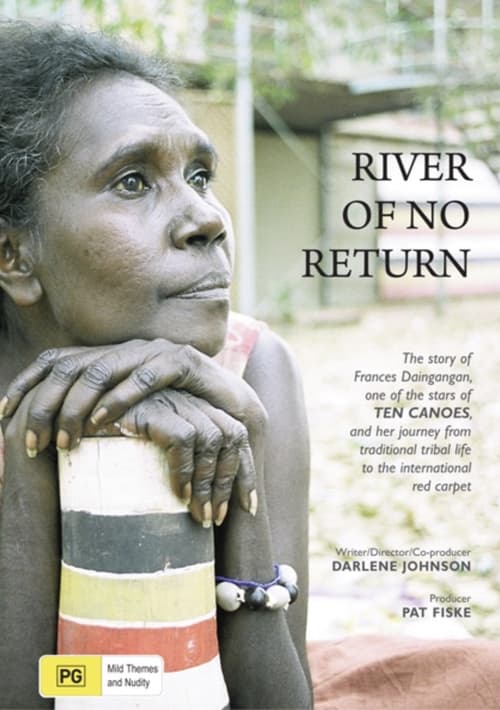
Frances Daingangan is a 45-year old mother of three who comes from the remote community of Ramingining in North East Arnhem land. Like many young girls, Frances dreamed of being a movie star - a dream that came true when Rolf de Heer cast her in the lead female role of Nowalingu in Ten Canoes. Her journey from traditional tribal life to red carpets and awards ceremonies is unlike any other. It's a fascinating and unique story as Frances learns to overcome huge personal and cultural challenges. River of No Return is a story of change and transformation as Frances learns to move between the ancient life of the Yolgnu and modern world of the balanda (white culture).
Fred Hollows was a controversial, larger-than-life character who was abrasive, determined, flamboyant, unconventional and full of contradictions. Some loved him, some hated him. The style of this film, like the man, is direct, forthright, warts and all. Rather than conquer and convert, his philosophy was to train indigenous people to help themselves and this film documents his work in Eritrea, Nepal and here in Australia with the Aborigines. Included is film shot during recent expeditions, archival material and interviews and glimpses of him at home and on the road. "For all the world to see" is bold, wry, intimate and ultimately a very moving tribute to an extraordinary life.