Acting
The Killing is a Danish police procedural set in the Copenhagen main police department and revolves around Detective Inspector Sarah Lund and her team, with each season series following a different murder case day-by-day and a one-hour episode covering twenty-four hours of the investigation. The series is noted for its plot twists, season-long storylines, dark tone and for giving equal emphasis to the story of the murdered victim's family alongside the police investigation. It has also been singled out for the photography of its Danish setting, and for the acting ability of its cast.
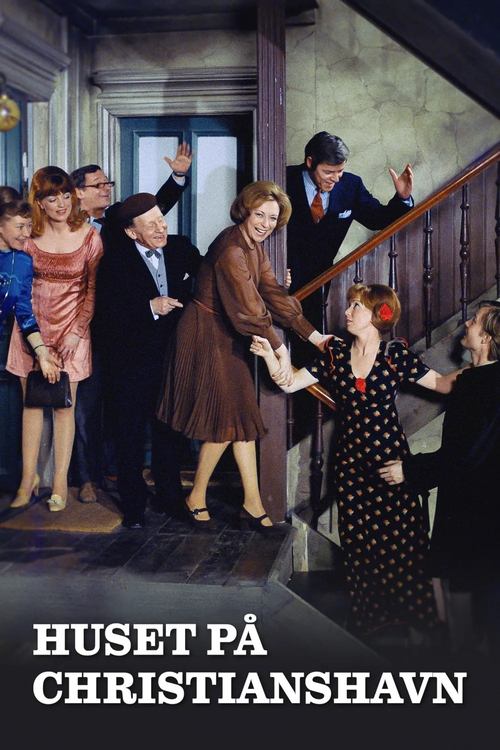
The series follows the residents of an apartment building on Copenhagen's Christianshavn, as they go about their daily lives and challenges. There is Olsen, a mover with an old fashion view of the world, Clausen who runs the local pet shop, Egon the career focused assistant, their wives who work hard to keep their spouses lives together, the young couple Tue and Rikke who recently moved in, the hard working caretaker Meyer, who never puts in to much effort, and of course Emma, the innkeeper of Rottehullet, where all the important decisions are made while running up the bar tab. The series was produced by Nordisk Film for Danmarks Radio TV station between the years 1970-77. The series' first director was Ebbe Langberg, then Erik Balling and Tom Hedegaard respectively. The series was conceived by an author team of well-known Danish authors such Leif Panduro, Benny Andersen, and Lise Nørgaard.
No description available.
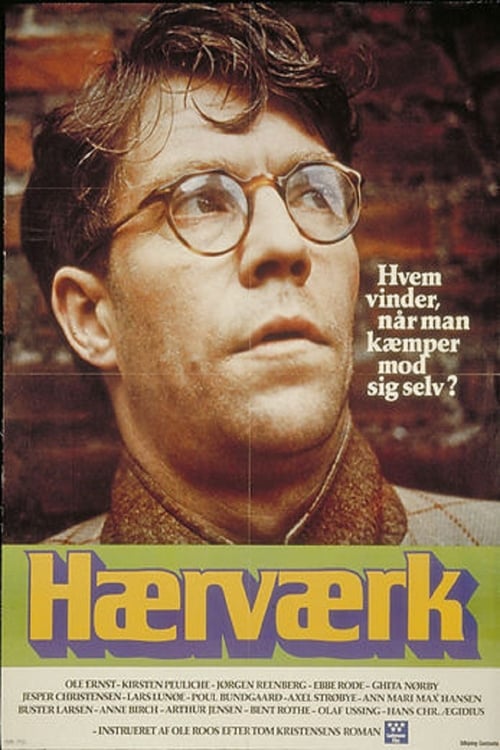
Based upon the novel "Hærværk" by Tom Kristensen about the self destructive person. The literary reviewer Ole Jastrau chooses to free himself from his well-ordered middle class life. He allow the seriously left-wing writer Steffensen move in with himself which soon causes disintegration of his home an marriage.
About five young people and their complicated love affairs. Isabel, the diplomat's daughter, is training to be an actress, Marca is a ballet dancer, Michael is a theater director, and David has just completed his military service. However, it is Gerd, in particular, whose fate will have an impact on the group. She has fled from East Germany but returns when she feels isolated. Michael and David follow her, but an attempt to bring her back to the West costs her her life.
A comedy about the everydaylife of the 30-year-old something nurse Henriette and her life. Her boyfriend is boring and she has an affair with a violent doctor. She shares an apartment with a gay man and she is close with her brother who is a somewhat insecure and love-seeking guy. However, after some unfortunate clashes with the world, Henriette realizes she is able to stand on her own.
Samson is a young whale that doesn't have friends. He spends his time listening to his mother's stories about the legendary whale Moby Dick. Samson becomes fascinated about it and decides to go on a journey to find Moby Dick.
Benny and Arnold are homeless and along with others living on Nørrebro in Copenhagen. The police is set to clear the building they squat in, but on the night of the forced eviction, local acid head Spacy jumps from the sixth floor.
A satirical drama revealing the consequences of the Danish government's "New Copenhagen Criteria", a new policy aiming at securing the nation's survival. Citizens who fail to meet the criteria – those who have received more from society than what they have contributed – are eliminated.
Five young people take part in a party. During the party, a man is hit and killed nearby. The driver flees. The next day, one of the young people cannot remember anything about the time surrounding the accident. Is he the perpetrator? A witness leads the police on the trail.
Jørgen Leth can squeeze poetry from a stone and wit from dust, and he can find love where the milk of human kindness runs dry. In a series of tableaux of Life in Denmark, he carries absurdism to a happy extreme. To act out his minuscule non-dramas, he uses a motley crew of professional actors like Ghita Nørby and Claus Nissen, writer Dan Turéll plus a snake charmer, a bicycle racer and a circus queen.
When a middle-aged woman born in privilege opens a café in a vibrant party of her hometown of Copenhagen, she’s confronted with its dark sides as well in the shape of human trafficking and prostitution, and she has to make some hard choices.
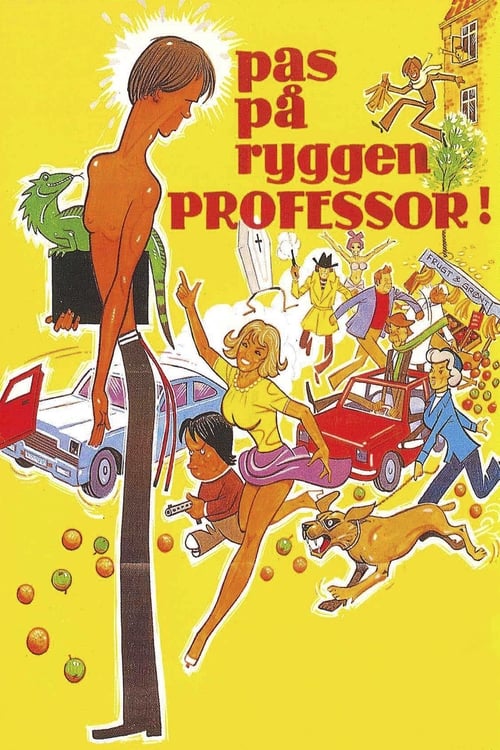
When a boring collage professor is mistaken for his cousin, he gets into all kinds of trouble, with hilarious results.
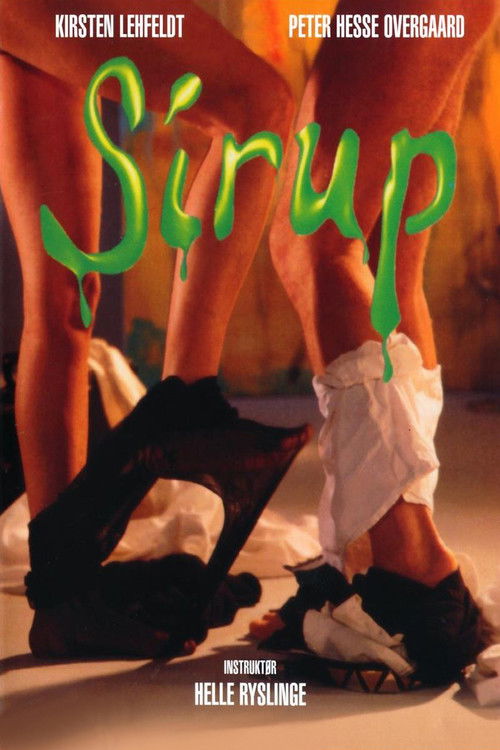
In this wry comedy, the self-deceiving exploits of Lasse (Peter Hesse Overgaard), are shown, as he more or less innocently runs small cons on the people in his life, all the while sponging off of his girlfriend in a bohemian quarter of Copenhagen. He is a no-count, but fairly handsome young stud who imagines that he is some sort of art promoter, or is perhaps even a video artist himself.
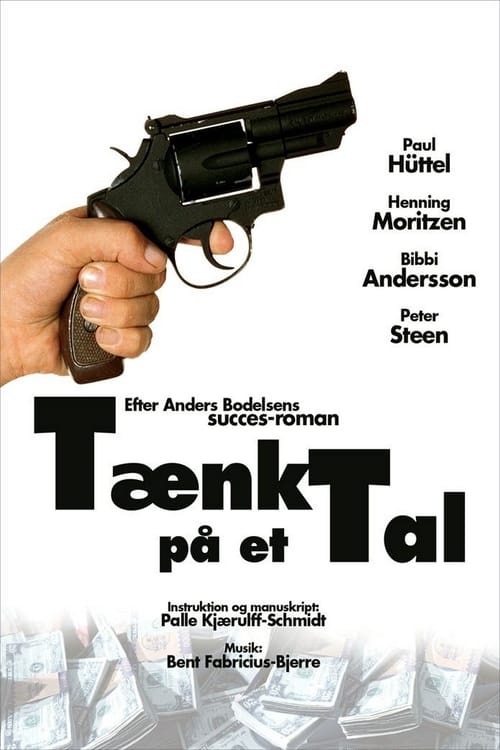
The story opens just before Christmas, when solitary, apathetic bank clerk Flemming Borck uncovers a plot to rob his bank. After doing a little rookie recon, Borck identifies the would-be bank robber as a faux shopping-mall Santa Claus, and counter-plots to steal the money himself and let Santa take the blame. This works out about as badly as you might imagine, and our bumbling protagonist spirals further and further away from the carefree, laconic lifestyle he had hoped to ensure for himself.
The last of three animated films about the history of the exploited underclass in the Nordic countries through the ages. The first two were "Trællene" (1978) and "Trællenes oprør" (1979).
The con artist Prince Fingernem is a regular customer of the waitresses Mona Lisa and young Vicky at the Trinidad tavern – a small, damp paradise in Nyhavn. But paradise also has a snake, of course, Mr. Schwartz, who has big plans for the area.