Jan Jakub Kolski
Directing
Biography
Jan Jakub Kolski (born 29 January 1956) is a Polish film director, cinematographer, and writer. Kolski was born in Wrocław, and comes from a family closely connected to cinema. His father, Roman Kolski, and his sister, Ewa Pakulska were film editors. His brother, Włodzimierz Kolski, is a production manager. His paternal grandfather was a film producer. Kolski's wife, Grażyna Błęcka-Kolska is an actress. From age eleven until age fourteen, Kolski lived in a small village, Popielawy, near Tomaszów Mazowiecki and Łódź. Those years became the inspiration for his later films. During the late 1970s, he worked his way through the ranks at a TV station in his home town, ending up as chief director of photography. He then studied cinematography at the famous Film School in Łódź, where he now runs a screenplay workshop. In 2007 he gained his doctoral degree in film art. He's also a lecturer at Andrzej Wajda Master School of Film Directing. During the 1980s, Kolski made about twenty short films, including Umieranko (A Little Dying); Najpiękniejsza jaskinia świata (The Most Beautiful Cave in the World); Mały dekalog (The Little Ten Commandments), Nie zasmucę serca twego (I Won't Make You Sad), Jak mnie kochasz (How Do You Love Me?), Szkoła przetrwania (The Survival School), Pałkiewicz ma rację (Palkiewicz Is Right), Słowiański świt (The Dawn of the Slavonic Tribes), Ładny dzień (A Nice Day), Idź (Walk). The shorts won many awards in Poland. Many of Kolski's short films documented his passion for mountain climbing and speleology, which earned him a nickname 'The Stuntman of the Polish cinematography'. More recently, Kolski created three film diaries: Zobaczyc jak najwiecej (To see everything), Gdzie jestes Paititi? (Where are you, Paititi?) and Między rajem a ziemią (Between Paradise and Earth) during his journeys to Asia and South America. Kolski's first feature, Pogrzeb kartofla (The Burial of a Potato), was shot in Popielawy in 1990, and was based on a real story of Kolski's maternal grandfather, Jakub Szewczyk. In that movie, as well as in his subsequent films, Kolski employed his own vision of the world enriched with magic, and is considered to be the founder of the 'magical realism' trend in Polish film making. Since then, Kolski has made many more films, most of them located in the same village or mythical countryside. Among those films are: Pograbek (A Knacker); Magneto; Jańcio Wodnik (Johnnie Aquarius aka Johnnie Waterman); Cudowne miejsce (A Miraculous Place); Grający z talerza (Playing from the Plate); Szabla od komendanta (The Commander's Sword aka Legacy of Steel); and Historia kina w Popielawach (The History of Cinema in Popielawy), which were all based on Kolski's own script. In 1994 Jańcio Wodnik won the Findling Award at the Filmfestival Cottbus.
Known For

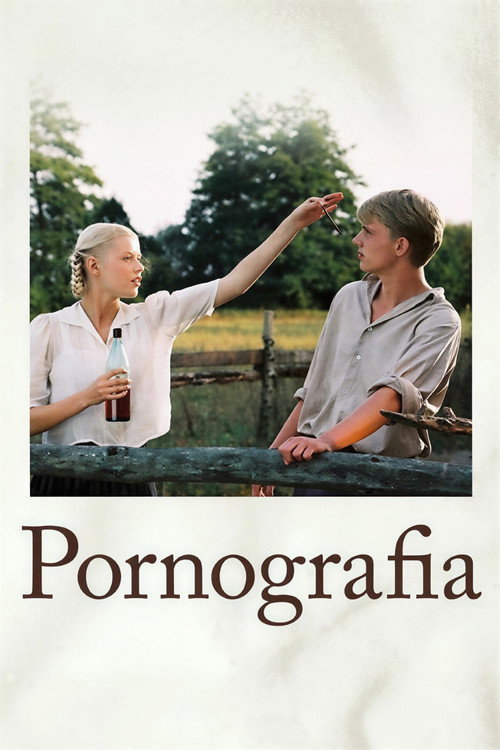
Two intellectuals, a writer and a director, begin to play a mysterious psychological game in a peaceful countryside manor house during the Nazi occupation.
Pornography

A man returns home after a long time. The house is in a bad shape, ruined with graffiti on walls, but it doesn't stop him from staying in. The man has an aim that requires complex preparations. The house has however already a new inhabitants that start to influence the man's performance and to mingle with silhouettes from the character's recent past, spent at the Central Asia border. Are the war prolonged tension and the man's shattered emotionality possible to overcome, so that he may really re-locate in a peaceful surroundings of his home-village?
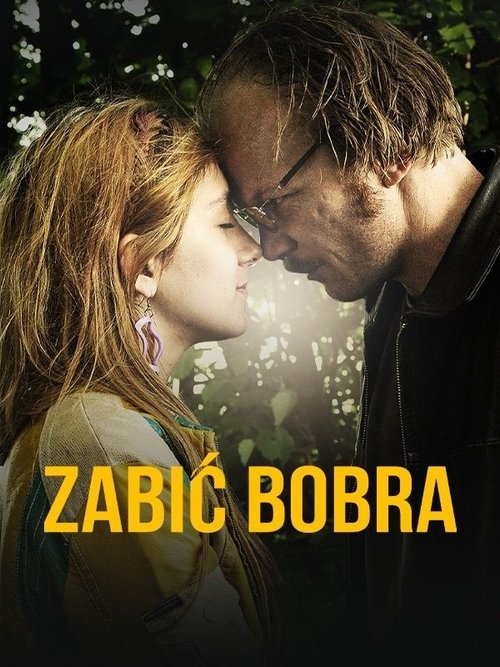
To Kill a Beaver

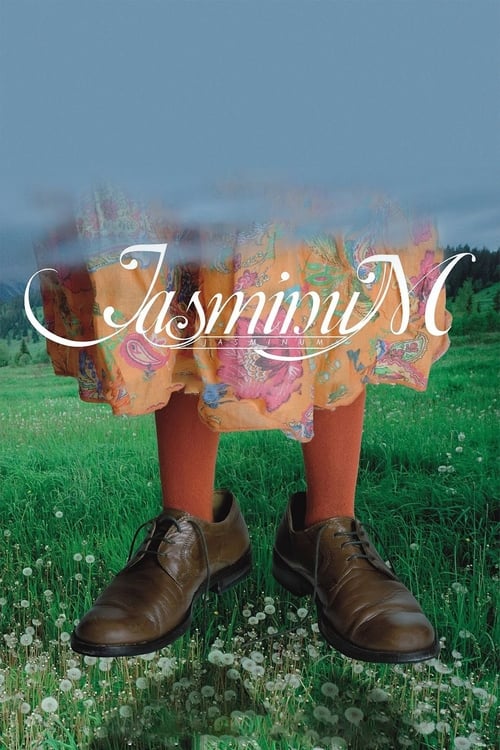
The peaceful world of a monastery, in a small town Jasmine, is destroyed by the arrival of monument restorers, Natasha, along with her daughter Eugenia. The legend associated with the monastery bode revelation in him a saint in the near future. Despite initial reluctance, Natasha starts the maintenance of the image stored there. The secrets of the monastery are unraveled: the unhappy lovers bodies placed in the catacombs, the secret elixir of love, created with the smell of the monks.
Jasminum
Years later, Lena returns to Poland, accompanied by a French journalist, to learn the truth about her father.
Magneto
A young, beautiful, ambitious, but professionally inexperienced priest Jakub comes to a small village. Even the initial contacts indicate that he finds himself in an environment that he not only does not know, but also does not understand.
Miraculous Place

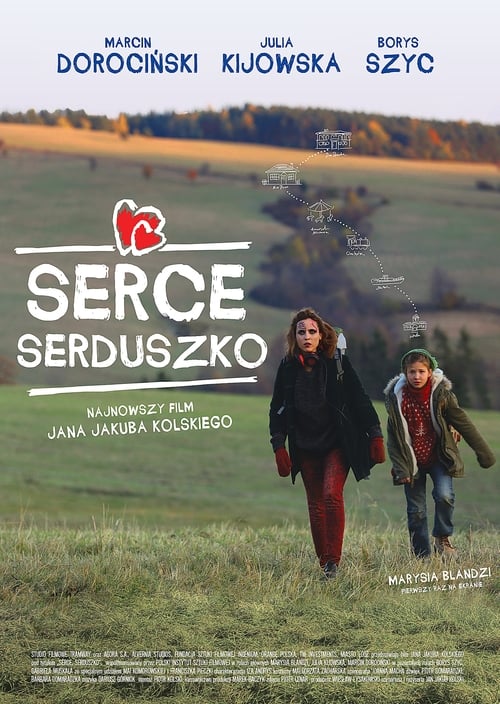
A story, warm and full of humor, about Maszenka, an 11-year-old girl from an orphanage in the Bieszczady Mountains who loves ballet. The first stage on her road to fulfilling her dream is the entrance exam to the ballet school in Gdansk. To make it there in time, she escapes from the orphanage, taking newly hired educator Kordula with her. They travel all the way across Poland, hiding from the police and meeting people who help them in need.
The Heart and Sweetheart

On the road wandering minstrel finds a mare, which, upholstered and sickly, is dying. He buries mare and casts a curse in the village where the animal was tortured. In the village lives Jańcio, a philosopher, a man loving life and his young wife, Weronka. Jańcio lives in harmony with God and is not expecting that he will be put to the test by him. He is convinced he has the power to make miracles. He leaves his pregnant wife, and goes to see the world, promising to return before the due date.
Johnnie Waterman

In a small village a couple fails to conceive. One day the man brings home to hide a Jewish woman whose family was murdered.
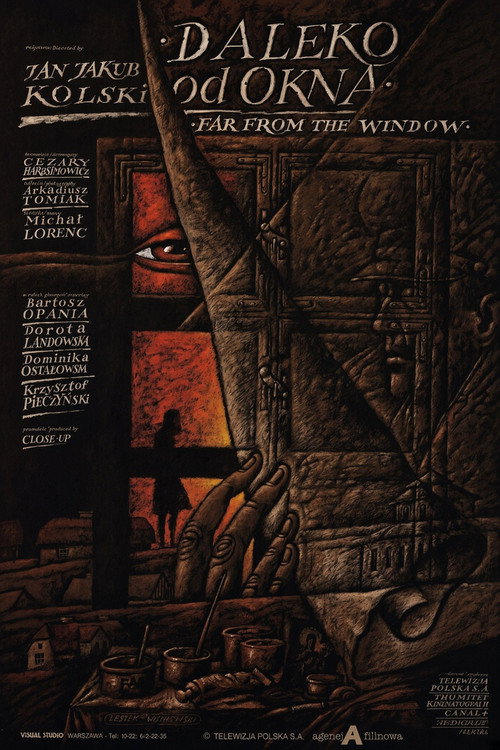
Keep Away from the Window
A 2005 novella film created to commemorate the 25th anniversary of the Solidarity movement. It consists of 13 10-minute shorts. There are various forms: mini-feature, music video, documentary, animation, interview.
Solidarność, Solidarność...

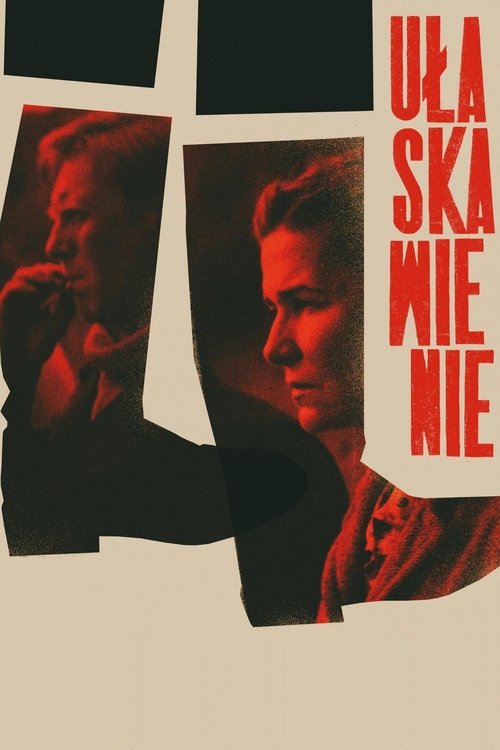
The story of a soldier’s parents told from the perspective of their 17-year-old grandson, Janek
Pardon

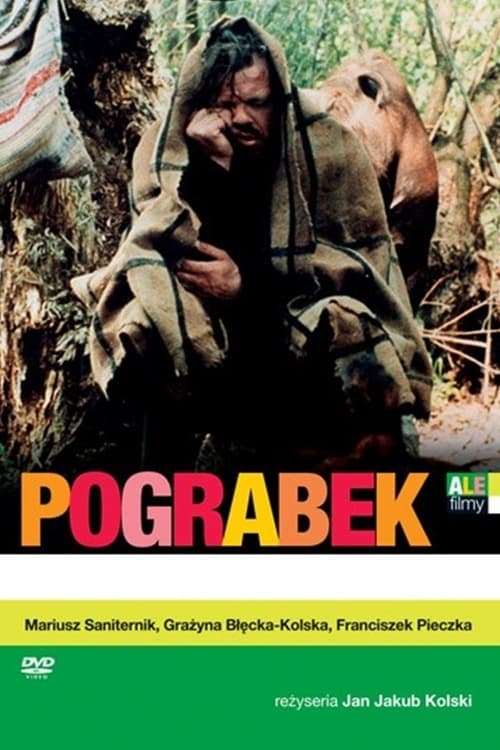
Pograbek is a village philosopher with an unconventional way of looking at things. He is planning on buying a child since he cannot have one due to his infertility. However, the woman that promised him one has changed her mind, and now the provincial gigolo is trying to make his wife pregnant.
Pograbek

A pair of amiable ex-cons retreat to the country for a fresh start - until a family reunion and a health emergency put them at odds with the law again.
The Maniacs

No description available.
Wenecja

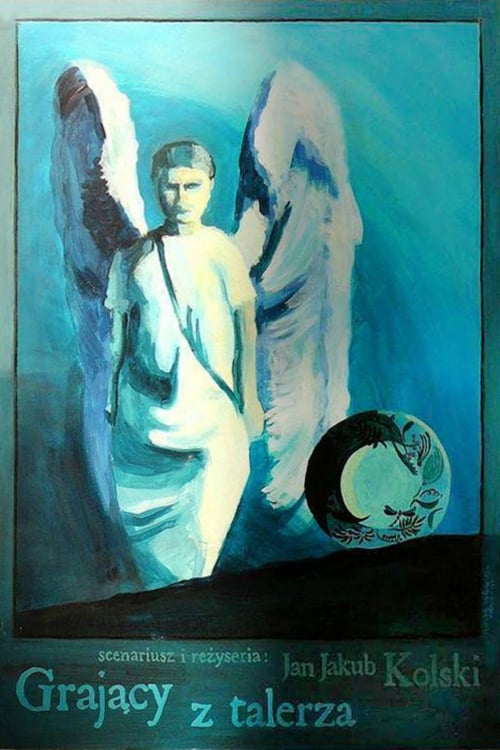
The action takes place somewhere among fields, meadows, and forests. The protagonists are simple but extraordinary people: Janka, a dwarf; Morka, a monster who escaped from the circus where he was put on public display; Kostucha, straight out of Malczewski's paintings, and finally Lunda, a man who plays the violin and pieces of plates.
The Man Who Reads Music From The Plates

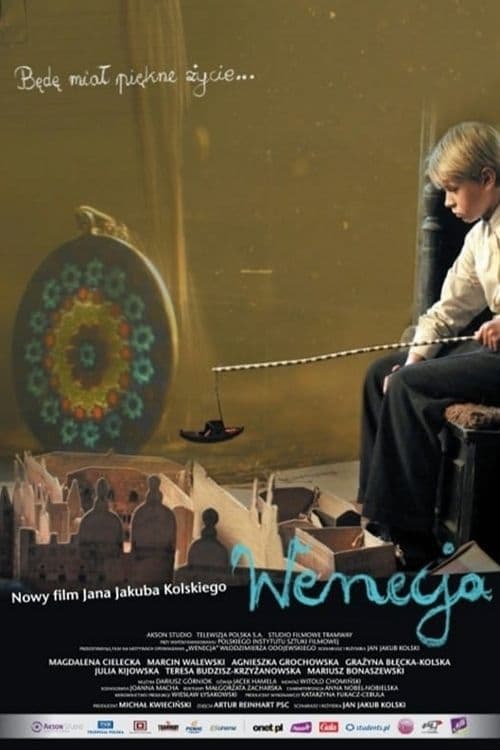
An atmospheric coming-of-age story featuring an imaginative young boy named Marek who dreams of escaping an increasingly dangerous Poland on the eve of war for beautiful Venice.
Venice

No description available.
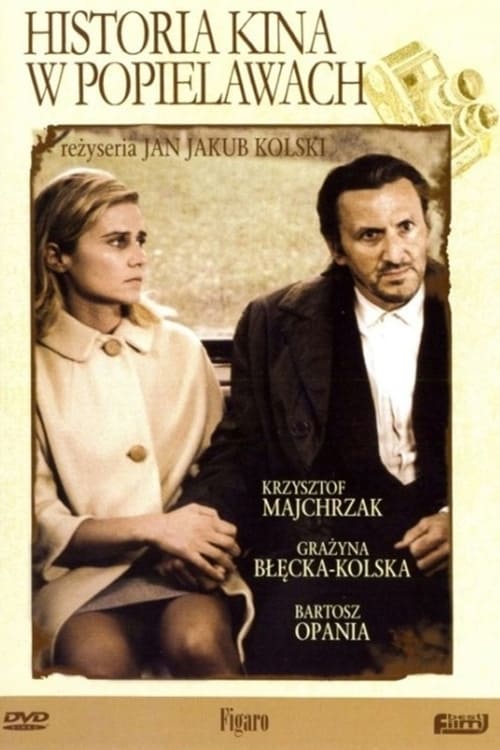
History of Cinema in Popielawy

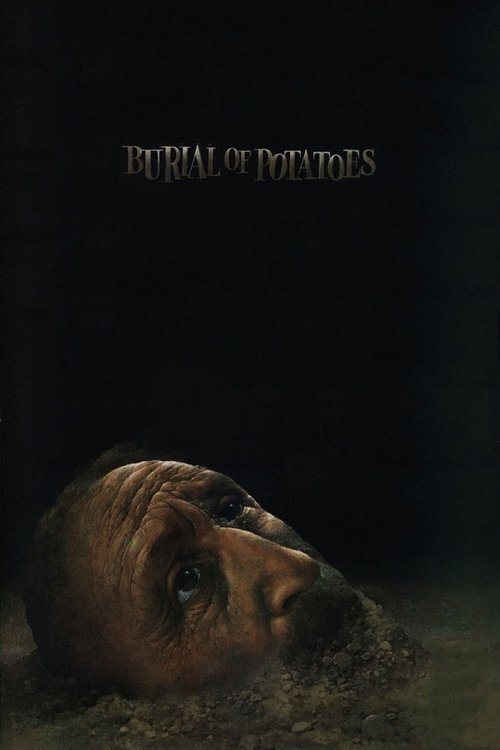
Set in 1946, the film tells a story of a Polish villager returning home after years in a concentration camp. Mateusz is an old-timer, a saddler, who finds nothing but hostility when he makes it home after years away. He is not a Jew, though the villagers brand him one and give him a hard time. They feel guilty about the death of his son at the end of the war, and don't want the father around. In the background: beginnings of the Communist regime in Poland.
Burial of a Potato

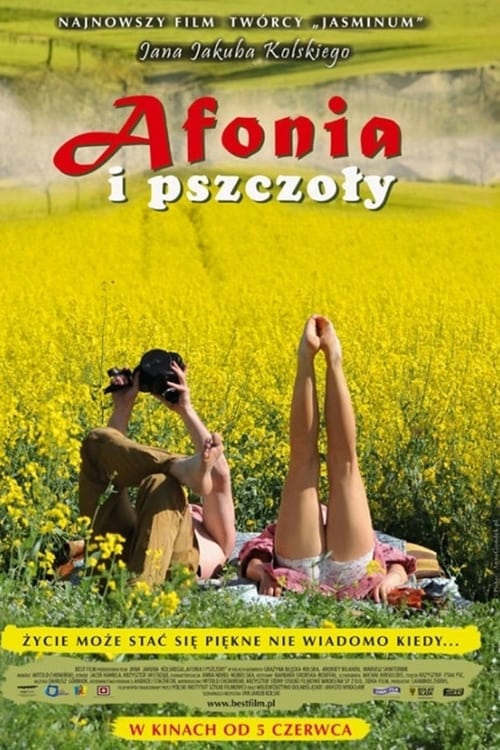
Afonia's husband is an ex-boxer, an ex-inmate of a Nazi concentration camp and almost ex-living person as he is paralyzed after an accident. Her daughter is already married. And although Afonia's name is Russian, she is Polish. The only thing both heroines share is love to another strong, handsome and addictive man. A Russian man.
Afonia i pszczoły

In the winter of 1903, a group of characters painted by the master escapes from Jacek Malczewski's paintings.
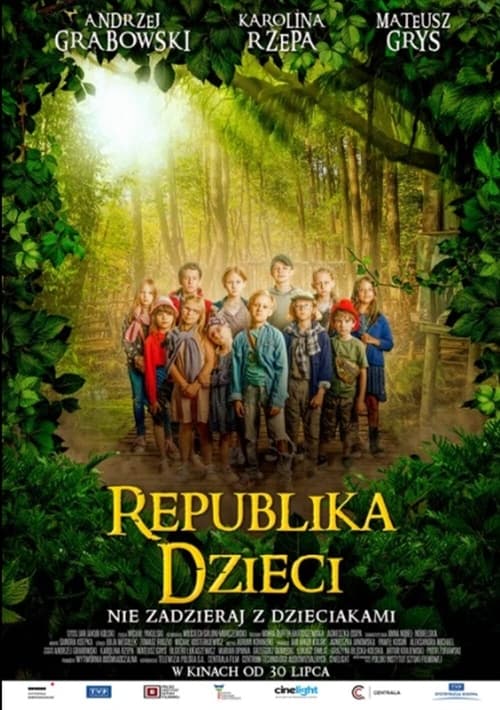
The Republic of Children

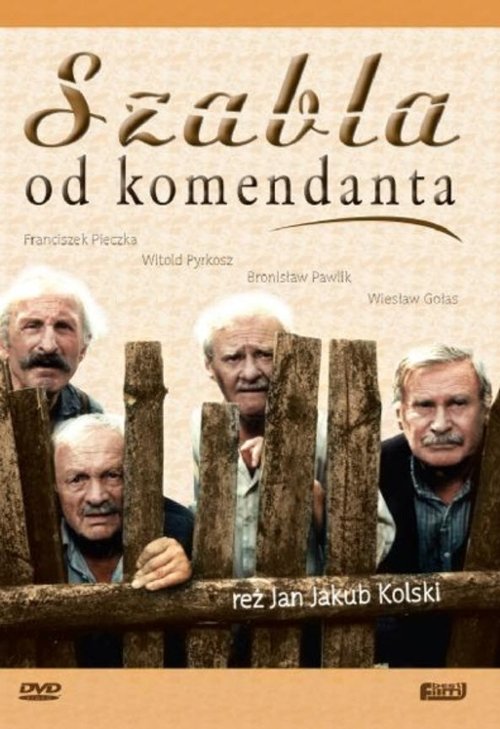
In a fairy-tale village lives Jakubek, a former legionnaire. He buried his wife some time ago and now lives with his adult but very shy son Janeczek. Three of Jakubek's comrades-in-arms also live in the same village: Kotek, Ingatko, and Gniewisz. For some time now, the legionnaires have been talking more and more about dying. Jakubek, the oldest of them, already has a beautiful coffin prepared and longs for death because he misses Brzózka, his youthful love, very much.