Costume & Make-Up
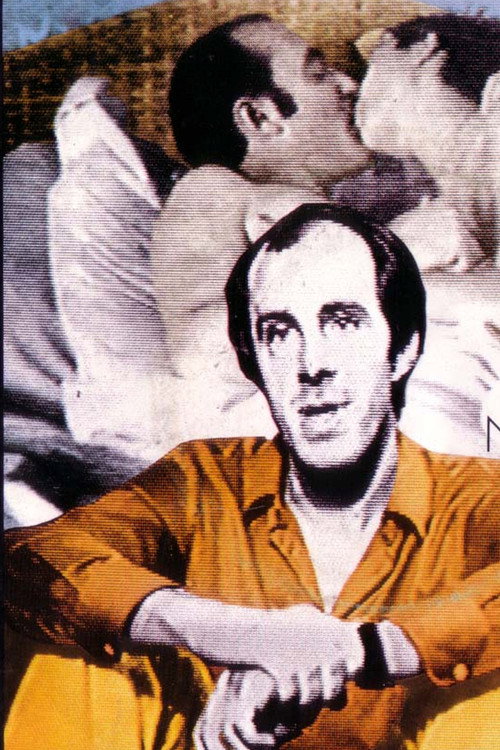
A 40-year-old architect begins to doubt his role as a father in a world sliding into decadence. When he meets a young Polish girl he runs off with her to Rhodes. His psycho-moralistic angst is presented in a series of flashbacks when the hijack of his airplane forces him to take stock of his life.
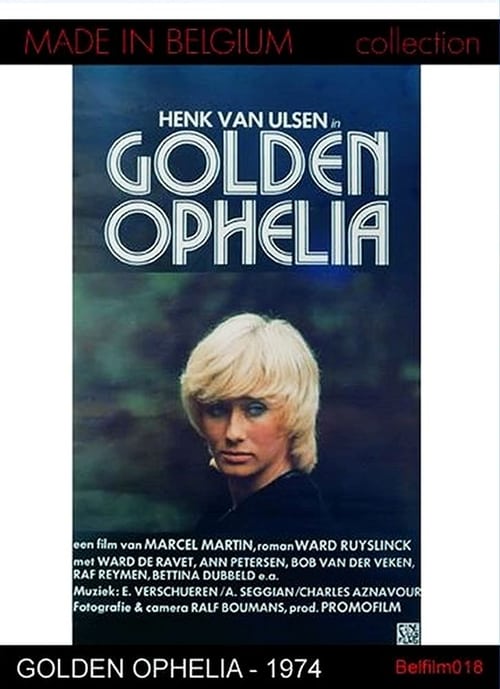
In a surreal, bureaucratically rigid society where ending one’s own life requires an official government permit, depressed florist Stefan Pielek makes the mistake of attempting suicide without the proper paperwork. Under police supervision, he submissively files his official application and closes his shop while waiting for the approval. However, during his aimless wanderings through the city, he meets a young woman who calls herself Ophelia. After falling deeply in love and rediscovering the joy of living, Stefan receives the ultimate bureaucratical blow: his suicide permit is approved, meaning that by law, he no longer exists.
Desire torments a former cultist taking refuge at the home of a scantily clad woman whose husband is away.
An older film critic's life is interrupted by an unexpected visitor.
The antiques shop Gerard owns should help him to get rid of his financial problems. He dreams of writing the most important Dutch novel ever. Unfortunately he spends money like water. As a result he is constantly broke. His sister Ingrid is married to Pierre. She wants a child but he refuses. While Gerard is willing to consider leading a normal life, a wish mainly expressed by his parents, Ingrid's marriage falls apart.
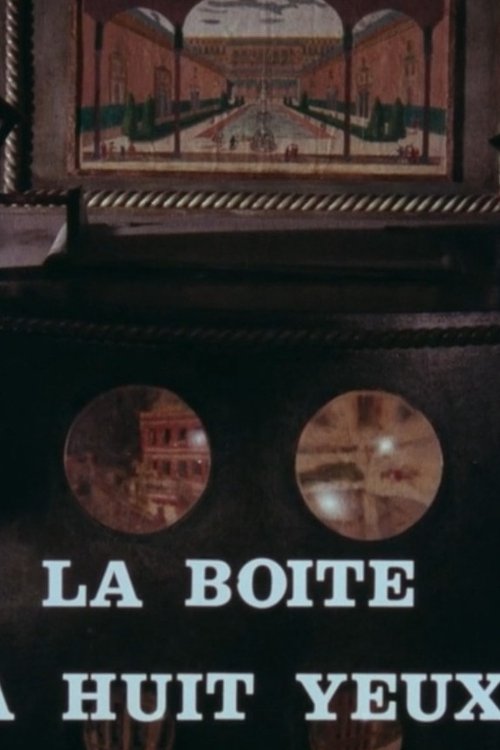
The 2nd short film as part of the Magica series dealing with pre-cinema. In the 18th and 19th centuries, optical views were shown in optical boxes with magnifying lenses. The showmen organised a real spectacle, with a barker, music and sound effects. The views played with light (transparencies, perforations). A series of engravings shows the public's enthusiasm for these shows. The second part of the film is a reconstruction of such a show. First, there are views of Paris, Venice, Constantinople and Versailles, followed by various disasters: plague, floods, fires and shipwrecks.
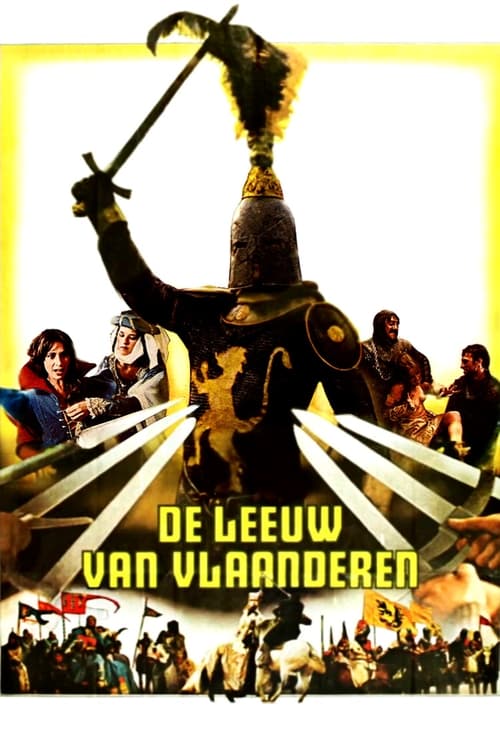
The story takes place in 14th-century Flanders, a region suffering under the oppressive and bloody occupation of the French King, Philip the Fair. Tensions between the arrogant French nobility and the proud Flemish guilds reach a boiling point. Following the bloody uprising known as the Bruges Matins, an armed conflict becomes inevitable.Without their imprisoned leader, Robert of Bethune—the "Lion of Flanders"—craftsmen, peasants, and local nobles unite. This leads to the legendary Battle of the Golden Spurs on July 11, 1302, near Kortrijk, where an untrained Flemish citizen army faces the elite French cavalry.
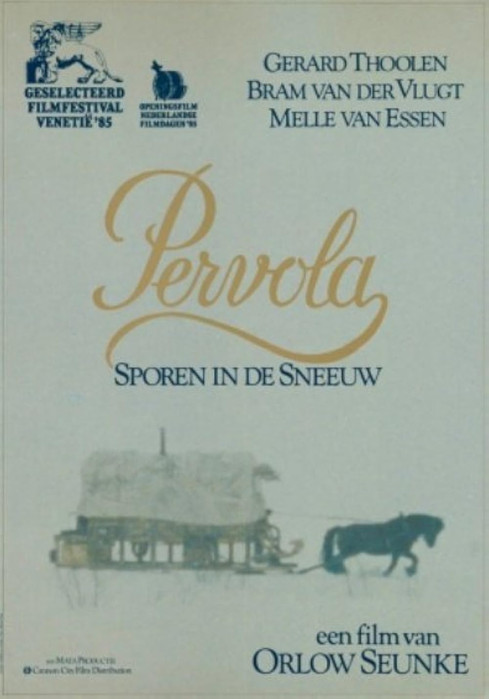
The full title of this Dutch film is Pervola: Tracks in the Snow. A stockbroker moves away from his home village of Pervola and puts his two sons in charge of his business. Older brother Hein (Bram van der Vlugt) cheats younger brother Simon (Gerard Thoolen) out of his share, claiming that Simon was disinherited because he is homosexual. Hein grows powerful, while Simon seems to weaken with each passing day. Flash-forward several years: the dying stockbroker calls his sons to his side. Faithful Simon agrees to dad's wishes that he be buried in Pervola, but Hein doesn't want to go to the trouble of transporting the body; he finally agrees to help Simon, out of fear that his brother will learn of his long-ago treachery. While arduously journeying to Pervola with the father's body strapped to a sled, Hein inadvertently confesses; Simon, however, is of strong enough moral fibre to forgive his brother.
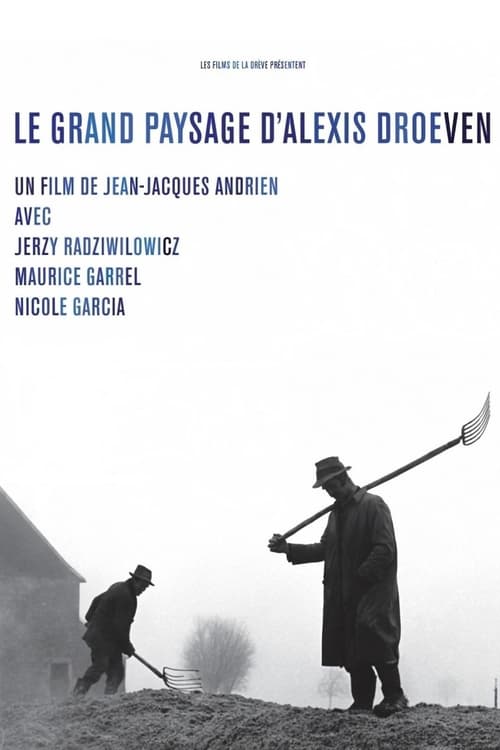
When his father dies a young man has the choice to continue the farmwork of his old man who suffered because of the hard labour and all the regulations.
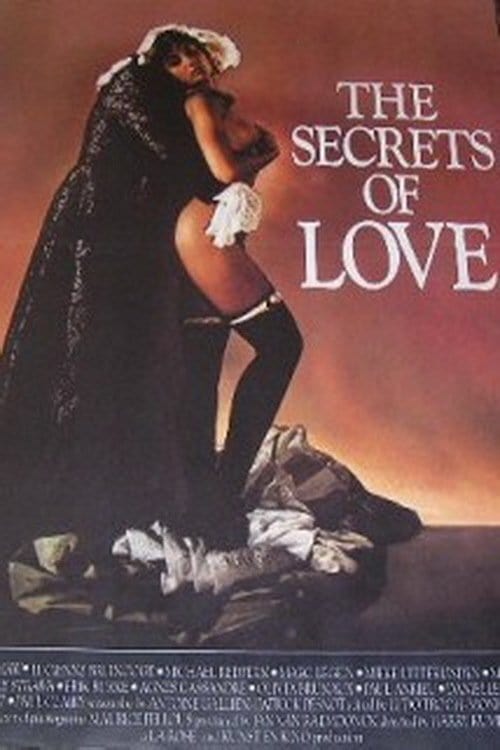
Three erotic stories from classic writers Marguerite de Navarre, Nicolas Restif de la Bretonne and Guy de Maupassant.
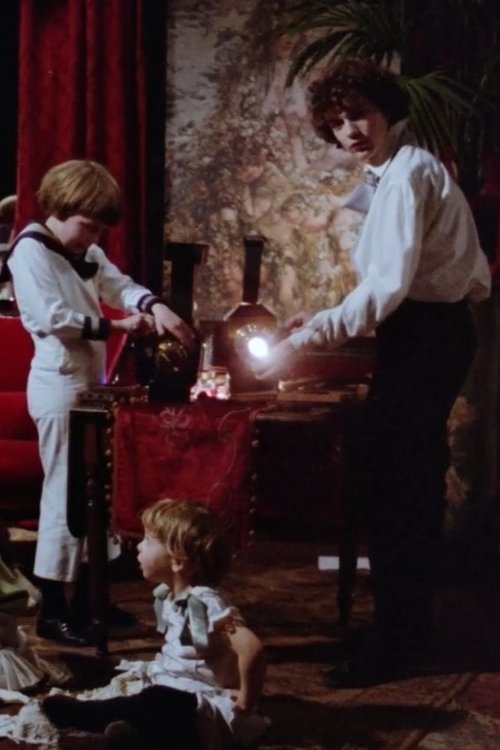
The 6th short film as part of the Magica series dealing with pre-cinema. Featuring demonstrations of magic lanterns by children.
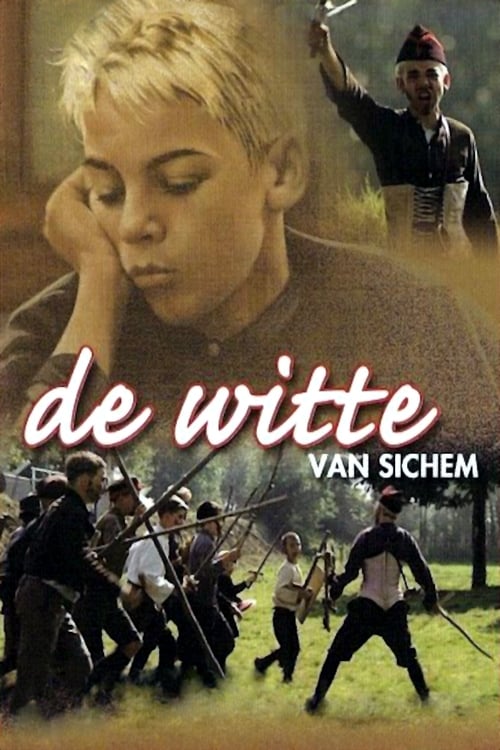
The second movie version, now in color, of Flemish (heimat-)author Ernest Claes' classical novel, titled after the nickname (Dutch 'the White', referring to a blond male) of the main character. The smart but naughty farmhands son's eternal mischief, pranks and disobedience drive his elders (especially teachers, family and father's grumpy employer, a rich farmer, but also neighbors and even the kind curate whose liturgical server he is) and classmates to despair in a time when a boy's punishment was still inevitable, swift and often severe; thus when his mother catches him skinny dipping she takes all his clothes home, forcing him to a long walk of shame, dreading dad's wrath all the way. This version also stresses the story's social and Flamingant aspects.
A Palestinian seeks Israeli permission to waive curfew to give his son a fine wedding. The military governor's condition is that he and his officers attend. The groom berates his father for agreeing. Women ritually prepare the bride; men prepare the groom. Guests gather. The Arab youths plot violence. One Israeli officer swoons in the heat and Arab women take her into the cool house. A thoroughbred gets loose and runs to a mined field; soldiers and Arabs must cooperate to rescue it. As darkness falls, tensions between army and villagers rise, and the groom's wedding-night anger and impotence threaten family dignity and honor. Can cool heads prevail?
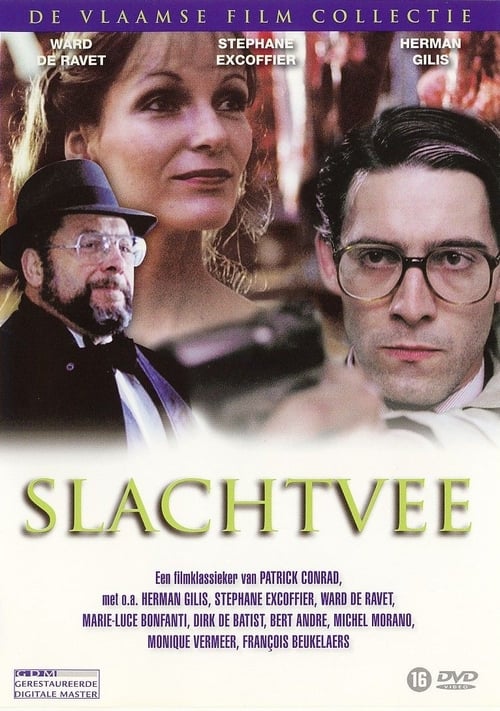
Thomas, in his forties, holds an important post in a slaughterhouse. He is engaged to Marie-Rose, the daughter of the director, whom he hopes to follow later. In a routine examination in the hospital, however, he finds out that he has cancer and his days are counted. The upheaval that he suffers as a result, however, does not take long, his decision is certain: he will use the short time to clean up some bad guys. What else can he do now?
Late 16th century, persecuted protestantism and general dissatisfaction with the Catholic Habsburg rule in the Netherlands lead to large-scale plundering and vandalizing of churches, only harshening the Spanish Inquisition, sparkling the Eighty Years War.