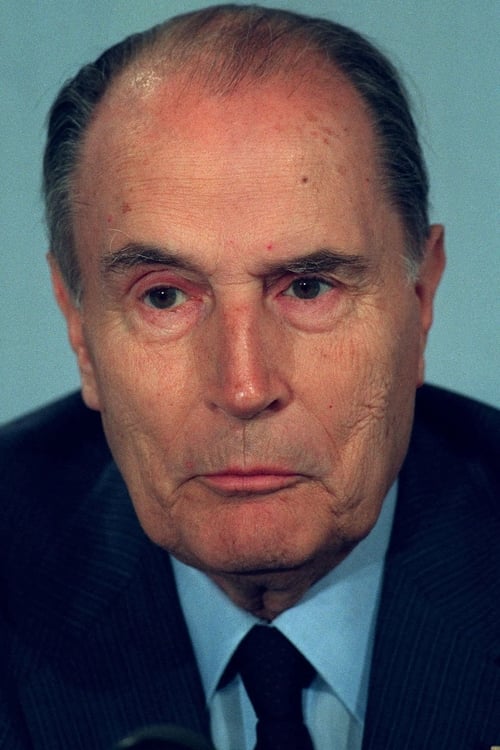
François Mitterrand
Acting
Biography
François Maurice Adrien Marie Mitterrand (26 October 1916 – 8 January 1996) was a French politician and statesman who served as President of France from 1981 to 1995, the longest holder of that position in the history of France. As a former Socialist Party First Secretary, he was the first left-wing politician to assume the presidency under the Fifth Republic. Due to family influences, Mitterrand started his political life on the Catholic nationalist right. He served under the Vichy regime during its earlier years. Subsequently, he joined the Resistance, moved to the left, and held ministerial office several times under the Fourth Republic. Mitterrand opposed Charles de Gaulle's establishment of the Fifth Republic. Although at times a politically isolated figure, he outmanoeuvred rivals to become the left's standard bearer in the 1965 and 1974 presidential elections, before being elected president in the 1981 presidential election. He was re-elected in 1988 and remained in office until 1995. Mitterrand invited the Communist Party into his first government, which was a controversial decision at the time. However, the Communists were boxed in as junior partners and, rather than taking advantage, saw their support eroded, eventually leaving the cabinet in 1984. Early in his first term, Mitterrand followed a radical left-wing economic agenda, including nationalisation of key firms and the introduction of the 39-hour work week. He likewise pushed a progressive agenda with reforms such as the abolition of the death penalty, and the end of a government monopoly in radio and television broadcasting. He was also a strong promoter of French culture and implemented a range of "Grands Projets". However, faced with economic tensions, he soon abandoned his nationalization programme, in favour of austerity and market liberalization policies. In 1985, he was faced with a major controversy after ordering the bombing of the Rainbow Warrior, a Greenpeace vessel docked in Auckland. Later in 1991, he became the first French President to appoint a female prime minister, Édith Cresson. During his presidency, Mitterrand was twice forced by the loss of a parliamentary majority into "cohabitation governments" with conservative cabinets led, respectively, by Jacques Chirac (1986–1988), and Édouard Balladur (1993–1995). Mitterrand’s foreign and defence policies built on those of his Gaullist predecessors, except in regard to their reluctance to support European integration, which he reversed. His partnership with German chancellor Helmut Kohl advanced European integration via the Maastricht Treaty, and he accepted German reunification. Less than eight months after leaving office, he died from the prostate cancer he had successfully concealed for most of his presidency. Beyond making the French Left electable, Mitterrand presided over the rise of the Socialist Party to dominance of the left, and the decline of the once-dominant Communist Party. ... Source: Article "François Mitterrand" from Wikipedia in English, licensed under CC-BY-SA.
Known For

No description available.
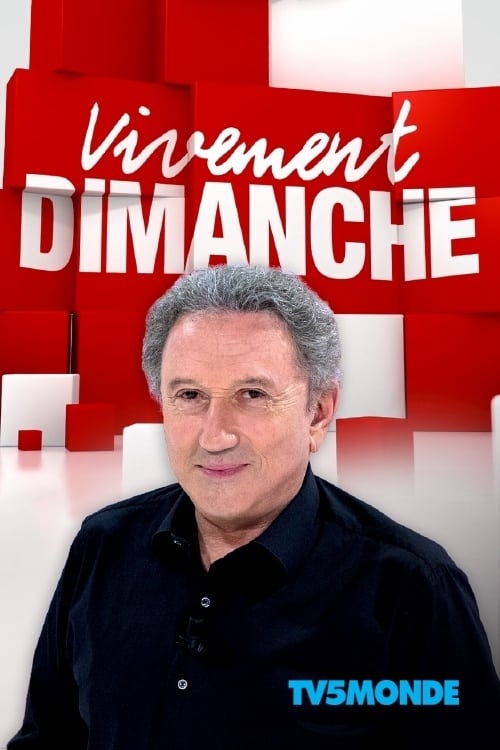
Vivement dimanche

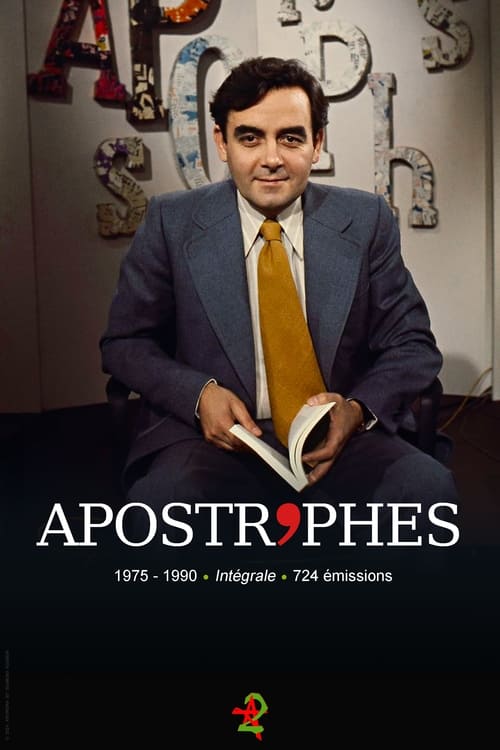
Apostrophes was a live, weekly, literary, prime-time, talk show on French television created and hosted by Bernard Pivot. It ran for fifteen years (724 episodes) from January 10, 1975, to June 22, 1990, and was one of the most watched shows on French television (around 6 million regular viewers). It was broadcast on Friday nights on the channel France 2 (which was called "Antenne 2" from 1975 to 1992). The hourlong show was devoted to books, authors and literature. The format varied between one-on-one interviews with a single author and open discussions between four or five authors.
Apostrophes

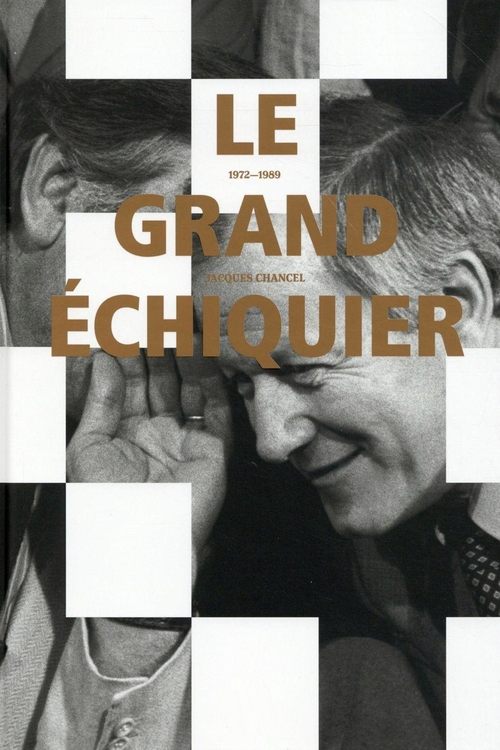
Le Grand Échiquier is a French variety television program created and presented by Jacques Chancel. It aired at 8:30 pm on the first channel of the ORTF from January 12, 1972 to July 12, 1972, then on the second color channel of the ORTF from September 1972 to December 1974, and finally on Antenne 2 from January 1975 to December 21, 1989. The program returned to France 2 on December 20, 2018 and is hosted by Anne-Sophie Lapix.
Le Grand Échiquier

No description available.
30 millions d'amis

No description available.
Il était une fois Champs-Élysées
No description available.
L'Heure de vérité

A portrait of Palestinian political leader Yasser Arafat (1929-2004).
Unveiling Arafat

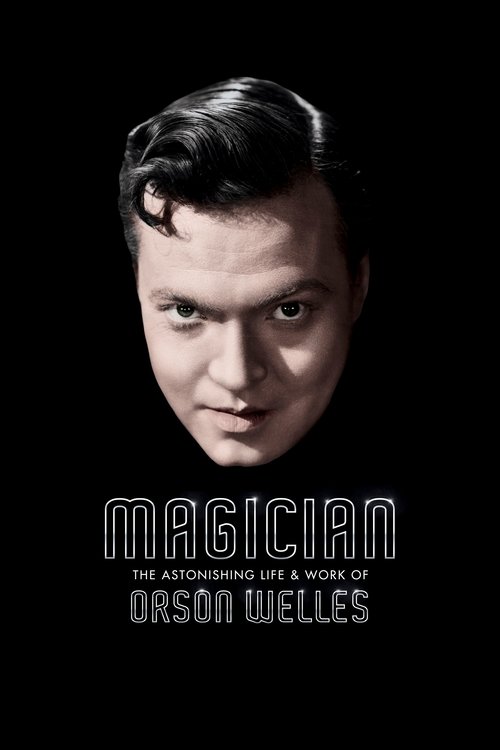
The extraordinary life of Orson Welles (1915-85), an enigma of Hollywood, an irreducible independent creator: a musical prodigy, an excellent painter, a master of theater and radio, a modern Shakespeare, a magician who was always searching for a new trick to surprise his audience, a romantic and legendary figure who lived only for cinema.
Magician: The Astonishing Life and Work of Orson Welles

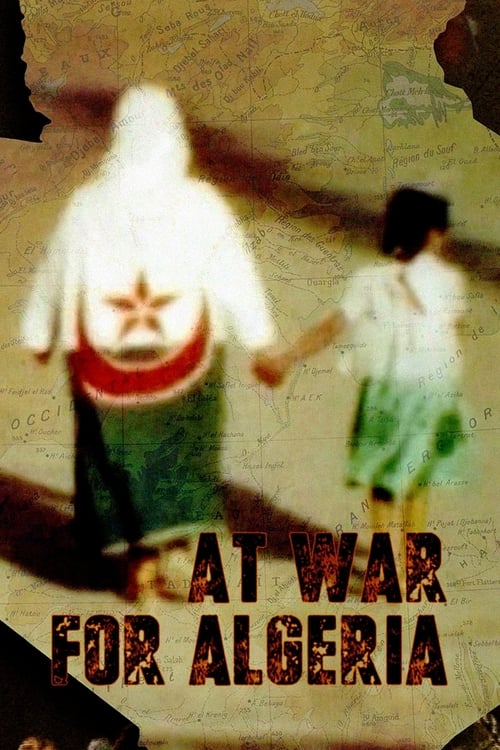
North Africa, 1954. The Algerian war of independence begins, a traumatic and extremely violent catastrophe that for eight long years will shake and finally overthrow the foundations of the colonial regime established by France in 1830.
At War for Algeria

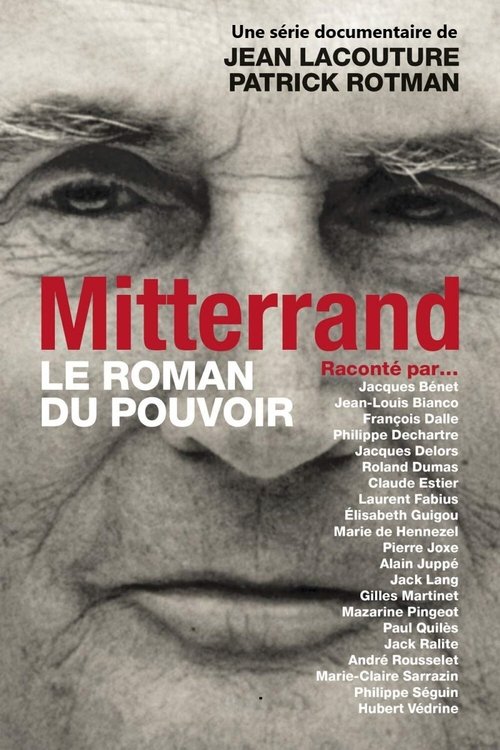
Jean Lacouture and Patrick Rotman interview the witnesses of François Mitterrand's life. Their testimonies, which both complement and contradict each other, write the story of a life: the youth, the Vichy regime and the Resistance during the Second World War, the Fifth Republic and the Algerian war, the conquest of the Elysée, the backstage of power and the secrets of a president.
François Mitterrand : le roman du pouvoir

How did Sarah and Victor get along for more than 45 years? Who was this enigmatic woman living in the shadow of her husband? Love, ambition, betrayals and secrets feed the story of this extraordinary couple, as they experience both the large and small moments of the last century's history.
Mr & Mme Adelman

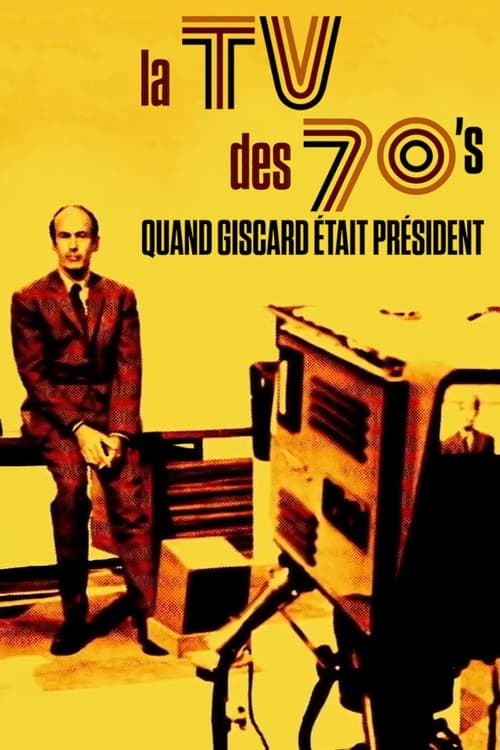
In May 1974, Valéry Giscard d'Estaing became President of the Republic and wanted to bring about a new era of modernity. One of his first decisions was to break up the ORTF with the creation of three new television channels: TF1, Antenne 2 and FR3. Three new public channels but autonomous and competing. It is a race for the audience which is engaged then, and from now on the channels will make the war! This competition will give birth to a real golden age for television programs, with variety shows in the forefront. The stars of the song are going to invade the living rooms of the French for their biggest pleasure. This unedited documentary tells the story of the metamorphosis of this television of the early 1970s, between freedom of tone, scandals, political intrigues and programs that have become mythical.
La TV des 70's : Quand Giscard était président

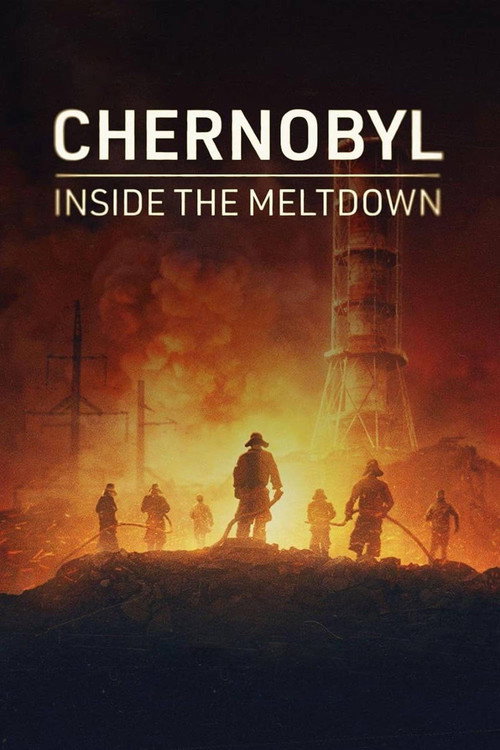
Featuring revealing interviews with survivors speaking publicly for the first time, alongside rare insight into the CIA and Soviet responses, this series exposes a web of secrecy, miscalculation, and human cost. Astonishing new footage from inside the nuclear exclusion zone reveals how this scarred landscape is once again under siege as war encroaches on one of the most dangerous places on Earth.
Chernobyl: Inside the Meltdown

The behind-the-scenes story of French television… This documentary unveils the lesser-known history of two audiovisual decades that have shaped today's television. To explain from the break up of the French broadcasting service ORTF, in 1974, to the creation of Arte, via the birth of Canal+, the life and death of La Cinq and the privatization of TF1 — the succession of political, economic and cultural decisions that have shaped what is known as the “PAF” (French Audiovisual Landscape).
Télévision (histoires secrètes)

A historical perspective to understand Neoliberalism and to understand why this ideology today so profoundly influences the choices of our governments and our lives.
Laissez-faire

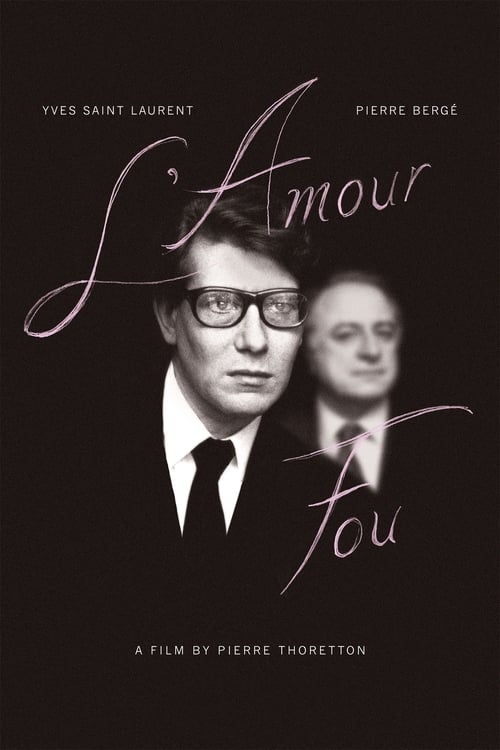
3 decades told via the careers of emblematic designers, combining major historical events with minor happenings, anecdotes with fate and fortune, and pop nuggets with collective drama. The collection looks back over 3 decades of fashion (from 1980 to date), from the carefree emergence of the star-designer of the 1980s, to the arrival on the market of the major luxury groups and the toughening-up of the system.
Fashion !

Guy Debord's analysis of a consumer society.
The Society of the Spectacle

No description available.
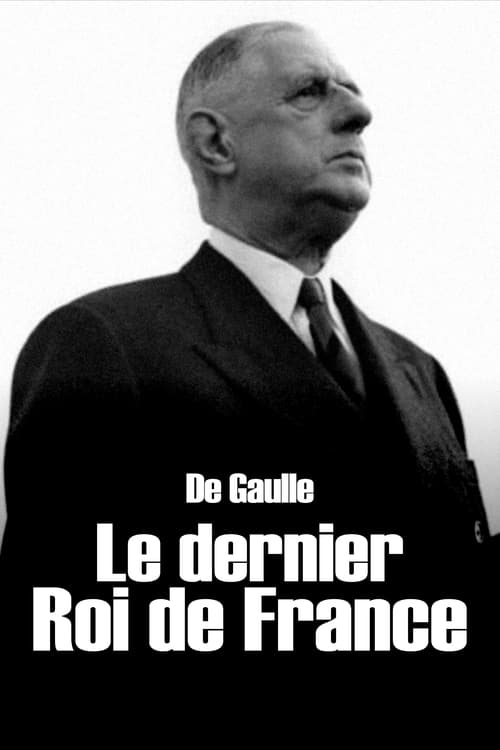
De Charles de Gaulle à Emmanuel Macron, les gardiens de l'empire

No description available.
De Gaulle, le géant aux pieds d'argile

The co-founder of the Gamma press agency, Raymond Depardon, created this documentary of press photographers in Paris and their subjects by following the photographers around for one month, in October, 1980. In-between long hours waiting for a celebrity to emerge from a restaurant or a hotel, boredom immediately switches to fast action as the cameras click and roll when the person appears. The reaction to the gaggle of photographers is as varied as the people they often literally chase all around town. While some of the celebrities, such as Jacques Chirac who was mayor of Paris at the time, are perceived as comical caricatures, others are shown simply going about ordinary pursuits - including Catherine Deneuve, Gene Kelly, and Jean-Luc Godard.