FEEL IT.STREAM
?

Guillermo Cabrera Infante

Writing

Biography

​From Wikipedia, the free encyclopedia.   Guillermo Cabrera Infante ( 22 April 1929 – 21 February 2005) was a Cuban novelist, essayist, translator, and critic; in the 1950s he used the pseudonym G. Caín. A one-time supporter of the Castro regime, Cabrera Infante went into exile to London in 1965. He is best known for the novel Tres Tristes Tigres (literally "three sad tigers", but published in English as Three Trapped Tigers), which has been compared favorably to James Joyce's Ulysses. Description above from the Wikipedia article Guillermo Cabrera Infante, licensed under CC-BY-SA, full list of contributors on Wikipedia.

Known For

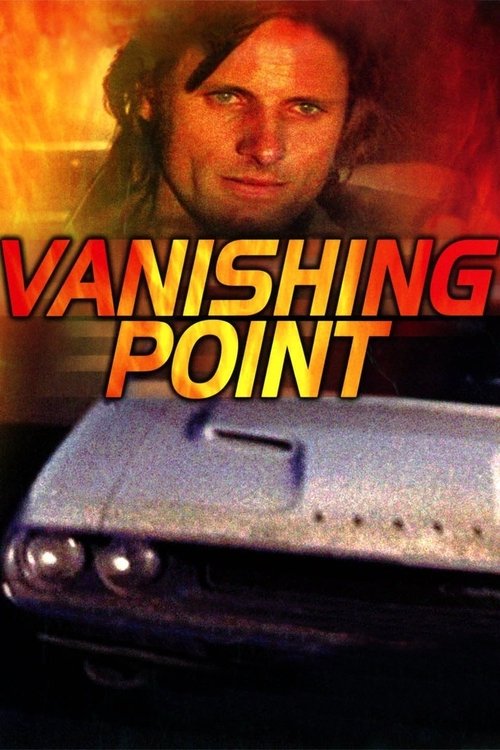
Vanishing Point
7.1

Kowalski works for a car delivery service, and takes delivery of a 1970 Dodge Challenger to drive from Colorado to San Francisco. Shortly after pickup, he takes a bet to get the car there in less than 15 hours.

Vanishing Point

1971
The Lost City
6.2

In Havana, Cuba in the late 1950's, a wealthy family, one of whose sons is a prominent nightclub owner, is caught in the violent transition from the oppressive regime of Batista to the Marxist government of Fidel Castro. Castro's regime ultimately leads the nightclub owner to flee to New York.

The Lost City

2005
Vanishing Point
5.6

When his wife goes into a troubled labor while he is on the road over 1200 miles away James Kowalski, an ex race car driver and a former Army Ranger, attempts to elude police while trying to get home. After numerous chases he turns into a Native American reservation and reflects on his life, and his wife. He heads off to break through a police roadblock.

Vanishing Point

1997
Wonderwall
5.2

The eccentric professor Collins lives completely secluded in his chaotic apartment. When the model Penny moves in next to him, he becomes fascinated by her. He drills holes in her walls and ceiling and peeps on her day and night. He loses himself in daydreams and delusions.

Wonderwall

1969
¡Qué grande es el cine!
N/A

TVE broadcasted this program on the occasion of the first centenary of the history of cinema, a feature film was broadcast weekly that, due to its characteristics, was of interest within the cinematographic world, directed and moderated by José Luis Garci, with the assistance of three experts , belonging to the world of cinema and literature, which debated following the screening of the chosen film.

¡Qué grande es el cine!

1995
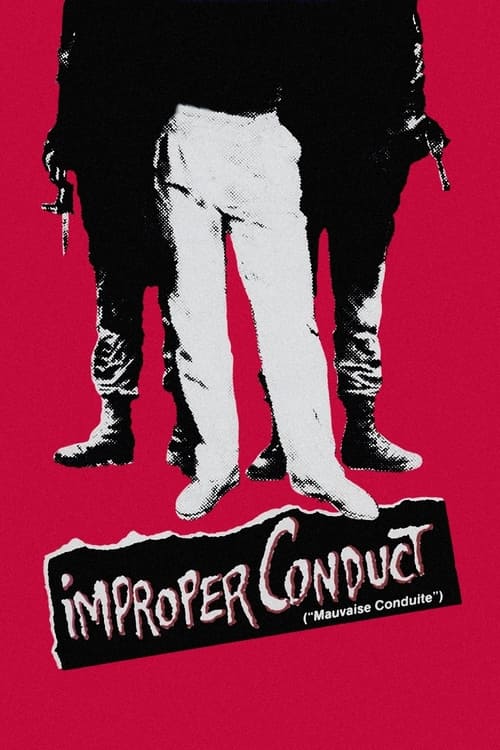
Improper Conduct
5.1

The story of the persecution of homosexuals and intellectuals in Cuba under Fidel Castro's dictatorship, from the beginning of the Cuban Revolution (1953-59) until the early 1980s. Interviews with relevant personalities of Cuban culture who suffered persecution demonstrate that concentration camps for gays existed in Cuba.

Improper Conduct

1984