Acting
Served as President of France from 1974 to 1981.
No description available.
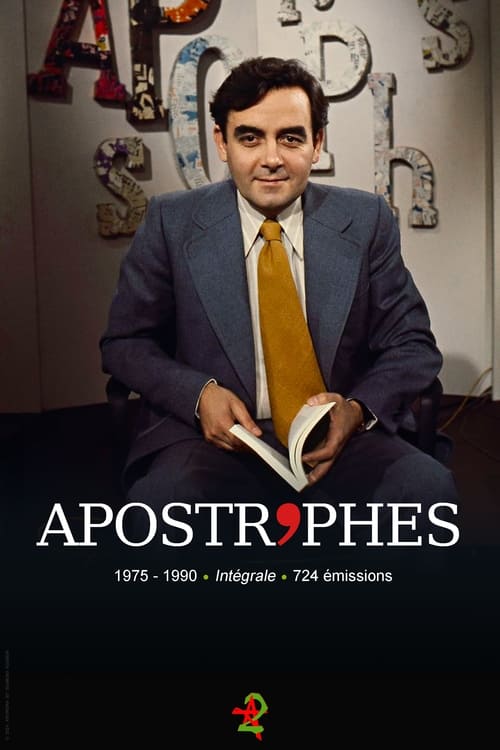
Apostrophes was a live, weekly, literary, prime-time, talk show on French television created and hosted by Bernard Pivot. It ran for fifteen years (724 episodes) from January 10, 1975, to June 22, 1990, and was one of the most watched shows on French television (around 6 million regular viewers). It was broadcast on Friday nights on the channel France 2 (which was called "Antenne 2" from 1975 to 1992). The hourlong show was devoted to books, authors and literature. The format varied between one-on-one interviews with a single author and open discussions between four or five authors.
Midi Première is a French variety show presented by Danièle Gilbert, directed by Jacques Pierre and broadcast from January 6, 1975 until January 1, 1982 on TF1. The program was generally broadcast between 12:15 p.m. and 12:55 p.m., then giving way to the 1:00 p.m. TV news. However, the broadcast schedule could change, depending on the guests, and the setting where the recording of the program was shot. Certain performances by artists who have become cult like the one where Ringo jostles with a demonstrator in interpretation (1977), that of Dalida with the title There is always a song with the soundtrack that does not start, twice, at the right speed (1978), Claude François and his Clodettes, who, in the provinces, are unable to join "the set" in order to interpret his song, the latter being taken by the crowd of delirious fans (summer 1977) . The group Supertramp performed there with the title "Dreamer" on March 8, 1975.
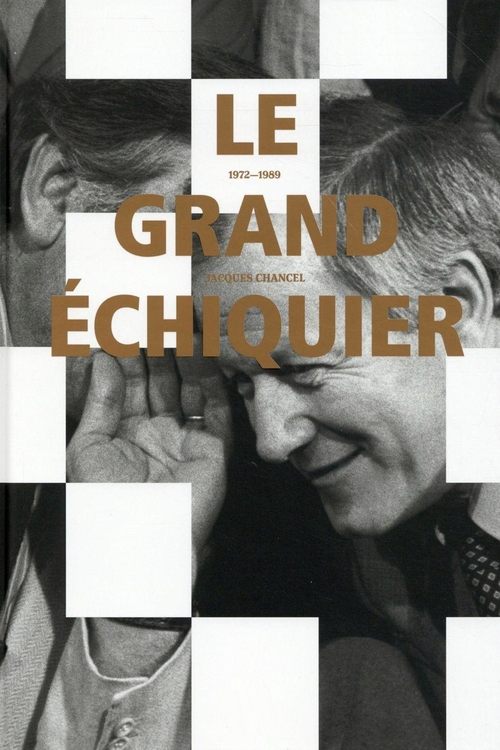
Le Grand Échiquier is a French variety television program created and presented by Jacques Chancel. It aired at 8:30 pm on the first channel of the ORTF from January 12, 1972 to July 12, 1972, then on the second color channel of the ORTF from September 1972 to December 1974, and finally on Antenne 2 from January 1975 to December 21, 1989. The program returned to France 2 on December 20, 2018 and is hosted by Anne-Sophie Lapix.
In-depth interviews with hard-hitting questions and sensitive topics being covered as famous personalities from all walks of life talk about the highs and lows in their lives.
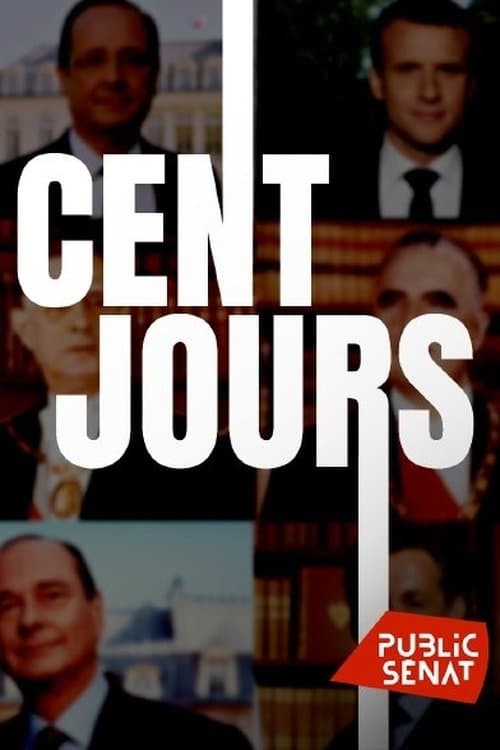
From the first minutes after his inauguration, the newly elected president wants to translate his promises and his campaign project into action. "Change is now", "Change life", "Together everything becomes possible": all campaign slogans promising a break with the past, a change. The first few months were decisive: it was a matter of making a mark, asserting one's style, imposing one's authority and taking the first measures, those that would make a mark on public opinion and set the first lines of the political narrative in history. From 1959 to 2017, the eight successive presidents have acted without delay. Thanks to the many witnesses and actors of these first hundred days, the film retraces the stakes and decisive moments that marked the beginning of each mandate.
Ironic portrait of the strong men of the Chilean military dictatorship commanded by General Augusto Pinochet after September 11, 1973. As a counterpoint, the families of the victims and the missing bear witness to a different reality.
From his childhood in a modest family in the Pyrénées to his unexpected career as a porn actor in the 1970s, the film traces the life of Claude Loir, who set out to fully embrace life. His homosexuality and curiosity guide him through encounters that lead into the shadowy, liberated circles of a pre-AIDS era, caught between conservatism and sexual freedom. Loves and lovers, flamboyance and fragility… the film offers a striking portrait of a fearless, hedonistic man navigating desire, identity, and society’s constraints.
In May 1974, Valéry Giscard d'Estaing became President of the Republic and wanted to bring about a new era of modernity. One of his first decisions was to break up the ORTF with the creation of three new television channels: TF1, Antenne 2 and FR3. Three new public channels but autonomous and competing. It is a race for the audience which is engaged then, and from now on the channels will make the war! This competition will give birth to a real golden age for television programs, with variety shows in the forefront. The stars of the song are going to invade the living rooms of the French for their biggest pleasure. This unedited documentary tells the story of the metamorphosis of this television of the early 1970s, between freedom of tone, scandals, political intrigues and programs that have become mythical.
François Hollande, François Bayrou, Christiane Taubira, Valéry Giscard d'Estaing, Jean-Luc Mélenchon, Arlette Laguiller, Jean-Marie Le Pen... reveal the driving forces behind their strategies, recount their joys and doubts, and talk about the exhilaration of popular jubilation and the harshness of an exhausting marathon—the adrenaline, the staging, the blows that are dealt and received, the hopes of victory and, in the end, more often than not, defeat. Through the testimonies of eighteen former candidates, "big" and "small," who participated in the Elysée competition between 1969 and 2012, this documentary directed by Jean-Baptiste Péretié reveals the human and political comedy of the presidential elections, the great theater of the conquest of power.
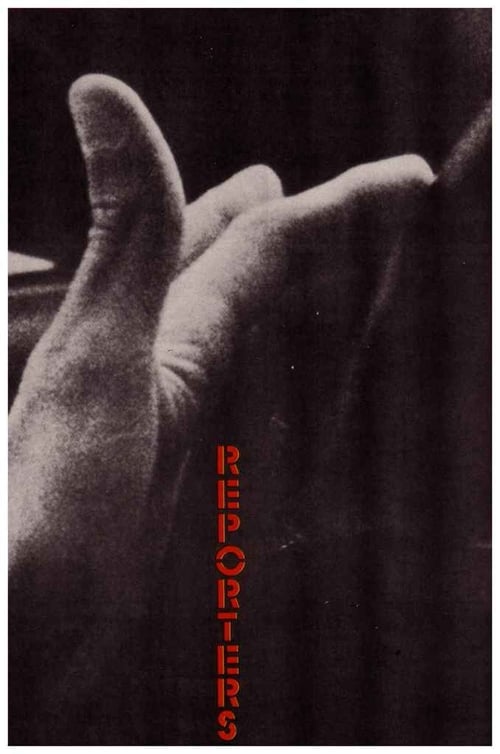
The co-founder of the Gamma press agency, Raymond Depardon, created this documentary of press photographers in Paris and their subjects by following the photographers around for one month, in October, 1980. In-between long hours waiting for a celebrity to emerge from a restaurant or a hotel, boredom immediately switches to fast action as the cameras click and roll when the person appears. The reaction to the gaggle of photographers is as varied as the people they often literally chase all around town. While some of the celebrities, such as Jacques Chirac who was mayor of Paris at the time, are perceived as comical caricatures, others are shown simply going about ordinary pursuits - including Catherine Deneuve, Gene Kelly, and Jean-Luc Godard.
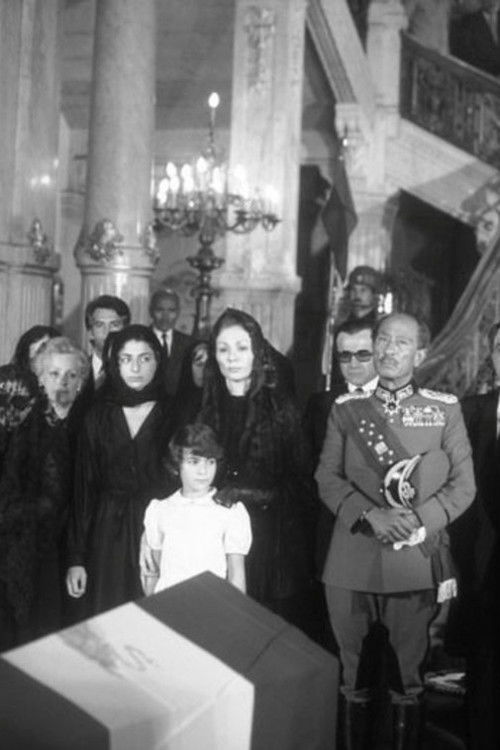
The documentary "Guest in Cairo," (The Shah's funeral ceremony) part of Manoto’s documentary series, delves into the final days of Mohammad Reza Pahlavi in Cairo, Egypt, using never-before-seen footage. A king who, after being exiled from his country, was abandoned by almost all his friends and allies. Among them, Anwar Sadat, the President of Egypt, was the only one who refused to sacrifice his friendship with the Shah for political gains and deals. While no one else was willing to accept the ailing Shah, Sadat offered refuge to him and his family and appointed Egypt’s most skilled doctors to care for him. After the Shah’s death, Anwar Sadat held an official and grand funeral, showcasing his unwavering loyalty and friendship with the fallen monarch.
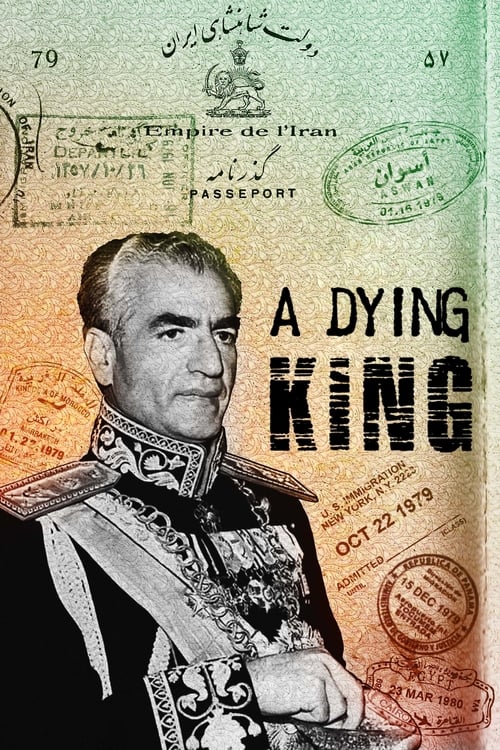
On January 16, 1979, the then Shah of Iran, left Iran commencing what became a 19-month odyssey to exile in Egypt, Morocco, Bahamas, Mexico, US, Panama, and back to Egypt again where he passed away. His death had profound consequences for the future of the middle east and the world, yet the untold medical story of the late Shah of Iran has to date remained a puzzling mystery. This documentary leads viewers to the main causes of the Iranian revolution, pursuant hostage crisis, and the state of relations between the U.S. and Iran.
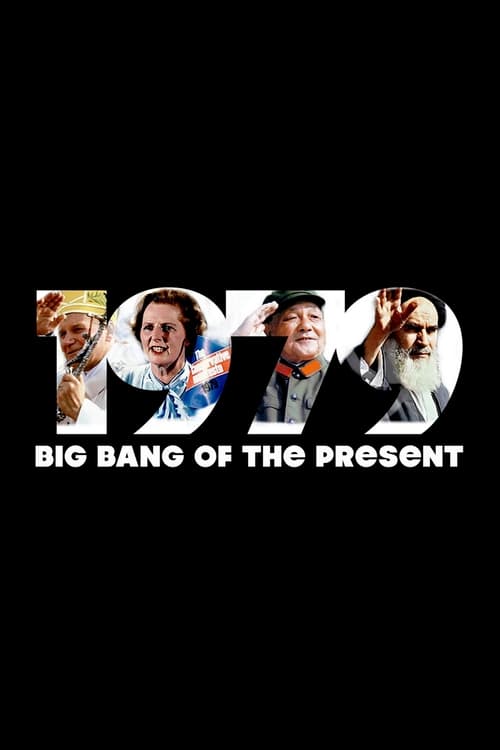
Deng Xiaoping's economic and political opening in China. Margaret Thatcher's extreme economic measures in the United Kingdom. Ayatollah Khomeini's Islamic Revolution in Iran. Pope John Paul II's visit to Poland. Saddam Hussein's rise to power in Iraq. The Soviet invasion of Afghanistan. The nuclear accident at the Harrisburg power plant and the birth of ecological activism. The year 1979, the beginning of the future.
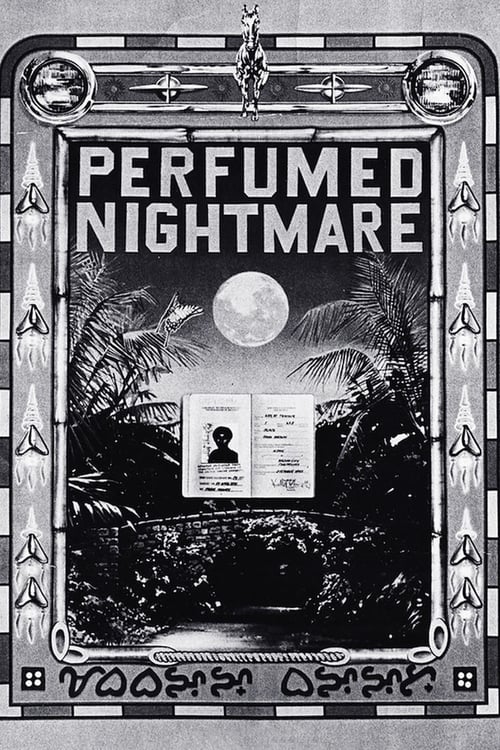
Kidlat, a Filipino jeepney driver, is fascinated by the idea of the American space programme and by Western society as a whole. When he moves to Paris, disillusionment sets in as his dreams are gradually shattered.