Acting
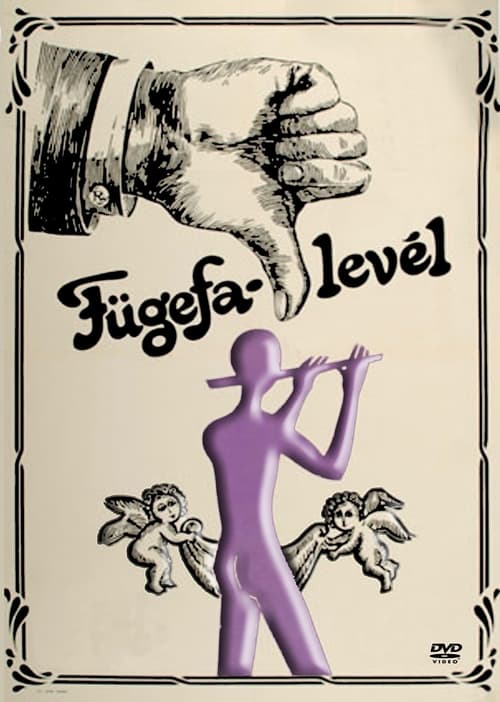
On the main square of Halmaz a naked sculpture of a boy is unveiled. The editor-in-chief of the local paper launches an attack against the scandalous implementation of "bourgeois pornography". The youth of the town, among them Ancsa, daughter of the editor decide to co-operate against the general sole-licking and prudery.
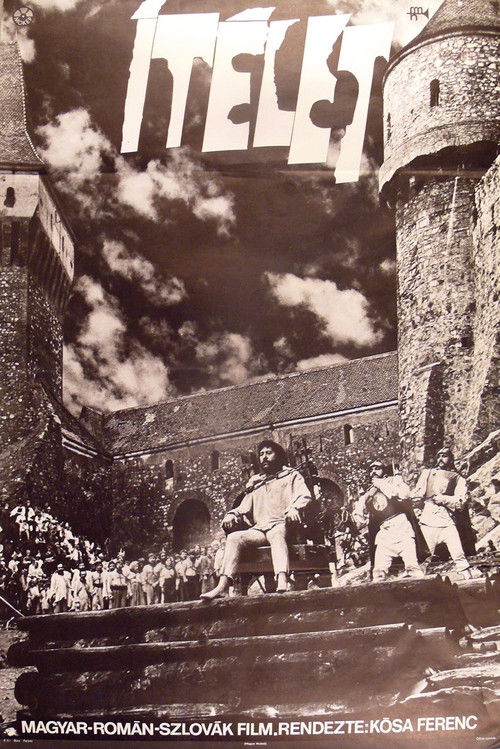
The film is a historic parable about the topicality of revolution. 1514. The peasants' uprising is over, Dózsa has been arrested. Werbőczy tries to get the imprisoned peasant leader deny the revolution and offers him the lives of his people in exchange.
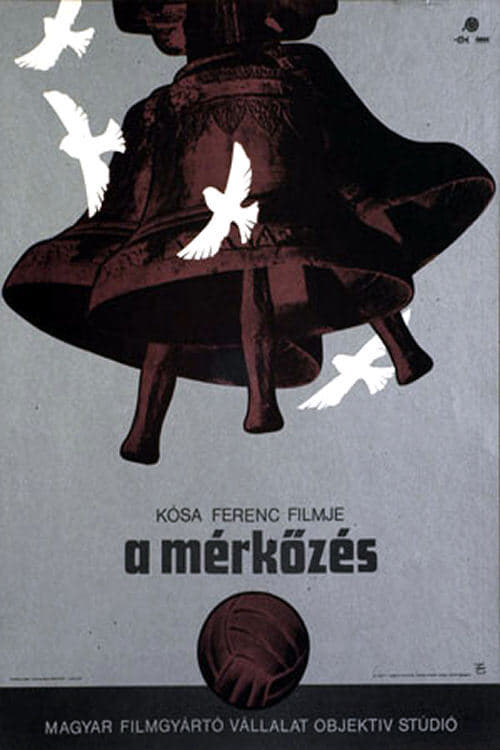
Summer of 1956. In the small town in the Hungarian country-side, during the time the chief of police spends in a course in Budapest, Rigó Dezső is the boss with full powers. He is fighting tooth and nail to help the local football-team stay in the second national selection. During one of the matches, he beats the referee to death.
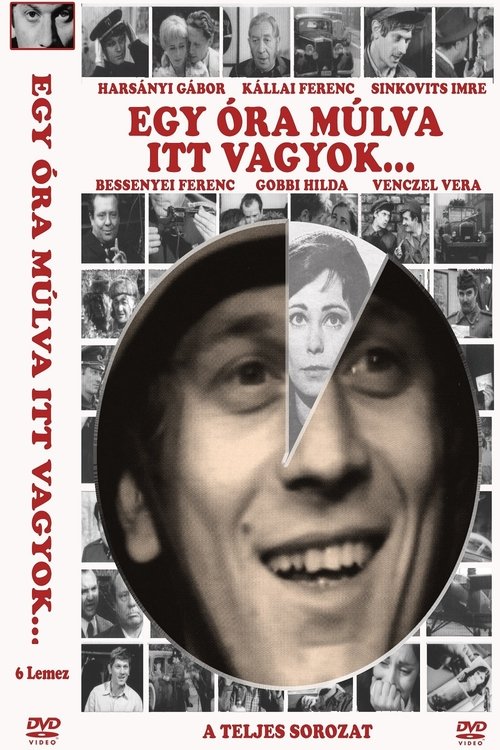
Pongrácz, an employee of the railway company and participant of the movement called "two thousand tons", is killed in what looks to be an accident. Szabó, his friend, having found the workbook, goes on with the fight.
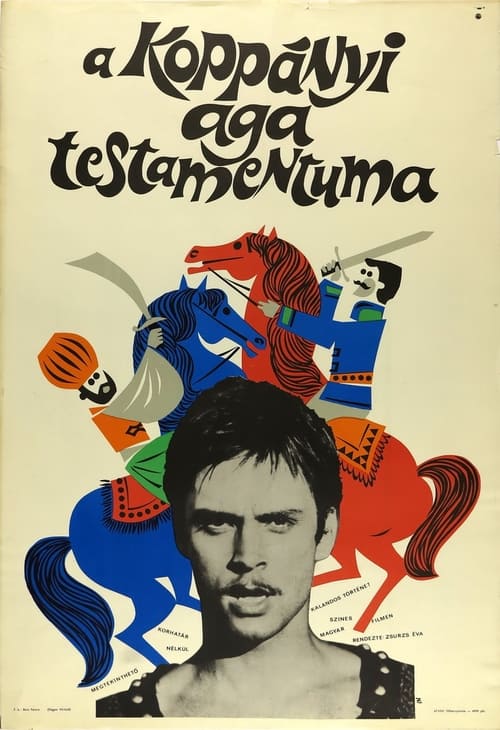
In 1585 the Turks and Vallons are looting the Látrány region.
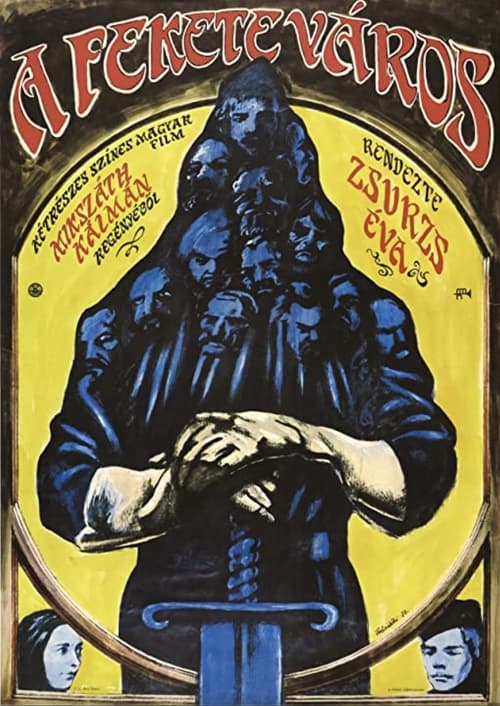
Feature film version of the 1971 series. On the eve of the 18th century, County Vicecomes Görgey Pál broods alone in his manor while the town of Leutschau celebrates New Year’s with lead‐casting omens and a disastrous hunt that sparks a bitter feud. As Görgey fights for his honor and life, and the townspeople defend their Saxon privileges, their mutual blind ambition prevents them from seeing the rising light of Rákóczi’s coming rebellion.
No description available.
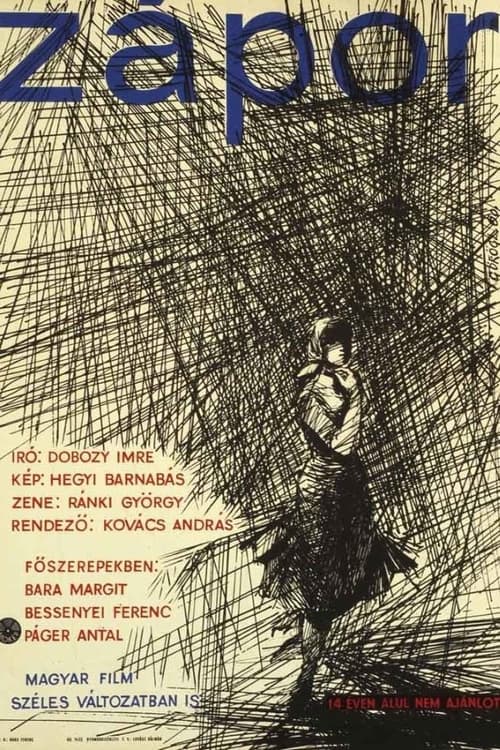
Miskei, the popular and dynamic president of a co-op falls in love with Mari, the attractive wife of the elderly Pató. The deeply feeling woman is fed up with the service beside the haughty land holder, she is longing for tenderness and a child. The passion of Miskei is growing when he sees how crudely, humiliating Pató treats her. During a powerful summer shower, when chance brings them together in an abandoned press house, he storms on Mari confessing love. The woman refuses him bitterly. Miskei calms down and he keeps on expressing his love and high esteem with the woman by steadfast and tiny compliments. Early one morning Mari leaves her husband and sets off to the city to learn and to begin a new life.
From Bonaparte to Casanova, history is cast in the light of famous escapes from various European countries.
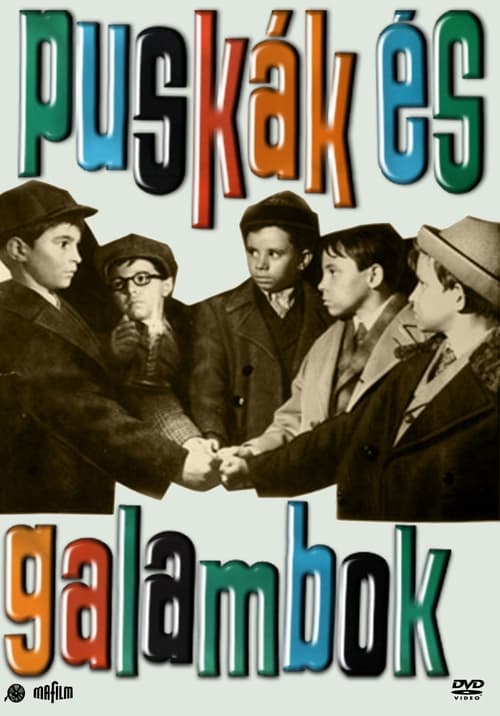
1920 in a mining town in the country-side. The team of children led by Ferkó Boda fish guns and a flag of Red soldiers out of the local lake.
Sztankó János, the freshly appointed director of a company that builds agricultural factories meets his former classmate, Palócz. Palócz is just released from the prison where he got on made-up charges. Sztankó suddenly decides to employ the engineer since he wants to show up spectacular, quick results.
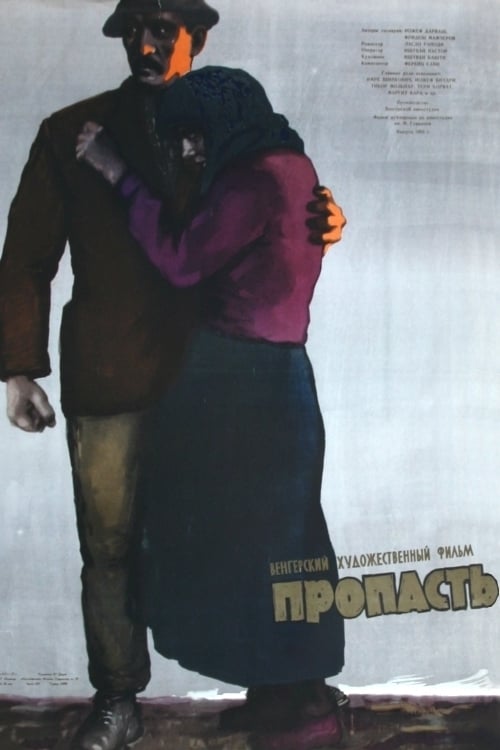
Nagy István, the formerly poor peasant boy returns to his native village as a teacher. His conviction is that the abyss between rich and poor can be diminished by good will. The rich Böröcz Horváth Klári returns his love, and also Böröcz Horváth is willing to help the poorest family, the Bakos. Bakos Jóska, who was sent to serve the tough Böröcz Horváth as a payment, dies of an infected wound and the people in the village hold the teacher liable as well. Nagy István realises, that the abyss cannot be ceased, what is more, it is impassable. He breaks up with his fiancée and stands by the side of the poor.
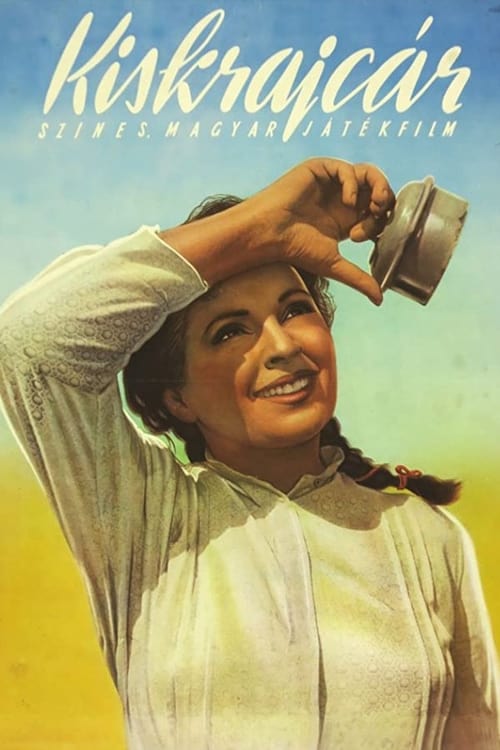
The story of a young servant girl who comes to work on the construction site of a large-scale industrial settlement. She decides to embark on an independent life, runs away from her foster parents, gets on a train and sets out to earn money. Modest and shy, she joins the factory's group of "Stakhanovites" and soon makes new comrades. Her coworkers accept her into their team.
Lint and his lover are sailing and making fun absent-mindedly at Lake Balaton when the anchor suddenly gets stuck in a bomb in the mud. Lint gets hurt while fussing about under the water. A strong storm breaks out when they reach the shore. In the local restaurant the man recalls his memories of war.
Vörös Hajnal (Red Dawn), a co-operative is the venue of skylarking, while the storm destroys the wheat which is to be harvested soon. Árendás, a middle-peasant, voices severe accusations against members of the co-operative: out of negligence, they failed to keep the ditches clean. It is always the soft option they seem to favour, while the necessity of properly taking care of the farmlands is long-forgotten. Members of the co-operative and the village people are deeply divided.
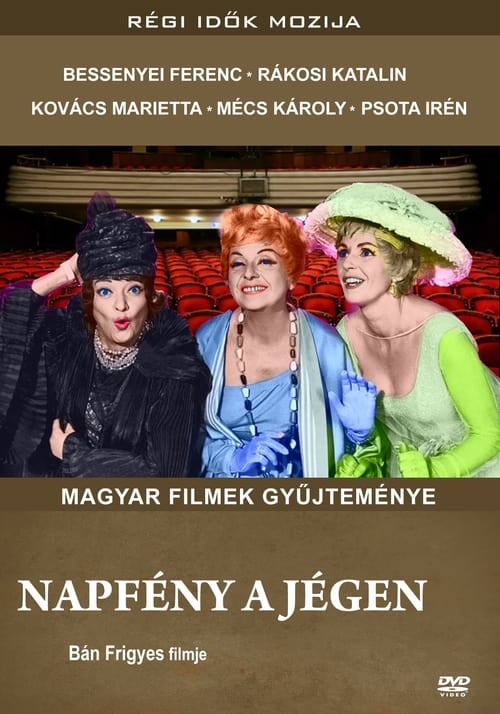
Klári, the dancer of the ice revue, is pursued by a mysterious admirer and his roses. Her husband, Rezső, is about to lose his wits with jealousy.
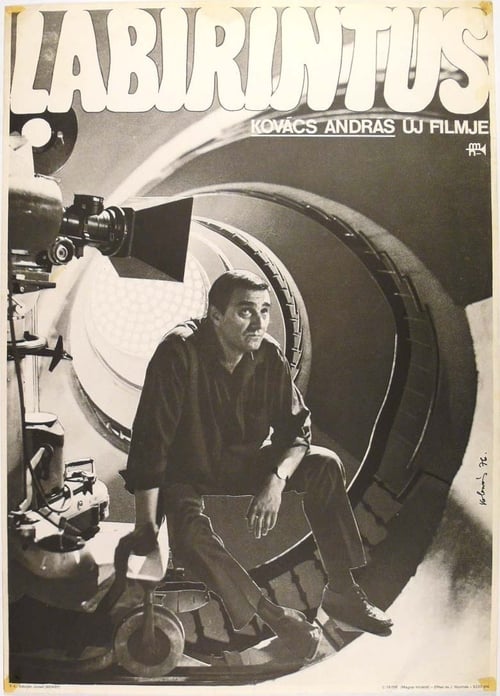
The film director starts shooting his film about the manager of a large corporation who committed suicide for mysterious reasons. As the cumbersome process of making a film goes along, everybody involved in it starts having differing opinions of the tragedy, its causes and its victim.
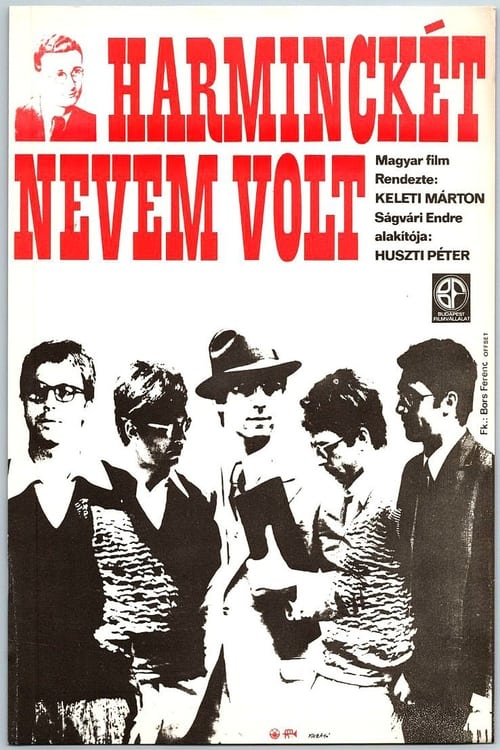
The film, paying a tribute to the memory of Endre Ságvári, a Communist hero, goes back to the summer of 1944. Through Colonel Gombos-Götz who has recognised that the Nazi-Germans will be ultimately defeated, Ságvári, the leader of the Young Communist Workers' Association asks Csiszár, the commander of the barracks in Andrássy street to provide him with guns to help release the Communist prisoners in Tata.