Acting
A story about the Hungarian pioneers summer vacations.
Hungarian Folktales is a Hungarian animated series. Each episode is based on a Hungarian folk tale. The creators paid special attention to using Hungarian folk motives in the episodes.
Ede (Dezso Garas) is in his sixties, and he is full of uncertainty about how he and his wife Kati (Mari Torocsik) will fare in the new post-communist regime in Hungary. At least before, he had some idea what he needed to do to get by, and even if he never made much money with his myriad schemes, they got by. Kati has got a real bug in her ear about their livelihood, and is hounding him to get into the spirit of the new system. This is troubling enough for the old gent, but when he runs into an old mistress (Kati Lazar) and discovers that he has a grown son he has never met or knew about, his life becomes even more confusing. His slimy ex big-shot brother-in-law (Istvan Avar) is a major player in the new entrepeneurial risk-taking, and he beseiges poor Ede with advice as well. In this topical comedy, all these worrisome things, and more, come to a head at a big family celebrtion.
A musical farce about women in the canning factory. The pretty Brigitta tries to commit suicide, because Laci left her, pregnant, but her mates save her.
Igéző portrays the life of the unsociable stranger , András, who arrives at the place of his exile and slowly makes friends with Miska, the charcoal-burner.
During the worldwide Depression of the 1930s, a young shopgirl is in love with a man of her own financial class, but succumbs to the seductive machinations of her wealthy boss.
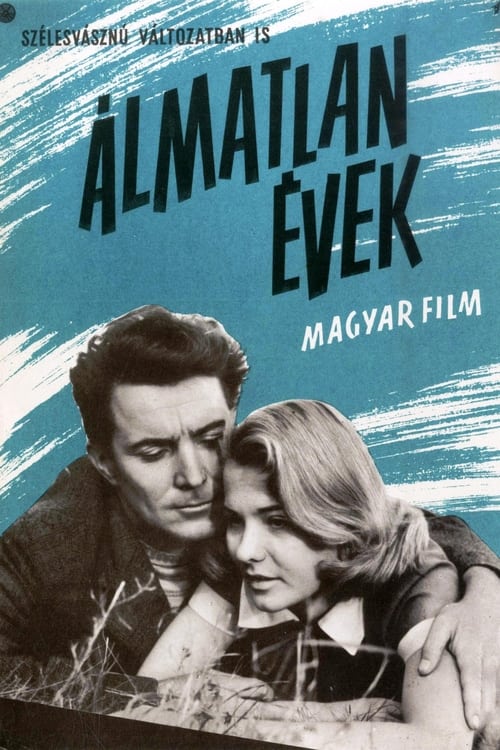
The "sleepless years" in this propaganda piece by director Felix Marlassy occur on Csepel Island, an island south of Budapest that is home to an armaments factory. The factory workers are shown being exploited by imperialists, capitalists gone berserk, and fascists, more or less in that exact chronological sequence. The heavy-handed approach does much to undercut the belief that when socialism finally takes over, the lives of the workers are brought up to a human level. In this instance, audiences might prefer a more nuanced and subtle statement, no matter what the message.
The film is based on a true story. Jakus, managing director of a scooter-factory suddenly resigns, since he disagrees with his superiors in the ministry on several points. Disregarding the attacks of his family and friends, he returns to his original job and becomes a welder, which is not very easy because of his records.
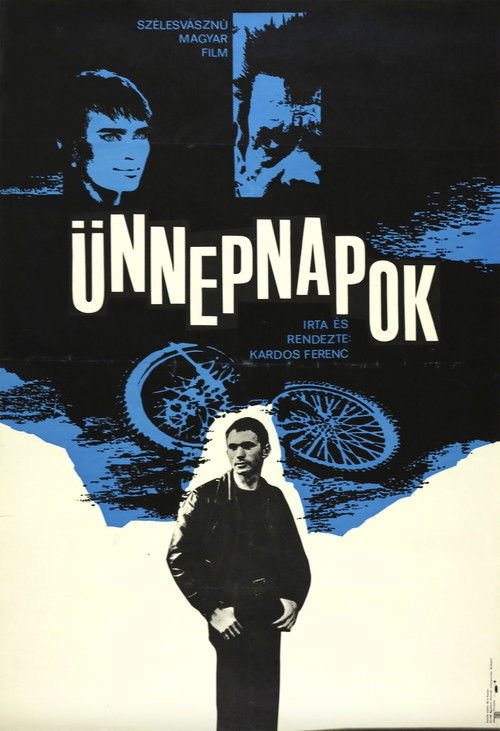
Mihály, a retired foundryman has brought up his sons in a very disciplined and strict way, and as a result they have become a doctor, an engineer, and a teacher. However, his half orphan grandson, Misi, has been spoilt, and become skilled in nothing else really but riding his motorbike and going to parties. He has been involved in shady businesses a number of times already. Having experienced so many difficulties, privation and hardship in his own life and now seeing Misi's irresponsible lifestyle, the old man's bitterness is growing day by day.
The film depicts the period between 1945-60 through the life of a communist couple. Barna Judit, just released from a concentration camp and Horváth László, with an illegal past are brought together by the communist movement. They study and make plans together in the hope of a future that will make sense. The marriage they just entered, however, gets ruined soon by the events of history.
No description available.
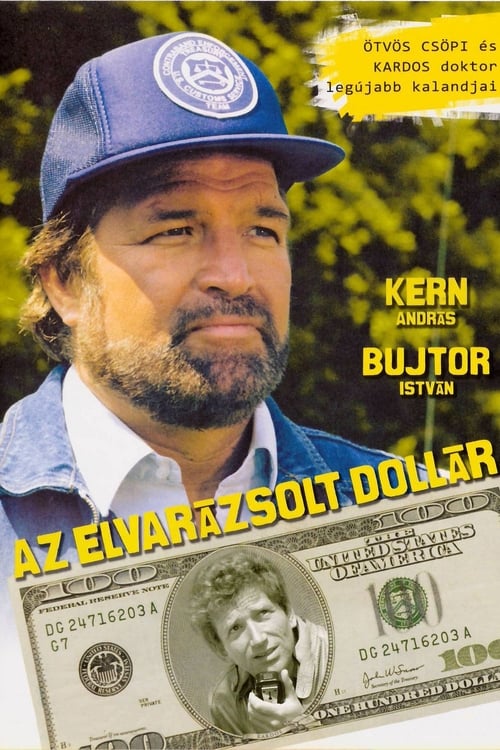
Tomboy accidentally found a fake dollar and gave it to detective Droplet. The operation is headed by Maj. Kardos. Now they have to investigate the crime in order to find and neutralize the counterfeiters.
Hungarian mini-series.
Andras Kovacs' film, considered one of the most important Hungarian films of the 1960s, centers around four men who await trial for their involvement in the massacre of several thousand Jewish and Serbian people of Novi Sad in 1942. Each denies any responsibility, claiming that they were only following orders. The film is significant for its willingness to address the subject of Hungary's role in WWII, which was taboo at the time of the its release.
The film director starts shooting his film about the manager of a large corporation who committed suicide for mysterious reasons. As the cumbersome process of making a film goes along, everybody involved in it starts having differing opinions of the tragedy, its causes and its victim.
After the failure of the Kossuth's revolution of 1848, people suspected of supporting the revolution are sent to prison camps. Years later, partisans led by outlaw Sándor Rózsa still run rampant. Although the authorities do not know the identities of the partisans, they round up suspects and try to root them out by any means necessary.
Mocorgó, the well-meaning worker boy, is a tough guy. In his 40s he is still a mechanic's apprentice, but he is disappointed by his family, women and friends, and becomes a criminal. He goes to prison several times and tells the story of his life to the writer, who follows his story until 1956, until Mocorgó's death.
If there has ever been pure and undestroyable love, this is it. That is how Imre and Vera feel. The talented chemist loses his best friend for the girl's sake, then gives up his profession, only to be able to stay in the capital with Vera. But the young actress at the beginning of her career is neglected. Imre accepts an uninteresting, but well-paying position. They seem to be happy together.
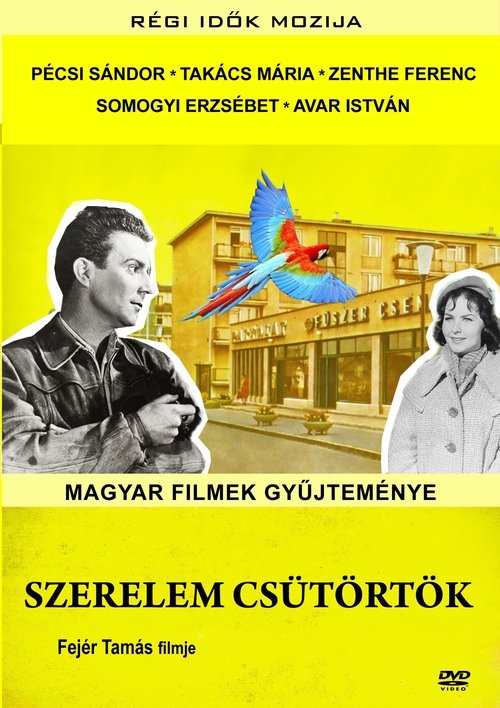
Éva and Árpi are married, but have no home on their own. On Thursdays, they meet in Árpi's long vehicle. Renting a room from a head tenant would be too expensive. The ad of an old lady found in a newspaper, in which she offers a room free of charge to the person who finds her lost parrot, comes in handy.